.webp)

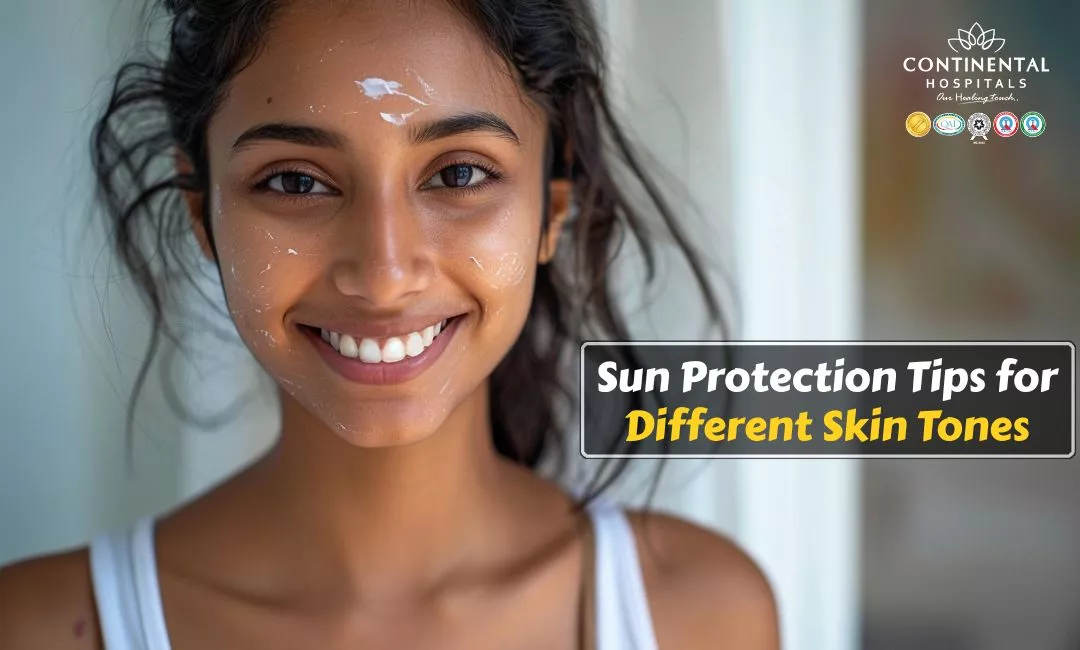
Sun protection is essential for everyone, no matter your skin tone. Exposure to the sun can lead to sunburn, premature aging, dark spots, and even skin cancer. While many people believe darker skin does not need sun protection, this is a misconception. Every skin type, from fair to deep brown, benefits from careful sun care. Understanding the right sun protection strategies can help you stay safe and healthy while enjoying the outdoors.
Why Sun Protection Matters for All Skin Tones
Our skin contains melanin, a natural pigment that provides some protection against UV rays. People with darker skin tones have more melanin, which gives them a natural shield against sunburn. However, this does not make them immune to sun damage. Sun exposure can still cause long-term effects such as hyperpigmentation, premature aging, and an increased risk of skin cancer. Fair and medium skin tones are more prone to sunburn, but all skin types require preventive measures.
Consult the top dermatology department at Continental Hospitals for personalized sun protection, skin care, and treatments. Protect your skin today!
Sunscreen for Different Skin Tones
Choosing the right sunscreen is key to effective sun protection. Sunscreens come in various formulations, and selecting one suited to your skin tone and type ensures both comfort and protection.
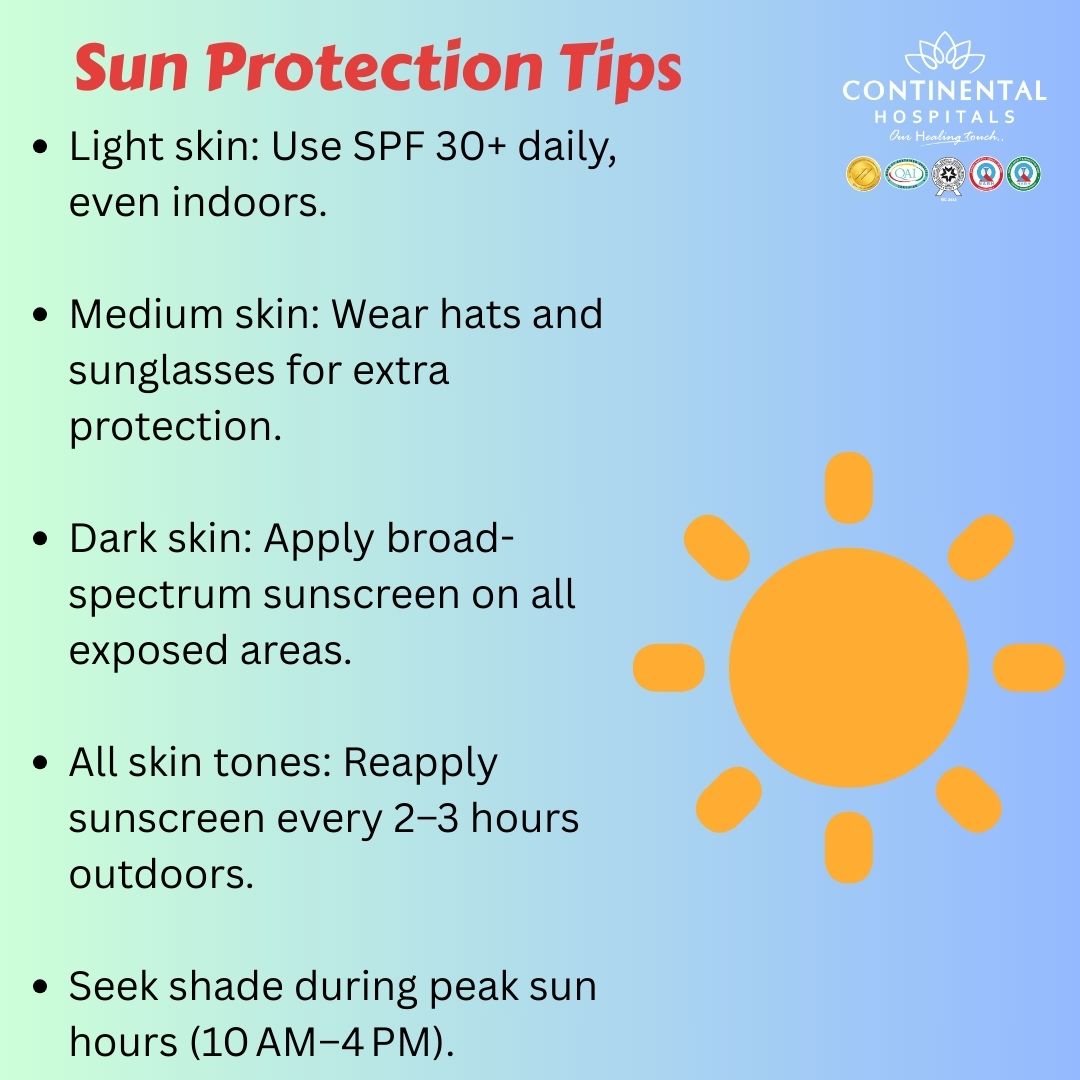
Fair Skin: Fair skin burns easily and requires broad-spectrum sunscreen with a high SPF. Look for lightweight, non-greasy formulations for daily use.
Medium Skin: Medium skin tones can handle moderate sun exposure but still need broad-spectrum sunscreen to prevent dark spots and sun damage.
Dark Skin: Darker skin often avoids visible sunburn, but the skin can develop hyperpigmentation or uneven tone. Mineral-based sunscreens with zinc oxide or titanium dioxide work well without leaving a white cast.
Daily Sun Protection Tips
Effective sun protection goes beyond sunscreen. Here are practical tips you can follow every day to keep your skin safe:

- Apply sunscreen 15 to 20 minutes before stepping outdoors.
- Reapply every two hours, especially after sweating or swimming.
- Wear hats and sunglasses to protect your face and eyes.
- Seek shade during peak sun hours, typically between 10 am and 4 pm.
- Choose clothing with UPF (Ultraviolet Protection Factor) for extended outdoor activities.
- Use moisturizers and foundations with SPF for added protection.
Prevent Sunburn Naturally
While sunscreen is vital, natural methods can help reduce sunburn risk:
- Stay hydrated to maintain skin health.
- Include antioxidant-rich foods like berries, green leafy vegetables, and nuts in your diet.
- Avoid direct sun exposure during peak intensity hours.
- Use aloe vera or natural oils after mild sun exposure to soothe the skin.
Skin Cancer Prevention
Sun protection is one of the most important steps in preventing skin cancer. Regular sun exposure without protection can damage DNA in skin cells, leading to cancerous changes over time. Everyone should monitor their skin for unusual moles, spots, or growths and consult a dermatologist for any changes. Early detection is crucial for effective treatment.
Repairing Sun Damage
Even with precautions, some sun damage may occur. Repairing sun damage involves:
- Using antioxidant-rich skincare products to fight free radical damage.
- Applying moisturizers to restore the skin barrier.
- Consulting a dermatologist for treatments like chemical peels, laser therapy, or prescription creams for hyperpigmentation or sun spots.
Sun Protection Tips for Families
Sun protection is not just for adults. Children and teenagers also need protection as their skin is more sensitive:
- Apply gentle, child-friendly sunscreen before outdoor play.
- Dress children in sun-protective clothing and hats.
- Encourage shaded play areas to limit direct sun exposure.
- Educate family members about the importance of sun safety.
Why Choose Continental Hospitals for Skin Health?
Continental Hospitals is recognized as one of the best hospitals in Hyderabad, known for its advanced medical care, state-of-the-art facilities, and accredited healthcare services. Our dermatology specialists are trained to provide comprehensive skin care, including sun damage assessment, skin cancer screening, and personalized treatment plans. We focus on patient safety, evidence-based practices, and long-term skin health. With multiple national and international accreditations, Continental Hospitals ensures world-class medical standards and compassionate care for all patients.
Key Points for Effective Sun Protection
- Choose broad-spectrum sunscreen suitable for your skin tone.
- Reapply sunscreen regularly throughout the day.
- Wear protective clothing, hats, and sunglasses.
- Limit sun exposure during peak hours.
- Use moisturizers and antioxidant skincare for repair.
- Monitor your skin for any unusual changes and consult a doctor promptly.
Conclusion
Sun protection is crucial for everyone, regardless of skin tone. By combining the right sunscreen, protective clothing, and healthy habits, you can enjoy outdoor activities while keeping your skin safe from damage. Preventing sunburn, repairing sun damage, and monitoring your skin health can reduce the risk of long-term complications like hyperpigmentation and skin cancer.
If you suffer from persistent skin issues or want expert guidance on sun protection, consult our best dermatologist at Continental Hospitals. Our team provides personalized care, preventive strategies, and treatment plans tailored to your skin type. Protect your skin today and maintain a healthy, radiant complexion for the future.
Related Blog Topics: