• Share this:
post-title

The Link Between Alcohol and Cancer: What You Need to Know

Written by - Editorial Team
Medically Reviewed by - Dr Harish N L

Alcohol is a common part of social gatherings, celebrations, and even everyday life for many people. However, while moderate drinking might seem harmless to some, it’s important to understand the hidden risks associated with alcohol consumption, especially when it comes to cancer. Recent studies have revealed a concerning link between alcohol and cancer, highlighting the need for increased awareness.

Can Alcohol Cause Cancer?

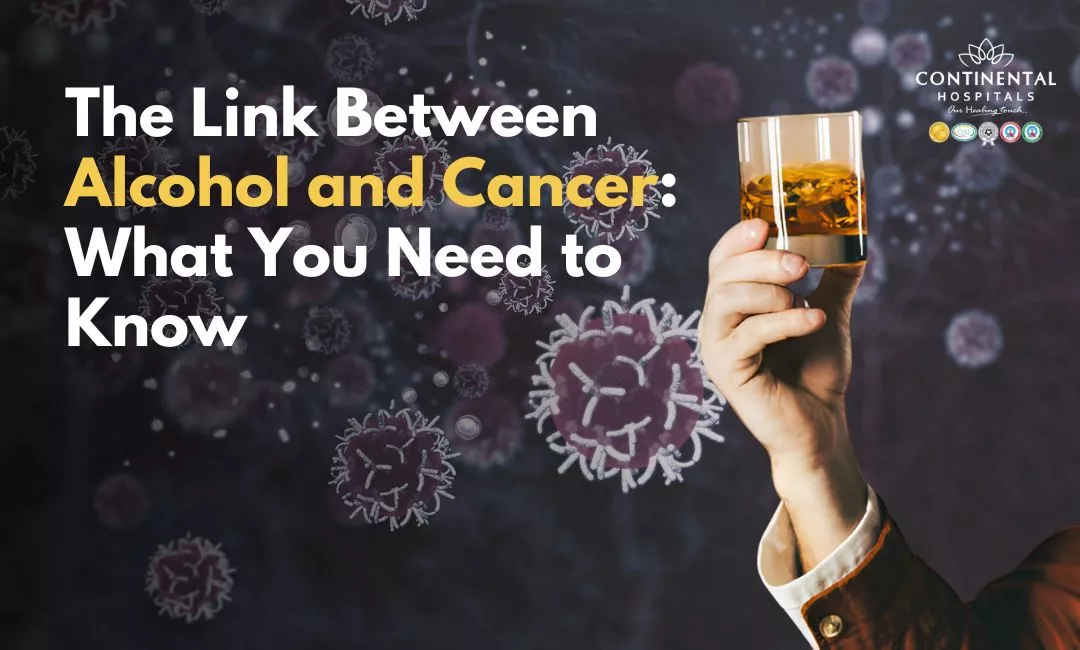
Alcohol consumption, especially in large amounts, has long been linked to several types of cancer. In fact, the World Health Organization (WHO) classifies alcohol as a Group 1 carcinogen, meaning there is enough evidence to prove it can cause cancer in humans. The more you drink and the longer you drink, the greater your risk becomes.

But what exactly happens in the body when you consume alcohol, and why does it increase the risk of cancer?

How Does Alcohol Increase the Risk of Cancer?

When alcohol is broken down in the body, it’s converted into acetaldehyde, a toxic substance that can damage the DNA in our cells. This damage can lead to mutations that cause cancer over time. In addition to acetaldehyde, alcohol can also increase the production of reactive oxygen species (ROS), which can further damage our cells and tissues, leading to cancer.

But the risks don’t stop there. Alcohol can also affect how the body processes other carcinogens, making it easier for them to cause harm. For example, alcohol can increase the absorption of harmful chemicals in tobacco smoke, which is why people who both drink and smoke are at an even higher risk for cancers, especially in the mouth, throat, and lungs.

Take charge of your health with expert cancer screening and guidance. Visit the Best Cancer Specialist in Hyderabad at Continental Hospitals for comprehensive care from experienced specialists.

What Types of Cancer Are Linked to Alcohol?

Research has shown that alcohol consumption is linked to several types of cancer. Here are some of the most common cancers associated with alcohol:

Breast Cancer: Women who drink alcohol regularly have a higher risk of developing breast cancer. Even small amounts of alcohol can increase this risk, particularly when consumed over many years.

Liver Cancer: Chronic alcohol use is a well-known cause of liver disease, including cirrhosis, which is a major risk factor for liver cancer. Excessive drinking weakens the liver, making it more susceptible to cancer.

Second Opinion

Mouth, Throat, and Esophageal Cancer: Alcohol can damage the tissues in the mouth, throat, and esophagus, which increases the risk of cancer in these areas. The risk is particularly high for people who smoke or chew tobacco in addition to drinking.

Colorectal Cancer: Drinking alcohol increases the risk of developing colorectal cancer, especially in people who drink heavily. Alcohol can irritate the lining of the colon and rectum, leading to cancer.

Pancreatic Cancer: Although more research is needed, studies suggest a link between heavy alcohol consumption and an increased risk of pancreatic cancer.

Lung Cancer: While alcohol itself is not directly linked to lung cancer, studies show that people who drink alcohol and smoke are at a significantly higher risk of developing lung cancer compared to those who do not drink or smoke.

How Much Alcohol Is Too Much?

Understanding how much alcohol is safe to drink can be difficult because it varies from person to person. However, health organizations have established guidelines to help individuals make informed choices.

  • For women, it’s recommended not to exceed one drink per day.
  • For men, it’s recommended not to exceed two drinks per day.

A “standard” drink is defined as:

  • 12 ounces of beer (with about 5% alcohol content)
  • 5 ounces of wine (with about 12% alcohol content)
  • 1.5 ounces of distilled spirits (with about 40% alcohol content)

If you drink more than these amounts, your risk for cancer increases, and if you drink heavily over a long period of time, the risk becomes even greater.

Need an Appointment?

Reducing Your Risk

The good news is that you can take steps to reduce your risk of alcohol-related cancer:

Limit Alcohol Consumption: The most effective way to reduce your cancer risk is by limiting alcohol consumption or choosing not to drink at all.

Eat a Healthy Diet: A balanced diet full of fruits, vegetables, and whole grains can help protect your body from cancer. Foods rich in antioxidants can help repair the cellular damage caused by alcohol.

Avoid Smoking: If you drink, it’s important not to smoke, as this significantly increases the risk of alcohol-related cancers, particularly in the mouth, throat, and lungs.

Regular Health Checkups: Regular screenings can help catch cancer early when treatment is most effective. Talk to your doctor about your alcohol consumption and the cancer screening options that may be right for you.

Conclusion

While alcohol is a socially accepted part of life for many people, it’s crucial to understand the link between alcohol and cancer. Drinking in moderation or choosing not to drink at all can significantly reduce your cancer risk. Taking steps to stay healthy, such as eating a nutritious diet and avoiding smoking, can also help protect your body from the harmful effects of alcohol. Always listen to your body and stay proactive with your health, especially if you are concerned about alcohol-related risks.

If you’re worried about your alcohol consumption or have concerns about cancer risk, consult our Best Oncology Doctors in Hyderabad at Continental Hospitals.

Related Blog Topics:

  1. Understanding PET CT Scans in Cancer Detection
  2. 9 Warning Signs of Liver Cancer You Shouldn't Ignore

Frequently Asked Questions

Alcohol increases cancer risk through several biological processes. When your body breaks down alcohol, it produces acetaldehyde, a toxic chemical that can damage DNA and prevent cells from repairing themselves. This damage can lead to abnormal cell growth over time. Alcohol also increases the production of harmful free radicals that injure healthy tissues. It may alter hormone levels, especially estrogen, raising the risk of hormone related cancers. Heavy drinking can reduce the body's ability to absorb essential nutrients that help protect against cancer. It also weakens the immune system, making it harder to destroy damaged cells. Alcohol can increase the absorption of harmful chemicals from tobacco, making smoking even more dangerous. The risk rises with the amount and frequency of alcohol consumed. Even moderate drinking has been linked to certain cancers. Reducing or avoiding alcohol can help lower your overall cancer risk and improve long term health.
Research has shown that alcohol is linked to several types of cancer. These include cancers of the mouth, throat, voice box, esophagus, liver, colon, rectum, and breast. Alcohol can damage the cells lining these organs, increasing the chance of cancer development. Women who drink alcohol regularly may have a higher risk of breast cancer because alcohol can raise estrogen levels. People who both smoke and drink have an even greater risk of cancers affecting the mouth, throat, and esophagus. The likelihood of developing cancer generally increases with greater alcohol intake. However, there is no completely safe level of alcohol when it comes to cancer prevention. Choosing to drink less or stop drinking altogether can reduce the risk over time. Regular health screenings are also important for early detection in people with risk factors.
There is no completely safe amount of alcohol that eliminates cancer risk. Scientific studies have shown that even small amounts of alcohol may increase the risk of certain cancers, especially breast cancer. The risk becomes higher as alcohol consumption increases. While occasional drinking may carry a lower risk than heavy drinking, it does not remove the possibility of harm. Individual factors such as age, genetics, overall health, and lifestyle also influence cancer risk. People who have a family history of cancer or other risk factors should be especially cautious. Reducing alcohol intake can help lower the chance of developing alcohol related cancers. Choosing alcohol free alternatives is a healthier option for long term wellbeing. Maintaining a healthy lifestyle with regular exercise and a balanced diet further supports cancer prevention.
Occasional alcohol consumption carries a lower risk than frequent or heavy drinking, but it is not completely risk free. Even small amounts of alcohol can affect the body by producing acetaldehyde, a harmful substance that damages DNA. The overall risk depends on how often and how much alcohol is consumed over time. Regular drinking, even at moderate levels, may gradually increase the likelihood of certain cancers. Lifestyle habits such as smoking, poor diet, obesity, and lack of exercise can further raise the risk. People with existing liver disease or a family history of cancer should be particularly careful. Limiting alcohol intake is one of the steps recommended by health experts for cancer prevention. Choosing healthier habits can significantly reduce your long term health risks.
Yes, quitting alcohol can help lower your cancer risk over time. Once alcohol consumption stops, the body begins repairing some of the damage caused by long term exposure. The risk of cancers affecting the mouth, throat, esophagus, and liver gradually decreases, although it may take several years to approach that of someone who never drank. Quitting alcohol also improves liver health, strengthens the immune system, and reduces inflammation. People who stop drinking often adopt healthier lifestyle habits, which further support cancer prevention. Regular exercise, a nutritious diet, and maintaining a healthy weight provide additional protection. If you have been a heavy drinker, speaking with a healthcare professional can help you quit safely. Every step toward reducing alcohol intake contributes to better overall health.
Alcohol and tobacco together significantly increase the risk of several cancers, particularly those affecting the mouth, throat, and esophagus. Alcohol makes it easier for harmful chemicals in tobacco smoke to enter the cells lining these organs. At the same time, both alcohol and tobacco independently damage DNA and reduce the body's ability to repair injured cells. This combined effect greatly increases the chance of cancer development compared with using either substance alone. People who both smoke and drink heavily have a much higher cancer risk than those who only smoke or only drink. Quitting both habits offers the greatest health benefits. Support from healthcare professionals, counseling, and cessation programs can improve success rates. Making these lifestyle changes can greatly reduce future cancer risk.
The symptoms of alcohol related cancers depend on the affected organ. Common warning signs include persistent mouth sores, difficulty swallowing, a lump in the neck, hoarseness that lasts for weeks, unexplained weight loss, ongoing fatigue, changes in bowel habits, blood in the stool, abdominal pain, or yellowing of the skin and eyes. Breast cancer may present as a new lump, skin changes, or nipple discharge. These symptoms do not always mean cancer, but they should never be ignored. Early diagnosis greatly improves treatment outcomes. Anyone experiencing persistent or unusual symptoms should seek medical evaluation promptly. Regular cancer screenings are especially important for people with long term alcohol use or other risk factors.
The most effective way to lower your risk is to reduce or completely avoid alcohol consumption. If you choose to drink, keeping intake as low as possible is recommended. Avoid smoking, as the combination of alcohol and tobacco greatly increases cancer risk. Eat a balanced diet rich in fruits, vegetables, whole grains, and lean proteins to support overall health. Stay physically active and maintain a healthy body weight. Protect your liver by avoiding unnecessary exposure to harmful chemicals and getting vaccinated against hepatitis B if recommended. Attend regular health checkups and participate in age appropriate cancer screenings. Learn your family medical history and discuss any concerns with your doctor. Healthy lifestyle choices made today can significantly reduce your future risk of cancer.
Disclaimer: The information provided in this blog is intended for general knowledge and informational purposes only, and does not constitute medical advice. Always consult with a qualified healthcare professional for any medical concerns or before making any decisions about your health.

Get in Touch With Us

Whether you are from India or abroad, we are here to help you with your medical queries. Please fill out the form below and our team will connect with you shortly.

  • ✔ Quick response from our medical experts
  • ✔ Secure data handling & privacy
  • ✔ Easy upload for reports & documents
0 / 100
Checkboxes Section


Chat with our medical experts on WhatsApp for quick assistance and hassle-free appointment booking

Recent Posts
Language Based Image
0 / 100