.webp)

A cancer diagnosis can bring many emotions—fear, confusion, and even uncertainty about what treatment will look like. One of the most common and effective treatments for cancer is chemotherapy. While it’s a critical part of cancer care, the thought of undergoing chemotherapy can feel overwhelming for many patients.
In this blog, we’ll help you understand what chemotherapy is, how it works, what to expect during treatment, and how to manage the side effects. We’ll also explain why chemotherapy is often the best option to fight cancer and how to navigate this journey with support and confidence.
What Is Chemotherapy?
Chemotherapy is a type of cancer treatment that uses powerful medications to kill or damage cancer cells. Unlike surgery, which removes tumors, chemotherapy works throughout the whole body by targeting cancer cells wherever they may be. This is important for treating cancers that have spread or have a high risk of spreading to other areas.
Chemotherapy drugs work by targeting rapidly dividing cells, a hallmark of cancer. However, chemotherapy can also affect healthy cells, which is why it can cause side effects. Still, chemotherapy remains one of the most effective treatments for a variety of cancers.
When Is Chemotherapy Used?
Chemotherapy can be used in several different situations:
As the primary treatment: For cancers that are difficult to treat with surgery alone.
Before surgery (neoadjuvant chemotherapy): To shrink tumors, making them easier to remove.
After surgery (adjuvant chemotherapy): To kill any remaining cancer cells and reduce the risk of the cancer coming back.
For palliative care: To help control symptoms and improve quality of life when a cure is not possible.

Visit our Best Cancer Specialist in Hyderabad to receive personalized cancer diagnosis, treatment, and ongoing care from experienced specialists. Your journey to better health begins with expert guidance.
What Happens During Chemotherapy?
The Chemotherapy Process
The process of chemotherapy depends on the type of cancer you have and the drugs you will receive. Chemotherapy can be given in different ways:
Intravenous (IV) infusion: The most common method, where the medication is delivered through a vein, usually in the arm.
Oral chemotherapy: Some chemotherapy drugs are available in pill form, which you take by mouth.
Injections: Some medications may be injected directly into muscles or under the skin.
Topical chemotherapy: For certain cancers like skin cancer, chemotherapy may be applied directly to the skin.
Your chemotherapy sessions typically last between 30 minutes to several hours, depending on the drugs being used. They may be done on an outpatient basis in a hospital, clinic, or at home (for oral treatments), or sometimes in a hospital setting if you need more intensive care.
How Often Will You Need Chemotherapy?
Chemotherapy is usually given in cycles, with each cycle followed by a rest period to allow your body to recover. For example, you might receive treatment for one day, followed by a week or two of rest, then another round of treatment. The frequency and duration depend on your specific cancer type and the chemotherapy regimen prescribed by your doctor.
Chemotherapy Regimens
Doctors tailor chemotherapy treatments to each patient’s unique needs, so no two regimens are exactly the same. You might receive one type of drug or a combination of drugs, and the schedule can vary. Some common chemotherapy drugs include cisplatin, cyclophosphamide, doxorubicin, and paclitaxel.
What to Expect During Chemotherapy Treatment?
Chemotherapy can be a challenging experience, but it’s important to know that side effects are often temporary and manageable. Here’s what you can expect:
1. Initial Consultation and Preparation
Before starting chemotherapy, you’ll have a consultation with your oncologist. They will explain the treatment plan, potential side effects, and answer any questions you might have. You’ll also undergo tests to assess your overall health and make sure your body is ready for treatment.
2. Side Effects of Chemotherapy
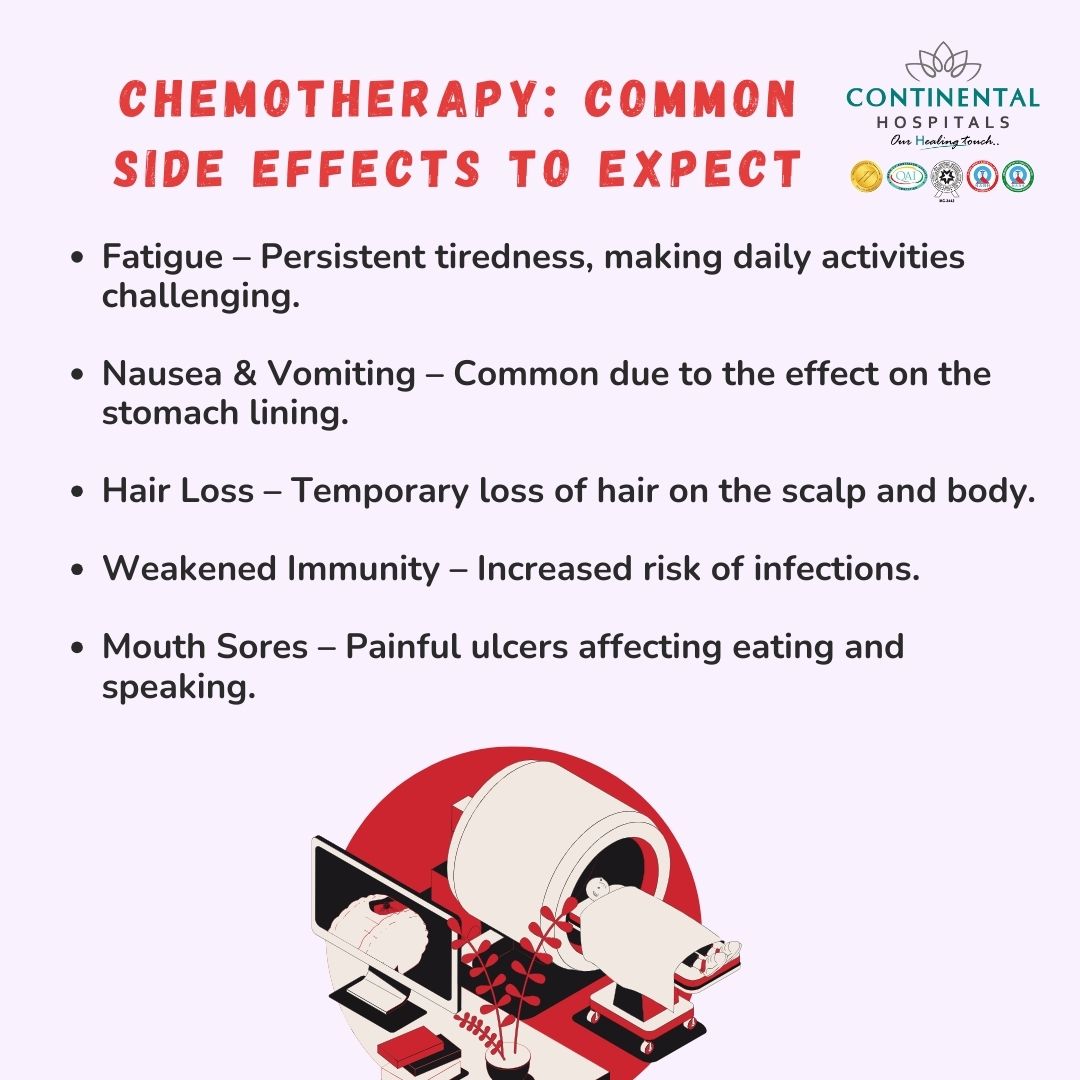
While chemotherapy is effective in treating cancer, it can affect normal, healthy cells that divide quickly, such as those in your hair, mouth, and digestive system. Side effects vary from person to person and depend on the type of drugs used, but common side effects include:
Fatigue: Chemotherapy can make you feel tired and weak. Rest and light activities may help you feel better.
Hair loss: Some chemotherapy drugs can cause hair thinning or loss. This can be temporary, and your hair should grow back after treatment ends.
Nausea and vomiting: Many chemotherapy drugs cause nausea, but medications are available to help manage this.
Appetite changes: Chemotherapy may make food taste different, or you may have less of an appetite.
Mouth sores and ulcers: Some people develop sores in their mouth, making eating and drinking uncomfortable.
Weakened immune system: Chemotherapy can lower your white blood cell count, making it harder for your body to fight infections.
Diarrhea or constipation: Chemotherapy can affect your digestive system, leading to changes in bowel movements.
3. Managing Side Effects
Your oncologist will help you manage the side effects of chemotherapy. This might include:
Anti-nausea medications: These drugs can prevent or reduce nausea and vomiting.
Pain relief: Over-the-counter medications or prescribed pain relievers can help with discomfort.
Dietary changes: A dietitian may suggest foods that are gentle on your stomach and easy to digest.
Supportive care: Your doctor may suggest treatments like growth factors to boost your white blood cell count or other treatments to help your body recover faster.
4. Emotional and Psychological Impact
Chemotherapy can also be mentally and emotionally challenging. It’s normal to feel anxious, stressed, or even depressed during treatment. Talking to a counselor, support groups, or close family and friends can help you cope with the emotional side of chemotherapy.
How Can You Take Care of Yourself During Chemotherapy?
Here are some tips for managing the challenges of chemotherapy:
- Eat healthy foods: A balanced diet will help you maintain your strength and energy levels.
- Stay hydrated: Drinking plenty of fluids helps prevent dehydration, especially if you experience nausea or diarrhea.
- Rest and listen to your body: It’s okay to take naps or slow down when you’re feeling fatigued.
- Exercise gently: Light walking or stretching can boost your mood and energy levels.
- Reach out for support: Connect with other cancer patients or talk to a therapist to cope with your emotions.
- Keep track of side effects: Keep a record of how you’re feeling and report any concerning symptoms to your doctor.
Conclusion
Chemotherapy plays a crucial role in the treatment of cancer and can be an effective way to destroy cancer cells and stop their growth. Although it comes with challenges, many patients find that with the right support and care, they can manage side effects and continue their daily activities.
Consult our best oncologists in Hyderabad at Continental Hospitals for personalized cancer care and expert treatment options. Your path to recovery starts here.
Related Blog Topics: