.webp)

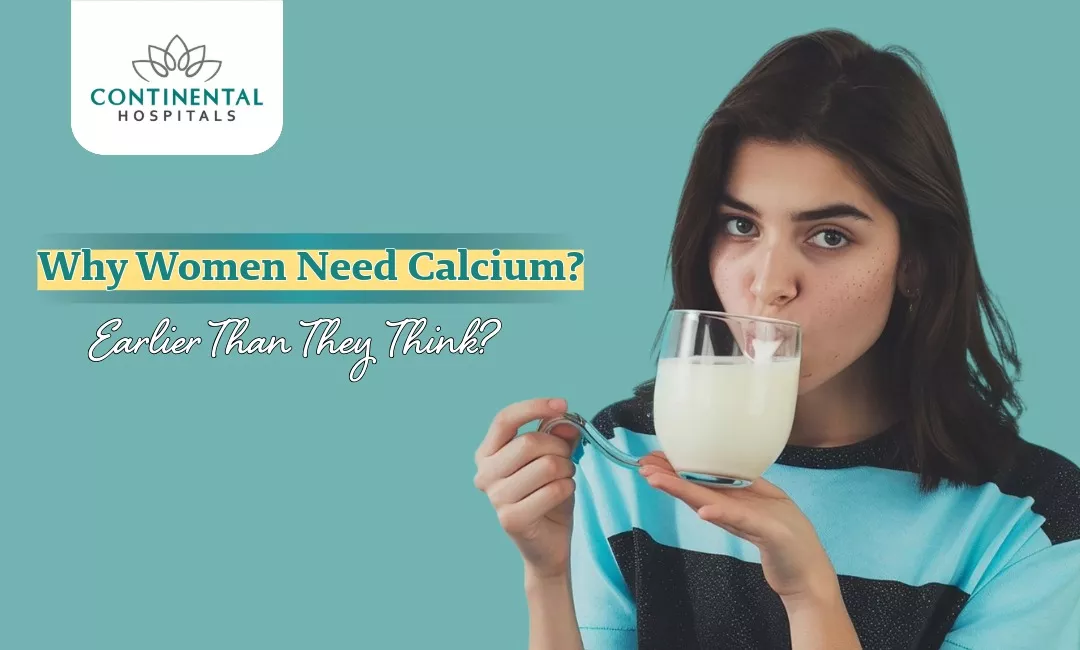
Calcium is often linked with bone health in older age. But the truth is, women need to start thinking about calcium much earlier. Strong bones, healthy teeth, proper muscle function, and even hormonal balance depend on adequate calcium levels. Ignoring this essential nutrient in the early years can lead to long-term health problems that are difficult to reverse.
Understanding Calcium and Its Role in Women’s Health
Calcium is a vital mineral that plays multiple roles in the body. It is not just about bones. It supports nerve transmission, muscle contraction, heart rhythm, and blood clotting.
For women, calcium becomes even more important due to hormonal changes that occur throughout life. From puberty to pregnancy and menopause, calcium needs fluctuate.
If your body does not get enough calcium from food, it starts taking it from your bones. Over time, this weakens the bones and increases the risk of fractures.
Why Women Need Calcium Early?
Many people assume calcium is only necessary after the age of forty. But bone development begins much earlier.
Key reasons to start early:
- Peak bone mass is achieved by the late twenties
- Hormonal changes affect calcium absorption
- Early deficiency leads to long-term bone loss
- Prevention is easier than treatment
Building strong bones in your youth acts like a savings account. The more you build early, the better protected you are later.
If you are experiencing symptoms of calcium deficiency, bone weakness, or concerns related to women health nutrition or causes of night sweats, consult our best General physician at Continental Hospitals.
Calcium Deficiency in Women
Calcium deficiency in women is more common than expected. Many women do not meet their daily calcium requirements due to poor diet or lifestyle habits.

Common causes of calcium deficiency:
- Low intake of dairy or calcium-rich foods
- Vitamin D deficiency
- Sedentary lifestyle
- Excess caffeine or processed food consumption
- Hormonal imbalances
Interestingly, symptoms like fatigue, muscle cramps, and even conditions linked to causes of night sweats can sometimes be connected to nutritional imbalances, including calcium deficiency.
Signs You May Be Low on Calcium?
Early signs are often mild and easy to ignore.
- Frequent muscle cramps
- Weak or brittle nails
- Tooth problems
- Fatigue or low energy
- Bone pain or joint discomfort
If left untreated, calcium deficiency can lead to serious conditions like osteoporosis.
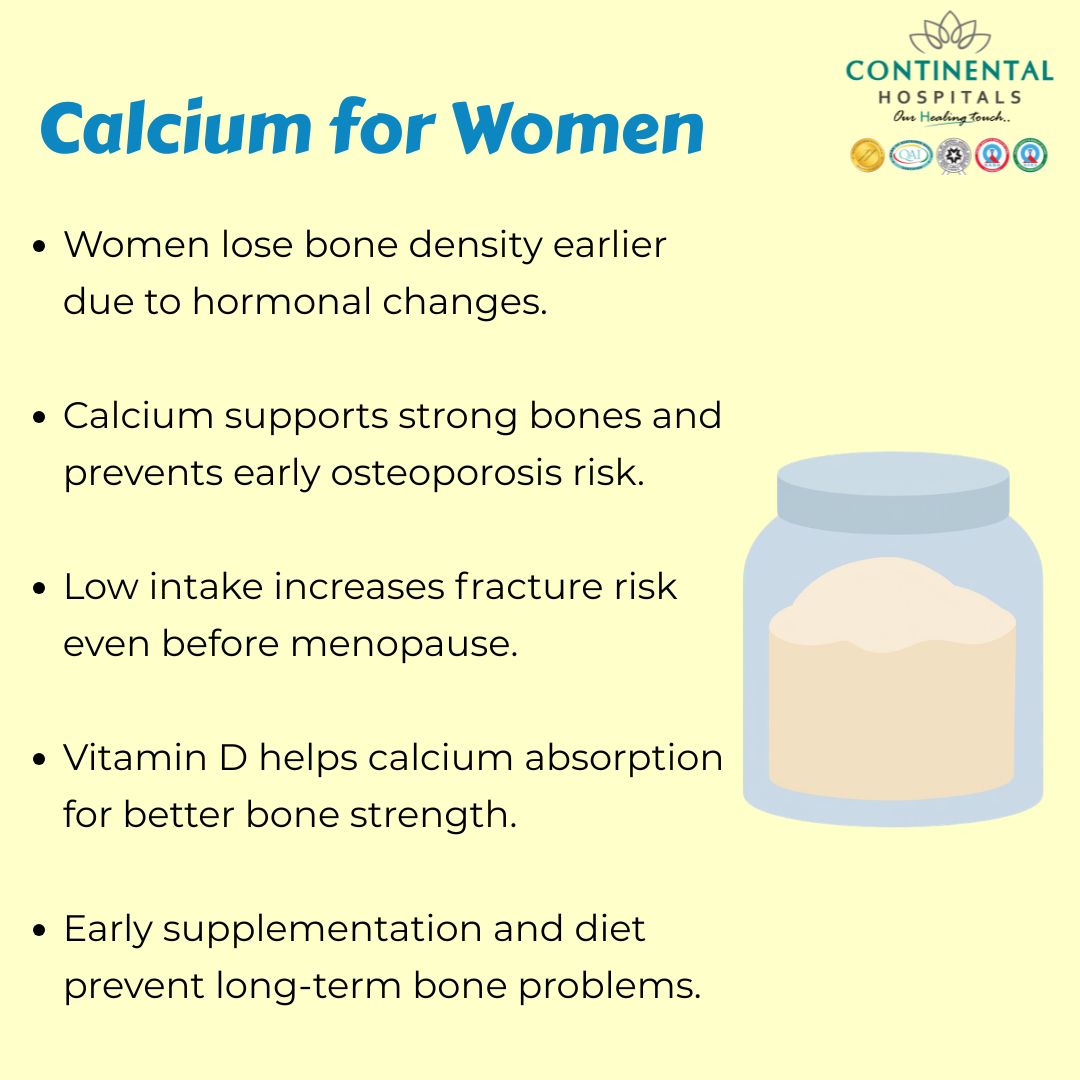
The Link Between Calcium and Bone Density in Women
Bone density refers to how strong and compact your bones are. Women are at higher risk of losing bone density due to hormonal changes, especially after menopause.
Low bone density increases the chances of fractures even with minor injuries.
Why bone density matters?
- Prevents fractures
- Supports mobility and independence
- Improves overall quality of life
Early calcium intake plays a key role in maintaining bone density and preventing future complications.
Osteoporosis Prevention in Women
Osteoporosis is a silent condition where bones become weak and fragile. It develops gradually and is often detected only after a fracture.
How calcium helps prevent osteoporosis:
- Strengthens bone structure
- Slows down bone loss
- Supports mineral balance
Women who maintain proper calcium levels early in life significantly reduce their risk of osteoporosis.
Calcium Rich Foods for Women
Diet is the best way to meet your calcium needs.
Include these foods regularly:
- Milk, yogurt, and cheese
- Green leafy vegetables like spinach and kale
- Almonds and seeds
- Ragi and fortified cereals
- Tofu and soy products
A balanced diet ensures that your body gets not only calcium but also other nutrients needed for absorption.
Do You Need Calcium Supplements?
Sometimes diet alone may not be enough, especially if you have specific deficiencies.
You may need supplements if:
- You have low bone density
- You are pregnant or breastfeeding
- You have limited sun exposure
- You follow a restricted diet
However, supplements should always be taken under medical guidance to avoid excess intake.
Calcium and Women’s Hormonal Health
Hormones play a major role in calcium absorption. Estrogen helps maintain bone strength. When estrogen levels drop, especially during menopause, calcium loss increases.
This is why women must focus on calcium intake even before hormonal changes begin.
Interestingly, symptoms like unexplained sweating or discomfort, often discussed under causes of night sweats, can sometimes overlap with hormonal shifts and nutrient deficiencies.
Lifestyle Tips to Improve Calcium Absorption
Getting calcium is not enough. Your body must absorb it properly.
Simple tips to follow:
- Get enough sunlight for Vitamin D
- Exercise regularly, especially weight-bearing activities
- Avoid excessive caffeine and salt
- Maintain a balanced diet
- Stay hydrated
Healthy lifestyle habits improve calcium absorption and overall well-being.
Why Choose Continental Hospitals?
When it comes to women’s health and nutrition, choosing the right healthcare partner is important.
Continental Hospitals is known as one of the best hospital in Hyderabad, offering advanced care for women across all age groups.
What makes it a trusted choice?
- Accredited by national and international healthcare bodies
- Advanced diagnostic and preventive care services
- Expert team of specialists in women health nutrition and bone health
- Comprehensive care for hormonal, metabolic, and bone-related conditions
- Focus on preventive healthcare and early detection
The hospital follows strict quality and safety standards, ensuring reliable and patient-focused care.
When Should You See a Doctor?
You should not ignore symptoms related to calcium deficiency or bone health.
Consult a specialist if you have:
- Persistent bone or joint pain
- Frequent muscle cramps
- Signs linked to causes of night sweats along with fatigue
- Family history of osteoporosis
- Nutritional deficiencies
Early consultation helps in timely diagnosis and better treatment outcomes.
Conclusion
Calcium is not just for older women. It is essential at every stage of life. Starting early helps build strong bones, maintain hormonal balance, and prevent serious conditions like osteoporosis.
Ignoring calcium intake today can lead to long-term health challenges. A balanced diet, healthy lifestyle, and timely medical advice can make a big difference.
If you are experiencing symptoms of calcium deficiency, bone weakness, or concerns related to women health nutrition or causes of night sweats, consult our best General physician at Continental Hospitals.
Book your consultation today and take the first step towards stronger bones and better health.