.webp)

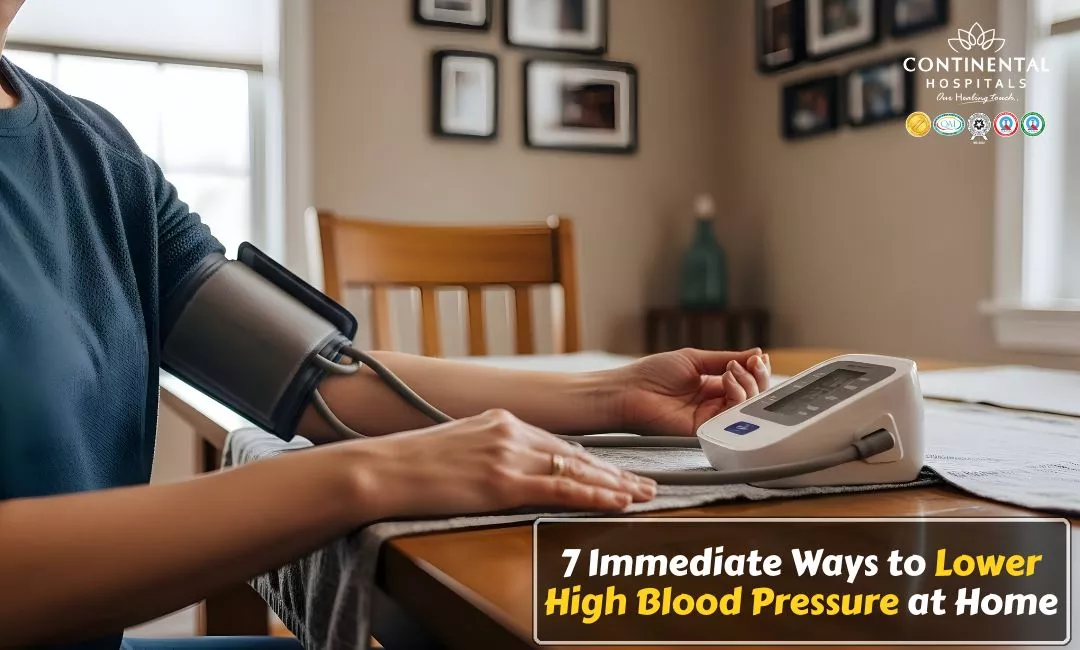
High blood pressure is often called a silent killer because it frequently develops without obvious symptoms while significantly increasing the risk of heart disease and stroke. Managing your numbers is a lifelong journey, but there are specific, immediate steps you can take at home to help stabilize your levels. When your readings start to climb, knowing how to react can make a substantial difference in your long-term cardiovascular health.
1. Practice Deep and Controlled Breathing
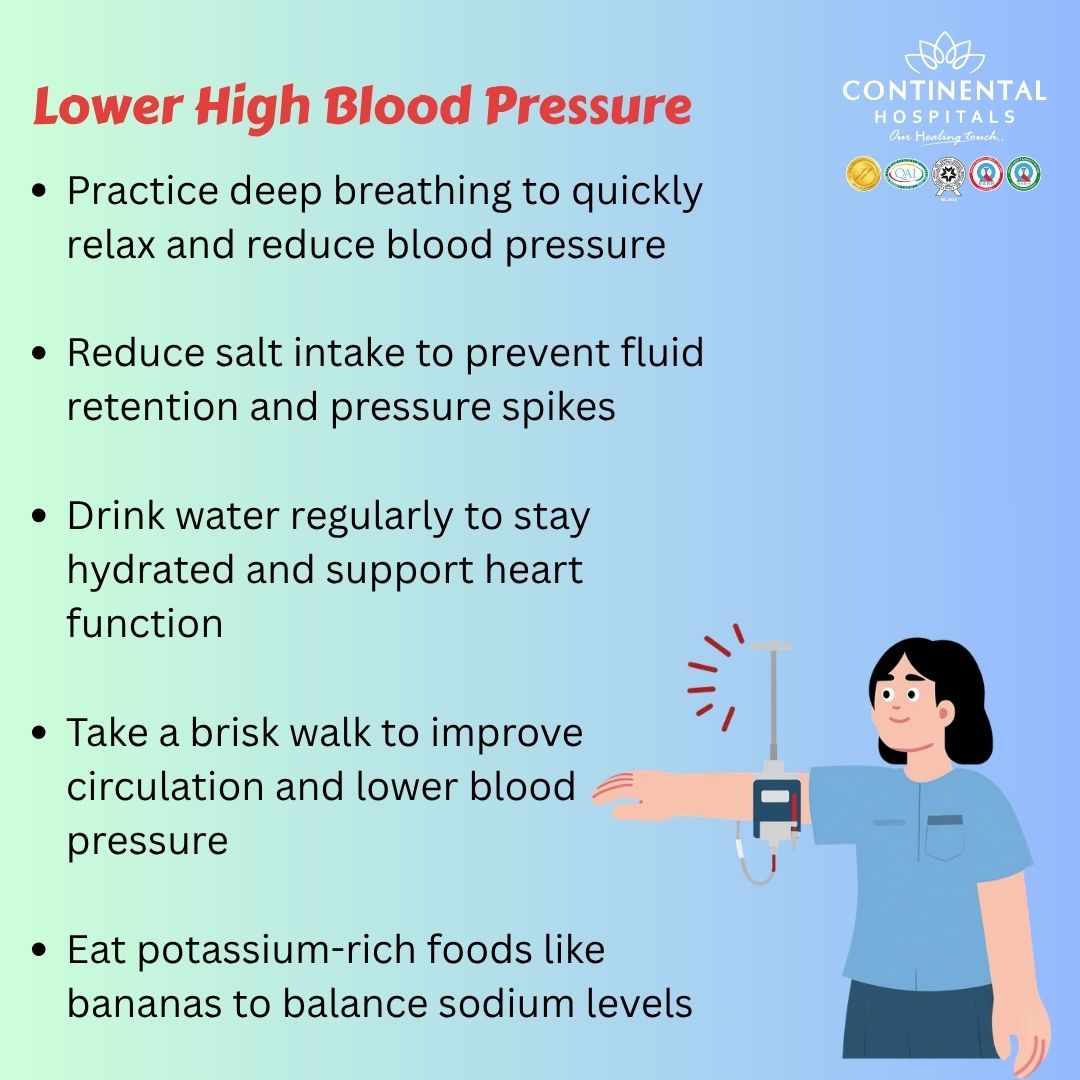
One of the fastest ways to signal your nervous system to calm down is through deep breathing. When you are stressed or anxious, your heart rate increases and your blood vessels constrict, which causes your blood pressure to rise. By taking slow, deliberate breaths, you activate the parasympathetic nervous system.
Find a quiet space and sit comfortably. Inhale deeply through your nose for a count of four, hold for two seconds, and exhale slowly through your mouth for a count of six. Repeating this for just five to ten minutes can help dilate blood vessels and lower high blood pressure by reducing the production of stress hormones like cortisol and adrenaline.
Visit our cardiology department at Continental Hospitals, Hyderabad, for a comprehensive heart check-up and expert guidance toward a healthier, stronger heart today.
2. Increase Your Water Intake
Dehydration is a sneaky culprit behind elevated readings. When the body lacks sufficient fluids, the volume of blood in your system decreases. In response, your brain signals the release of a hormone that causes your blood vessels to constrict. This constriction forces the heart to work harder, leading to an increase in pressure.
Drinking a tall glass of water can help restore blood volume and encourage your kidneys to flush out excess sodium. While water is not a permanent cure for chronic hypertension, maintaining optimal hydration levels is a foundational step to lower high blood pressure naturally.
3. Opt for Potassium-Rich Snacks
Sodium is a well-known enemy of healthy blood pressure, but potassium is its natural equalizer. Potassium helps your body get rid of sodium through urine and eases the tension in your blood vessel walls. If you notice your numbers are high, reaching for a potassium-dense snack can be beneficial.
Bananas, avocados, spinach, and sweet potatoes are excellent sources. Incorporating these into your daily diet helps maintain the delicate balance of minerals required for your heart to pump efficiently. By choosing whole foods over processed snacks, you are actively taking steps to lower high blood pressure.

4. Soak in a Warm Bath or Shower
Heat therapy is a physical way to encourage vasodilation, which is the widening of blood vessels. When you soak in warm water, your body temperature rises slightly, causing your veins and arteries to relax. This physical relaxation allows blood to flow more freely, which reduces the force against the arterial walls.
Avoid water that is excessively hot, as extreme temperatures can sometimes cause a temporary spike in heart rate. A gentle, warm soak for twenty minutes provides a dual benefit: it physically opens up the circulatory system and provides a mental break from the day's stressors.
5. Listen to Calming Music
The environment plays a massive role in how your heart functions. Research has shown that listening to rhythmic, soothing music can lower both heart rate and systolic blood pressure. Whether it is classical music, ambient sounds, or nature recordings, the auditory input helps synchronize your heart's rhythm to a slower pace.
Try to spend fifteen minutes in a dim room with calming music playing in the background. Avoid high-energy or aggressive tracks during this time. This simple atmospheric shift is an effective tool to lower high blood pressure at home by inducing a state of deep relaxation.
6. Perform Gentle Stretching
While intense exercise is great for long-term health, gentle stretching is the key for immediate management. Tight muscles can contribute to a feeling of physical tension that keeps the body in a "fight or flight" mode. Simple neck rolls, shoulder shrugs, and light yoga poses can help release this stored tension.
Focus on movements that do not require significant exertion. The goal is to improve circulation and flexibility without straining the heart. Gentle movement encourages the blood to circulate toward the extremities, taking some of the direct pressure off the central cardiovascular system.
7. Limit Sodium and Caffeine Immediately
If you are monitoring your levels and find them high, it is vital to stop the intake of stimulants or salt for the remainder of the day. Caffeine can cause a short but dramatic increase in blood pressure, even if you do not have chronic hypertension. Similarly, high-sodium foods cause the body to retain fluid, which increases blood volume and pressure.
Check the labels on any snacks or pre-packaged meals. Choosing fresh, whole ingredients ensures you are not accidentally making the situation worse. Reducing these triggers is a primary way to lower high blood pressure naturally while allowing your body to return to its baseline.
Why Choose Continental Hospitals for Hypertension Management?
When it comes to managing cardiovascular health, Continental Hospitals stands out as the best hospital in Hyderabad. We understand that blood pressure management requires more than just a prescription; it requires a comprehensive, patient-centered approach.
World-Class Infrastructure: Our facility is designed to provide a healing environment equipped with the latest diagnostic technology.
Expert Cardiology Team: Our specialists are internationally trained and experienced in managing complex cases of hypertension and its complications.
Accreditations and Standards: Continental Hospitals is proud to hold prestigious JCI and NABH accreditations. These certifications are a testament to our commitment to the highest global standards of patient safety and clinical excellence.
Holistic Care: We don't just treat the numbers; we treat the person. Our nutritionists and lifestyle counselors work alongside our doctors to ensure you have a sustainable plan to lower high blood pressure.
If you are looking for a reliable partner in your health journey, our team provides the expertise and compassion needed to maintain a healthy heart.
Conclusion
Managing blood pressure at home is about making smart, immediate choices that support your body's natural ability to regulate itself. From breathing techniques to dietary adjustments, these steps provide a roadmap for those wondering how to lower blood pressure in the short term. However, home care is not a substitute for professional medical advice. Consistent monitoring and regular check-ups are essential to prevent long-term damage to your arteries and organs.
Are you finding it difficult to keep your readings within a healthy range? Do you need a personalized strategy to manage your cardiovascular health?
Contact our best cardiologist in Hyderabad at Continental Hospitals today for a comprehensive evaluation and expert guidance on your journey to a healthier heart.
Related Blog Topics: