.webp)

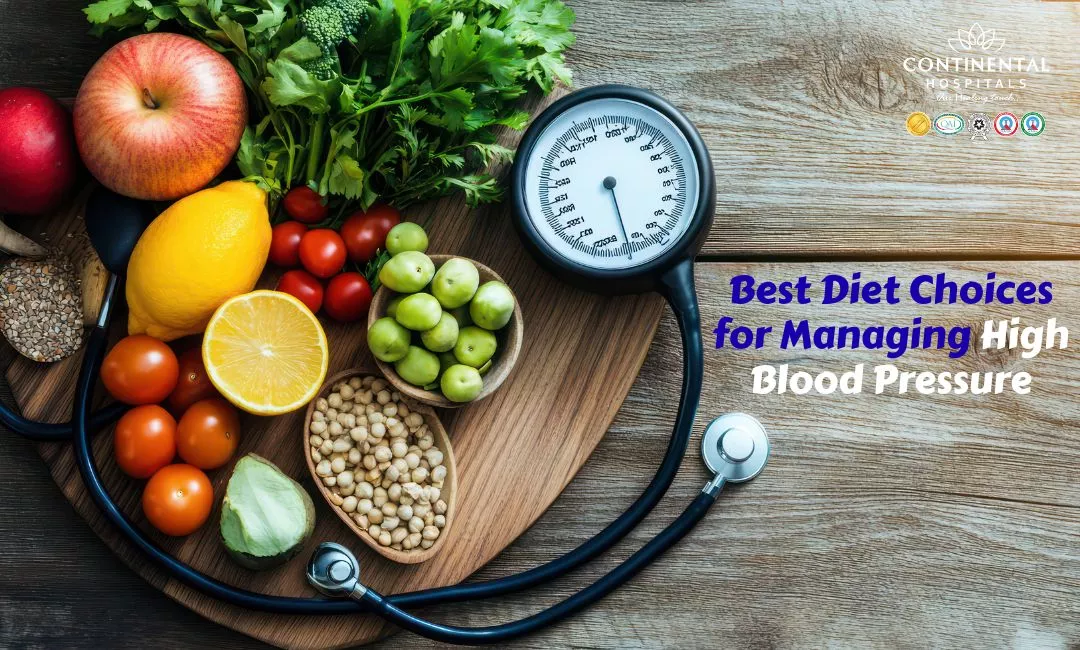
High blood pressure is one of the most common health concerns affecting adults today. Many people do not realize they have high blood pressure until complications develop. It is often called a silent condition because high blood pressure symptoms may not appear clearly in the early stages. If left unmanaged, hypertension can increase the risk of heart disease, stroke, kidney problems, and other serious conditions.
What Is High Blood Pressure?
Blood pressure is the force of blood pushing against the walls of your arteries. When this force stays consistently high, it is called high blood pressure or hypertension. Over time, this extra pressure can damage blood vessels and vital organs.
Common high blood pressure symptoms may include:
• Headaches
• Dizziness
• Shortness of breath
• Chest discomfort
• Blurred vision
However, many people experience no symptoms at all. That is why regular health checkups are important.
If you have high blood pressure, don’t delay care. Visit our Cardiology Department at Continental Hospitals, Hyderabad, for expert, personalized heart care.
Why Diet Matters in Hypertension
Food directly affects blood pressure. Some foods increase sodium levels and fluid retention, which can raise blood pressure. Other foods help relax blood vessels, improve circulation, and support heart function.
If you are wondering how to lower blood pressure naturally, the answer often starts in your kitchen. A carefully planned high blood pressure diet can:

• Reduce strain on the heart
• Improve blood vessel flexibility
• Lower cholesterol levels
• Support healthy weight management
• Reduce the need for excessive medication
At Continental Hospitals, our specialists combine medical treatment with dietary counseling to give patients complete care.
Best Foods for High Blood Pressure
Choosing the best foods for high blood pressure does not mean giving up taste. It means selecting foods that nourish your heart.
Leafy Green Vegetables
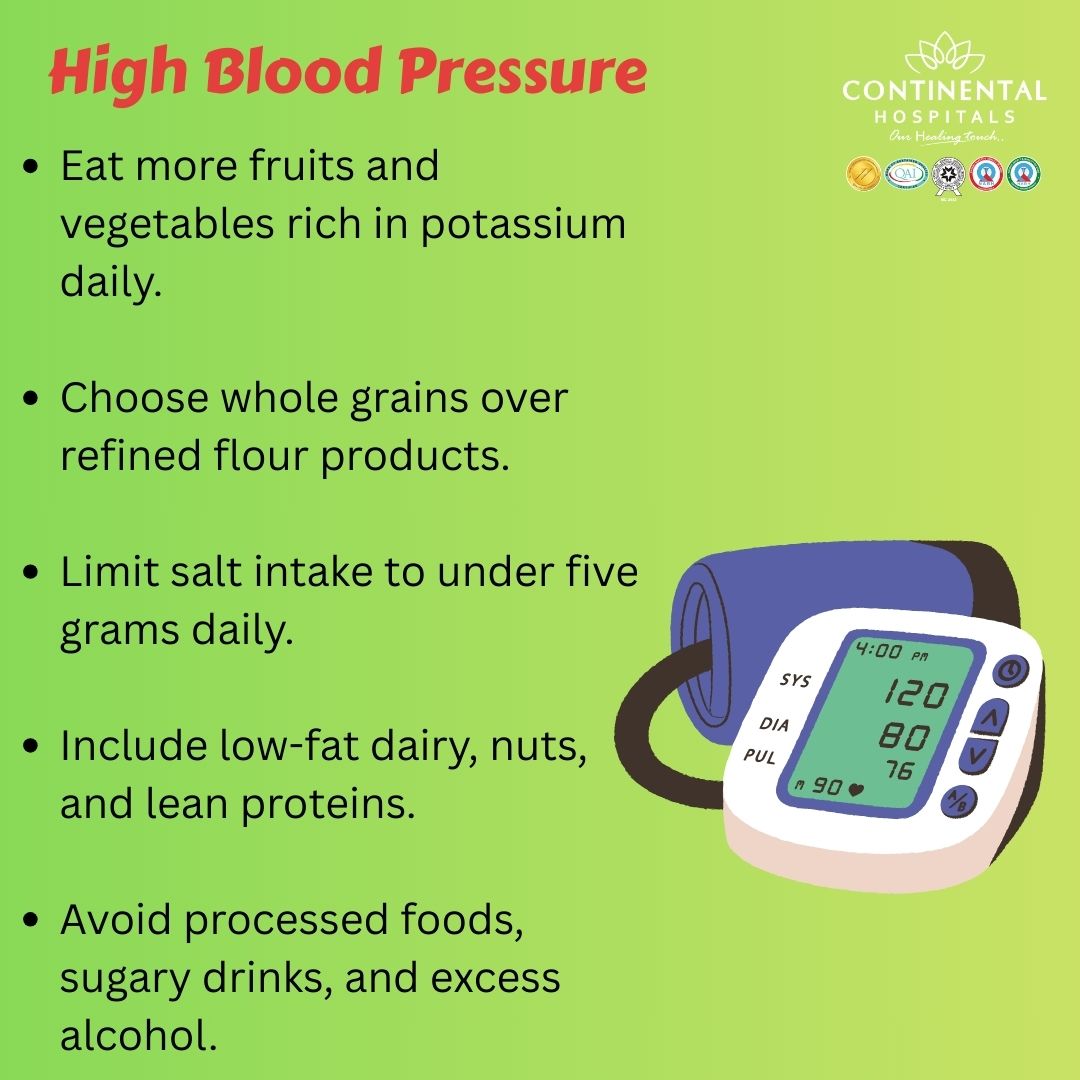
Spinach, kale, and fenugreek leaves are rich in potassium. Potassium helps balance sodium in the body and supports healthy blood pressure levels.
Fresh Fruits
Bananas, oranges, pomegranates, apples, and berries contain antioxidants and fiber. These nutrients help protect blood vessels and reduce hypertension risks.
Whole Grains
Brown rice, oats, whole wheat, and millets provide fiber and help maintain steady blood pressure. Whole grains also help manage weight, which is important in controlling high blood pressure.
Low Fat Dairy Products
Curd and low fat milk are good sources of calcium and protein. Calcium plays a role in regulating blood pressure levels.
Nuts and Seeds
Almonds, walnuts, flaxseeds, and chia seeds contain healthy fats and magnesium. These nutrients support heart health and reduce inflammation.
Legumes and Beans
Chickpeas, lentils, and kidney beans are rich in plant protein and fiber. They are excellent additions to a high blood pressure diet.
Fatty Fish
Fish such as salmon and mackerel contain omega three fatty acids. These healthy fats help lower blood pressure and reduce heart disease risk.
Foods to Limit or Avoid
Managing high blood pressure also means avoiding foods that raise blood pressure levels.
• Excess salt and packaged foods
• Processed snacks and fast food
• Sugary beverages
• Excess red meat
• Deep fried items
• Excess alcohol
Too much sodium is one of the biggest contributors to hypertension. Reading food labels and choosing fresh home cooked meals can help reduce salt intake.
Practical Tips on How to Lower Blood Pressure
Small daily changes can bring lasting results. Here are simple steps to support a healthy high blood pressure diet.
• Use herbs and spices instead of salt for flavor
• Eat more fresh vegetables in every meal
• Choose grilled or steamed foods instead of fried
• Drink adequate water daily
• Maintain a healthy weight
• Practice regular physical activity
• Reduce stress through yoga or meditation
• Monitor blood pressure regularly
When combined with medical supervision, these habits can effectively manage high blood pressure.
Sample Heart Friendly Meal Plan
Morning
Oats with fruits and nuts
Low fat milk
Mid Morning
Fresh fruit or coconut water
Lunch
Brown rice or whole wheat roti
Dal or grilled fish
Mixed vegetable curry
Curd
Evening
Handful of nuts or sprouts salad
Dinner
Vegetable soup
Grilled paneer or legumes
Steamed vegetables
This balanced plan supports blood pressure control and overall wellness.
Importance of Regular Monitoring
Even if you feel healthy, regular blood pressure checks are essential. Many individuals with high blood pressure symptoms ignore mild warning signs. Early diagnosis and lifestyle changes can prevent serious complications.
At Continental Hospitals, Hyderabad, we offer advanced cardiac screening and preventive health programs. Our multidisciplinary team ensures that every patient receives personalized care.
Why Choose Continental Hospitals for Hypertension Care?
Continental Hospitals is recognized as one of the best hospitals in Hyderabad for comprehensive cardiac care. We are accredited by Joint Commission International and National Accreditation Board for Hospitals and Healthcare Providers, reflecting our commitment to global quality standards and patient safety.
Our strengths include:
• Experienced cardiologists and internal medicine specialists
• Advanced diagnostic facilities
• Evidence based treatment protocols
• Dedicated nutrition and lifestyle counseling
• Patient centered approach
• State of the art cardiac care units
We believe that managing high blood pressure requires more than medication. It requires education, guidance, and continuous support.
When Should You See a Doctor?
You should consult a specialist if:
• Your blood pressure readings are consistently high
• You experience frequent headaches or dizziness
• You have a family history of hypertension
• You have diabetes, kidney disease, or heart conditions
• You are unsure how to lower blood pressure safely
Early intervention can prevent long term damage.
Conclusion
High blood pressure is a serious but manageable condition. With the right high blood pressure diet, lifestyle changes, and medical guidance, you can protect your heart and improve your quality of life. Eating the best foods for high blood pressure, reducing salt intake, staying active, and monitoring your health regularly are powerful steps toward better heart health.
If you are experiencing high blood pressure symptoms or have been diagnosed with hypertension, do not ignore it. Consult our best cardiologists at Continental Hospitals, Hyderabad. Our team is committed to providing advanced, compassionate, and personalized care to help you control high blood pressure and live a healthier life.
Book your appointment today at Continental Hospitals and take the first step toward a stronger heart and a healthier future.
Related Blog Topics: