.webp)


Heart disease is one of the leading causes of illness and death across the world. Many people believe that heart disease develops only because of unhealthy lifestyle habits. While diet, exercise, stress, and smoking play a major role, genetics can also influence your heart health. If your parents or close relatives have been diagnosed with heart disease, you may wonder whether you are at risk too. So, is there a genetic link to heart disease? The answer is yes, but understanding how it works can help you take control of your cardiovascular health.
What is heart disease and what should you know about it?
Heart disease refers to several conditions that affect the heart and blood vessels. It includes coronary artery disease, heart rhythm disorders, heart failure, and congenital heart conditions. Cardiovascular disease develops when blood vessels become narrowed or blocked, increasing the risk of heart attack and stroke.
The heart is a strong muscle that pumps blood throughout the body. When arteries become clogged due to cholesterol buildup, the heart does not receive enough oxygen. Over time, this can lead to serious complications.
Visit our Best Cardiology Doctors in Hyderabad at Continental Hospitals for expert evaluation and personalized heart attack prevention. Your heart deserves the best care—book your appointment today.
What Is the Genetic Link to Heart Disease?
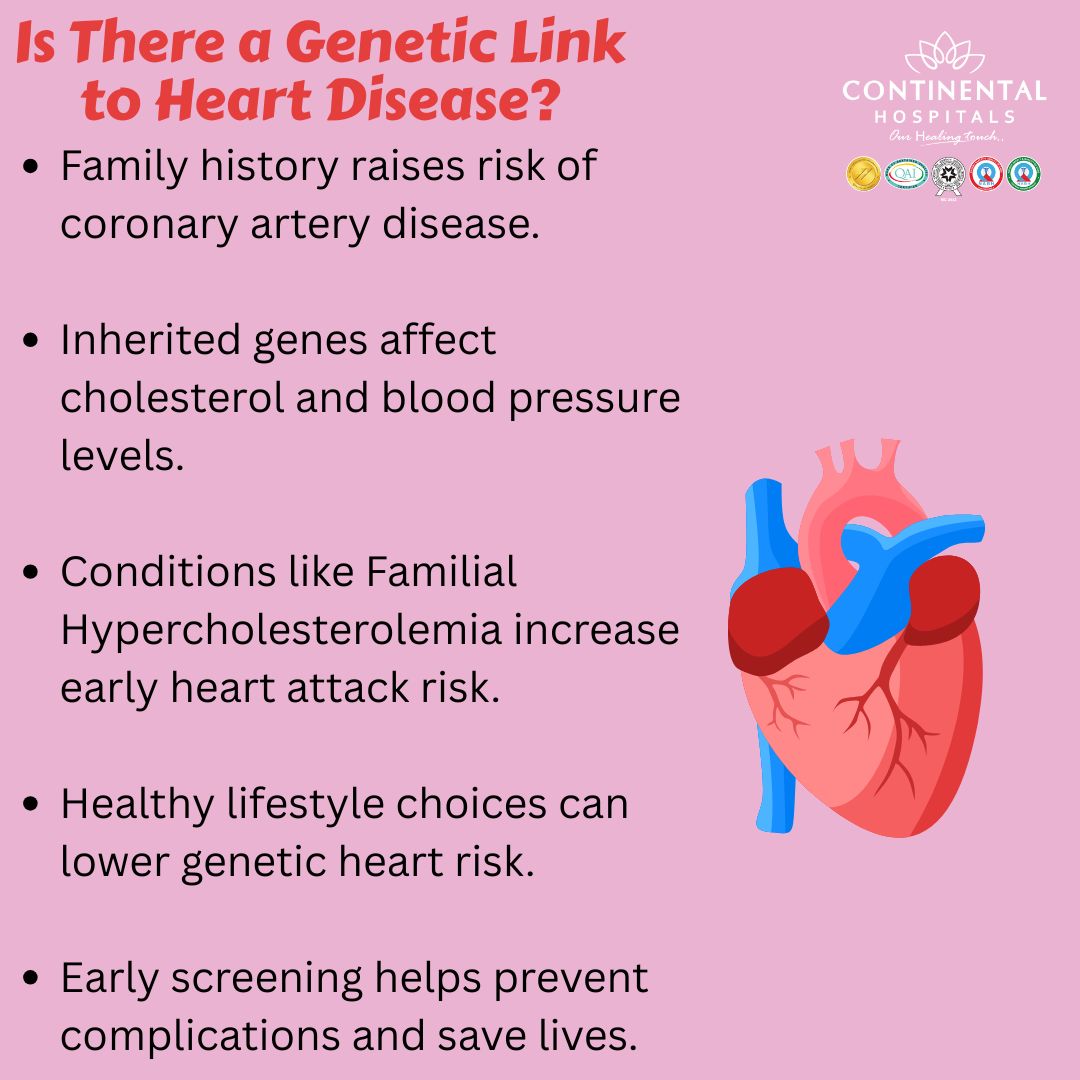
A genetic link to heart disease means that certain inherited genes can increase your risk. If your parents or siblings have heart disease, especially at a younger age, your chances of developing heart disease may be higher.
Genes influence how your body processes cholesterol, controls blood pressure, manages blood sugar, and responds to inflammation. These factors are directly connected to heart health. Some people inherit specific gene mutations that make them more prone to high cholesterol or abnormal heart rhythms.
However, genetics does not guarantee that you will develop heart disease. It simply increases your susceptibility. Lifestyle choices still play a powerful role in determining your overall heart health.
What are the common genetic conditions linked to heart disease?
Certain inherited conditions are strongly connected to cardiovascular disease. These include:

Familial hypercholesterolemia
This condition causes extremely high levels of bad cholesterol from a young age. It significantly raises the risk of early heart disease.
Hypertrophic cardiomyopathy
A genetic disorder where the heart muscle becomes abnormally thick, affecting its ability to pump blood properly.
Inherited arrhythmias
Genetic changes can lead to abnormal heart rhythms that increase the risk of sudden cardiac events.
Congenital heart defects
Some individuals are born with structural heart problems due to inherited gene mutations.
If you have a strong family history of heart disease, early screening becomes very important.
How does family history increase the risk of heart disease?
Family history is one of the strongest indicators of genetic risk. You may have a higher chance of heart disease if:
• A parent or sibling had a heart attack at a young age
• Multiple family members have cardiovascular disease
• There is a history of high cholesterol or high blood pressure in your family
• Close relatives have required bypass surgery or stents
These signs suggest a possible genetic link to heart disease. Sharing your family medical history with your doctor can help guide preventive care.
What Is the Role of Genetic Testing in Heart Disease?
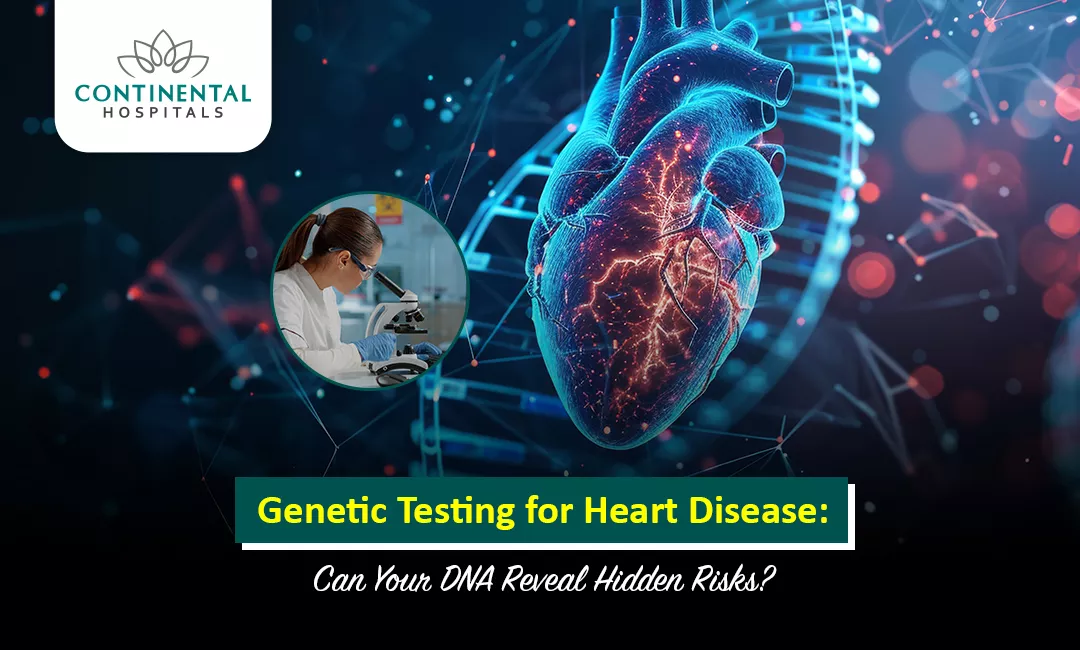
Genetic testing is becoming an important tool in understanding heart disease risk. It can identify inherited gene mutations that increase the likelihood of cardiovascular disease.
Genetic testing may be recommended if:
• You have a strong family history of heart disease
• A close relative experienced sudden cardiac death
• You have extremely high cholesterol at a young age
• You are diagnosed with unexplained heart conditions
The results can help doctors create a personalized heart attack prevention plan. However, genetic testing is not necessary for everyone. A cardiologist will decide if it is appropriate based on your medical history.
Is heart disease caused more by genetics or lifestyle?
Many people assume that if heart disease runs in their family, nothing can be done. This is not true. Even with a genetic link to heart disease, lifestyle changes can significantly lower risk.
Here are powerful steps to protect your heart:
• Eat a balanced diet rich in fruits, vegetables, whole grains, and healthy fats
• Limit saturated fats and processed foods
• Exercise regularly to strengthen the heart
• Maintain a healthy weight
• Avoid smoking and limit alcohol consumption
• Manage stress effectively
• Monitor blood pressure and cholesterol levels
Genes load the gun, but lifestyle pulls the trigger. Taking preventive action can delay or even prevent heart disease.
What are the early warning signs you should not ignore?
If you have a family history of heart disease, pay attention to early symptoms such as:
• Chest discomfort or pressure
• Shortness of breath
• Unusual fatigue
• Palpitations or irregular heartbeat
• Swelling in the legs
Early evaluation improves heart attack prevention and reduces long term complications.
Why are regular heart checkups important?
Preventive screening plays a key role in managing cardiovascular disease. Regular heart health checkups may include:
• Blood pressure measurement
• Lipid profile testing
• Blood sugar testing
• Electrocardiogram
• Echocardiography
• Stress testing
Early detection allows timely treatment and reduces the risk of severe heart disease.
Why Choose Continental Hospitals for Heart Care?
Continental Hospitals is recognized as one of the best hospitals in Hyderabad for advanced heart care. The hospital is known for excellence in cardiology and comprehensive management of heart disease.
Key highlights include:
• NABH accredited and internationally recognized standards of care
• Experienced cardiologists and cardiovascular surgeons
• Advanced cardiac catheterization labs
• Comprehensive heart health screening programs
• Dedicated emergency care for heart attack prevention
• Multidisciplinary approach to cardiovascular disease
The hospital follows strict clinical protocols and patient safety standards. With state of the art diagnostic facilities and evidence based treatment plans, Continental Hospitals ensures high quality care for patients with genetic risk factors and established heart disease.
When Should You See a Cardiologist?
You should consult a cardiologist if:
• You have a strong family history of heart disease
• You have high cholesterol that does not improve with lifestyle changes
• You experience symptoms related to the heart
• You want guidance on genetic testing
• You are concerned about your cardiovascular disease risk
Early consultation improves outcomes and supports long term heart health.
Conclusion
So, is there a genetic link to heart disease? Yes, genetics can increase your risk of heart disease, but it does not decide your future. Understanding your family history, undergoing appropriate screening, and maintaining a healthy lifestyle are powerful tools in protecting your heart.
Heart disease can often be prevented or managed effectively with early intervention. If you have concerns about genetics, heart health, or symptoms related to cardiovascular disease, do not ignore them.
Consult our top cardiologists in Hyderabad at Continental Hospitals for comprehensive evaluation and personalized heart attack prevention strategies. Your heart deserves expert care. Take the first step toward better heart health today.
Related Blog Topics: