.webp)

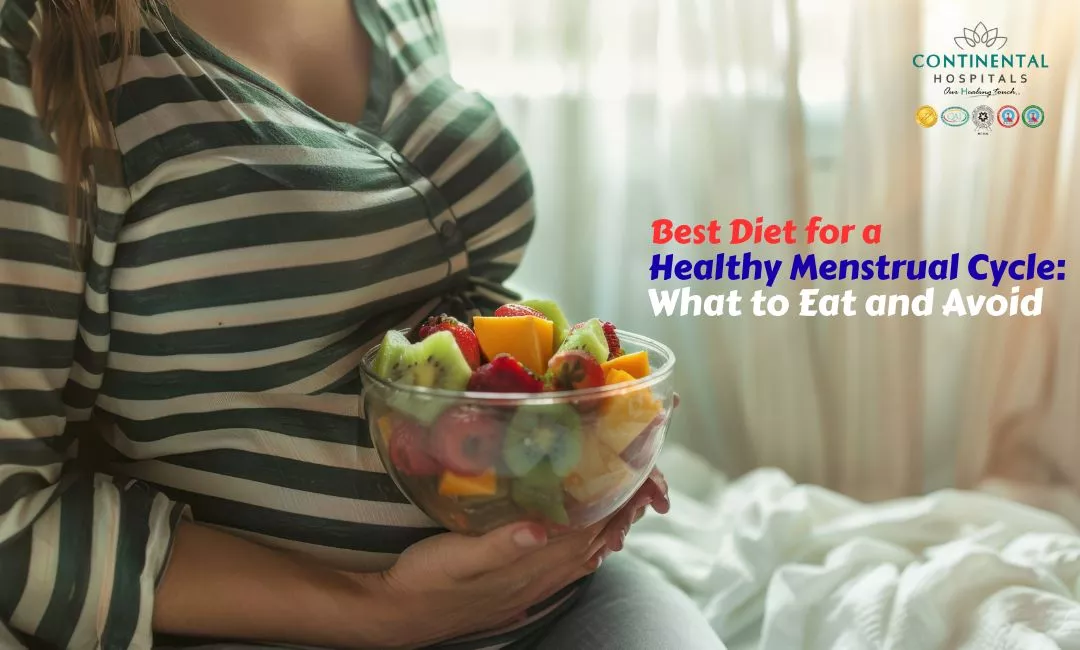
A healthy menstrual cycle is an important sign of overall wellness for women. Nutrition plays a vital role in ensuring that periods are regular and comfortable. Eating the right foods can help manage period pain, prevent irregular cycles, and support hormonal balance. On the other hand, certain foods can worsen bloating, cramps, and fatigue during menstruation. Understanding what to eat and avoid can make a significant difference in your menstrual health.
Why a Healthy Diet Matters for Your Menstrual Cycle
The menstrual cycle depends on balanced hormones, sufficient iron, and essential nutrients. A poor diet can lead to irregular periods, heavy bleeding, or severe period pain. A diet rich in vitamins, minerals, and healthy fats can:
- Support regular menstruation
- Reduce period-related fatigue
- Minimize cramps and bloating
- Improve mood swings and hormonal balance
Visit our Gynecology Department at Continental Hospitals for expert care and solutions for menstrual issues and overall well-being.
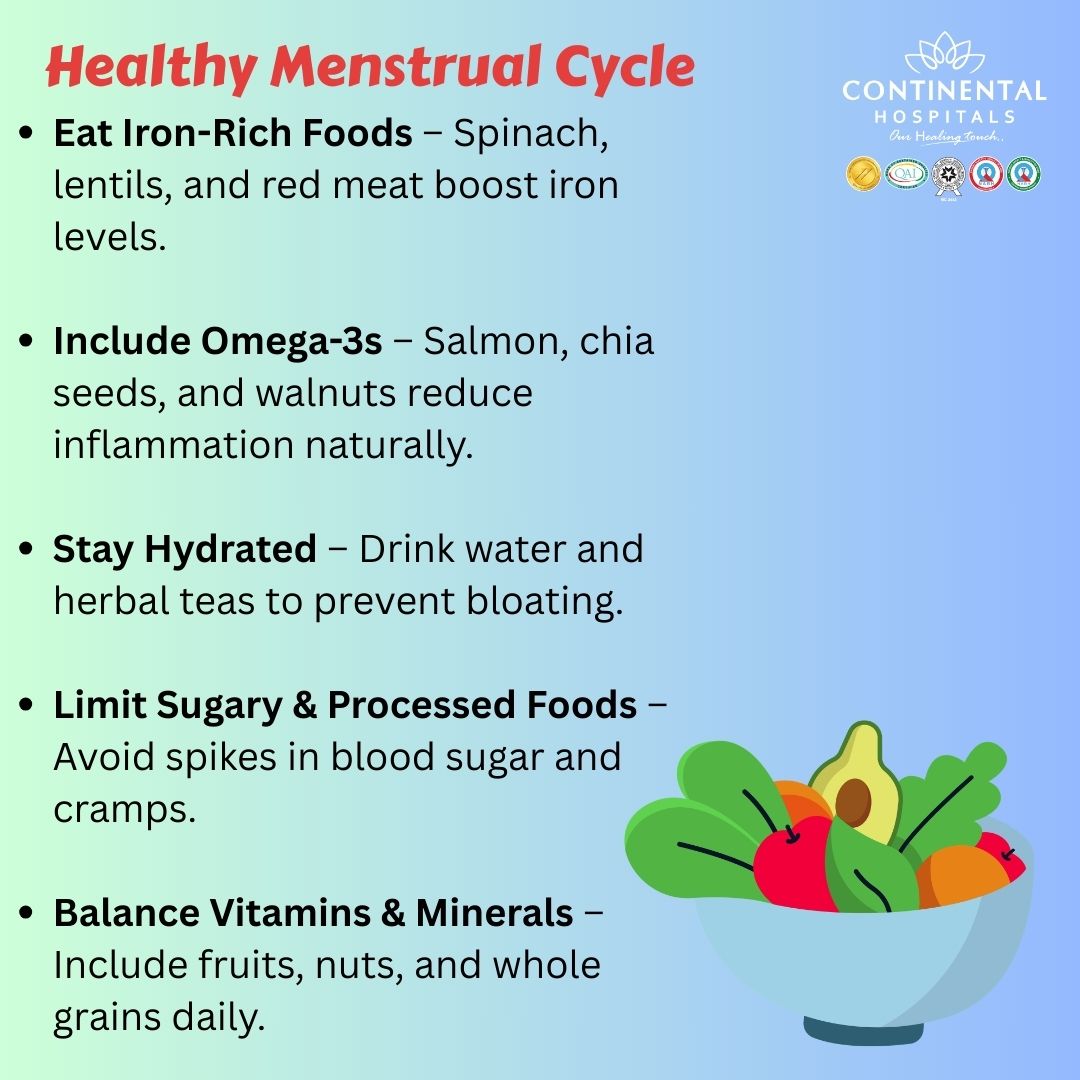
Foods to Include in a Menstrual Cycle Diet Plan
Focusing on nutrient-rich foods can help maintain a smooth menstrual cycle and overall health. Here are the key foods to include:
1. Iron-Rich Foods
Iron is crucial during menstruation as blood loss can lead to anemia. Include:
- Spinach, kale, and other leafy greens
- Lentils, chickpeas, and beans
- Eggs and lean meats
2. Calcium and Magnesium
These minerals help relieve cramps and muscle tension. Foods rich in calcium and magnesium include:

- Yogurt and milk
- Almonds and walnuts
- Dark chocolate in moderation
3. Omega-3 Fatty Acids
Omega-3s reduce inflammation and period pain. Sources are:
- Fatty fish like salmon and mackerel
- Flaxseeds and chia seeds
- Walnuts
4. Complex Carbohydrates
Whole grains help maintain energy levels and prevent sugar cravings. Include:
- Brown rice and oats
- Whole wheat bread and pasta
- Quinoa
5. Vitamin-Rich Fruits and Vegetables
Vitamins A, C, and E help regulate hormones and reduce oxidative stress. Add:
- Citrus fruits like oranges and lemons
- Berries, papaya, and pomegranate
- Carrots, bell peppers, and broccoli
6. Hydration
Staying hydrated reduces bloating and fatigue. Drink plenty of water and herbal teas such as:
- Ginger tea
- Peppermint tea
- Chamomile tea
7. Protein Sources
Protein supports energy and hormone production. Include:
- Eggs, lean chicken, and fish
- Tofu and soy products
- Nuts and seeds
Foods to Avoid During Periods
Certain foods can worsen menstrual symptoms. Avoid:
- High-sugar foods like pastries and soft drinks as they increase bloating and mood swings
- Excessive caffeine which may trigger breast tenderness and anxiety
- Salty and processed foods that can cause water retention and swelling
- Fried and oily foods which can worsen inflammation and period pain
- Red meat in excess as it may increase prostaglandins, intensifying cramps
Sample Menstrual Cycle Diet Plan
Here’s a simple day-wise plan to maintain a healthy menstrual cycle:
Morning:
- Warm water with lemon
- Oatmeal with nuts and fruits
Mid-Morning Snack:
Fresh fruit or a handful of almonds
Lunch:
- Brown rice or quinoa
- Lentil soup
- Steamed vegetables
Evening Snack:
- Herbal tea
- Whole grain crackers with hummus
Dinner:
- Grilled fish or tofu
- Steamed broccoli and spinach
- A small bowl of yogurt
Additional Tips for a Healthy Menstrual Cycle
Regular Exercise
Moderate physical activity such as walking, yoga, or swimming helps reduce period pain and supports hormonal balance.
Manage Stress
Stress can disrupt the menstrual cycle. Practice relaxation techniques such as meditation, deep breathing, or light stretching.
Track Your Cycle
Keeping a period diary helps identify irregularities early and makes it easier to discuss concerns with your gynecologist.
Supplements if Needed
If your diet is lacking, consult your doctor about iron, vitamin D, calcium, or magnesium supplements.
Why Choose Continental Hospitals for Women’s Health?
Continental Hospitals is recognized as one of the best hospitals in Hyderabad for gynecology and women’s health. Our hospital is accredited by leading healthcare organizations ensuring world-class safety and hygiene standards. With highly experienced gynecologists and nutritionists, we provide personalized care for managing menstrual disorders, irregular periods, period pain relief, and hormonal imbalances.
We focus on combining modern technology with compassionate care, offering treatments for all women’s health concerns under one roof. From dietary guidance to advanced medical interventions, we ensure every patient receives the best possible care.
Conclusion
Maintaining a healthy menstrual cycle is achievable with a proper diet, hydration, and lifestyle habits. Including iron-rich foods, vitamins, minerals, and healthy fats while avoiding processed, sugary, and oily foods can make periods more comfortable and regular.
If you experience irregular menstruation, severe period pain, or other menstrual issues, consult our best gynecology specialists at Continental Hospitals. Our experts provide tailored care and guidance to help you maintain a healthy menstrual cycle and overall well-being.
Related Blog Topics: