.webp)


Living with persistent joint discomfort can feel like an uphill battle. When every movement is met with stiffness or a dull ache, it changes how you approach your day. Understanding arthritis is the first step toward reclaiming your mobility. While the term is often used to describe general joint pain, it actually refers to over 100 different conditions that affect the joints and surrounding tissues.
In this guide, we explore the various arthritis treatment pathways available today, ranging from advanced medications to life-changing therapies, ensuring you have the knowledge to make informed decisions about your health.
What are the common types of arthritis?
Before diving into arthritis treatment options, it is essential to distinguish between the two most prevalent forms of the condition:
Osteoarthritis (OA): This is the "wear and tear" variety. It occurs when the protective cartilage that cushions the ends of your bones wears down over time. It most commonly affects the hands, knees, hips, and spine.
Rheumatoid Arthritis (RA): Unlike OA, rheumatoid arthritis is an autoimmune disorder. This means the body’s immune system mistakenly attacks its own joint linings, leading to painful swelling and, eventually, bone erosion or joint deformity.
Regardless of the type, the primary goal of any rheumatoid arthritis treatment or OA management plan is to reduce arthritis pain, prevent joint damage, and improve quality of life.
Visit our rheumatology department at Continental Hospitals, Hyderabad. Get expert care for joint pain and rheumatoid arthritis—start your journey to a pain-free life today.
What medications help relieve arthritis pain?
Medications are often the first line of defense in managing arthritis. Depending on the severity and type of the condition, doctors may recommend a combination of the following:
Non-Steroidal Anti-Inflammatory Drugs (NSAIDs)
These are widely used to combat both inflammation and arthritis pain. They work by blocking enzymes that cause swelling. While some are available over the counter, stronger doses require a professional prescription to ensure they do not impact stomach or heart health.

Disease-Modifying Osteoarthritis Drugs (DMARDs)
Specifically used for rheumatoid arthritis treatment, DMARDs are designed to save joint tissue from being destroyed by the immune system. By slowing the progression of the disease, these medications help patients maintain their independence for longer periods.
Biologic Response Modifiers
Often referred to as "biologics," these are a newer generation of DMARDs. They target specific protein molecules that fuel the inflammatory process. They are highly effective for complex cases of rheumatoid arthritis where traditional medications might not have provided sufficient relief.
Corticosteroids
For rapid relief during a severe flare-up, corticosteroids can be injected directly into the affected joint or taken orally. They suppress the immune system and reduce inflammation quickly, though they are typically used for short-term management.
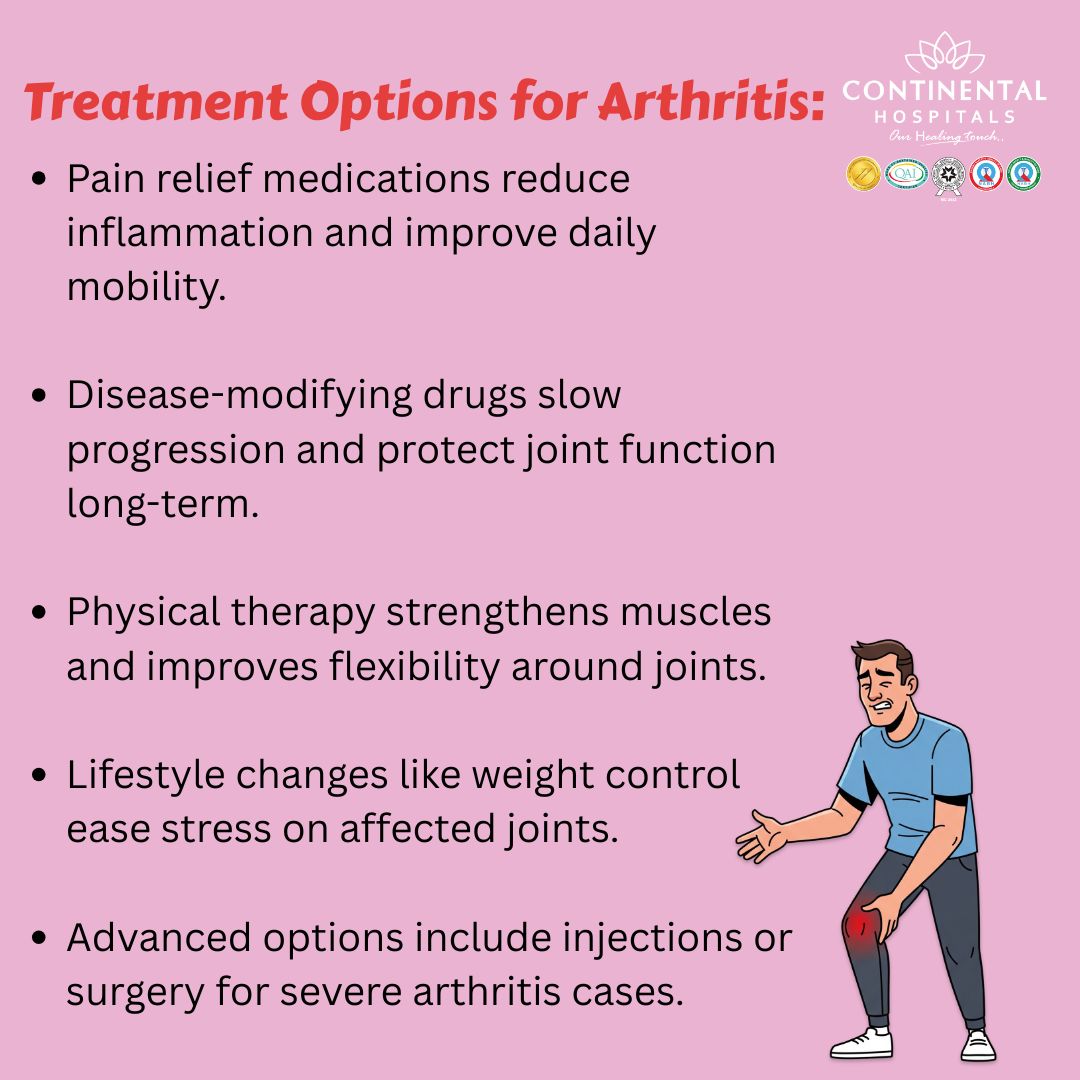
What are the best therapeutic approaches and lifestyle changes for arthritis?
Medication is only one piece of the puzzle. Integrating physical therapies can significantly enhance the effectiveness of your arthritis treatment.
Physical Therapy: A physical therapist designs specific exercises to strengthen the muscles surrounding your joints. Stronger muscles provide better support, which reduces the direct pressure on the joint itself.
Occupational Therapy: If arthritis makes daily tasks like cooking or typing difficult, an occupational therapist can teach you how to adjust your movements or use assistive devices to protect your joints.
Weight Management: Carrying extra weight puts significant stress on weight-bearing joints like the knees and hips. Even a modest reduction in weight can lead to a dramatic decrease in arthritis pain.
Low-Impact Exercise: Activities such as swimming, cycling, and walking keep joints flexible without the jarring impact of running or high-intensity sports.
Why Choose Continental Hospitals for Arthritis Care?
When seeking the best hospital in Hyderabad for bone and joint health, Continental Hospitals stands out as a leader in clinical excellence. Managing a chronic condition requires more than just a prescription. it requires a multidisciplinary team dedicated to your long-term wellness.
World-Class Accreditations
Continental Hospitals is proud to be a facility that adheres to the highest global standards. We are accredited by the Joint Commission International (JCI) and the National Accreditation Board for Hospitals & Healthcare Providers (NABH). These certifications are a testament to our commitment to patient safety, hygiene, and international protocols in medical care.
Advanced Diagnostic Tools
Effective arthritis treatment begins with an accurate diagnosis. We utilize high-resolution imaging and specialized blood panels to identify the exact markers of rheumatoid arthritis and other inflammatory conditions.
Comprehensive Care Team
Our rheumatologists and orthopedic surgeons work side-by-side with physiotherapists and nutritionists. This 360-degree approach ensures that every aspect of your health is considered, from the shoes you wear to the nutrients you consume.
Innovations in Joint Care
The field of arthritis treatment options is constantly evolving. At Continental Hospitals, we stay at the edge of medical innovation. From regenerative medicine to minimally invasive joint replacement surgeries, we offer solutions for every stage of the condition.
For patients with advanced joint degradation, our surgical suites are equipped with robotic-assisted technology. This allows for unparalleled precision, which typically results in less post-operative pain and a much faster return to daily activities.
How can I manage my joint health effectively?
To stay ahead of the progression of arthritis, consider these essential steps:
Early Intervention: The sooner you begin rheumatoid arthritis treatment, the better your chances of preventing permanent joint deformity.
Stay Active: Movement is medicine. Keep your joints lubricated through regular, gentle motion.
Balanced Nutrition: An anti-inflammatory diet rich in Omega-3 fatty acids, antioxidants, and fiber can help manage swelling from within.
Regular Monitoring: Periodic check-ups allow your doctor to adjust your arthritis treatment plan as your needs change over time.
How Can You Move Toward a Pain-Free Future with Arthritis?
Arthritis does not have to mean the end of an active lifestyle. With the right combination of arthritis treatment and professional guidance, you can manage symptoms effectively. Whether it is through the latest pharmacological breakthroughs or a dedicated physical therapy regimen, the goal remains the same: keeping you moving comfortably.
If you are experiencing persistent stiffness, unexplained swelling, or chronic arthritis pain, do not wait for the symptoms to worsen. Early diagnosis is the most powerful tool in your medical arsenal.
Conclusion
Your journey toward better joint health starts with choosing a partner who understands the complexities of the human musculoskeletal system. By combining expert medical knowledge with a patient-centric approach, Continental Hospitals ensures that every individual receives a personalized roadmap to recovery.
If you suffer from joint pain or have been diagnosed with rheumatoid arthritis, consult our best rheumatologist in Hyderabad at Continental Hospitals today. Experience the care of the best hospital in Hyderabad and take your first step toward a more mobile, pain-free life.
Related Blog Topics: