.webp)

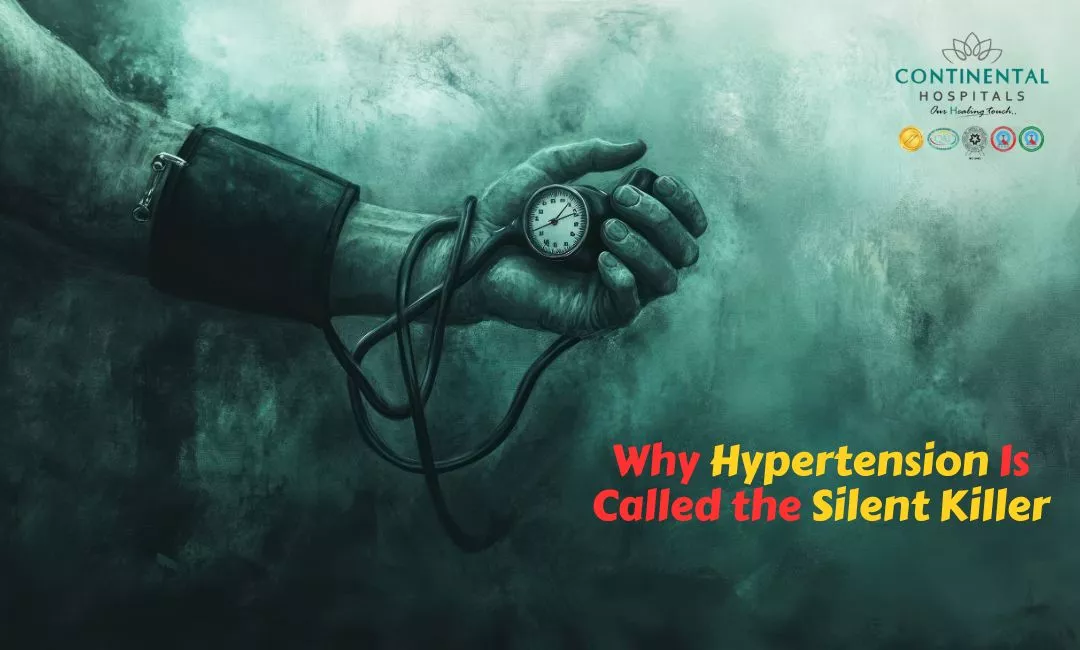
High blood pressure affects millions of people globally, yet a significant percentage of those living with it have no idea. This is precisely why medical professionals refer to hypertension as the silent killer. It quietly damages the cardiovascular system for years before any obvious symptoms emerge, often leading to life-threatening complications like heart attacks or strokes without a single warning sign.
Understanding the mechanics of hypertension and why it remains hidden is the first step toward long-term health and wellness.
What Exactly Is Hypertension?
At its core, hypertension is a condition where the force of the blood against your artery walls is consistently too high. Think of your circulatory system like the plumbing in a house. If the water pressure is turned up too high for too long, the pipes start to wear out, weaken, or even burst. In the human body, your arteries are the pipes.
When you have hypertension, your heart has to work much harder to pump blood. Over time, this extra effort thickens the heart muscle and damages the lining of the blood vessels throughout your body.
Visit our expert cardiology department at Continental Hospitals, Hyderabad for advanced heart screening, accurate diagnosis, and personalized care for a healthier heart.
Why Is It Called the Silent Killer?
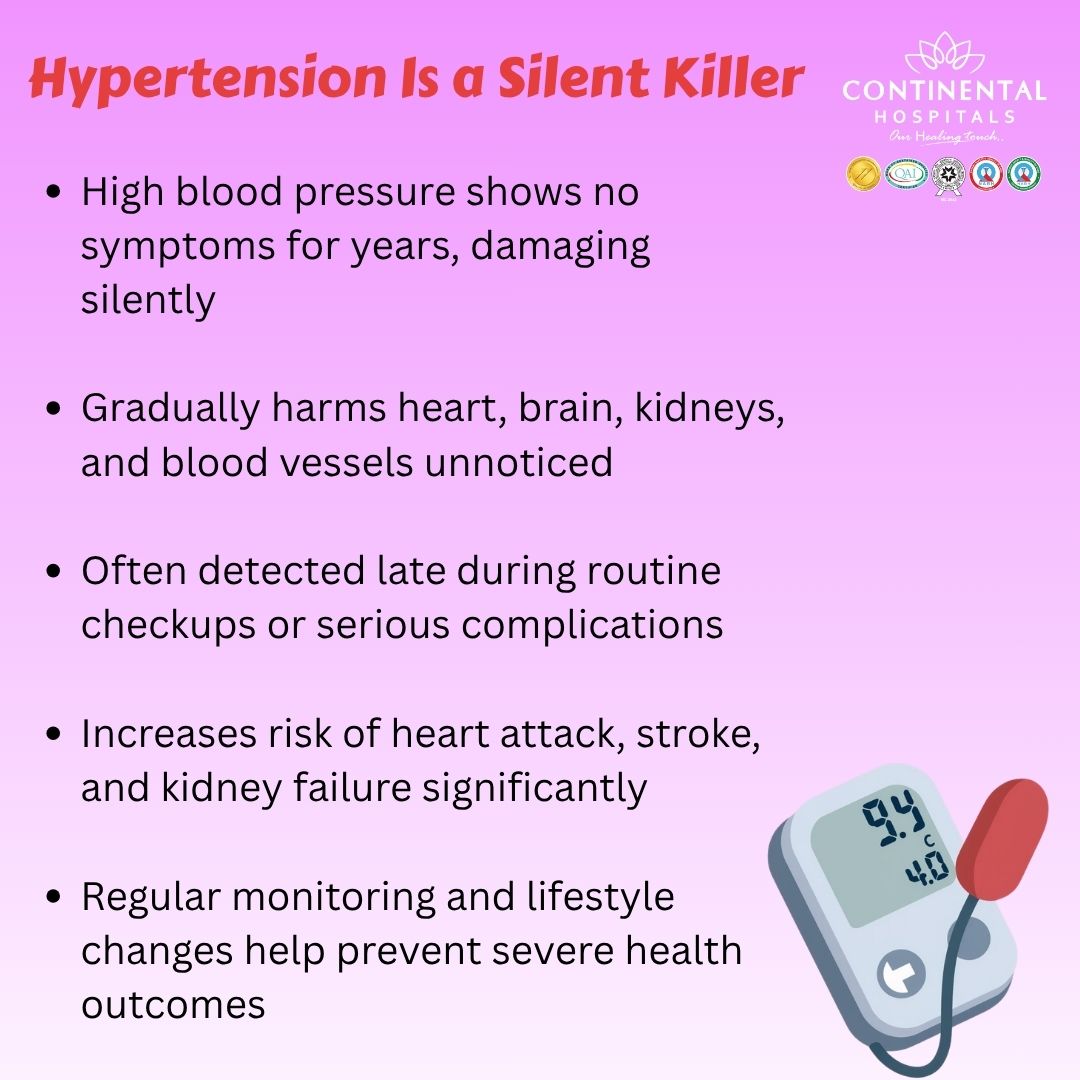
The primary danger of hypertension lies in its lack of symptoms. Most people believe they would feel "stressed," "flushed," or have a headache if their blood pressure were high. However, clinical data shows that hypertension usually presents no physical signs until an internal organ is already damaged. You could be living with dangerously high blood pressure for a decade and feel perfectly fine, even as your arteries are being narrowed and scarred.
Recognizing the Hidden Signs
While hypertension is famous for being symptomless, extremely high levels of blood pressure—often called a hypertensive crisis—can lead to certain physical markers. It is vital to monitor these, as they indicate that the condition has reached a critical stage.
- Severe headaches that do not go away with standard care
- Shortness of breath during mild physical activity
- Nosebleeds that occur without an obvious cause
- Visual changes or blurred vision
- Chest pain or a feeling of heaviness
- Dizziness or a pulsating feeling in the neck or ears
If you experience these, it is a sign that hypertension has already begun to strain your system significantly. Regular screening is the only way to catch it before it reaches this point.

Common Causes and Risk Factors
Understanding the causes of hypertension helps in both prevention and management. While some factors are beyond our control, many are directly related to lifestyle choices.
Factors You Cannot Change
Age: The risk of hypertension increases as you get older because arteries naturally lose some of elasticity.
Genetics: A family history of high blood pressure makes you more likely to develop the condition.
Ethnicity: Certain populations have a statistically higher predisposition to elevated blood pressure.
Lifestyle Factors You Can Manage
High Salt Intake: Excess sodium causes the body to retain fluid, which increases blood pressure.
Lack of Physical Activity: An inactive lifestyle leads to a higher heart rate, making the heart work harder with every contraction.
Tobacco and Alcohol: Both substances cause immediate spikes in blood pressure and damage the artery walls over time.
Stress: Chronic stress keeps the body in a state of high alert, which can contribute to long-term hypertension.
How Hypertension Affects Your Body
If left unmanaged, hypertension acts as a gateway to several other severe health conditions. The damage is cumulative and affects various organ systems.
The Heart
When the heart faces constant resistance from hypertension, it can lead to coronary artery disease. The arteries become narrow, limiting blood flow to the heart muscle. This can eventually result in heart failure or a sudden heart attack.
The Brain
Hypertension is the leading cause of strokes. It can cause a blood vessel in the brain to burst or lead to a blood clot that blocks blood flow. Chronic high blood pressure is also linked to vascular dementia.
The Kidneys
Your kidneys rely on healthy blood vessels to filter waste from your blood. Hypertension can scar these small vessels, leading to kidney disease or total kidney failure.
Taking Control: Prevention and Management
The good news is that hypertension is one of the most manageable medical conditions. Small, consistent changes can have a massive impact on your numbers.
Monitor Your Numbers: Buy a home blood pressure cuff or visit a clinic regularly. Knowledge is the best defense against a silent condition.
The DASH Diet: Focus on fruits, vegetables, whole grains, and lean proteins while strictly limiting salt and saturated fats.
Stay Active: Aim for at least thirty minutes of moderate exercise most days of the week. This keeps your heart efficient and your arteries flexible.
Weight Management: Losing even a small amount of weight can significantly lower hypertension levels.
Limit Caffeine and Alcohol: Reducing these stimulants helps maintain a steadier heart rate and lower pressure.
Why Choose Continental Hospitals for Hypertension Management?
When dealing with a condition as serious as hypertension, where you receive care matters. Continental Hospitals stands as a premier destination for cardiac and vascular health.
Advanced Accreditations
Continental Hospitals is widely recognized for its commitment to international standards of safety and excellence. We hold the prestigious JCI (Joint Commission International) accreditation, which is the gold standard in global healthcare. Additionally, our NABH (National Accreditation Board for Hospitals & Healthcare Providers) accreditation ensures that every patient receives the highest quality of clinical care and safety. These certifications are a testament to our rigorous protocols in managing chronic conditions like hypertension.
Comprehensive Cardiac Care
We provide a holistic approach to blood pressure management. From advanced diagnostic screenings to personalized nutrition plans, our team ensures that hypertension is tackled from every angle. Our facility is equipped with state-of-the-art technology to detect early arterial changes, allowing for intervention long before complications arise.
Expert Team
Our specialists are experienced in treating complex cases of hypertension that may be resistant to standard treatments. We focus on evidence-based medicine to provide long-term solutions for our patients.
Conclusion
The silent nature of hypertension is its most dangerous trait. By the time symptoms appear, the damage to your heart, brain, or kidneys may already be significant. However, through regular checkups, a healthy lifestyle, and expert medical guidance, you can effectively silence this killer. Taking a proactive stance today ensures a healthier, more vibrant future.
If you suffer from persistent headaches or chest discomfort or have a family history of high blood pressure, do not wait for symptoms to worsen. Early detection is the key to longevity.
Consult our best cardiologist in Hyderabad at Continental Hospitals, the best hospital in Hyderabad, for comprehensive screening and personalized care.
Related Blog Topics: