.webp)

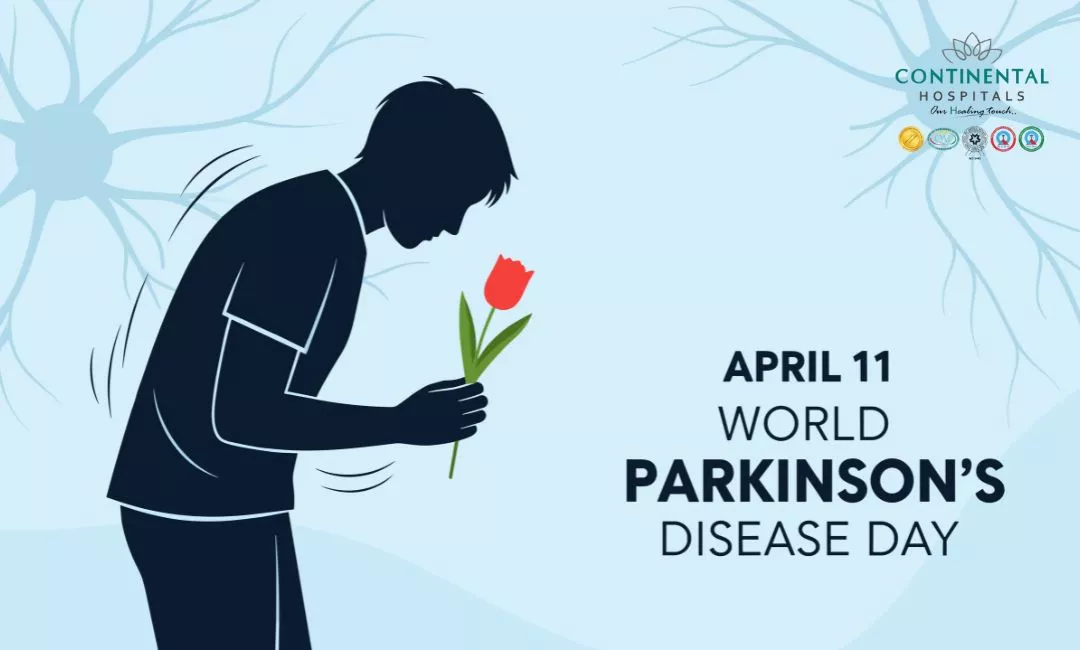
World Parkinson’s Day 2026 is an important global health observance that shines a light on Parkinson’s disease, its challenges, and the urgent need for better care systems. Every year, World Parkinson’s Day encourages awareness, early diagnosis, and improved treatment strategies for people living with Parkinson’s.
The theme for World Parkinson's Day 2026, Bridging The Care Gap, highlights a critical issue. Many patients still face delays in diagnosis, limited access to specialists, and gaps in long-term support. Addressing these gaps can significantly improve quality of life and disease outcomes.
What is Parkinson’s disease?
Parkinson’s disease is a progressive neurological condition that affects movement, balance, and coordination. It occurs due to the gradual loss of dopamine-producing nerve cells in the brain.
Common symptoms include
• Tremors in hands or limbs
• Slowed movement or stiffness
• Balance and posture issues
• Changes in speech and writing
As the disease progresses, patients may also experience non-motor symptoms such as sleep disturbances, mood changes, and memory concerns.
Visit our neurology department at Continental Hospitals, Hyderabad for expert care, early diagnosis, and advanced Parkinson’s treatment to improve your quality of life.
Why World Parkinson’s Day 2026 Matters
World Parkinson’s Day 2026 is not just about awareness. It is about action. The focus on Bridging The Care Gap aims to ensure that every patient receives timely, effective, and compassionate care.
Key goals of world parkinson’s day 2026 include
• Promoting early diagnosis and intervention
• Improving access to neurologists and rehabilitation services
• Encouraging caregiver support systems
• Advancing research and treatment innovations
Many patients still ask, why is Parkinson’s diagnosed late?
The answer lies in lack of awareness, misinterpretation of early symptoms, and limited access to specialized care.

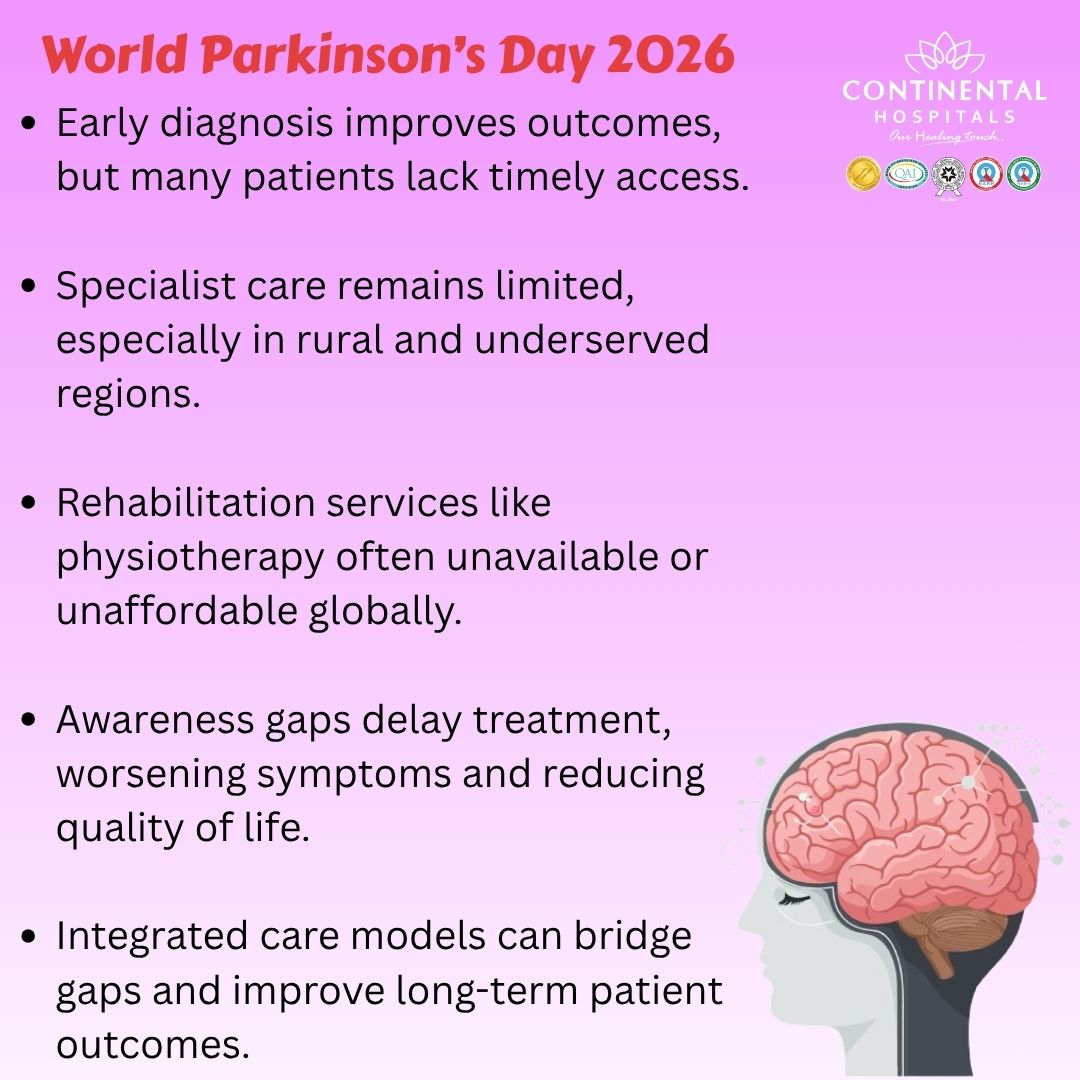
Understanding the Care Gap in Parkinson’s
The care gap in Parkinson’s disease refers to the difference between the care patients need and the care they actually receive.
Major gaps include
Limited Awareness: Early symptoms are often ignored or mistaken for normal aging. This leads to delayed diagnosis.
Access to Specialists: Not all patients can easily consult neurologists or movement disorder experts.
Treatment Continuity: Parkinson’s requires long term care, but many patients lack consistent follow up.
Rehabilitation Support: Physiotherapy, speech therapy, and occupational therapy are essential but often underutilized.
Caregiver Burden: Families often struggle without proper guidance or emotional support.
Early Signs You Should Not Ignore?
Recognizing early symptoms can help in timely diagnosis and better management.
Watch for these warning signs
• Mild tremors even at rest
• Reduced facial expressions
• Slower walking or dragging feet
• Soft or low voice
• Difficulty in daily activities
If you notice these signs, consulting a specialist early can make a significant difference.
Bridging The Care Gap: What Needs to Change?
To truly support patients, healthcare systems must focus on closing these gaps.
Stronger Awareness Campaigns: Educational programs can help people identify symptoms early and seek medical help.
Integrated Care Approach: Combining neurology, rehabilitation, and mental health support ensures holistic treatment.
Use of Technology: Telemedicine and digital health tools can improve access to specialists, especially in remote areas.
Personalized Treatment Plans: Each patient’s symptoms and progression are different. Tailored care plans improve outcomes.
Support for Caregivers: Training and counseling can empower families to provide better care.
Advanced Treatment Options for Parkinson’s
Treatment for Parkinson’s disease has evolved significantly. While there is no cure yet, several options can help manage symptoms effectively.
Medication Therapy
Drugs that increase or substitute dopamine levels help control symptoms.
Deep Brain Stimulation
A surgical option for advanced cases that helps regulate abnormal brain activity.
Rehabilitation Therapies
Physiotherapy improves mobility and balance
Speech therapy helps communication
Occupational therapy supports daily activities
Lifestyle Modifications
Regular exercise, balanced diet, and stress management play a key role in improving quality of life.
Why Choose Continental Hospitals for Parkinson’s Care?
When it comes to managing Parkinson’s disease, choosing the right hospital is crucial. Continental Hospitals stands out as one of the best hospitals in Hyderabad for comprehensive neurological care.
Expert Neurology Team: Highly experienced neurologists and specialists provide accurate diagnosis and advanced treatment.
Multidisciplinary Approach: Care includes neurologists, physiotherapists, speech therapists, and rehabilitation experts working together.
Advanced Technology: State of the art diagnostic tools and treatment options ensure precise care.
Accreditations and Quality Standards: Continental Hospitals is recognized for maintaining high standards in patient care and safety. The hospital holds prestigious national and international accreditations, reflecting its commitment to clinical excellence, advanced infrastructure, and global healthcare protocols.
Patient Centric Care: Every treatment plan is tailored to individual patient needs, ensuring better outcomes and comfort.
Comprehensive Rehabilitation: Dedicated rehabilitation programs help patients regain independence and improve quality of life.
Living Well with Parkinson’s?
Many people wonder, can you live a normal life with Parkinson’s?
Yes, with early diagnosis, proper treatment, and lifestyle changes, patients can lead active and fulfilling lives.
Tips for better living
• Stay physically active with regular exercise
• Follow a healthy and balanced diet
• Maintain a consistent medication schedule
• Engage in social and mental activities
• Seek support from healthcare professionals and caregivers
The Role of Family and Caregivers
Caregivers play a vital role in managing Parkinson’s disease.
How can caregivers help?
• Assist with daily activities
• Monitor symptoms and medication
• Provide emotional support
• Encourage regular medical visits
• Help maintain a positive environment
Supporting caregivers is equally important to ensure long term care success.
The Future of Parkinson’s Care
World Parkinson’s Day 2026 emphasizes innovation and collaboration in healthcare.
Future directions include
• Development of new medications
• Advances in brain stimulation therapies
• Improved diagnostic techniques
• Greater focus on patient education
• Expansion of telehealth services
Bridging the care gap requires collective efforts from healthcare providers, policymakers, patients, and families.
Conclusion
World Parkinson’s Day 2026 serves as a powerful reminder that Parkinson’s disease is not just a medical condition but a life changing journey that requires continuous care and support. The theme Bridging The Care Gap calls for urgent action to ensure that no patient is left behind.
Improving awareness, strengthening healthcare systems, and providing comprehensive care can transform the lives of people living with Parkinson’s.
If you or your loved one is experiencing symptoms of Parkinson’s disease, do not delay seeking medical help.
Consult our best neurologist in Hyderabad at Continental Hospitals, Hyderabad, for expert evaluation, accurate diagnosis, and advanced treatment options. Early intervention can make a significant difference in managing Parkinson’s and improving quality of life.