.webp)

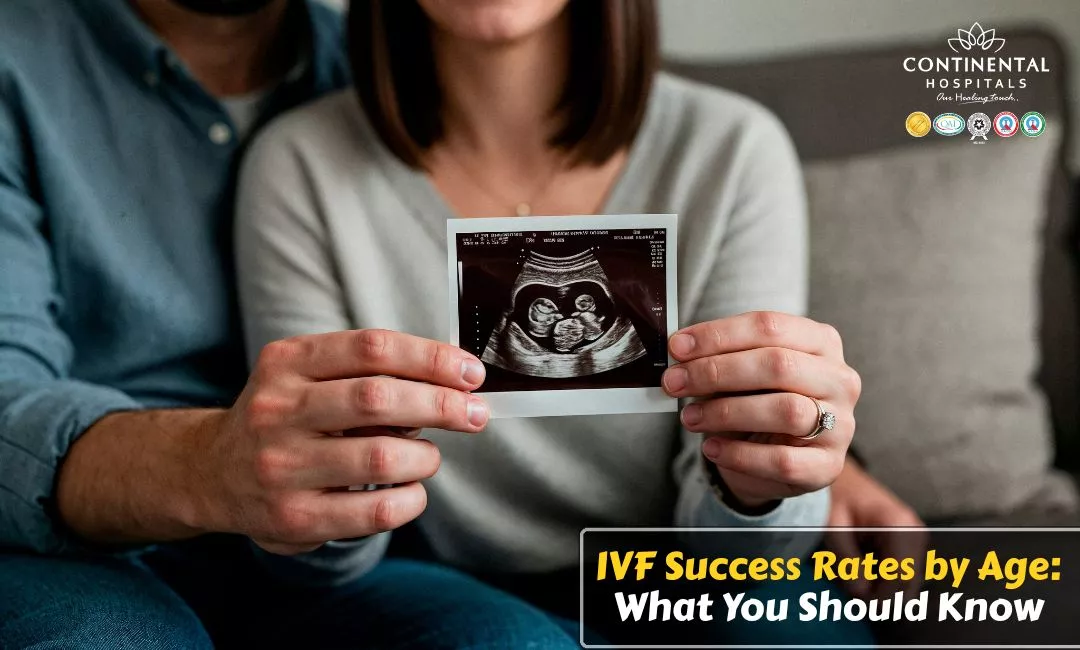
The journey toward parenthood is a deeply personal one. For many individuals and couples, in vitro fertilization (IVF) offers a path toward building a family when natural conception becomes a challenge. One of the most critical factors influencing the outcome of this journey is age. Understanding how age affects ivf success rates is essential for setting realistic expectations and making informed decisions about reproductive health.
At Continental Hospitals, recognized as the best hospital in Hyderabad, we believe in empowering patients with clear, evidence-based information. This guide explores the relationship between maternal age and IVF outcomes, the biological factors at play, and how specialized care can optimize your chances of success.
The Biological Connection Between Age and Fertility
Fertility is closely linked to the quality and quantity of a woman's eggs, both of which naturally decline over time. This decline is a biological reality that directly impacts ivf success rates.
Women are born with a finite number of eggs. By the time a woman reaches her mid-thirties, the rate of egg loss increases. Furthermore, the remaining eggs are more likely to have chromosomal abnormalities. During the IVF process, these factors influence how many eggs are retrieved, how well they fertilize, and the likelihood of a healthy embryo implanting in the uterus.
While these biological shifts are natural, advancements in reproductive technology have made it possible for women across various age groups to achieve successful pregnancies. The key lies in early intervention and personalized treatment protocols.
Breaking Down IVF Success Rates by Age
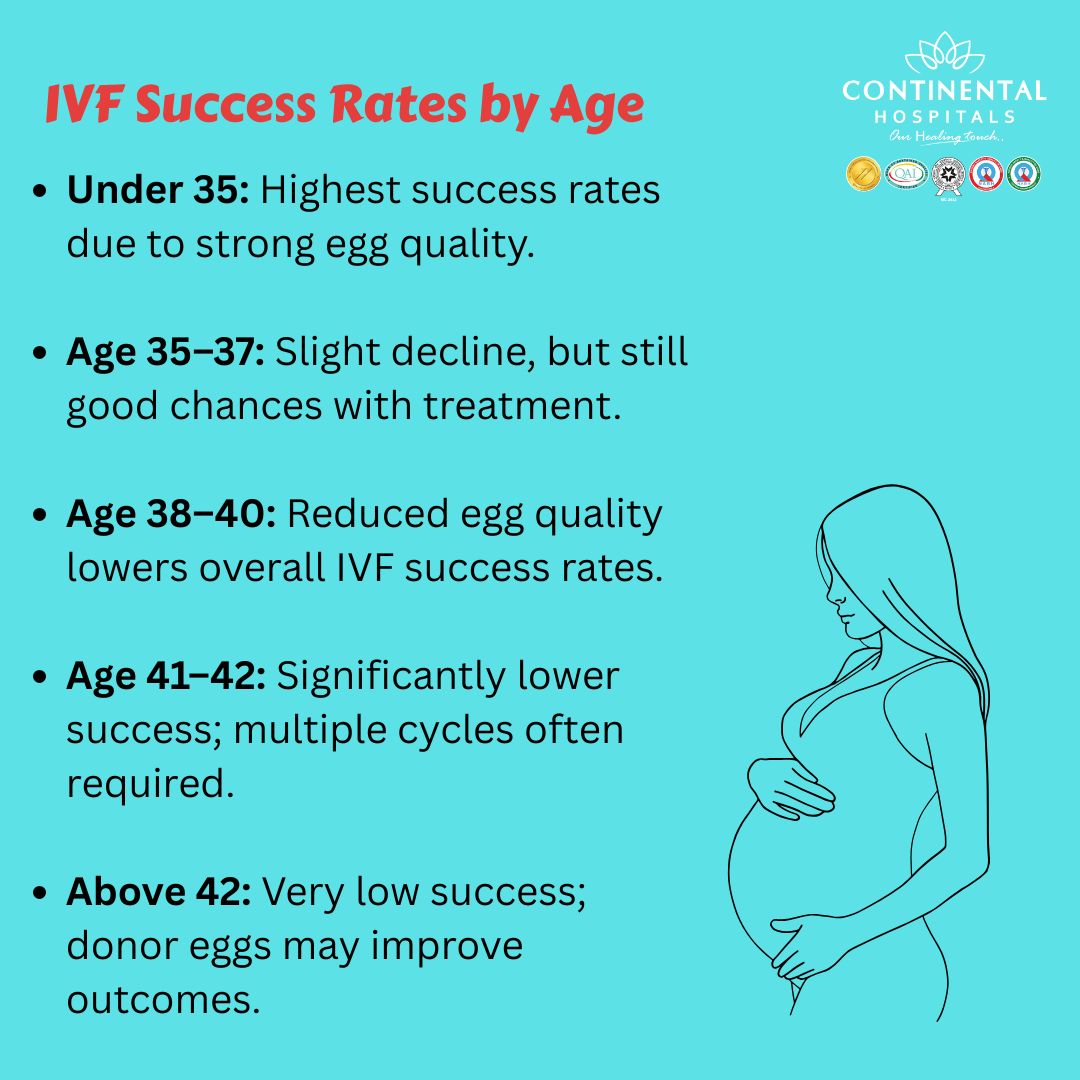
Statistical data consistently shows that younger patients generally experience higher ivf success rates. However, every individual is unique, and age is just one piece of the puzzle.
Women Under 35: This age group typically sees the highest probability of success. The eggs are generally more robust, leading to a higher number of healthy embryos.
Women Aged 35 to 37: While there is a slight dip in natural fertility, ivf success rates remain strong for women in this bracket. Proactive planning is often recommended during this stage.
Women Aged 38 to 40: Success is still very much achievable, though it may require more tailored interventions. Fertility specialists often look closely at ovarian reserve markers to customize the stimulation process.

Women Over 40: At this stage, the focus shifts toward maximizing the quality of the fewer remaining eggs. In some cases, specialists may discuss alternative options to ensure the best possible outcome for the patient.
The IVF Process: A Step-by-Step Overview
Understanding the IVF process can help alleviate some of the stress associated with treatment. It is a structured journey designed to give the egg and sperm the best possible environment for fertilization.
Ovarian Stimulation: Medications are used to encourage the ovaries to produce multiple eggs.
Egg Retrieval: A minor procedure is performed to collect the mature eggs.
Fertilization: The eggs are fertilized with sperm in a controlled laboratory setting.
Embryo Culture: The fertilized eggs, now embryos, are monitored as they grow for several days.
Embryo Transfer: One or more healthy embryos are placed into the uterus.
Throughout this cycle, focusing on ivf tips for success such as maintaining a balanced diet, managing stress, and following medication schedules precisely can play a supportive role in the outcome.
Factors Beyond Age That Influence IVF Success
While age is a primary driver, several other factors contribute to ivf success rates. A comprehensive evaluation by a fertility specialist can identify these variables early on.
Ovarian Reserve: This refers to the remaining egg supply. Tests like the Anti-Mullerian Hormone (AMH) test provide insight into how a patient might respond to fertility drugs.
Sperm Quality: Paternal health is equally important. Issues with sperm count or motility can impact fertilization, though techniques like ICSI (Intracytoplasmic Sperm Injection) can often overcome these hurdles.
Lifestyle Habits: Smoking, excessive alcohol consumption, and high stress levels can negatively affect ivf success.
Uterine Health: The condition of the uterine lining is crucial for the embryo to implant successfully and grow.
Why Choose Continental Hospitals for Your Fertility Journey?
Choosing where to undergo fertility treatment is a significant decision. Best Fertility Centre stands out as a leader in reproductive medicine in Hyderabad for several reasons.
World-Class Accreditations
Continental Hospitals is committed to the highest standards of safety and clinical excellence. We hold prestigious accreditations, including JCI (Joint Commission International) and NABH (National Accreditation Board for Hospitals & Healthcare Providers). These certifications ensure that our laboratory protocols, patient safety measures, and clinical outcomes meet rigorous global benchmarks.
Advanced Technology
Our fertility department is equipped with state-of-the-art embryology labs. We utilize the latest imaging and diagnostic tools to monitor every stage of the IVF process, ensuring that every patient receives the most advanced care available.
Expert Multidisciplinary Team
Our specialists are among the most experienced in the field of infertility. We bring together gynecologists, embryologists, and counselors to provide a holistic support system. This collaborative approach allows us to refine treatment plans and improve IVF success rates even in complex cases.
Patient-Centric Environment
We understand the emotional weight of trying to conceive. Our facility is designed to provide a calm, supportive, and private environment where patients feel heard and cared for throughout their treatment.
Key Considerations for Better IVF Outcomes
To improve the likelihood of a positive result, consider the following points:
Early Consultation: If you are under 35 and have been trying for a year, or over 35 and trying for six months, consult a specialist.
Personalized Protocols: Avoid a one-size-fits-all approach. Ensure your treatment is based on your specific hormonal profile.
Stress Management: Engaging in yoga, meditation, or counseling can help manage the emotional demands of the ivf process.
Nutritional Support: A diet rich in antioxidants and folic acid supports overall reproductive health and can positively influence ivf success.
Looking Ahead with Confidence
Infertility can be a difficult path, but it is not one you have to walk alone. By understanding how age affects ivf success rates and seeking care at a facility that prioritizes clinical precision and patient well-being, you take a powerful step toward your goal.
At Continental Hospitals, we combine scientific expertise with compassionate care to help you navigate the complexities of ivf. Our goal is to provide a transparent, ethical, and effective treatment experience that honors your dream of parenthood.
Conclusion
Age is a significant factor in fertility, but it does not define the entire journey. With the right medical guidance, advanced technology, and a dedicated team, many individuals overcome age-related challenges to achieve a successful pregnancy. If you are concerned about your fertility or want to learn more about IVF success rates, the first step is a comprehensive evaluation.
If you suffer from persistent infertility or have questions about the IVF process, consult our best fertility department at Continental Hospitals Hyderabad.
Related Blog Topics: