.webp)

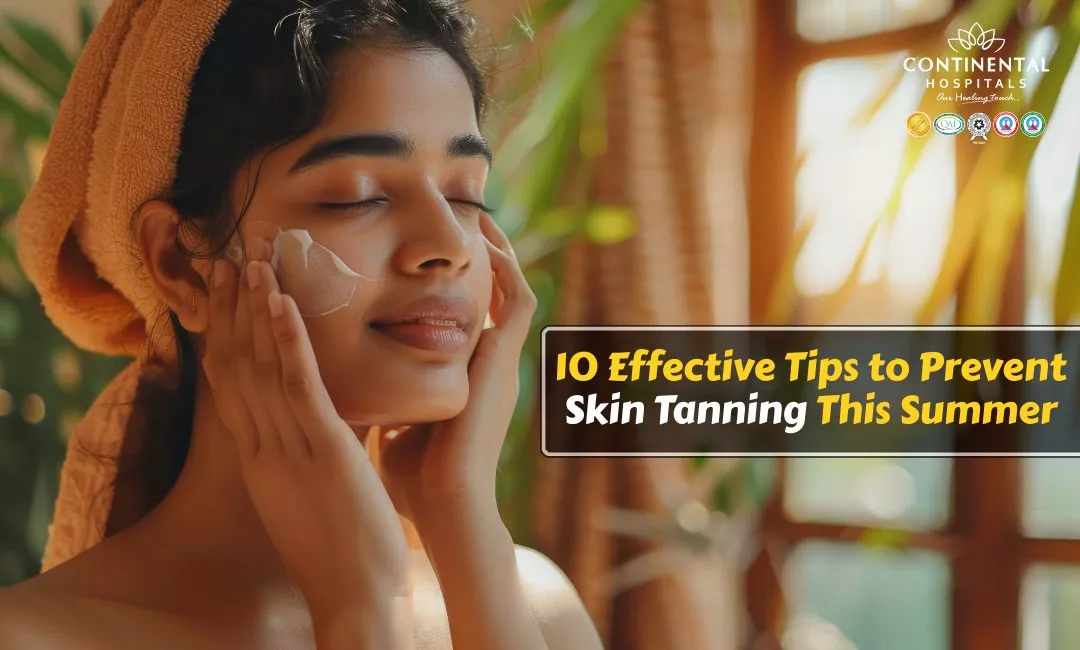
The scorching summer heat in Hyderabad brings more than just rising temperatures. For many, the most visible impact is on the skin. Sun tan occurs when the skin attempts to protect itself from harmful ultraviolet radiation by producing melanin. While a golden glow might seem appealing to some, excessive exposure leads to uneven skin tone, premature aging, and long-term skin damage. Protecting your skin is not just about aesthetics; it is a vital part of maintaining dermatological health.
Understanding Sun Tan and Skin Damage
Before diving into prevention, it is essential to understand why a suntan happens. When your skin is exposed to UVA and UVB rays, the melanocytes in the skin produce melanin. This pigment absorbs the radiation to prevent further DNA damage. However, when the intensity of the sun is high, your natural defenses are overwhelmed. This results in what we commonly call a suntan or, in more severe cases, a painful sunburn.
If you have skin darkening or irritation, seek expert care today. Visit our dermatology department at Continental Hospitals for effective tan removal.
1. Apply Sunscreen Every Two Hours
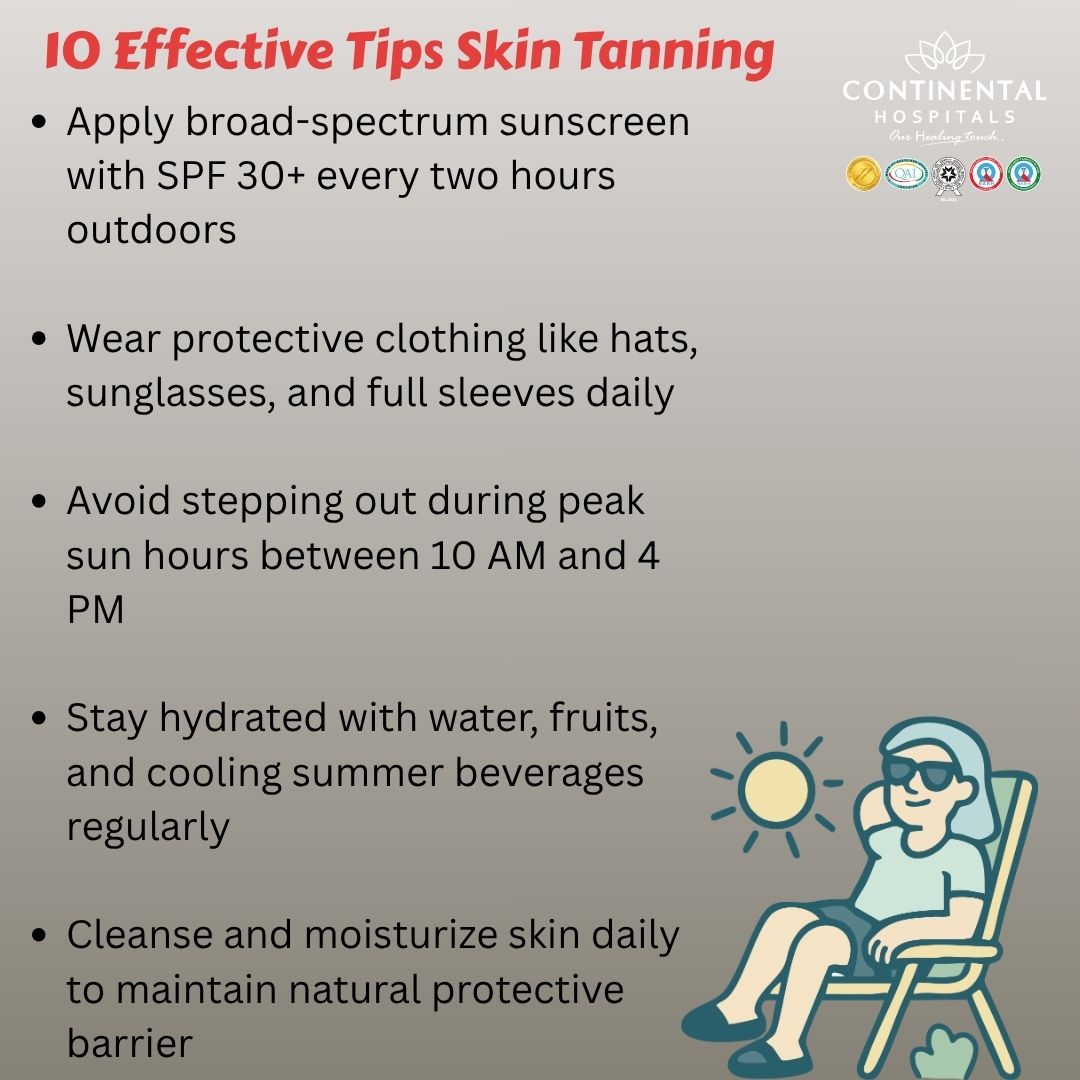
The most critical step in your skincare routine is the application of a broad-spectrum sunscreen. You should choose a product with an SPF of at least 30 or higher. Sunscreen acts as a physical or chemical barrier that reflects or absorbs UV rays before they penetrate the skin layers.
To ensure maximum protection, apply it twenty minutes before stepping outdoors. Remember that sunscreen wears off due to sweat and environmental exposure. Reapplying every two hours is mandatory to prevent a suntan effectively. Do not forget areas like the back of your neck, ears, and the tops of your feet.
2. Wear Protective Clothing
While topical applications are helpful, physical barriers provide the most reliable protection. Opt for lightweight, tightly woven fabrics like cotton or linen that allow your skin to breathe while blocking sunlight. Darker colors or specially treated UV-protective clothing offer better defense than light-colored, thin fabrics. Long sleeves and full-length trousers are ideal for minimizing the surface area of skin exposed to the sun.
3. Seek Shade During Peak Hours
The sun is at its strongest between 10 AM and 4 PM. During these hours, the UV index is at its highest, making it the most likely time for a sun tan to develop. If you must be outdoors, try to stay in the shade of buildings, trees, or umbrellas. Planning your outdoor errands for the early morning or late evening can significantly reduce the risk of skin darkening and heat-related exhaustion.
4. Use Wide-Brimmed Hats and Sunglasses
Your face and eyes are particularly sensitive to UV radiation. A wide-brimmed hat provides shade to your forehead, eyes, and cheeks, which are the most common areas for sun tan to appear. Additionally, wear sunglasses with UV protection to protect the delicate skin around your eyes and prevent the development of cataracts or other vision issues caused by sun exposure.

5. Stay Hydrated
Healthy, hydrated skin is more resilient against environmental stressors. Drinking plenty of water throughout the day helps maintain the moisture balance of your skin. Dehydrated skin tends to become dry and flaky, making the appearance of a suntan look dull and uneven. Aim for at least eight to ten glasses of water daily to keep your skin supple and glowing from within.
6. Incorporate Antioxidants into Your Diet
What you eat reflects on your skin. Consuming foods rich in antioxidants, such as citrus fruits, leafy greens, and berries, helps your body fight free radicals generated by UV exposure. Vitamin C and Vitamin E are particularly known for their skin-protective properties. While diet alone cannot prevent a sun tan, it strengthens the internal defense mechanism of your skin cells.
7. Avoid Tanning Beds and Lamps
Some believe that a base tan from a tanning bed protects against outdoor sun tans. This is a common misconception. Tanning beds emit concentrated UVA rays that can be even more damaging than the natural sun. They significantly increase the risk of skin cancer and accelerate the aging process. It is best to avoid any form of artificial tanning to keep your skin healthy and youthful.
8. Use Umbrellas When Walking
In a city like Hyderabad, walking even short distances under the midday sun can lead to an immediate sun tan. Carrying a compact, UV-coated umbrella is a simple yet effective way to create your own mobile shade. This reduces the direct impact of the sun on your head and shoulders, keeping you cooler and protected.
9. Post-Sun Care and Cooling
Even with the best precautions, your skin might feel warm or irritated after being outdoors. Rinsing your face with cool water or using a soothing aloe vera gel can help calm the skin. Cooling the skin immediately after sun exposure can sometimes reduce the intensity of the inflammatory response that leads to a sun tan.
10. Consistency is Key
Skin protection is not a one-time effort. A suntan can develop in as little as fifteen minutes of unprotected exposure. Making these tips a part of your daily lifestyle, regardless of whether it is cloudy or sunny, ensures long-term protection and maintains your natural skin tone.
How to Remove Sun Tan Effectively
If you already have a sun tan, you might be looking for ways to restore your natural complexion. Many people search for how to remove a suntan using various methods. While prevention is better, recovery is possible through dedicated care.
Tan Removal Home Remedies
There are several natural ingredients known for their skin-brightening properties. For those wondering how to remove tan from their face, simple kitchen ingredients can be helpful.
Lemon Juice and Honey: Lemon acts as a natural bleaching agent, while honey moisturizes the skin.
Gram Flour and Turmeric: A paste made of these ingredients helps in exfoliating dead skin cells and reducing suntan.
Curd and Tomato: The citric acid in tomatoes and the lactic acid in curd work together to lighten the skin.
Cucumber Juice: This provides a cooling effect and helps in evening out the skin tone.
Professional Tan Removal Treatment
While home remedies are useful for mild tanning, a professional tan removal treatment is often necessary for stubborn or deep-seated pigmentation. Dermatologists offer advanced procedures like chemical peels, microdermabrasion, and laser therapy. These treatments are designed to target the deeper layers of the skin, providing faster and more uniform results than topical applications alone.
Why Choose Continental Hospitals for Skin Care?
Continental Hospitals is recognized as the best hospital in Hyderabad for comprehensive healthcare services. When it comes to dermatology and skin health, we provide world-class facilities and expert care.
Global Accreditations: Continental Hospitals is proud to be JCI- and NABH-accredited. These prestigious international and national accreditations ensure that we adhere to the highest standards of patient safety and clinical excellence.
Advanced Technology: We utilize the latest diagnostic and therapeutic equipment to treat a wide range of skin conditions, including severe sunburn and pigmentation issues.
Expert Dermatologists: Our team consists of highly experienced specialists who provide personalized treatment plans tailored to your specific skin type and needs.
Holistic Approach: We believe in treating the root cause of skin issues, offering guidance on nutrition, lifestyle, and preventive care alongside medical treatments.
Conclusion
Preventing a sun tan is essential for maintaining the health and integrity of your skin during the harsh summer months. By following these ten effective tips, you can enjoy the season without compromising your complexion. From consistent sunscreen use to seeking professional advice, every step counts toward a healthier you.
If you suffer from persistent skin darkening or irritation, or if you are looking for an effective tan removal treatment, it is time to consult a professional. Contact Continental Hospitals today to book an appointment with our best dermatologists in Hyderabad.
Related Blog Topics: