.webp)


Summer in Hyderabad brings intense heat and rising temperatures that can take a significant toll on your body. While your diet plays a crucial role in maintaining energy levels and hydration, many people overlook how specific food groups, particularly meat, affect their internal cooling mechanisms. Adapting your diet to include lighter, plant-based options can make a substantial difference in how you feel during the hotter months.
How Your Body Processes Food in Heat
To understand why you should eat less meat in summer, it is important to look at a process called thermogenesis. Every time you consume food, your body generates heat to break down that food and convert it into energy. Protein, which is highly concentrated in meat, requires more energy to digest than fats or carbohydrates. This extra effort results in a higher internal body temperature.
When the external environment is already hot, this internal heat production can lead to discomfort, excessive sweating, and a feeling of lethargy. By choosing to eat less meat in summer, you allow your digestive system to function with less effort, helping your body maintain a stable and cooler temperature.
Experiencing digestive discomfort? Get expert care at Continental Hospitals. Visit our gastroenterology department today!
The Impact of Meat Consumption on Summer Health
Heavy meat consumption during the peak of summer can lead to several health challenges. Meat consumption summer health is a topic often discussed by nutritionists because of how animal products interact with hydration and digestion.
Dehydration Risks: Processing the nitrogen found in the protein of meat requires a significant amount of water. If you consume large portions of meat without drastically increasing your water intake, you risk mild to chronic dehydration.
Digestive Heavyweight: Meat, especially red meat and processed varieties, stays in the digestive tract longer. In hot weather, blood flow is often redirected toward the skin to help with cooling, meaning less blood is available for the stomach. This can lead to bloating and indigestion.
Increased Cholesterol and Saturated Fats: Heavy meals high in saturated fats can make you feel sluggish. Replacing these with lighter alternatives helps maintain better energy levels throughout the day.

Is Meat Good in Hot Weather?
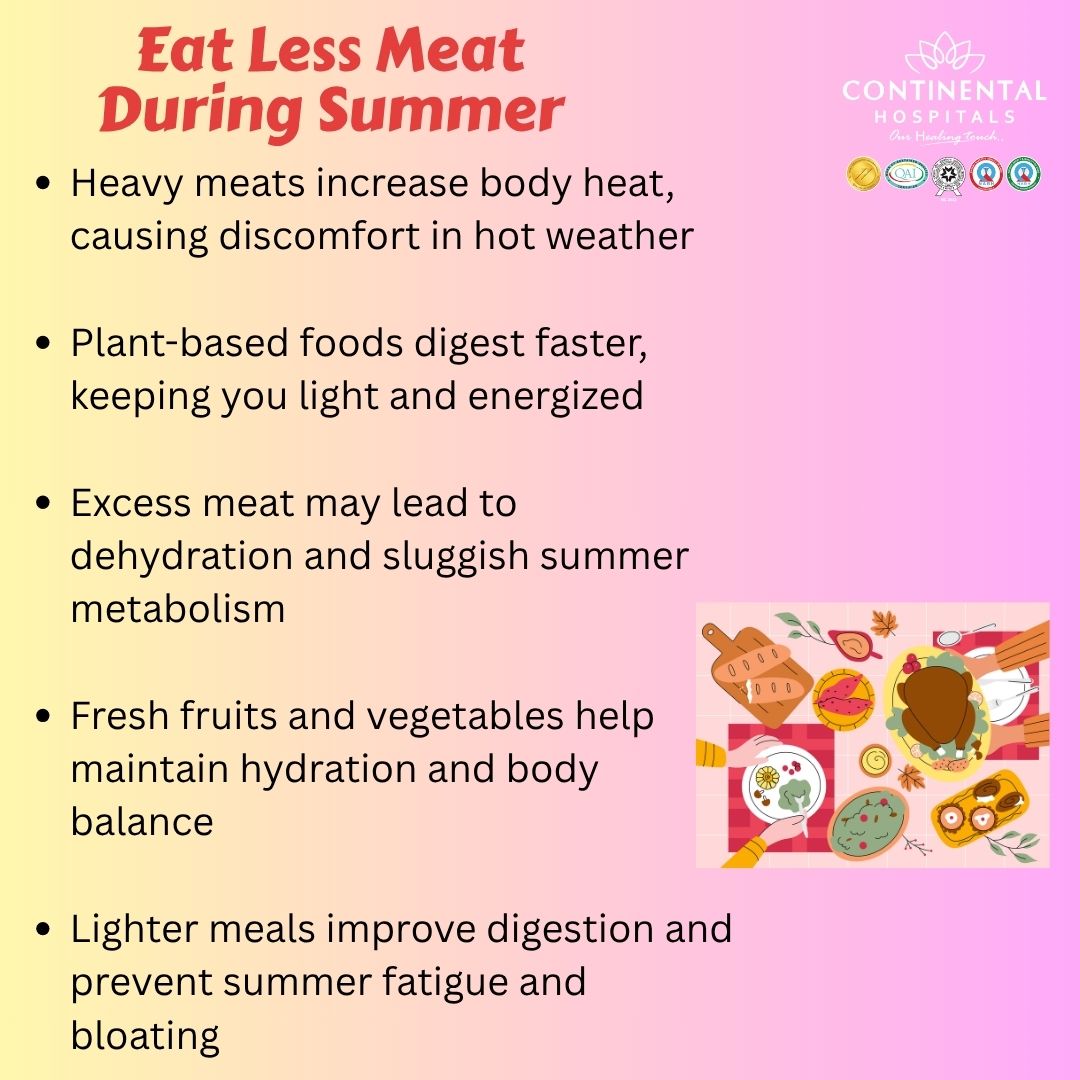
Many people ask, is meat good in hot weather? While you do not have to eliminate it entirely, moderation is key. In many cultures located in tropical climates, summer diets naturally shift toward cooling foods like cucumbers, melons, and yogurt. Meat is often treated as a side dish rather than the main event.
High-protein diets can be particularly taxing during a heatwave. If you do choose to eat meat, opting for lean versions like grilled chicken or fish is better than heavy beef or lamb. However, the most effective way to stay energetic is to reduce meat intake benefits by substituting meat with plant-based proteins that are easier on the system.
Key Benefits of Reducing Meat Intake
Choosing to eat less meat during the summer months offers a variety of physiological and systemic benefits. These changes contribute to a better quality of life during the high-heat season.
Improved Digestion: Plant-based foods like lentils, chickpeas, and seasonal vegetables are high in fiber, which aids in smooth digestion and prevents that "heavy" feeling after a meal.
Higher Energy Levels: Because your body spends less energy breaking down complex animal proteins, you have more energy available for your daily activities.
Natural Hydration: Many meat substitutes, especially fruits and vegetables, have a high water content. This provides a dual benefit of nutrition and hydration.
Weight Management: Summer is an excellent time to shed extra weight. Plant-based meals are generally lower in calories and higher in nutrients.
Essential Summer Diet Tips
To successfully transition to a lighter diet, follow these summer diet tips designed to keep you cool and healthy:
Prioritize Water-Rich Foods: Incorporate watermelon, muskmelon, cucumbers, and citrus fruits into your daily routine.
Opt for Plant Proteins: Use sprouts, beans, and legumes to meet your protein requirements without the thermic load of meat.
Eat Smaller Meals: Instead of three large meals, eat four to five smaller, lighter meals to keep your metabolism steady.
Increase Probiotics: Foods like curd and buttermilk are excellent for gut health and help in cooling the body from within.
Why Choose Continental Hospitals for Your Health?
When it comes to managing your health and nutrition, seeking advice from a trusted institution is vital. Continental Hospitals is recognized as the best hospital in Hyderabad, providing world-class medical services across various specialties.
We take pride in our global standards of care and our commitment to patient safety and excellence. Our facility is equipped with the latest medical technology and a team of highly experienced specialists who are dedicated to your well-being.
Accreditations and Quality Standards
Continental Hospitals is committed to maintaining the highest levels of medical ethics and quality. Our facility holds prestigious accreditations, including:
JCI Accreditation (Joint Commission International): This reflects our adherence to international safety and quality standards in healthcare.
NABH Accreditation (National Accreditation Board for Hospitals & Healthcare Providers): This ensures that our clinical processes and patient care are of the highest caliber in India.
These certifications demonstrate our dedication to providing a safe environment where clinical outcomes are prioritized. Whether you need nutritional counseling or specialized medical intervention, our multidisciplinary approach ensures you receive the best care possible.
Conclusion
The decision to eat less meat in summer is a proactive step toward better health. By reducing the metabolic heat generated by heavy proteins and focusing on hydrating, nutrient-dense plant foods, you can navigate the Hyderabad summer with ease and vitality. Remember that small changes in your daily habits can lead to significant improvements in your overall physical comfort.
If you find yourself struggling with digestive issues or heat-related fatigue, or if you require a personalized nutrition plan to manage your health during the summer, do not hesitate to seek professional guidance.
Are you experiencing persistent digestive discomfort or looking for expert dietary advice? Contact our specialists today to ensure your health is in the best hands. Consult our best gastroenterologist in Hyderabad at Continental Hospitals.