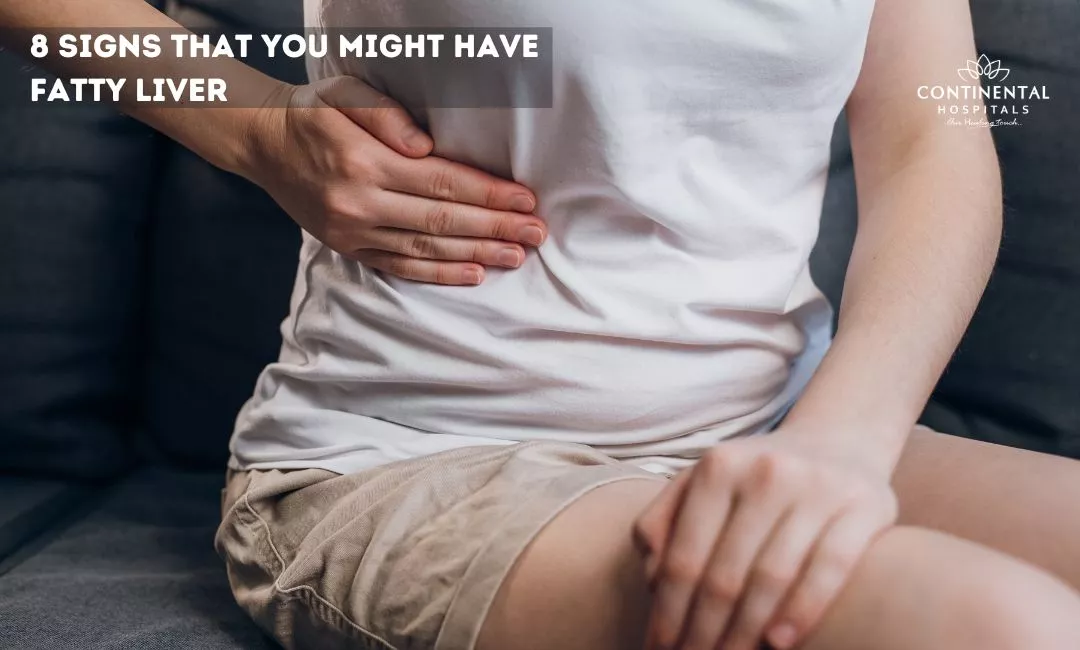
post-title

8 signs that you might have fatty liver

Written by - Editorial Team
Medically Reviewed by - Dr Guru N Reddy

One of the common ailments is fatty liver disease, more commonly referred to as hepatic steatosis, where extra fat accumulates in the organ. This is mostly associated with obesity and diabetes; it is also a product of adverse lifestyle decisions. This condition, unless treated, will bring about serious health complications; hence, early recognition of the signs or symptoms will often lead to effective management and treatment. In this blog, we will discuss eight signs of having a fatty liver and how you can deal with it.

What are the 8 signs of fatty liver disease?

1. Chronic Fatigue
One of the oldest and most common symptoms of fatty liver disease is extreme fatigue. If you wake up in the morning feeling like you have just gone to bed after a restful night of sleep, this may be a sign that your liver is not processing and purging the toxins from your body. Your liver plays a vital role in energy metabolism; hence, if it is not functioning properly, you could be experiencing a little more fatigue than normal.

2. Abdominal Pain
If you notice that you suffer from upper right abdominal pain or dull pain in this area, you might have a fatty liver. The liver is located in this part of the body, and a swollen liver, the result of inflammation, may cause you some irritation. Though it's not always a specific symptom of a fatty liver, it can be a sign that your liver wants care.

3. Unintentional weight gain
Obesity is primarily associated with fatty liver disease. It can, however, be both a cause and effect of weight gain. If you are gaining weight and there has been no significant change in your diet or level of activity, it could be an effect of fat accumulation in your liver. Research has shown that weight gain exacerbates liver issues, leading to a vicious cycle.

4. Dark urine
Dark-colored urine can indicate liver problems. The liver helps sieve blood toxins, and when the liver is ineffective, the main toxins begin to build up. If you notice that your urine is significantly darker than usual, it could indicate that your liver is not fulfilling its function of separating impurities and cleaning waste.

5. Jaundice
Jaundice is characterized by a yellow discoloration of the skin and eyes due to the body's failure to process bilirubin, a by-product derived from the breakdown of red blood cells. Although often attributed to hepatitis and other liver illnesses, jaundice may actually be one of the signs of fatty liver disease, particularly in individuals with a more advanced form of the disease.

6. Swelling—iin the belly or legs
Fluid retention from fatty liver disease typically manifests as swelling in the belly or legs. Edema, also known as edema, may result from the accumulation of excess fluid in body tissues. If you are experiencing unexplainable swelling or puffiness in both areas, consider the possibility of liver issues as an underlying cause.

7. Elevated Liver Enzymes
If you've had a routine blood test and your liver enzyme levels are higher than normal, it could be a sign that your liver is inflamed or damaged. Fatty liver disease commonly manifests elevated liver enzymes, which are markers of liver stress. Although the number of conditions that may manifest with increased liver enzymes is usually large, they are very common in fatty livers.

8. Lack of appetite or nausea
Nausea or a poor appetite may indicate problems with the liver. That is because the liver functions in digestion, so if it isn't working correctly, you may feel less hungry and experience digestive upset. You may start to feel nauseated or disinterested in food, indicating that your liver is not digesting the nutrients properly.

Second Opinion

Visit the gastroenterology specialists in Hyderabad at Continental Hospitals and consult our expert specialists.

What to Do If You Notice These Signs of Fatty Liver?

An early medical consultation can help prevent the progression of fatty liver disease and promote overall liver health if you identify any of these symptoms. Your healthcare provider may suggest some lifestyle changes, such as having a healthier diet and increasing physical activity, to manage the condition.

How is fatty liver treated and managed at Continental Hospitals?

Continental hospitals can treat fatty liver disease. Our medical team has an association with reputed hepatologists and dieticians who design individualistic treatment packages according to individual needs. We focus on disease management in our approach to treating fatty liver disease.

Lifestyle Modification: We suggest the inculcation of a healthy lifestyle in terms of diet and exercise, we suggest inculcating a healthy lifestyle. Inclusion of a healthy diet rich in fruits, vegetables, whole grains, and regular physical activity can help the liver stay healthy for a longer period of time.

Medical Management: We also treat medical conditions such as diabetes and high cholesterol, which could have led to a fatty liver.

Periodic Follow-Up: Through periodic follow-up, our team keeps in regular touch, monitoring your response, and may change treatment plans if necessary. This is important in verifying that we are not missing any issues coming up, so we can act accordingly and promptly.

Advanced Specialized Care: We may refer patients with more complex medical conditions to advanced specialized care. Our patients have access to liver specialist consultations and advanced medical technologies.

Need an Appointment?

Conclusion

The significance of early detection in managing and enhancing liver health necessitates seeking medical attention from a healthcare provider if you experience any of the aforementioned symptoms. That is why at Continental Hospitals, we commit to providing nothing but the best care and treatment so you can recover your liver health.

Take control of your liver health today. Contact Continental Hospitals to schedule a consultation with our best gastroenterologist in hyderabad

Related Blog Topics

Frequently Asked Questions

Fatty liver disease often develops silently, especially in its early stages. Many people experience no noticeable symptoms until the condition progresses. However, some may feel persistent tiredness, reduced energy levels, or mild discomfort in the upper right side of the abdomen. A feeling of heaviness after meals, unexplained weakness, and difficulty concentrating can also occur. These symptoms are not specific to fatty liver and may be caused by other health conditions. If you have risk factors such as obesity, diabetes, high cholesterol, or excessive alcohol consumption, regular liver health checkups are important. Blood tests, ultrasound, and medical evaluation can help detect fatty liver early. Early diagnosis allows lifestyle changes that may reverse liver fat accumulation and prevent complications.
Yes, ongoing fatigue is one of the most commonly reported symptoms in people with fatty liver disease. When the liver does not function efficiently, the body may not process nutrients and toxins as effectively, leading to low energy levels. People often describe feeling exhausted even after getting enough sleep. Fatigue may also be linked to inflammation associated with fatty liver disease. Since tiredness has many possible causes, it should not be considered proof of liver disease on its own. If persistent fatigue is accompanied by risk factors such as obesity, diabetes, or abnormal liver function tests, medical evaluation is recommended. Identifying fatty liver early allows treatment through healthy eating, exercise, weight management, and regular follow-up with a liver specialist.
Some people with fatty liver experience a dull ache or feeling of fullness in the upper right side of the abdomen, where the liver is located. This discomfort may occur because the liver becomes enlarged due to excess fat accumulation. Although the liver itself does not contain pain receptors, stretching of the surrounding capsule can create discomfort. The pain is usually mild rather than severe and may come and go. Many other digestive conditions can cause similar symptoms, so medical evaluation is necessary for an accurate diagnosis. Your doctor may recommend liver function tests, imaging studies, or additional investigations to determine the underlying cause and rule out other liver or gallbladder disorders.
Unexplained weight changes may sometimes be associated with fatty liver disease, although they are not considered a classic symptom. Many individuals with fatty liver are overweight or obese, but some people with normal body weight can also develop the condition. Sudden weight loss without trying should always be medically evaluated because it may indicate other health problems. Healthy and gradual weight loss is one of the most effective ways to reduce liver fat and improve liver function. Losing approximately 7 to 10 percent of body weight under medical supervision can significantly improve fatty liver in many patients. A balanced diet, regular physical activity, and ongoing medical monitoring remain the foundation of treatment.
A swollen abdomen is generally not an early symptom of fatty liver disease but may develop in advanced liver disease. When fatty liver progresses to severe fibrosis or cirrhosis, fluid can accumulate in the abdomen, a condition known as ascites. This causes noticeable abdominal swelling, discomfort, and weight gain. Ascites requires prompt medical attention because it indicates significant liver damage. Anyone experiencing abdominal swelling, leg swelling, jaundice, or shortness of breath should seek immediate medical evaluation. Early diagnosis and treatment of fatty liver can help prevent progression to cirrhosis and reduce the risk of serious liver-related complications.
Yellowing of the skin and eyes, known as jaundice, is usually not seen in the early stages of fatty liver disease. It typically develops only when liver damage becomes severe and the liver cannot effectively process bilirubin. Jaundice is considered a warning sign of advanced liver disease and requires urgent medical assessment. It may occur alongside dark urine, pale stools, severe fatigue, abdominal swelling, or confusion. Because jaundice can also result from infections, gallstones, hepatitis, or other liver disorders, proper diagnosis is essential. Early identification and treatment of fatty liver significantly reduce the likelihood of reaching this advanced stage.
Some individuals with fatty liver disease may experience nausea, reduced appetite, or a feeling of fullness after eating. These symptoms are more common when liver inflammation becomes significant. However, they are not unique to fatty liver and can occur with many digestive conditions. Persistent nausea, vomiting, or poor appetite should never be ignored, particularly if accompanied by weight loss or abdominal discomfort. A healthcare provider may recommend blood tests, imaging, and lifestyle assessment to determine the cause. Early treatment through dietary improvements, physical activity, and weight management can help improve liver health and reduce symptoms.
You should consult a doctor if you have ongoing fatigue, upper right abdominal discomfort, abnormal liver blood test results, or risk factors such as obesity, diabetes, high cholesterol, or metabolic syndrome. People with excessive alcohol consumption should also undergo liver evaluation. Early diagnosis often involves blood tests, liver ultrasound, and sometimes specialized scans to assess liver fat and fibrosis. Detecting fatty liver before permanent damage occurs allows effective treatment through lifestyle modifications and medical guidance. Regular follow-up helps monitor liver health and prevent progression to cirrhosis, liver failure, or liver cancer. Seeking timely medical advice is the best way to protect long-term liver function.
Disclaimer: The information provided in this blog is intended for general knowledge and informational purposes only, and does not constitute medical advice. Always consult with a qualified healthcare professional for any medical concerns or before making any decisions about your health.

Get in Touch With Us

Whether you are from India or abroad, we are here to help you with your medical queries. Please fill out the form below and our team will connect with you shortly.

  • ✔ Quick response from our medical experts
  • ✔ Secure data handling & privacy
  • ✔ Easy upload for reports & documents
banner_image

Chat with our medical experts on WhatsApp for quick assistance and hassle-free appointment booking

Recent Posts