

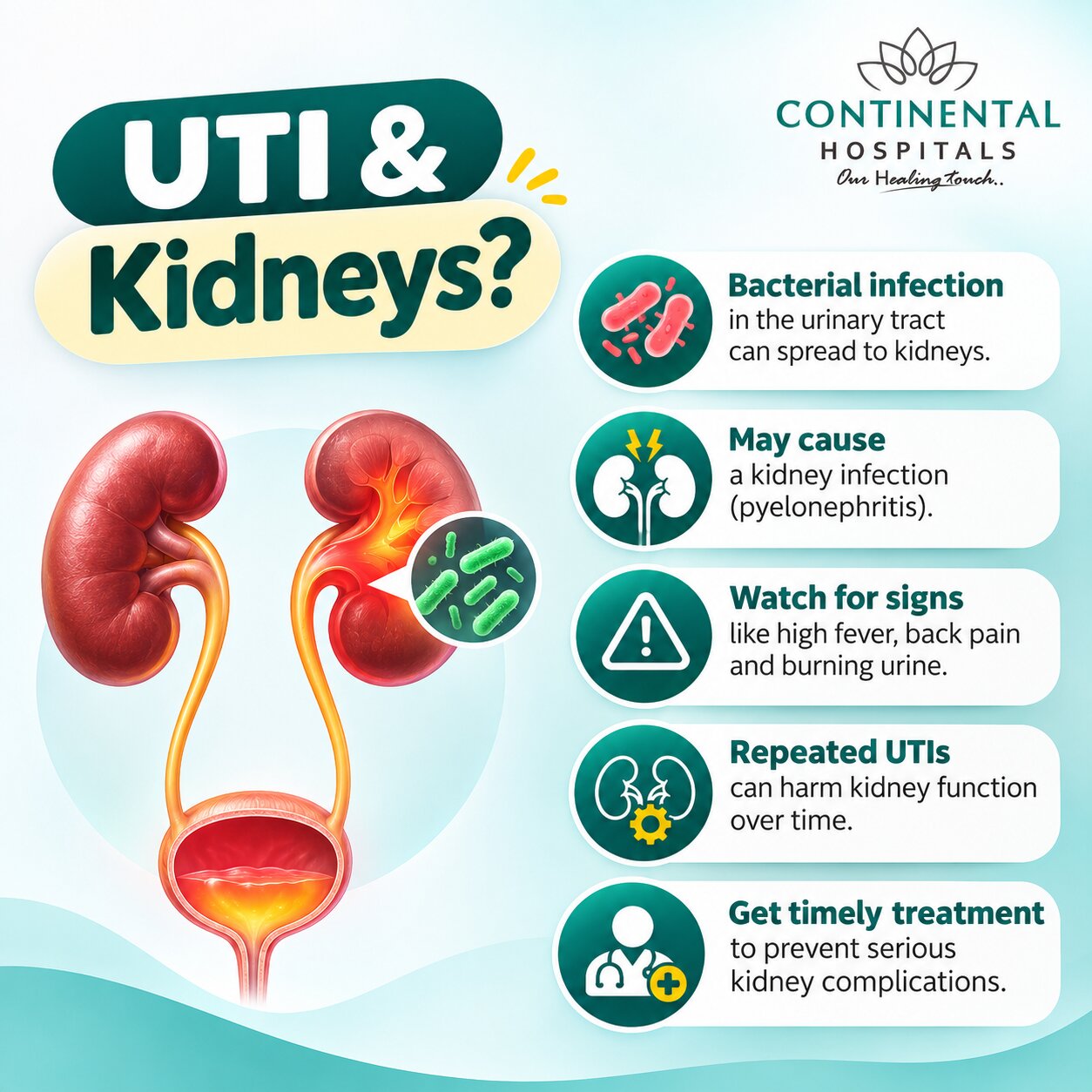
Is a UTI able to affect the kidneys? The answer is affirmative. When a person has a urinary tract infection, he or she is likely to have such problems as inflammation in the urethra or bladder. However, the infection can move up to the kidneys and cause a more serious problem, which is called pyelonephritis.
There are lots of patients who feel some burning sensation when they are urinating, have problems with frequent urination, or have lower abdominal pain because of a UTI. Even though at first all those things do not look very serious, neglecting them is a wrong thing to do since it makes the infection spread further.
How Does a UTI Become a Kidney Infection?
How does one’s bladder infection turn into a kidney infection? The vast majority of UTIs develop when the urinary tract is infected with bacteria via the urethra and grows in the bladder. Should the infection be left untreated, bacteria can pass up through the ureters, connecting the bladder to the kidneys.
If bacteria infect the kidneys, then one might suffer from inflammation of the said organs. This disease is called pyelonephritis, and it requires immediate medical intervention.
The ways in which a UTI may turn into a kidney infection are as follows:
- Untimely diagnosis and treatment of a urinary infection.
- Not completing a course of prescribed antibiotics or using them incorrectly.
- Obstruction in the urinary tract due to kidney stones.
- Disorders that prevent full bladder emptiness.
- Structural abnormalities of the urinary tract.
Visit the Nephrology Department at Continental Hospitals, Hyderabad, for expert kidney care and advanced diagnostic services.
Warning Signs of a Kidney Infection
What are the symptoms that will show that your UTI has infected your kidneys? The symptoms of kidney infection are more serious compared to bladder infection.
Symptoms of kidney infections include:
1. Having a fever and chills: This is a sign that you have an infection and the symptoms are much more serious.
2. Having back or side pain: You may experience pain on the back and/or sides where your kidneys are located.
3. Having nausea and vomiting: Kidney infections will result in nausea and vomiting.
4. Having a burning feeling while urinating: Your urinary tract may feel a burning sensation when passing urine.
5. Urination frequently: You may have the urge to urinate frequently.
6. Having cloudy or bad-smelling urine: You might experience changes in the appearance of your urine.
7. Blood in urine: You will see changes in the color of urine from pink/red to brown.

What Are the Complications Associated With an Unmanaged Kidney Infection?
Does an unmanaged UTI result in permanent damage to the kidneys? Yes, it does happen in some cases. When an infection in the kidney is left untreated, there could be many complications associated with it.
These complications related to a UTI may include:
- Kidney damage: Serious or recurring infections may damage the kidneys due to scarring.
- Sepsis: Bacteria from the infection could spread into the blood, causing a systemic response to the infection.
- Kidney infections: Recurring infections of the kidney are one of the complications that may occur in the future.
- Kidney abscess: Sometimes an abscess develops in the kidneys.
- Pregnant women: If a woman is pregnant, she requires immediate treatment because of the potential complications.
How Are Kidney Infections Diagnosed and Managed?
How do doctors determine whether a UTI has spread into the kidneys? After reviewing your symptoms, medical history, and clinical findings, a doctor can order some tests.
Some of the common diagnostic tests include:
- Urinalysis: Helps in identifying any presence of infection, like white blood cells and bacteria.
- Urine culture: Helps in detecting the type of bacteria that have caused an infection and aids in determining the right antibiotics to use.
- Blood tests: Assist in identifying any infections and functioning of the kidneys.
- Imaging studies: Recommended when there is suspicion of obstruction, kidney stones, or any complications from the condition.
The treatment of kidney infections is mostly done through antibiotics based on the kind of infection and its severity. In some cases, patients are admitted to hospitals for intravenous antibiotics and fluids.
What Are the Best Tips for Good Kidney Health to Prevent UTIs?
Can regular practices actually safeguard your urinary tract and kidney from UTIs? Yes, proper practices can decrease the risks of getting UTIs.
Tips for maintaining good kidney health are as follows:
1. Drink adequate amounts of water unless your physician recommends you restrict your fluid intake.
2. Do not delay urination; empty your bladder on time.
3. Practice good hygiene and maintain proper cleaning of genital areas.
4. It is advisable to urinate after sex in order to prevent UTIs.
5. Properly manage any existing health condition such as diabetes.
6. Take your treatment in the prescribed manner and do not stop antibiotics on your own.
7. Make follow-up visits to your physician if UTIs occur regularly.
Why Go for Continental Hospitals for Kidney and Urinary Disorders?
Why should you choose the right hospital in cases of UTIs that can affect your kidneys? Diagnosis and treatment of kidney infections, along with the monitoring of their condition, is crucial in order to avoid potential problems.
The healthcare provider Continental Hospitals in Hyderabad provides full services related to the treatment of kidneys and urinary disorders, with the help of specialists and medical equipment, as well as high standards of treatment. The organization has obtained many healthcare accreditations in both national and international markets, such as JCI and NABH.
Due to specialists, advanced medical facilities, and the patient-oriented approach, the facility provides the identification of urinary infections and the proper evaluation of the condition of the kidneys.
Conclusion
Yes. The UTI can infect your kidneys if bacteria move from the bladder to the upper urinary tract. Identifying early signs, following medical treatment recommendations, hygiene maintenance, and adequate hydration can prevent any further issues.
Keep the following aspects in mind:
- An infection of the bladder may infect your kidneys if not treated properly.
- Symptoms such as fever, shivers, backache, and nausea can be associated with kidney infection.
- The untreated kidney infections may result in damage to your kidneys or even sepsis.
- Investigations, including urine tests, will determine the infection.
- Proper and timely treatment is necessary in order to keep your kidneys healthy.
If you experience symptoms like a burning sensation while passing urine, recurring infections of the urinary tract, fever, or constant backache, please consult our best nephrologist in Hyderabad at Continental Hospitals, Hyderabad.
Related Blogs: