.webp)
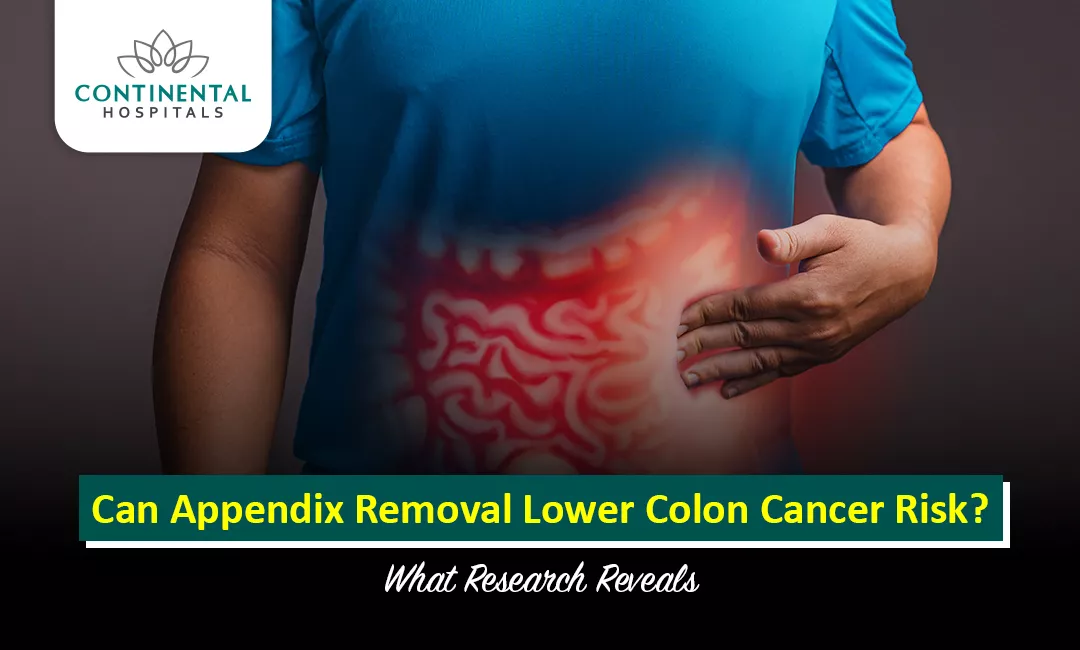
Colon cancer is a chronic disease that occurs as a result of the abnormal development of cells in the large intestine. It has been the center of many studies wherein scientists are investigating different organs, behavior, and diseases in terms of their role in developing colon cancer cells. The most intriguing thing concerning the colon is the appendix, a small tube-like organ situated between the small intestine and the colon. It begs a very important question: can the appendectomy help to reduce the chances of colon cancer?
The appendix removal is known as an appendectomy; it has been performed on patients with appendicitis. What is more, some researchers have tackled the issue of whether an appendectomy influences the chances of developing colon cancer. However, it cannot be said with confidence that healthy appendix removal guarantees that colon cancer will not develop. Taking into consideration the findings, it can be stated that awareness of the research and symptoms is critical for protecting one's health.
Is There a Link Between the Appendix and Colon Cancer?
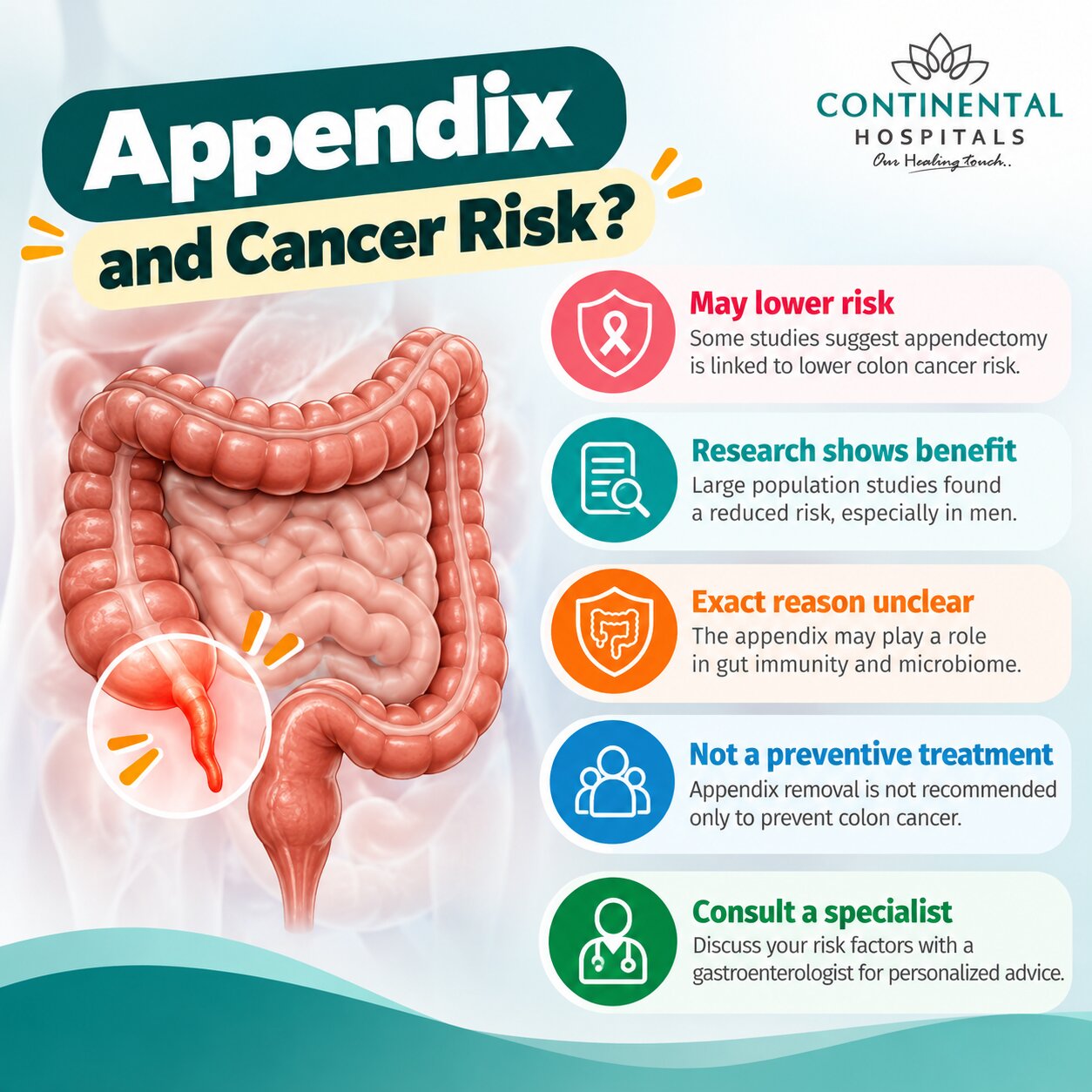
The appendix has immune components and fosters certain bacteria existing in the intestines. These bacteria are part of the intestinal microbiome, which ensures appropriate operations of digestion and immunity.
Scientists made research to find out whether any changes in the appendix, gut bacteria, and inflammation can affect colorectal cancer. Some observational research pointed out the connection between the appendectomy and risk of colorectal cancer, though results are contradictory.
It should be emphasized that an association does not indicate that the removal of the appendix causes or prevents cancer.
Visit the gastroenterology doctor in Hyderabad at Continental Hospitals, Hyderabad, for expert digestive health care and advanced diagnostic services.
What does research show about appendix removal?
Can the risk of colon cancer be decreased by appendectomy? At the moment, there is no strong evidence suggesting that appendix removal should be performed as a cancer prevention measure.
Different research studies show different possible explanations for the link between appendectomy and colorectal cancer:
1. Changes in gut microorganisms: Appendix removal could modify the storage and recovery of some gut microorganisms, but it is still unknown if it affects the long-term cancer risk.
2. Inflammation: Since appendicitis is connected with inflammation, the scientists are investigating the connection between inflammation/immunological response and colorectal cancer.
3. Differences between studies: There are studies that say that appendectomy might be linked to colorectal cancer, but there are also studies that show no relationship between the two phenomena.
4. Different factors influencing cancer occurrence: There are also various factors like age, heredity, or some health issues that can affect the cancer risk.

What Are the Most Common Symptoms of Colon Cancer?
Which symptoms should you look out for? Colon cancer may not present noticeable symptoms in its early stages. However, as symptoms begin to surface, they may include:
- Changes in bowel function: Continuous diarrhea, constipation, or alteration in stool texture.
- Blood in the stool: Bright red or abnormal black stools.
- Abdominal cramping: Persistent cramping, pain, or distention in the abdomen.
- Unexplained weight loss: Weight loss without changes in diet or physical activity.
- Fatigue: Persistent fatigue that could be due to blood loss causing anemia.
- A feeling of incomplete evacuation: The sensation that the bowel has not finished emptying after defecation.
These signs could be caused by other reasons besides cancer. However, any persistent abnormalities or unknown changes should be checked by your doctor.
What Are the Major Colon Cancer Risk Factors?
Are your lifestyle choices and medical history aspects that can change your risk? Yes, there are a number of factors linked with an increased chance of having colon cancer.
Major colon cancer risk factors consist of the following:
- Aged over 50, although young people can develop the disease too.
- Having a family history of colon cancer or hereditary diseases.
- Having had previous colon polyps or chronic inflammatory bowel diseases.
- Smoking and drinking excessive alcohol.
- Eating too much processed meat.
- Being inactive, obese, or having certain metabolic disorders.
Being at risk does not mean that you will get cancer. Knowing your individual risk factor may help you and your doctor decide when to start screening.
How Do You Lower Your Chances of Getting Colon Cancer?
What things can help you with your digestive system? Even though no method can totally avoid it, healthy practices and right screening can reduce chances or identify cancer faster.
Here are necessary steps:
- Have a balanced diet, consuming lots of vegetables, fruits, fibers, and whole grains.
- Cut down on processed meat and avoid having large amounts of red meat.
- Exercise and keep a healthy weight.
- Give up smoking and restrict alcohol.
- Talk to your doctor about colorectal screening, especially if you have a family history of this disease.
What Importance Does Colorectal Cancer Screening Have?
Can colon cancer be detected through screening before symptoms emerge? Yes. Screening can help find polyps that are precancerous and could be removed before they become cancerous. It can also help identify cancer at an early stage when treatment could be more beneficial.
Depending on the age, medical history, symptoms, and risk factors of the patient, healthcare professionals may recommend a stool test or a colonoscopy. Screening methods vary around the world according to the specific risk of a particular patient, and that is why medical professionals would determine the needed method of screening.
Why Continental Hospitals for Gastrointestinal Care?
Why is specialist care important in colon cancer? An accurate assessment and suitable investigations, together with prompt follow-ups to investigate complex digestive conditions, will lead to an appropriate treatment.
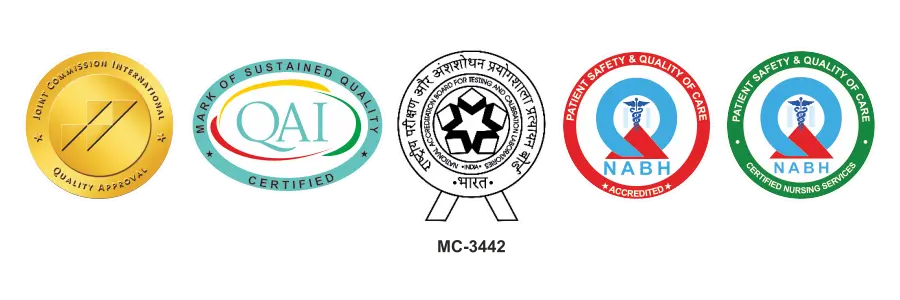
Continental Hospitals in Hyderabad offers a truly comprehensive spectrum of healthcare services aided by some of the most experienced and eminent specialists available in the nation, state-of-the-art diagnostic facilities, and multidisciplinary expertise. The accreditation bestowed on the hospital puts it on equal footing with globally recognized standards in healthcare and assures the highest standards of quality in patient care. Furthermore, the hospital is accredited by national and international agencies like NABH, JCI, and NHSRC.
It deals with patients requesting specialist evaluation of persistent gastrointestinal symptoms, evaluation of colorectal cancer risk, and recommendations regarding the correct screening and treatment processes.
Conclusion
Current research does not establish that removing the appendix lowers the risk of colon cancer. Although scientists continue to study the relationship between the appendix, gut bacteria, inflammation, and colorectal cancer, appendectomy is not recommended solely for cancer prevention.
The most practical steps are to understand your risk factors, maintain healthy habits, follow appropriate colorectal cancer screening recommendations, and seek medical attention for concerning symptoms.
If you suffer from persistent abdominal discomfort, unexplained changes in bowel habits, blood in your stool, or other concerning digestive symptoms, consult our best gastroenterologist in Hyderabad at Continental Hospitals, Hyderabad, for appropriate evaluation and guidance. Early assessment and timely screening can support better gastrointestinal health and help detect potential problems when treatment may be more effective.
Related Blogs: