post-title

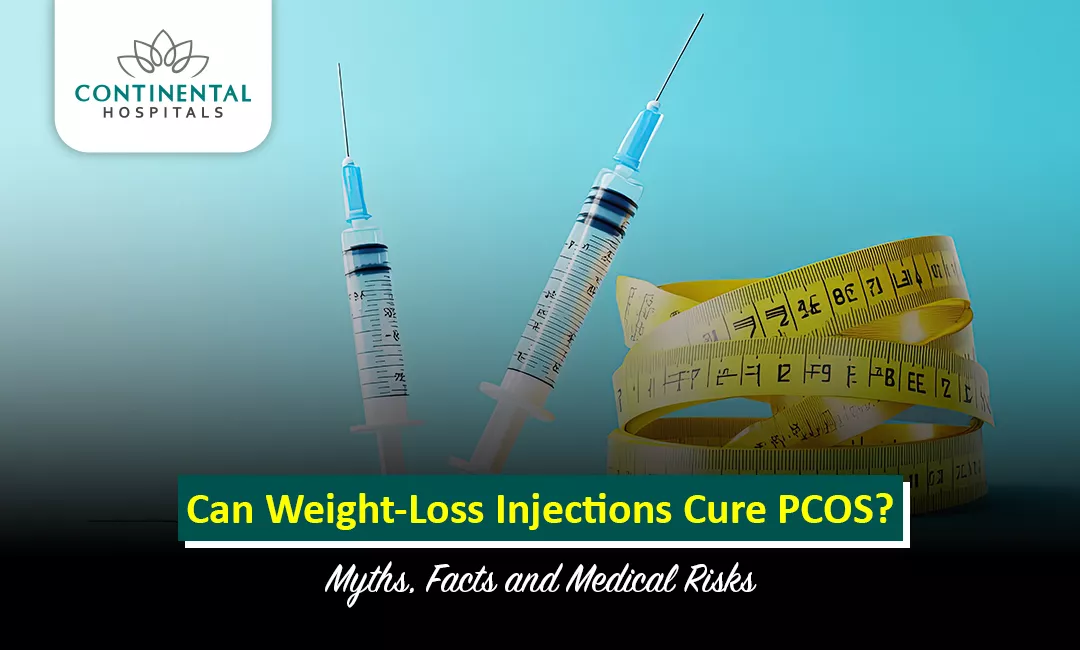
Can Weight-Loss Injections Cure PCOS? Myths, Facts and Medical Risks

Written by - Editorial Team
Medically Reviewed by - Dr Anusha Reddy B

Are weight loss injections able to treat PCOS? Such a question is raised by many females who are suffering from Polycystic Ovary Syndrome (PCOS) and have problems with excessive weight, irregular menstruation, and hormone imbalance. PCOS is a condition related to hormones that may influence a woman’s period, ability to become pregnant, skin appearance, and metabolism. Even though the issue of weight loss is one of the key factors in managing PCOS, losing extra pounds is not a cure for this syndrome.

The use of weight loss injections for women with PCOS who are experiencing problems with their excessive weight is becoming more and more popular these days. Such medications may facilitate the process of weight reduction, improve insulin resistance, and help with some metabolic issues. Still, weight loss injections are not a cure for PCOS.

How Do Weight-Loss Injections Function in Women with PCOS?

What is the mechanism through which weight loss injections can be of benefit to women with PCOS? There are certain medications that target the hormones that control hunger, metabolism, and blood glucose levels.

GLP-1 receptor agonists have the ability to influence appetite, promote satiety, and delay gastric emptying, hence facilitating weight loss.

The common medications include:

1. Semaglutide—assists in controlling appetite and is used for managing body weight due to its effect on GLP-1 receptors.
2. Tirzepatide—works by targeting both GIP and GLP-1 receptors, and it facilitates weight loss and regulation of blood glucose.
3. Other GLP-1 medicines may be used subject to medical history and other factors.

These drugs are not approved for the treatment of PCOS.

Visit the Gynecology Department at Continental Hospitals, Hyderabad, for expert women's healthcare and PCOS management.

Can Weight Loss Injections Help Cure PCOS?

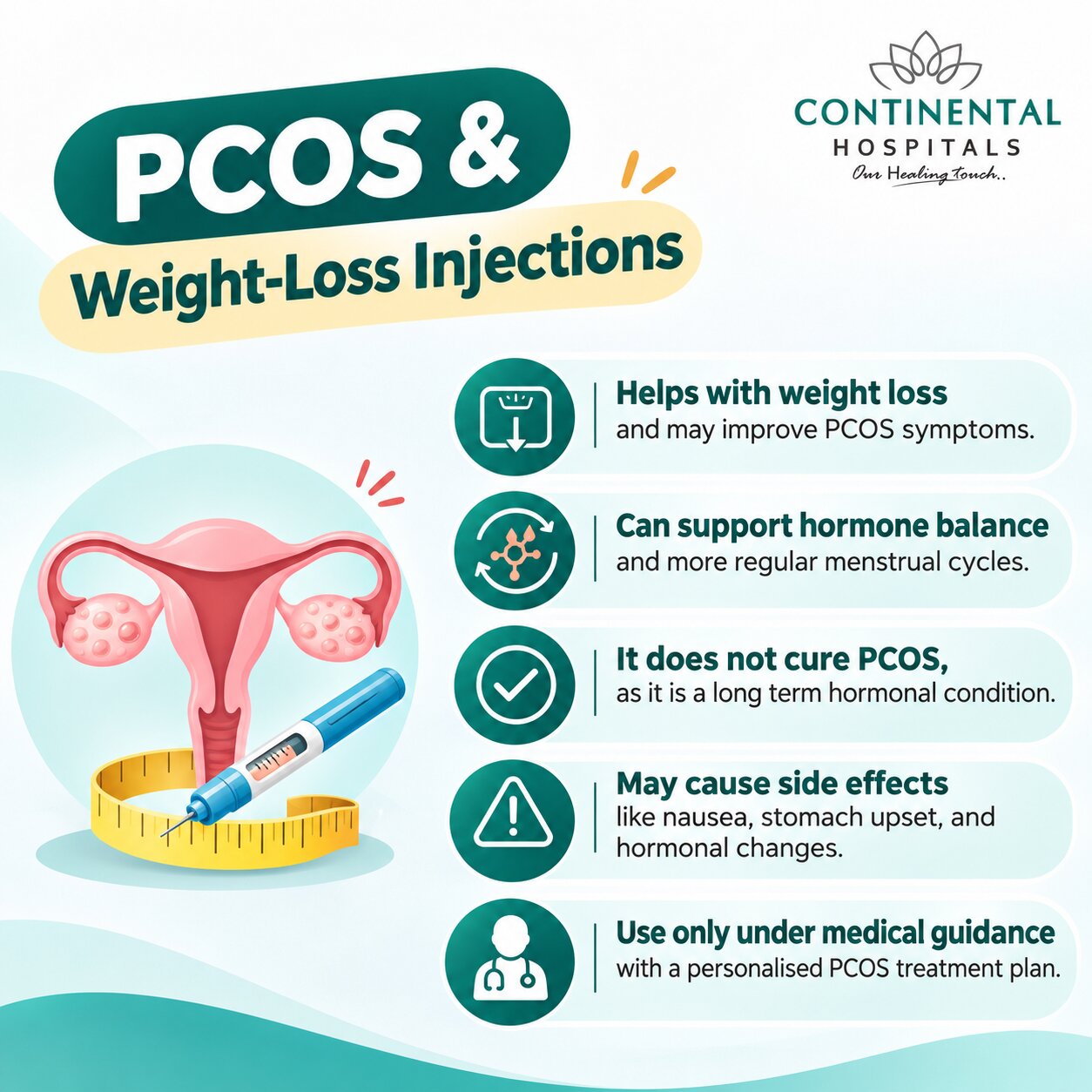
No. Weight loss injections do not help to cure PCOS, as there are several hormones involved in PCOS.

Second Opinion

Nonetheless, there might be a connection between weight loss injections and PCOS treatment via the means of weight and metabolism regulation. For women with PCOS who are overweight or obesity, under medical supervision, weight loss can help:

  • Improve insulin resistance
  • Make menstruation more regular
  • Facilitate ovulation for some patients
  • Lower metabolic risks
  • Improve hormonal balance.

It works differently for different people. Some women do not experience any of the above.
What Are the Most Frequent Myths Concerning PCOS Weight-Loss Injections?

Is it true that weight-loss injections can solve the problem of PCOS once and for all? There are quite a few myths related to these drugs. Learning more about them can help women to choose the right treatment.

Myth 1: Weight-loss injections provide an ultimate cure for PCOS.

Fact: Such medications might be useful in controlling some weight-related problems, but they cannot change the hormonal issue.

Myth 2: All women with PCOS need weight-loss injections.

Need an Appointment?

Fact: Not all women with PCOS need these drugs. Their use will depend on a woman's body weight, insulin resistance, symptoms, her medical history, and her needs.

Myth 3: Weight-loss injections help to improve fertility.

Fact: The process of losing weight might help a woman to become fertile, but the use of such injections cannot be called a treatment for infertility.

Myth 4: One can give up the other means of treating PCOS after losing weight.

What Are the Possible Medical Dangers of Weight Loss Injections?

Are the weight loss injections absolutely safe? As with other medications, side effects may occur, and medical supervision is necessary.

Some potential side effects include:

1. Nausea and vomiting: Some patients experience gastrointestinal side effects, especially at the beginning of treatment or with increasing doses.
2. Diarrhoea and constipation: Bowel movement changes may appear.
3. Pain in the stomach: Digestive discomfort or bloating may happen.
4. Dehydration: Persistent nausea or diarrhea may cause dehydration.
5. Gallstones and gallbladder inflammation: This condition may appear in some patients.
6. Pancreatitis: It is a serious complication that requires urgent medical assistance.

There are also certain contraindications for these medicines since not everybody is able to use them. Some medicines have contraindications, such as personal and familial history of medullary thyroid carcinoma or multiple endocrine neoplasia syndrome type 2.

Warning! The weight loss injections should not be used during pregnancy. Women who plan on having children need to talk to their doctor about stopping these medications. For example, semaglutide needs to be discontinued two months before planning pregnancy.

Who Can Take Advantage of Weight Loss Injections for PCOS?

Does each woman with PCOS qualify for such treatment? Not every woman with PCOS is a candidate for taking weight loss medicines. When deciding to prescribe weight loss medication, a doctor takes into account that a woman has PCOS and is overweight/obese.

Some of the factors considered by a professional before suggesting treatment may include:

  • The body mass index and possible risks caused by weight problems.
  • Sugar levels and insulin resistance.
  • Overall hormonal health.
  • Menstrual history.
  • The functioning of thyroid glands if needed.
  • Any other diseases or medicines used.
  • Possible plans to get pregnant.

How Else Can PCOS Be Managed Naturally?

Is it possible to manage PCOS without the use of injections to lose weight? The answer is yes. Lifestyle management plays a significant role in the management of PCOS and is a vital part of its treatment process, whether one is on medication or not.

Good practices to adopt include:

  • Proper nutrition: Eating healthy vegetables, fruits, grains, proteins, and foods that contain fibers.
  • Exercise regularly: Taking a walk, riding a bicycle, doing strength training, and other forms of exercise will help.
  • Good sleeping habits: Ensuring that one sleeps at a fixed time and gets enough sleep.
  • Managing stress: This could be through yoga and meditation.
  • Frequent health checks: Checking your blood sugar levels, cholesterol, periods, and other aspects of your health.

Importance of Medical Guidance Before the Application of Weight Loss Injections

What are the reasons for visiting a specialist before you begin your treatment by weight loss injections? PCOS affects different women in their own way, and treatment depends on your specific symptoms, hormonal health, and metabolic condition.

Uncontrolled treatment and application of injections without medical advice may bring about negative consequences and complications.

Why Consider Continental Hospitals for PCOS Treatment?

What makes it necessary to choose an ideal hospital when managing PCOS? PCOS is a condition that must be managed comprehensively, and this involves the hormonal health, weight management, irregular menstruation, and reproductive health of patients.

Continental Hospitals at Hyderabad provides comprehensive women's health services with support from expert gynecologists and various modern diagnostic techniques and multidisciplinary healthcare.

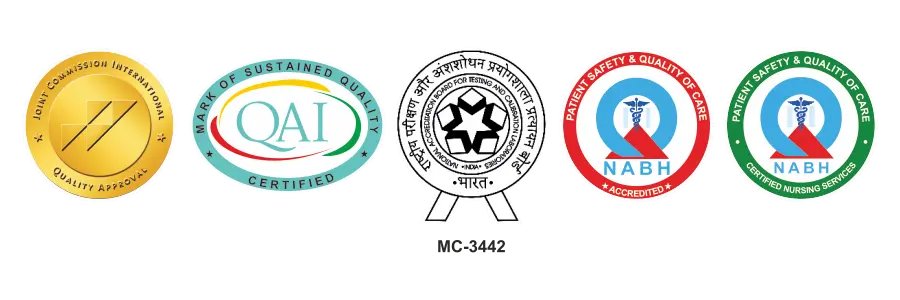
The hospital has received several awards and accolades for providing high-quality healthcare, including accreditations from Joint Commission International (JCI), NABH (National Accreditation Board for Hospitals & Healthcare Providers), and QAI (Quality and Accreditation Institute).

Women requiring PCOS treatment can get evaluated medically, undergo proper diagnosis, and get advice regarding treatment options depending on their health situation.

Conclusion

While weight loss injections can be effective for some women who have PCOS in managing their obesity problems and enhancing their insulin resistance, it is important to note that they do not provide a permanent solution for PCOS.

In case you have PCOS and are experiencing problems like unexpected weight gain, irregular menstrual cycles, and other issues related to hormones, please get in touch with our best gynecologist in Hyderabad at Continental Hospitals, Hyderabad.

Frequently Asked Questions

Weight-loss injections cannot cure Polycystic Ovary Syndrome (PCOS). PCOS is a hormonal and metabolic condition that requires long-term management. Certain injectable medications may help women manage excess body weight. They can also improve some metabolic factors in eligible patients. Weight reduction may help improve insulin resistance in women with PCOS. Some women may experience more regular menstrual cycles after losing weight. However, these medicines do not address every underlying cause of PCOS. They cannot guarantee ovulation or pregnancy. Symptoms may return if weight is regained after treatment. The benefits vary depending on individual health conditions. Weight-loss injections should only be used under medical supervision. A gynaecologist or endocrinologist can determine whether these medications are suitable. PCOS management may also include dietary changes, exercise and other prescribed treatments.
Certain prescription medications used for weight management may be considered for women with PCOS. These include GLP-1 receptor agonists such as semaglutide and liraglutide. Some medications work by regulating appetite and increasing feelings of fullness. They can help reduce food intake and support weight loss. Tirzepatide is another injectable medication that acts on GIP and GLP-1 receptors. These medicines may improve certain metabolic factors in eligible patients. However, they are not specifically approved as a cure for PCOS. Their suitability depends on body weight, medical history and associated health conditions. Not every woman with PCOS needs weight-loss injections. These medications can have side effects and contraindications. They should not be taken without a doctor's prescription. Your specialist can explain the available options and expected benefits. Treatment should be personalised according to your reproductive and metabolic health.
Weight-loss injections may indirectly help improve menstrual regularity in some women with PCOS. Excess body weight can contribute to insulin resistance and hormonal imbalances. These changes may interfere with normal ovulation. Weight reduction can improve insulin sensitivity in some patients. Better metabolic health may support more regular menstrual cycles. Some women may notice improvements in their periods after losing weight. However, results are not the same for everyone. Weight-loss injections do not directly regulate menstrual hormones. They cannot guarantee regular ovulation or resolve every menstrual problem. Other treatments may be needed to manage irregular periods. Your doctor may recommend hormonal evaluation and appropriate investigations. Do not stop prescribed PCOS medication without medical advice. Consult a gynaecologist if your periods remain irregular or absent. A personalised treatment plan can help address the underlying hormonal concerns.
Weight-loss injections may support certain aspects of reproductive health in women with PCOS. Excess weight and insulin resistance can affect ovulation. Weight reduction may help improve hormonal and metabolic balance. Some women may experience more regular ovulation after losing weight. However, these injections are not fertility treatments. They do not directly guarantee egg quality, fertilisation or pregnancy. The effect on fertility varies between individuals. Women planning pregnancy should discuss these medications with their fertility specialist. GLP-1 medications are generally not recommended during pregnancy. Some medicines require a specific discontinuation period before attempting conception. The required interval depends on the medication prescribed. Never stop or start these medicines without medical guidance. Other PCOS fertility treatments may be more appropriate when pregnancy is the immediate goal. A fertility specialist can recommend a safe treatment approach based on your reproductive health.
Weight-loss injections can be suitable for certain women with PCOS when prescribed appropriately. However, they may cause side effects and require medical monitoring. Common side effects include nausea, vomiting, diarrhoea and constipation. Some patients may experience abdominal discomfort or reduced appetite. Dehydration can occur if vomiting or diarrhoea is severe. Rare but serious risks include pancreatitis and gallbladder problems. Certain medications also have specific contraindications and warnings. These injections may not be suitable for everyone. Your doctor will review your medical history before prescribing them. Inform your doctor about existing health conditions and other medications. Women who are pregnant or planning pregnancy need special consideration. Follow the prescribed dosage and never increase it independently. Seek medical attention if you experience severe or persistent symptoms. Regular follow-up helps monitor your response and overall health.
PCOS does not disappear simply because a woman loses weight with injections. These medications help manage weight and certain metabolic concerns. They do not permanently remove the underlying hormonal condition. After stopping treatment, appetite and body weight may increase in some individuals. Weight regain can affect insulin resistance and metabolic health. Menstrual irregularities may also return in some women. However, this does not happen to everyone. Maintaining balanced eating habits can support long-term weight management. Regular physical activity is also important. Your doctor may recommend continued lifestyle support or alternative treatments. Never discontinue prescribed medication without discussing it with your specialist. Regular monitoring can help identify returning symptoms. PCOS generally requires ongoing, individualised management. A long-term care plan can help maintain improvements in overall health.
Yes, weight-loss injections used in women with PCOS can cause side effects. Gastrointestinal symptoms are among the most commonly reported problems. These may include nausea, vomiting, diarrhoea and constipation. Some women may experience bloating or abdominal discomfort. Reduced appetite can sometimes make it difficult to meet nutritional needs. Dehydration may occur if vomiting or diarrhoea becomes persistent. Less common but serious complications include pancreatitis and gallbladder disease. Some medications have additional specific safety warnings. Side effects may vary depending on the medicine and dosage. Your doctor may gradually adjust the dose when appropriate. Do not change your medication schedule independently. Report severe abdominal pain or persistent vomiting immediately. Discuss any existing medical conditions before starting treatment. Medical supervision helps reduce avoidable risks and supports safer treatment.
Weight-loss injections are generally not recommended during pregnancy. These medications are intended for weight management rather than pregnancy treatment. Some medicines may pose potential risks to the developing baby. Women planning pregnancy should discuss their treatment well in advance. The recommended discontinuation period varies between medications. For example, semaglutide is generally stopped at least two months before a planned pregnancy. Other medications have different recommendations. Do not stop treatment or attempt conception without medical guidance. Inform your doctor immediately if you become pregnant while using a weight-loss injection. Your specialist can advise on the appropriate next steps. Women with PCOS may need alternative approaches to manage weight and metabolic health. A balanced diet and suitable physical activity can support overall health. Fertility treatment should be planned according to individual medical needs. Always consult your gynaecologist or fertility specialist before making medication decisions.
Managing weight with PCOS requires consistent lifestyle habits. A balanced diet with adequate protein and fibre can support metabolic health. Include vegetables, fruits, whole grains and healthy fats in your meals. Limit sugary beverages and highly processed foods. Choose regular meals that help maintain stable energy levels. Physical activity can improve insulin sensitivity. Walking, strength training and other suitable exercises can support weight management. Aim for consistent sleep and healthy daily routines. Stress management is also important for overall well-being. Avoid crash diets and extreme weight-loss methods. Even moderate weight reduction may improve some PCOS-related metabolic and reproductive symptoms. Regular medical check-ups help monitor blood sugar, cholesterol and hormonal health. A dietitian can help create an individualised nutrition plan. Consult a gynaecologist or endocrinologist for comprehensive PCOS management.
Disclaimer: The information provided in this blog is intended for general knowledge and informational purposes only, and does not constitute medical advice. Always consult with a qualified healthcare professional for any medical concerns or before making any decisions about your health.

Get in Touch With Us

Whether you are from India or abroad, we are here to help you with your medical queries. Please fill out the form below and our team will connect with you shortly.

  • ✔ Quick response from our medical experts
  • ✔ Secure data handling & privacy
  • ✔ Easy upload for reports & documents
banner_image

Chat with our medical experts on WhatsApp for quick assistance and hassle-free appointment booking

Recent Posts