post-title

Colonoscopy Prep: Step-by-Step Guide for First-Timers

Written by - Editorial Team
Medically Reviewed by - Dr Raghuram Kondala

Preparing for a colonoscopy can feel overwhelming if it is your first time. Many people are nervous about what to expect, how to get ready, and whether it will be uncomfortable. The good news is that with the right guidance, the process becomes clear and manageable. A colonoscopy is a crucial test to check the health of your colon and to detect any early warning signs of digestive or gastrointestinal issues. This blog will walk you through each step of colonoscopy prep in simple and engaging language so that you feel informed, confident, and ready.

What is a Colonoscopy?

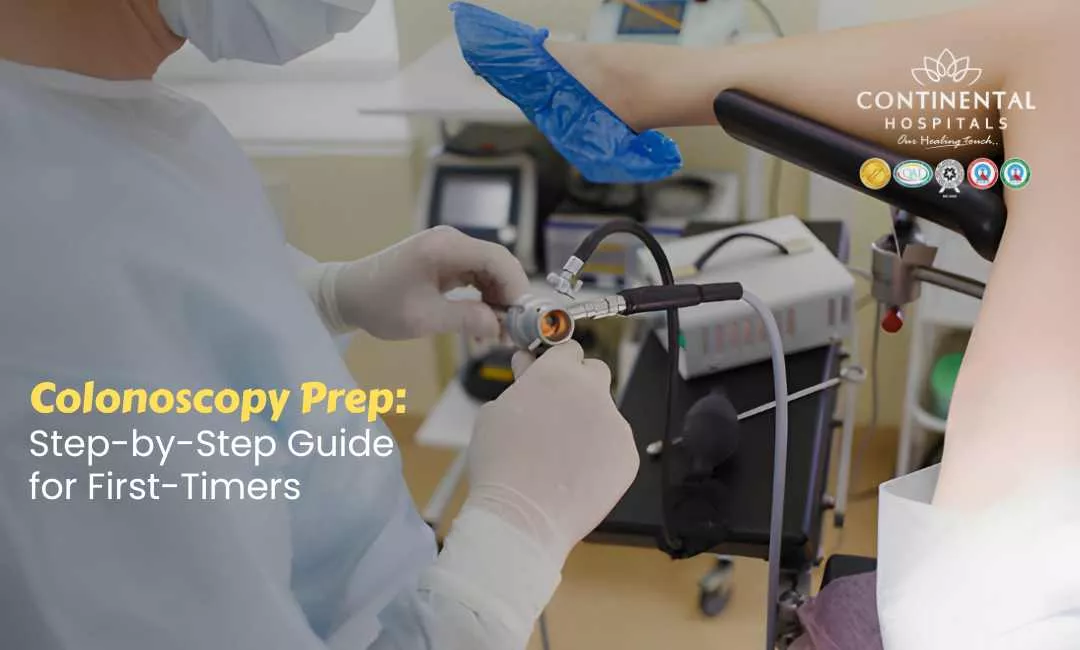
A colonoscopy is a medical test that allows a gastroenterologist to look inside your large intestine using a thin, flexible tube with a camera. This test helps detect polyps, growths, ulcers, inflammation, or early signs of colon cancer. It is often recommended for people over the age of 45, for those with digestive symptoms such as bleeding, or for patients with a family history of gastrointestinal diseases.

The test itself is safe and usually lasts about 30 to 60 minutes. The most important part is preparing your body before the procedure.

Visit our gastroenterology specialist doctors at Continental Hospitals, Hyderabad, for expert diagnosis and advanced treatment of all digestive and liver conditions.
Why is Colonoscopy Prep Important?

The preparation process clears your colon so that the doctor has a clear view of your digestive tract. If the bowel is not properly cleaned, important details may be missed, and the test may need to be repeated. A clean colon means a faster, more accurate test and peace of mind for you.

What is the step-by-step process for colonoscopy preparation?

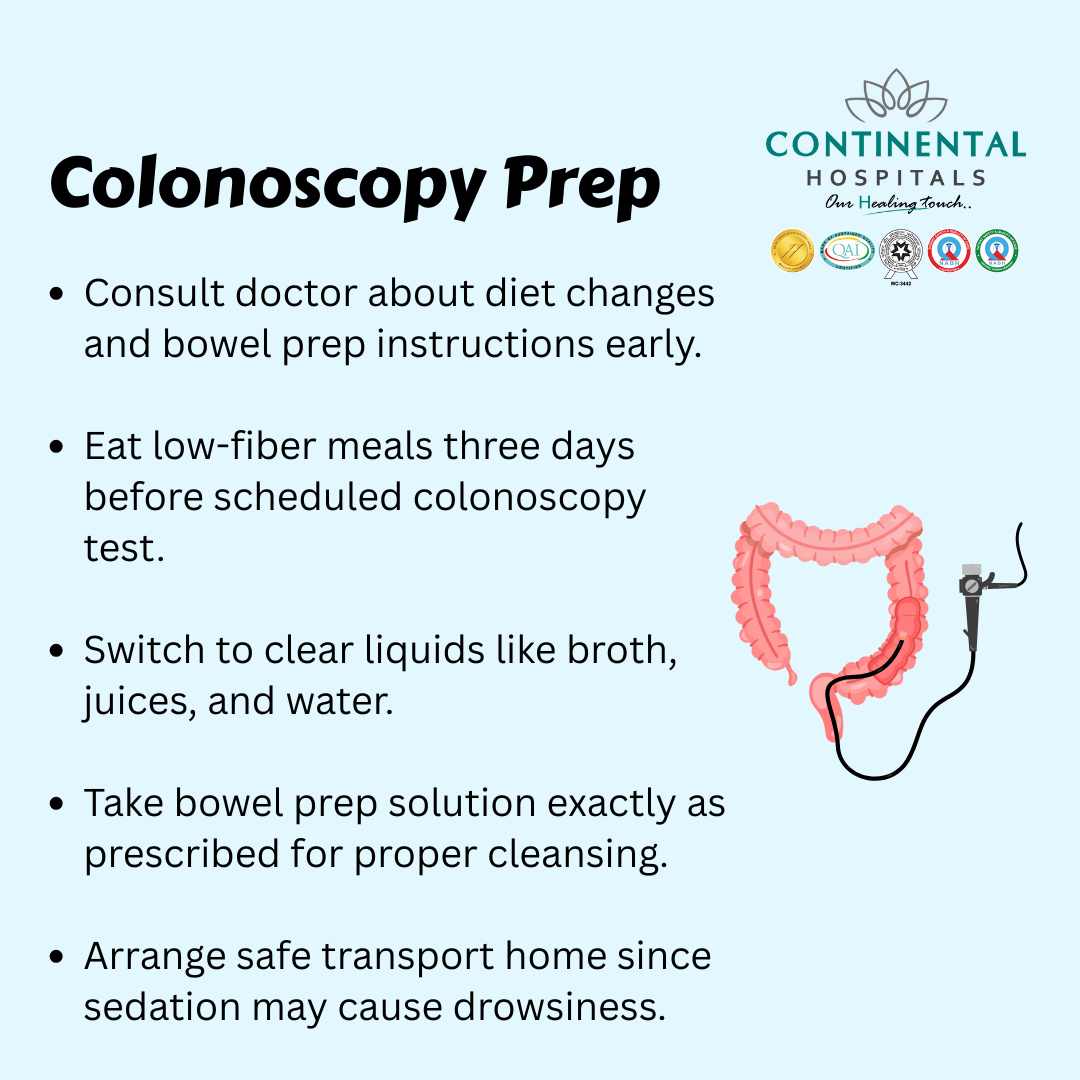
Step 1: Talk to Your Doctor
Before you begin, your gastroenterologist will explain the procedure and ask about your medical history. Share details about medications, allergies, or other health concerns. This is the time to clarify doubts.

Ask questions like:
What foods should I avoid?
Can I continue taking my regular medicines?
What can I expect on the day of the test?

Step 2: Follow a Low-Fiber Diet
A few days before the colonoscopy, you will be asked to follow a low-fiber diet. Foods that are easy to digest and leave little residue in the colon are preferred. Stick to soft foods such as rice, eggs, and soups. Avoid raw vegetables, seeds, whole grains, and foods that are difficult to digest.

Second Opinion

Step 3: Switch to Clear Liquids
One day before the test, you will move to a clear liquid diet. This usually includes water, clear soups, plain tea, black coffee without milk, and clear fruit juices without pulp. Avoid red or purple liquids as they may look like blood during the test. Staying hydrated is very important at this stage.

Step 4: Take the Bowel Prep Solution
Your doctor will prescribe a bowel cleansing solution. This is the most crucial step in colonoscopy prep. The solution helps to completely empty the colon. You will usually drink it in two parts: one the evening before and one a few hours before the procedure. Some people find the taste unusual, but drinking it slowly and chilling it in the refrigerator can make it easier.

Step 5: Stay Near a Restroom
Once you take the prep solution, you will need to visit the restroom frequently. This is normal, and it shows the solution is working. Plan your day accordingly, stay comfortable, and keep yourself hydrated with clear liquids.

Step 6: Day of the Colonoscopy
On the morning of the procedure, follow your doctor’s instructions carefully. You will usually be asked not to eat or drink anything except small sips of water. Wear comfortable clothing and arrange for a friend or family member to accompany you, as sedation is often given for the test.

What to Expect During the Procedure?

When you arrive at the hospital, the care team will make you comfortable. A sedative may be given so that you feel relaxed. The doctor will gently insert the colonoscope to examine the large intestine. Most people do not feel pain because of the sedation, and some even sleep through the entire procedure. Afterward, you may feel mild bloating which passes within a few hours.

After the Colonoscopy: What Happens After the Procedure?

You will spend some time in the recovery area until the sedation wears off. The doctor will share the findings with you. If any polyps or tissue samples are taken, they may be sent for testing. You should avoid driving or working immediately after the procedure. Rest at home for the day and return to a normal diet and activities as advised by your doctor.

Why Choose Continental Hospitals for Your Colonoscopy?

When it comes to a sensitive and vital test like colonoscopy, choosing the right hospital makes all the difference. At Continental Hospitals, you benefit from:

Need an Appointment?

  • Expert gastroenterologists with decades of experience in performing colonoscopies and advanced endoscopic procedures.
  • State-of-the-art facilities with the latest equipment ensuring accurate and safe diagnosis.
  • Personalized care tailored to your health history and specific needs.
  • World-class accreditations including JCI and NABH, reflecting our commitment to global standards of safety and quality.
  • Patient-Centered Approach where comfort, privacy, and clear communication are our top priorities.

Continental Hospitals in Gachibowli, Hyderabad, is one of the leading centers for gastroenterology and digestive health. Conveniently located in the financial district, it serves patients not only from Hyderabad but also from neighboring areas like Nanakramguda, Kondapur, Kokapet, Narsingi, and Hitec City.

What are the best tips to make colonoscopy prep easier?

Keep your prep solution chilled for better taste.

  • Use a straw to sip the solution quickly.
  • Apply petroleum jelly or wipes to prevent irritation from frequent restroom use.
  • Keep yourself distracted with music or a light movie while waiting.

Remember, the discomfort of prep lasts only for a day, but the benefits of early detection last a lifetime.

Conclusion

Colonoscopy prep is the most important step for a successful test. By following your doctor’s instructions and preparing in advance, you can ensure that the procedure goes smoothly. Remember, the goal of this test is to protect your digestive health and detect any problems early.

If you suffer from digestive issues or need a colonoscopy, book your appointment with our best gastroenterologist in hyderabad at Continental Hospitals, Hyderabad. Our specialists are here to provide safe, reliable, and patient-friendly care for all your digestive health needs.

Related Blogs:

  1. Colonoscopy Prep Diet: Foods to Eat and Skip
  2. What to Eat and Avoid Before Your Colonoscopy

Frequently Asked Questions

Proper bowel preparation is one of the most important steps for a successful colonoscopy. A clean colon allows the doctor to clearly examine the lining of the large intestine and identify polyps, inflammation, bleeding, ulcers, or early signs of colorectal cancer. If stool remains inside the colon, small abnormalities may be hidden, reducing the accuracy of the examination. Poor preparation can increase the procedure time and may even require the colonoscopy to be repeated. Following the prescribed diet and bowel-cleansing instructions improves visibility and diagnostic accuracy. It also increases the likelihood that polyps can be safely removed during the same procedure if needed. Good preparation helps avoid delays, repeat procedures, and unnecessary discomfort. Carefully following your gastroenterologist's instructions is the best way to ensure reliable results.
Your doctor will usually recommend a low-fiber diet one to three days before the colonoscopy, followed by a clear liquid diet on the day before the procedure. Suitable foods may include white rice, plain pasta, white bread, eggs, yogurt, lean chicken, and clear soups. Avoid high-fiber foods such as whole grains, nuts, seeds, beans, raw vegetables, and fruits with skin or seeds because they leave residue in the colon. On the day before the procedure, drink only clear liquids like water, clear broth, apple juice, coconut water without pulp, electrolyte drinks, and plain tea or coffee without milk. Avoid red, blue, or purple-colored beverages, which may interfere with the examination. Staying hydrated throughout the preparation is equally important.
Your doctor will prescribe a bowel preparation solution with detailed instructions based on your health condition. Many patients are advised to follow a split-dose regimen, where part of the solution is taken the evening before the colonoscopy and the remaining portion several hours before the procedure. Drink each glass steadily instead of consuming it too quickly. Chilling the solution or drinking it through a straw may improve the taste. Continue drinking clear liquids unless your doctor advises otherwise. Stay close to a restroom because frequent bowel movements will begin within a few hours. Complete the entire preparation even if your stools become clear early. Never change the preparation schedule without consulting your healthcare provider.
After taking the bowel preparation solution, you will experience frequent loose stools that gradually become watery and clear. This is expected and indicates that the colon is being cleaned effectively. Mild abdominal cramping, bloating, and temporary discomfort are common during the process. Drinking plenty of approved clear liquids helps prevent dehydration and reduces discomfort. Apply a gentle barrier cream around the anal area if repeated bowel movements cause irritation. Remain near a restroom and avoid traveling during the preparation period. Contact your doctor if you develop severe abdominal pain, persistent vomiting, dizziness, or heavy rectal bleeding. Most symptoms improve once the preparation is complete.
Never stop your regular medications without discussing them with your doctor before the procedure. Some medications, including blood thinners, diabetes medicines, iron supplements, and certain herbal supplements, may require temporary adjustments. Your healthcare provider will give personalized instructions based on your medical history and the reason for your colonoscopy. Continue taking medications that are specifically approved by your doctor, usually with small sips of water if permitted. Inform your gastroenterologist about all prescription medicines, over-the-counter drugs, vitamins, and supplements you take regularly. This helps reduce the risk of complications and ensures the procedure is performed safely. Always follow the medication instructions provided by your healthcare team.
Yes, clear liquids, including water, are generally encouraged during bowel preparation because they help prevent dehydration. However, you must stop drinking all liquids within the fasting period recommended by your doctor, usually several hours before the procedure. Follow the exact instructions provided by your healthcare team because fasting requirements may vary depending on the timing of your colonoscopy and the type of sedation used. Avoid milk, cream, fruit juices with pulp, and alcoholic beverages. Proper hydration before the fasting period makes the bowel preparation more effective and helps you feel more comfortable. Always follow your doctor's specific instructions rather than general guidelines.
If your bowel preparation is incomplete, stool remaining inside the colon may prevent the doctor from clearly seeing the intestinal lining. This can reduce the accuracy of the colonoscopy and increase the risk of missing small polyps or early cancers. In some cases, the procedure may take longer or need to be repeated on another day after better preparation. If your bowel movements are not becoming clear as instructed, contact your healthcare provider before your appointment. They may recommend additional preparation depending on your situation. Completing the preparation exactly as prescribed greatly improves the quality of the examination and reduces the likelihood of repeat procedures.
After the colonoscopy, you will remain under observation until the effects of sedation begin to wear off. Because sedation can temporarily affect alertness and coordination, arrange for a responsible adult to drive you home. Mild bloating or passing gas is common because air is introduced into the colon during the examination. Most people can gradually return to their normal diet unless the doctor provides different instructions. Drink plenty of fluids to replace those lost during bowel preparation. Follow any advice regarding medications or activity restrictions, especially if polyps were removed. Contact your healthcare provider immediately if you develop severe abdominal pain, persistent bleeding, fever, or vomiting after returning home.
Disclaimer: The information provided in this blog is intended for general knowledge and informational purposes only, and does not constitute medical advice. Always consult with a qualified healthcare professional for any medical concerns or before making any decisions about your health.

Get in Touch With Us

Whether you are from India or abroad, we are here to help you with your medical queries. Please fill out the form below and our team will connect with you shortly.

  • ✔ Quick response from our medical experts
  • ✔ Secure data handling & privacy
  • ✔ Easy upload for reports & documents
0 / 100
Checkboxes Section


banner_image

Chat with our medical experts on WhatsApp for quick assistance and hassle-free appointment booking

Recent Posts
Language Based Image
0 / 100