.webp)

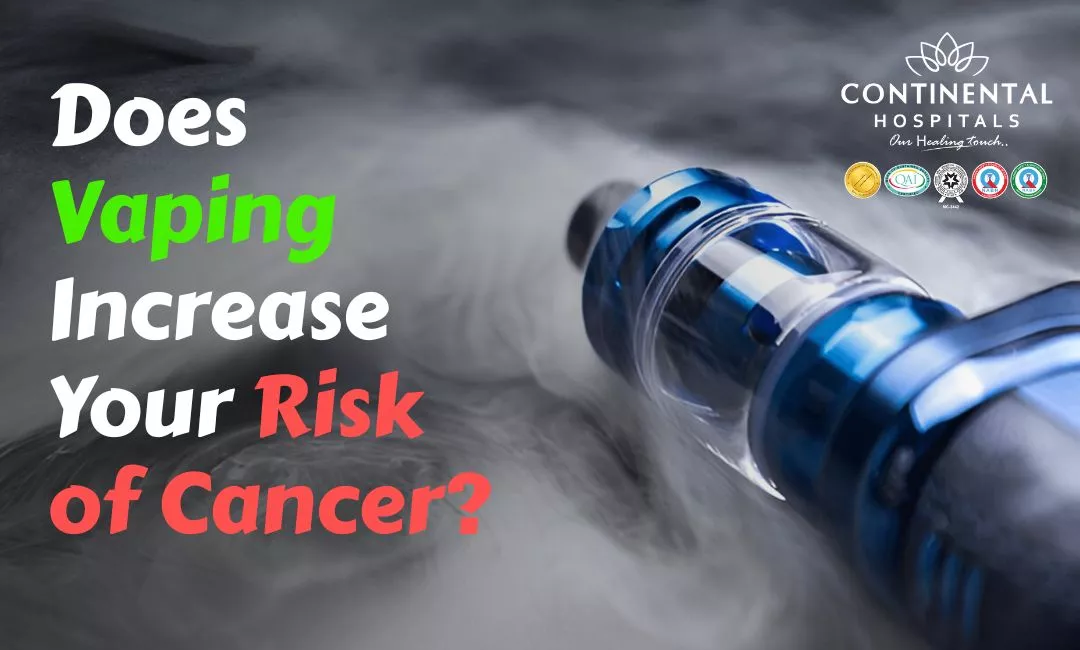
Vaping has become a popular alternative to smoking in recent years, with many people turning to e-cigarettes in hopes of quitting traditional tobacco. While vaping is often promoted as a safer option, there are concerns about its potential health risks, particularly in relation to cancer. If you're curious about whether vaping increases your cancer risk, you're not alone. In this blog, we’ll explore the connection between vaping and cancer, why it’s important to understand the risks, and how you can protect your health.
The Rise of Vaping: What’s in the Vape?
Vaping involves inhaling vapor produced by an e-cigarette or other vaping device. These devices heat a liquid (often called "e-liquid" or "vape juice") that typically contains nicotine, flavorings, and other chemicals. Unlike traditional cigarettes, e-cigarettes don’t burn tobacco, which many people believe makes them less harmful.
However, the liquid in e-cigarettes contains various chemicals, and when heated, these chemicals can break down into toxic substances. Some of these substances are known to be carcinogenic, meaning they have the potential to cause cancer.
What Chemicals Are Found in E-Cigarette Vapor?
The vapor produced by e-cigarettes contains more than just nicotine and flavorings. Some of the chemicals in e-liquids are harmful when inhaled into the lungs over time. Here are some substances commonly found in vaping products:
Formaldehyde: A known carcinogen, formaldehyde is used in some e-cigarette liquids. When exposed to heat, it can cause irritation in the airways and potentially lead to lung cancer with long-term exposure.
Acrolein: This chemical, used as a weed killer, is also found in e-cigarette vapor. It can cause respiratory issues and has been linked to lung damage and cancer when inhaled over a prolonged period.
Nicotine: While nicotine itself is not a carcinogen, it can still be harmful to your health. Nicotine can contribute to increased heart rate and blood pressure and may raise your risk of heart disease. Long-term nicotine use can also affect the development of the lungs, especially in younger users.
Aromatic Amines: These chemicals, often used in flavorings, have been shown to cause cancer in animal studies. While they are present in very small amounts in e-cigarette vapor, the long-term risks are still unknown.
Early detection can make all the difference. Schedule a consultation with our Best Cancer Specialist in Hyderabad today and take the first step toward protecting your health.

How Does Vaping Compare to Smoking?
It's essential to understand that while vaping is generally considered less harmful than smoking traditional cigarettes, it is not without its risks. Traditional cigarettes contain thousands of toxic chemicals, many of which are known carcinogens. Smoking increases the risk of lung cancer, mouth cancer, throat cancer, and other forms of cancer.
Vaping, on the other hand, is still a relatively new phenomenon, and research on its long-term effects is ongoing. Some studies suggest that e-cigarettes may be less harmful than smoking because they don't produce tar and many of the other toxic chemicals found in traditional tobacco smoke. However, the presence of harmful chemicals in e-cigarette vapor, especially over time, raises concerns about their potential to cause cancer.
The key takeaway here is that while vaping may be a better alternative to smoking, it is still not entirely safe. Long-term use of e-cigarettes could increase your risk of developing serious health conditions, including cancer.
Is there a link between vaping and cancer?
At this point, you may be wondering how vaping might contribute to cancer. The primary concern lies in the chemicals that are released when the vape liquid is heated. These chemicals, when inhaled, can enter your lungs and potentially damage the tissue over time.
Although the research on vaping and cancer is still in its early stages, scientists believe that some of the harmful substances in e-cigarette vapor could lead to cancer in the long run. Some studies have shown that exposure to these chemicals can cause changes in lung cells, which could eventually lead to cancer. Additionally, some e-cigarette users experience lung damage and respiratory issues, which could increase the likelihood of developing cancer over time.
It's important to note that the risk of developing cancer from vaping is likely to be much lower than the risk associated with smoking traditional cigarettes. However, that does not mean that vaping is risk-free. Even without the thousands of toxic chemicals found in cigarettes, vaping still poses a health risk, especially if you use e-cigarettes frequently over several years.
What Do Experts Say About Vaping and Cancer?
The American Cancer Society and other health organisations have voiced concerns about vaping, noting that while the long-term effects of e-cigarettes are not yet fully understood, the presence of carcinogenic substances in the vapour could increase cancer risk. Experts agree that non-smokers, especially young people, should avoid using e-cigarettes entirely. For smokers looking to quit, vaping may offer a less harmful alternative, but they should aim to quit all forms of nicotine use as soon as possible.
Should You Quit Vaping?
If you’re concerned about your health and the potential risks of vaping, it may be time to consider quitting. Quitting vaping can help lower your risk of lung damage, heart disease, and other health problems, including cancer. Although quitting can be challenging, there are many resources and support systems available to help you.
If you're struggling to quit, consider reaching out to a healthcare provider or a smoking cessation program. These programs can help you manage cravings, find healthier alternatives, and offer the support you need to succeed.
Why Choose Continental Hospitals?
If you're looking for expert care and guidance in managing your health, Continental Hospitals is here to help. We offer a range of services, including support for those looking to quit smoking or vaping. Our team of doctors and specialists can help you navigate your journey to better health with personalized care and expert advice. Whether you’re dealing with cancer risk, lung health, or any other medical concern, our experienced team is dedicated to providing you with the highest standard of care.
Conclusion
Vaping may be less harmful than smoking traditional cigarettes, but it still carries significant health risks, including an increased risk of cancer. The chemicals found in e-cigarette vapor can cause lung damage and potentially lead to cancer over time. If you're concerned about your health or want to quit vaping, it's important to seek support and make the decision to stop. Your health is worth it.
Facing health issues from smoking or vaping? Consult the best oncologist in Hyderabad at Continental Hospitals, Hyderabad for expert care and support.