.webp)

When it comes to heart health, we often think of the usual suspects: high blood pressure, high cholesterol, smoking, and poor diet. However, there are numerous hidden risk factors that can silently affect your heart health without you even realizing it. These risk factors can be more subtle but just as dangerous. Understanding them and how they can impact your heart is crucial for maintaining long-term wellness.
1. Chronic Stress
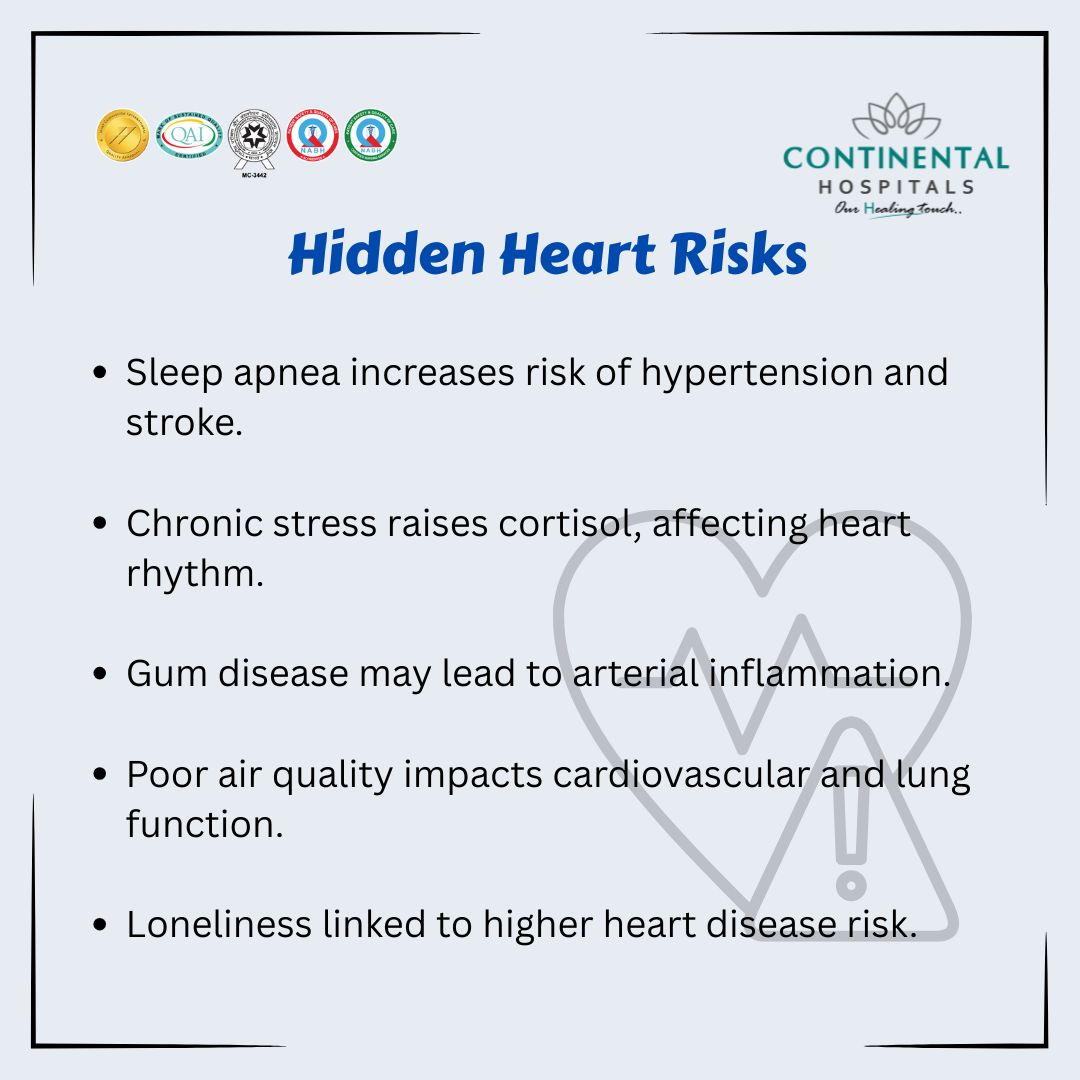
Stress is often an overlooked factor in heart health. While we all experience stress from time to time, chronic stress can take a significant toll on your heart. It leads to the release of stress hormones like cortisol, which can increase heart rate and blood pressure. Over time, these elevated levels of stress hormones may contribute to heart disease.
For example, imagine a person dealing with work pressure every day. As the stress builds, it doesn’t just affect their mental well-being but can also lead to physical changes that put strain on their cardiovascular system. In extreme cases, chronic stress can even lead to heart attacks.
Don't ignore warning signs. Visit the Best Cardiology Doctors in Hyderabad at Continental Hospitals and consult our experienced heart specialists today.
2. Poor Sleep Quality
You might be surprised to learn that not getting enough sleep, or getting poor-quality sleep, is a major hidden risk factor for heart disease. Sleep is when the body repairs itself, and if you're not getting enough rest, it can lead to inflammation, high blood pressure, and higher cholesterol levels. Lack of sleep has been shown to increase the risk of heart disease and stroke over time.
Take Sarah, for example. She’s been working long hours and only getting five to six hours of sleep each night. Over time, her blood pressure begins to rise, and she starts noticing increased fatigue. It’s easy to overlook the impact of sleep deprivation, but it plays a critical role in heart health.
3. Obesity and Belly Fat
While most people know that being overweight is linked to heart disease, the type of fat you carry is just as important. Belly fat, or visceral fat, is particularly harmful to heart health. This type of fat surrounds your organs and releases inflammatory markers that can cause damage to blood vessels, leading to higher blood pressure and an increased risk of heart disease.
John was always the "big guy" in the office, but he didn’t think his extra weight would harm his heart. However, when his doctor told him that the fat around his midsection could lead to increased cholesterol levels and blood pressure, he became more mindful of his waistline. Understanding the connection between obesity, belly fat, and heart health is key to maintaining a healthy heart.

4. Dehydration
Many of us don’t drink enough water, and this can affect more than just our hydration levels. Dehydration causes your blood to thicken, which makes it harder for the heart to pump it effectively. Over time, this puts additional strain on the cardiovascular system and increases the risk of heart disease and stroke.
Think about Lisa, who’s always on the go and forgets to drink enough water throughout the day. She may not notice it immediately, but dehydration over time can lead to heart complications. Maintaining hydration is an often-forgotten factor in heart health.
5. Sleep Apnea
Sleep apnea is a disorder where your breathing repeatedly stops and starts during sleep. While many people are unaware they have it, sleep apnea can raise blood pressure and cause other cardiovascular issues. The constant lack of oxygen during sleep puts a strain on the heart, and those who suffer from sleep apnea have an increased risk of heart disease, stroke, and even heart failure.
Mark didn’t realize he was waking up multiple times each night gasping for air. It wasn’t until he sought treatment for his sleep apnea that his doctor pointed out the connection between this disorder and his increasing risk of heart disease. It’s crucial to recognize the signs of sleep apnea and treat it early.
6. Inflammation
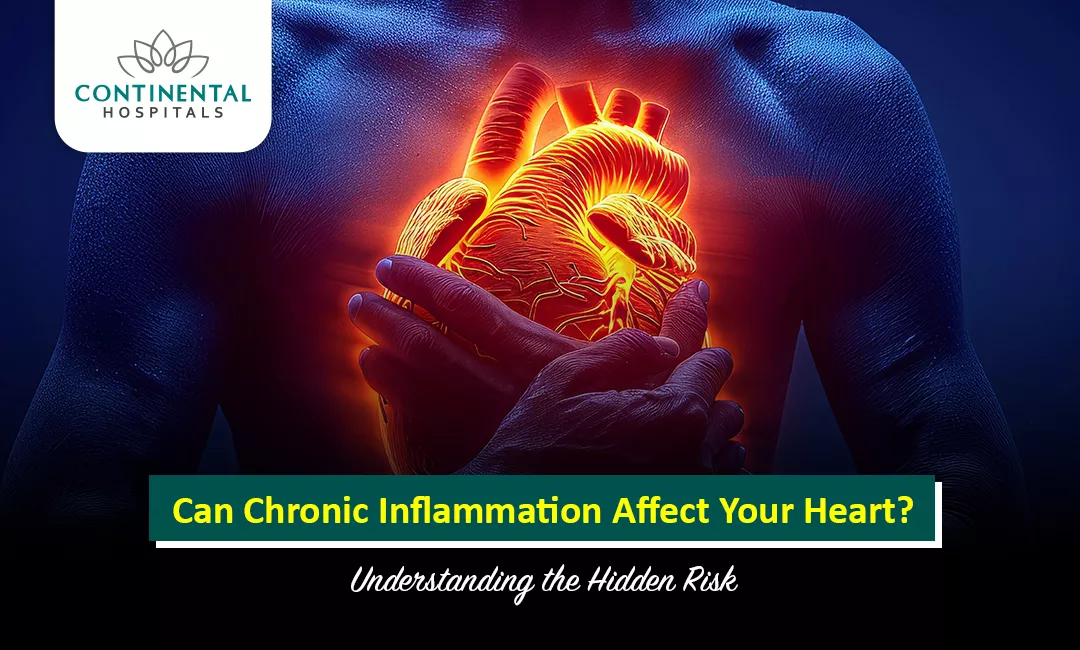
Inflammation is a natural response to injury or infection, but when it becomes chronic, it can lead to heart disease. Conditions like rheumatoid arthritis or even regular stress can cause ongoing inflammation in the body. This inflammation can damage the blood vessels, leading to atherosclerosis (narrowing of the arteries), which increases the risk of heart attacks and strokes.
Sarah, who has been living with arthritis for years, didn’t know that her condition was also affecting her heart. The inflammation in her body wasn’t just causing joint pain—it was contributing to her heart risks. It's important to manage conditions that cause chronic inflammation, as they could be silently harming your heart.
7. Genetics
Sometimes, your family history can be a hidden risk factor. If you have a close relative who suffered from heart disease, your risk of developing similar issues increases. However, genetics is just one part of the equation. A healthy lifestyle can help mitigate some of the genetic risks associated with heart disease.
Take Tom, who found out that his father had heart disease at an early age. While genetics played a role, Tom worked with his doctor to focus on his diet, exercise, and stress management. Genetics may be beyond your control, but your lifestyle choices can still make a difference.
8. High Blood Sugar Levels
Even if you don’t have diabetes, elevated blood sugar levels can cause damage to blood vessels over time, leading to heart disease. Insulin resistance, often associated with being overweight or having an unhealthy diet, is another hidden risk factor. Over time, the body's inability to process sugar properly can damage the arteries and increase the risk of heart attack and stroke.
It’s important to have regular check-ups and monitor blood sugar levels. Janet, for instance, thought her blood sugar was fine until her doctor noticed elevated levels during a routine exam. This early detection helped her take proactive steps toward managing her health before it led to bigger heart problems.
9. Excessive Alcohol Consumption
While drinking in moderation may be okay for some, excessive alcohol consumption can increase your risk of high blood pressure, heart disease, and liver damage. Many people don’t realize that even small amounts of alcohol consumed regularly can affect the heart’s ability to function properly over time.
Consider David, who had a drink every evening to unwind after work. Over time, his doctor noticed his rising blood pressure and linked it to his alcohol consumption. Moderating alcohol intake can significantly reduce the strain on your heart.
Conclusion: Prioritize Your Heart Health
Heart disease is a leading cause of death worldwide, and many of its risk factors are hidden in plain sight. From chronic stress to poor sleep and inflammation, these factors may not show immediate symptoms, but they can silently affect your heart over time. By being aware of these hidden risks and taking proactive steps to manage them, you can significantly improve your heart health.
If you're experiencing symptoms, don't wait—contact our healthcare team at Continental Hospitals today. Visit our top cardiologists in Hyderabad
Related Blogs: