post-title

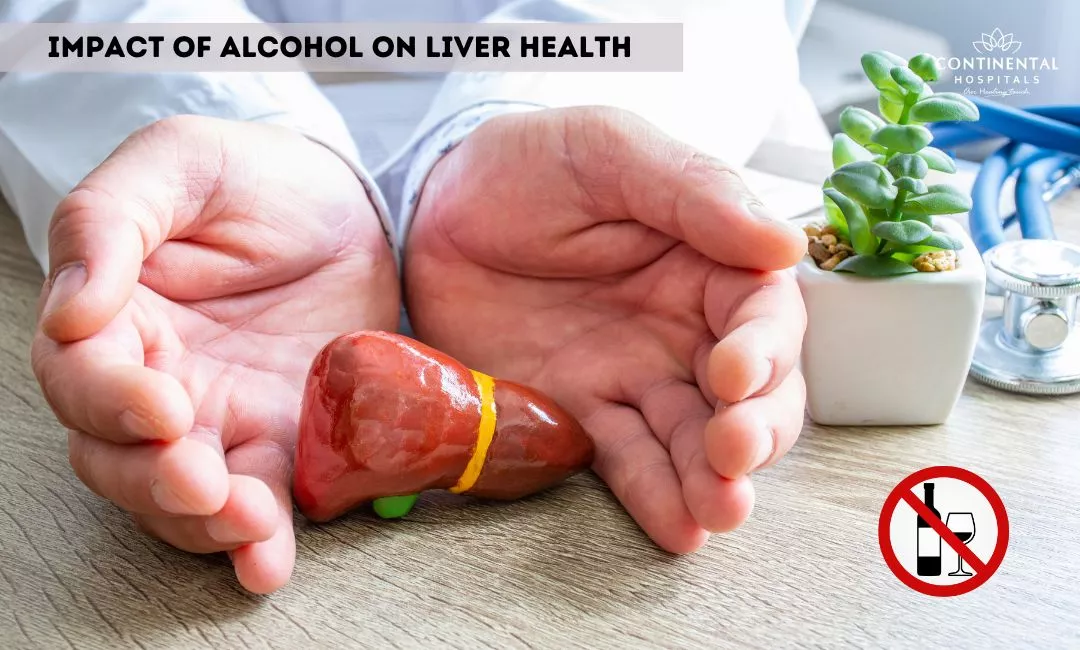
Impact of Alcohol on Liver Health

Written by - Editorial Team
Medically Reviewed by - Dr Guru N Reddy

Social gatherings and celebrations often include alcohol, but we often underestimate its effects on our health, particularly on the liver. Our liver plays a crucial role in processing and breaking down alcohol, but excessive consumption can lead to serious health issues. In this blog, we’ll explore how alcohol affects liver health, the potential consequences of excessive drinking, and what you can do to maintain a healthy liver.

How Does Alcohol Affect the Liver?

The alcohol metabolism is a very complex process. Alcohol consumed in any form reaches the liver, where it gets converted into the first-step metabolite, acetaldehyde, which is toxic, and later gets converted into acetic acid, an energy-yielding product. The overall process involves a series of enzymes, with the primary enzymes being alcohol dehydrogenase (ADH) and aldehyde dehydrogenase (ALDH). First, alcohol dehydrogenase oxidizes alcohol to acetaldehyde.

Increased fat storage: When you drink before performing other functions, your liver first targets the detoxification process. So, fat accumulates in liver cells. The medical term is fatty liver disease. If not treated, it can progress to serious liver problems.
Inflammation and swelling: A high alcohol intake may lead to liver inflammation and alcoholic hepatitis. The condition inflames the liver and impairs its ability to function properly. As a result, jaundice, abdominal pain, and fever developed.
Scarring and Fibrosis: If the inflammation persists, it causes the liver to develop scar tissue. Fibrosis, also known as cirrhosis, can lead to liver damage and impaired liver function.
Increased Risk for Liver Cancer: Chronic heavy alcohol drinking increases the risk for liver cancer. In addition to other etiological factors for liver cancer, viral hepatitis infections increase the risk.

If alcohol is affecting your liver or overall health, don't ignore the warning signs. Visit our gastroenterology specialists in Hyderabad for expert evaluation, diagnosis, and personalized care.

What are the short-term effects of alcohol on the liver?

Fatty Liver: The accumulation of fat in liver cells is one of the first indications that alcohol has caused liver damage. In general, this condition can be reversed through lifestyle changes and a reduction in alcohol consumption. 
Inflammation: The use, or rather misuse, of alcohol causes inflammation of the liver, a condition also termed alcoholic hepatitis. It can be associated with pain in the abdomen, nausea, or the yellowing of the skin and eyes, called jaundice.
Loss of Function: The acute heavy consumption of alcohol impairs liver status, as evidenced by a presentation of confusion, drowsiness, and fluid retention.

What are the long-term effects of alcohol on the liver?

Alcoholic Hepatitis: The sustained, continuous inflammation due to the prolonged abuse of alcohol causes alcoholic hepatitis, a severe and potentially life-threatening condition that is also controllable with treatment.
Fibrosis: The progression of liver damage will lead to liver tissue scarring, a condition known as fibrosis. Scar tissue may result in liver function impairment, paving the way for complications. 
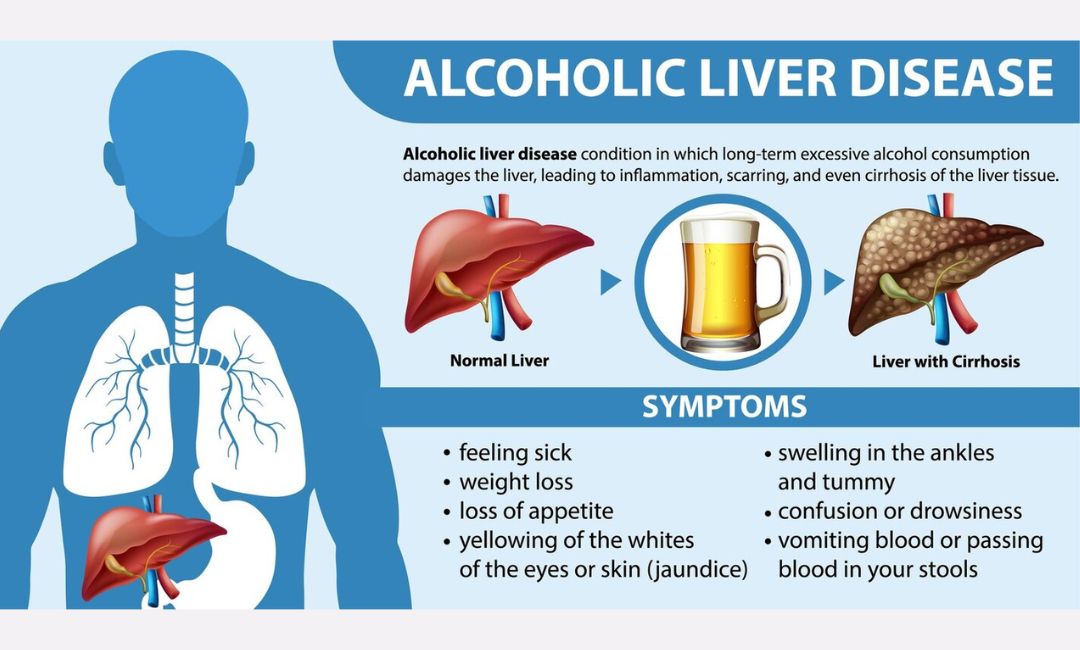
Cirrhosis: Cirrhosis is the final stage of chronic liver damage, characterized by extensive scarring and complete loss of liver function. Jaundice, swelling in the legs and abdomen, and liver cancer becoming a risk factor are just a few of the symptoms.
Long-term use of alcohol can increase your risk of liver cancer, especially among people who have other liver diseases, such as cirrhosis.
What are the symptoms of liver damage?

Recognizing any signs or symptoms that can lead to liver damage from alcohol is vital. Common symptoms include:

  • Jaundice: yellowing of the skin and eyes
  • Abdominal Pain: Pain or discomfort in the upper right side of the abdomen
  • Swelling: Enlargement of the abdomen, legs, and feet.
  • Fatigue: an unrelenting state of exhaustion and weakness
  • Nausea and vomiting: frequent episodes of both nausea and vomiting

If you experience any of these symptoms, see a doctor immediately.

Second Opinion

If you feel that you have no power over your drinking or that it is a problem for you, then you can seek the help and guidance of our best gastroenterologist.

How Can You Protect Your Liver Health?

  • Limit your intake of alcohol: Limiting alcohol consumption is the best safeguard for your organs. According to recommended guidelines, women should consume only one drink per day, and men should consume only two drinks per day.
  • Stay hydrated: Drink plenty of water to help your liver metabolize alcohol efficiently and decrease the risks associated with dehydration.
  • A healthy diet ensures a well-balanced intake of fruits, vegetables, whole grains, and lean proteins to support the overall well-being and function of the liver. Engage in regular exercise to maintain a healthy weight, as it reduces the risk of developing a fatty liver. Do not mix alcohol with medications; some drugs, when combined with alcohol, may have a negative reaction that worsens the propensity for harm to the liver.
  • Routine Monitoring: Check your liver function and health status on a regular basis.

Conclusion

From fatty liver disease to cirrhosis and liver cancer, alcohol significantly affects liver health, getting very much down to business with what is happening underneath the surface of each level of liver damage. In order to make informed choices about alcohol consumption, one needs to understand them. Seeking medical advice and treatment for alcohol-related liver issues can greatly impact overall health and well-being.

If you feel that you have no power over your drinking or that it is a problem for you, then you can seek the help and guidance of our best gastroenterologist in hyderabad

Related Blog Topics:

  1. Health Benefits of a 30-Day Alcohol-Free Challenge
  2. Signs of Liver Damage from Excessive Alcohol Consumption

Need an Appointment?

Frequently Asked Questions

The liver is responsible for breaking down and removing alcohol from the body. When alcohol is consumed regularly or in large amounts, the liver works harder to process it, leading to inflammation and damage to liver cells. Over time, this can cause fat to build up in the liver, a condition known as alcoholic fatty liver disease. Continued alcohol use may progress to alcoholic hepatitis, fibrosis, and eventually cirrhosis. Liver damage often develops gradually and may not cause symptoms in the early stages. Reducing or stopping alcohol consumption can help the liver recover, especially in the early phases. Maintaining a healthy diet, staying hydrated, and getting regular medical checkups also support liver health. Seeking medical advice early can prevent irreversible liver damage.
Early alcohol-related liver disease often develops silently without noticeable symptoms. As damage progresses, people may experience fatigue, weakness, loss of appetite, nausea, and discomfort in the upper right side of the abdomen. Some individuals notice unexplained weight loss or mild swelling. Blood tests may reveal elevated liver enzymes before symptoms appear. If alcohol use continues, jaundice, abdominal swelling, easy bruising, and confusion can develop. Because early symptoms are often mild or absent, routine health screenings are important for people who consume alcohol regularly. Early diagnosis provides the best opportunity to reverse or slow liver damage through lifestyle changes and appropriate medical care.
Yes, the liver has an impressive ability to heal itself, particularly in the early stages of alcohol-related liver disease. Fatty liver caused by alcohol can often improve within weeks after stopping drinking. Inflammation may also reduce with complete alcohol abstinence and proper medical treatment. However, advanced scarring known as cirrhosis cannot usually be reversed, although stopping alcohol can prevent further damage and improve overall health. A balanced diet, regular exercise, adequate hydration, and follow-up with a liver specialist further support recovery. The earlier alcohol consumption is stopped, the greater the chance of restoring liver function and preventing complications.
There is no completely risk-free level of alcohol consumption for liver health because every person's body processes alcohol differently. The risk of liver disease increases with the amount and frequency of alcohol intake over time. Factors such as genetics, obesity, diabetes, viral hepatitis, medications, and nutrition can make the liver more vulnerable to alcohol-related damage. Binge drinking can also significantly increase the risk of liver injury, even in people who do not drink every day. Limiting alcohol consumption or avoiding it altogether is the most effective way to protect the liver. Individuals with existing liver disease should completely avoid alcohol unless advised otherwise by their healthcare provider.
Anyone who regularly consumes excessive amounts of alcohol is at risk of developing liver disease. The risk is higher in people with obesity, diabetes, viral hepatitis, poor nutrition, or a family history of liver disease. Women may develop alcohol-related liver damage at lower levels of alcohol consumption compared to men due to differences in alcohol metabolism. Smoking, certain medications, and long-term alcohol use further increase the likelihood of liver injury. Individuals with multiple risk factors should undergo regular liver health evaluations. Early screening and lifestyle modifications can significantly reduce the risk of serious liver complications.
Doctors use a combination of medical history, physical examination, blood tests, and imaging studies to evaluate alcohol-related liver disease. Liver function tests help assess inflammation and liver cell damage. Ultrasound can identify fatty liver and structural abnormalities, while FibroScan helps measure liver stiffness and detect fibrosis. In certain situations, CT scans or MRI may be recommended for a more detailed evaluation. A liver biopsy is sometimes needed when the diagnosis is unclear or to assess the severity of damage. Early testing allows doctors to recommend timely treatment and lifestyle changes that can improve long-term liver health.
Yes, alcohol-related liver disease is largely preventable through healthy lifestyle choices. Avoiding excessive alcohol consumption is the most important preventive measure. Eating a balanced diet, maintaining a healthy weight, exercising regularly, and managing diabetes or high cholesterol also support liver health. Vaccination against hepatitis A and B can provide additional protection for people at risk. Regular health checkups and liver function tests help identify problems before they become severe. Individuals who find it difficult to reduce alcohol intake should seek professional medical support or counseling. Prevention is always more effective than treating advanced liver disease.
You should consult a liver specialist if you have been consuming alcohol regularly for many years, have abnormal liver function tests, or experience symptoms such as jaundice, abdominal swelling, persistent fatigue, nausea, unexplained weight loss, or pain in the upper right abdomen. People with existing liver conditions should seek medical advice before consuming alcohol. Early consultation helps identify liver damage before it becomes severe and allows doctors to recommend personalized treatment plans. Timely intervention can prevent complications, improve liver function, and enhance overall quality of life. Regular follow-up is essential for monitoring liver health and long-term recovery.
Disclaimer: The information provided in this blog is intended for general knowledge and informational purposes only, and does not constitute medical advice. Always consult with a qualified healthcare professional for any medical concerns or before making any decisions about your health.

Get in Touch With Us

Whether you are from India or abroad, we are here to help you with your medical queries. Please fill out the form below and our team will connect with you shortly.

  • ✔ Quick response from our medical experts
  • ✔ Secure data handling & privacy
  • ✔ Easy upload for reports & documents
banner_image

Chat with our medical experts on WhatsApp for quick assistance and hassle-free appointment booking

Recent Posts