.webp)

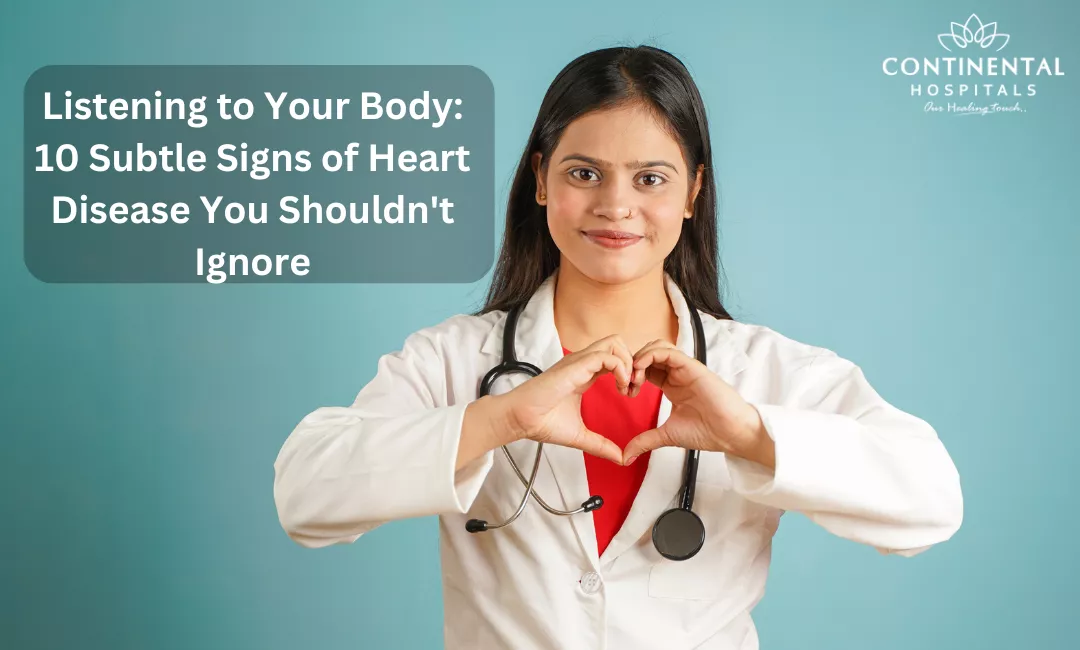
In the hustle and bustle of daily life, it's easy to overlook the subtle messages our bodies send us. However, when it comes to heart health, paying attention to these signals is crucial. Heart disease remains a leading cause of mortality worldwide, but many of its warning signs can be subtle and easily dismissed. In this article, we'll explore 10 subtle signs of heart disease that you shouldn't ignore. By listening to your body and recognizing these symptoms early on, you can take proactive steps to safeguard your heart health and overall well-being. Looking for the Best Cardiology Doctors in Hyderabad? Trust our experienced specialists for comprehensive heart care.
1. Unexplained Fatigue:
Feeling tired at the end of a long day is normal, but persistent fatigue that doesn't improve with rest could signal an underlying issue. People with heart disease often experience unexplained fatigue due to the heart's inability to pump blood effectively. If you find yourself feeling excessively tired, even after a good night's sleep, it's essential to consult your healthcare provider.
2. Shortness of Breath:
Shortness of breath, especially during physical activity, can be a sign of poor cardiovascular health. This symptom occurs when the heart struggles to supply enough oxygen-rich blood to the body. If you notice yourself becoming breathless more easily than usual or experiencing sudden bouts of breathlessness, it's essential to seek medical attention promptly.
3. Chest Discomfort or Pressure:
Chest pain or discomfort is a well-known symptom of heart disease, but it's not always as obvious as a sharp, stabbing pain. Some people describe it as a feeling of pressure, fullness, or tightness in the chest, while others may experience mild discomfort that comes and goes. Any unusual sensations in the chest area should be evaluated by a healthcare professional to rule out heart-related issues.
4. Dizziness or Lightheadedness:
Frequent episodes of dizziness or lightheadedness can indicate underlying heart problems, particularly if they occur suddenly or are accompanied by other symptoms such as palpitations or shortness of breath. These symptoms may be a sign that your heart is not pumping enough blood to your brain, leading to temporary feelings of lightheadedness or faintness.

5. Swelling in the Legs, Ankles, or Feet:
Swelling in the lower extremities, known as edema, can be a sign of heart failure. When the heart is unable to pump blood effectively, fluid can accumulate in the legs, ankles, and feet, causing swelling. If you notice persistent swelling or changes in the size of your legs or feet, it's essential to consult your doctor to rule out underlying heart issues.
6. Irregular Heartbeat (Arrhythmia):
An irregular heartbeat, or arrhythmia, occurs when the heart's electrical impulses become erratic, causing the heart to beat too fast, too slow, or irregularly. While occasional palpitations are common and usually harmless, frequent or sustained irregular heartbeats may indicate an underlying heart condition that requires medical attention.
7. Jaw, Neck, or Back Pain:
Pain or discomfort in the jaw, neck, or back can sometimes be a symptom of heart disease, particularly in women. These atypical symptoms are often overlooked or attributed to other causes, leading to delayed diagnosis and treatment. If you experience unexplained pain in these areas, especially if it's accompanied by other symptoms like shortness of breath or fatigue, it's essential to seek medical evaluation.
8. Nausea, Indigestion, or Stomach Pain:
Digestive issues such as nausea, indigestion, or stomach pain are often dismissed as unrelated to heart health. However, in some cases, these symptoms can be early warning signs of a heart attack, particularly in women. If you experience persistent gastrointestinal symptoms that are unresponsive to over-the-counter remedies, it's important to consider the possibility of underlying heart disease.
9. Excessive Sweating:
While sweating is a normal response to physical exertion or hot weather, excessive sweating that occurs suddenly or for no apparent reason can be a cause for concern, especially if it's accompanied by other symptoms like chest pain or shortness of breath. Excessive sweating, particularly during rest or minimal activity, may indicate an underlying heart issue that requires evaluation by a healthcare professional.
10. Fluttering or Racing Heartbeat:
Sensations of fluttering, racing, or pounding in the chest, known as palpitations, can be unsettling and may indicate an irregular heartbeat or other cardiac issues. While palpitations can be harmless in some cases, they can also be a sign of underlying heart disease, particularly if they occur frequently or are accompanied by other symptoms. If you experience persistent palpitations or have concerns about your heart rhythm, it's essential to consult a doctor.
Conclusion:
Listening to your body and recognizing the subtle signs of heart disease is essential for maintaining optimal heart health. By being aware of these warning signs and seeking prompt medical attention when necessary, you can take proactive steps to protect your heart and reduce your risk of cardiovascular complications. Remember, your heart is your body's lifeline, so don't ignore the messages it sends you. Prioritize your heart health today for a healthier tomorrow.
Related Blog Articles:
1. The Silent Threat: How Chronic Stress Impacts Your Cardiovascular System
2. Unmasking the Rising Tide of Heart Attacks Among Young Adults