.webp)

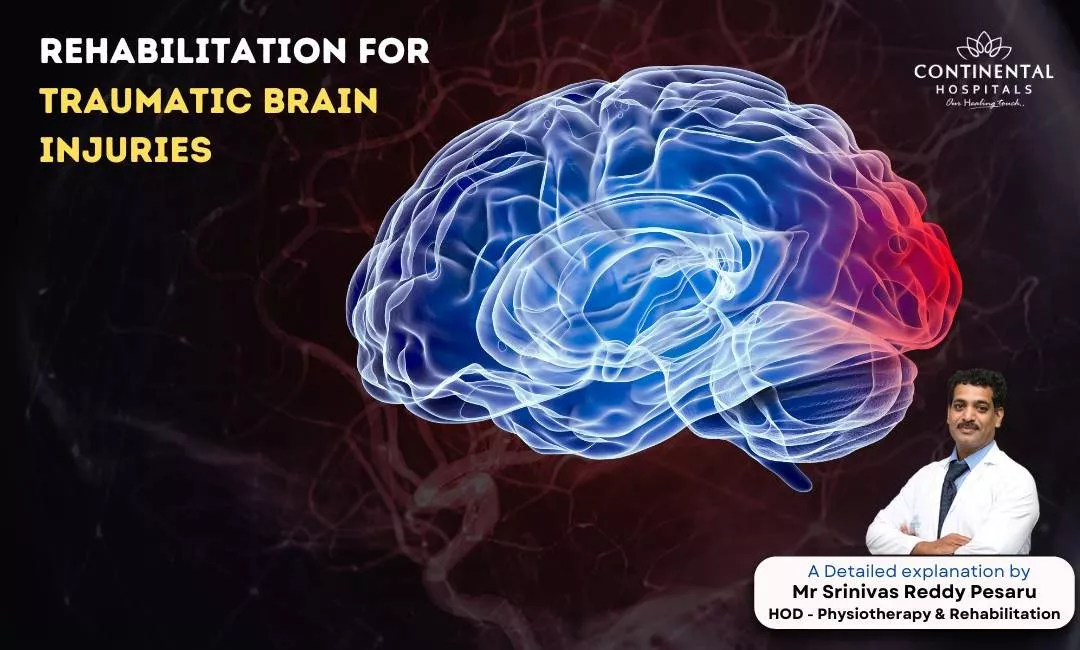
Traumatic brain injuries (TBIs) are life-altering events that can happen suddenly, leaving individuals and their families facing physical, cognitive, and emotional challenges. Rehabilitation plays a crucial role in helping individuals with TBIs regain as much independence as possible and improve their quality of life. In this blog, we’ll explore the causes and impact of TBIs, the rehabilitation process, and the importance of a holistic approach to recovery.
What is a Traumatic Brain Injury?
A traumatic brain injury occurs when an external force, such as a blow or jolt to the head, disrupts the normal function of the brain. TBIs can range from mild concussions to severe injuries that result in long-term impairment or even death. Common causes of TBIs include falls, car accidents, sports injuries, and violence. While some individuals recover fully from mild TBIs, moderate to severe TBIs often require extensive rehabilitation to help individuals relearn essential skills.
What Is the Impact of a Traumatic Brain Injury (TBI)?
A TBI can affect multiple areas of a person’s life, including:
- Physical abilities: Motor skills, balance, and coordination may be impaired, making it difficult to walk, move, or perform everyday tasks.
- Cognitive functions: Memory, attention, problem-solving, and decision-making abilities can be compromised, leading to difficulties at work, at school, and in daily life.
- Emotional well-being: TBIs can lead to mood swings, depression, anxiety, and frustration, making emotional regulation more challenging.
- Communication: Speech and language difficulties, including trouble finding words, understanding others, or articulating thoughts, may occur.
- Behaviour: Changes in personality, impulsivity, and difficulty controlling emotions can make social interactions more challenging.
Given the wide-ranging effects of a TBI, rehabilitation must address both the physical and mental aspects of recovery.
Visit our best neuro doctor hyderabad to receive personalized care from experienced specialists dedicated to helping you regain neurological health and improve your quality of life.
What are the goals of rehabilitation for traumatic brain injuries?
The main goal of rehabilitation for a TBI is to help the individual regain independence and achieve the highest possible level of functioning. Rehabilitation is tailored to the individual's specific needs, with the ultimate aim of improving their quality of life. While a complete recovery may not always be possible, rehabilitation focuses on maximizing a person’s strengths and teaching them new strategies to cope with their challenges.
What are the key phases of TBI rehabilitation?
Rehabilitation for TBIs typically involves a multi-phase approach that evolves as the person recovers. The process is dynamic and can take weeks, months, or even years, depending on the severity of the injury. Here are the key phases of TBI rehabilitation:
1. Acute Care
Immediately after a TBI, the primary focus is on stabilizing the individual. This phase often takes place in the hospital, where doctors assess the severity of the injury and take measures to prevent further damage. This may include surgery to reduce swelling in the brain, medications to manage symptoms, or life-support measures if necessary.
2. Inpatient Rehabilitation
Once the individual is medically stable, they may be transferred to an inpatient rehabilitation facility. Inpatient rehabilitation is intensive and focuses on helping the person regain as much physical and cognitive function as possible. A team of specialists, including physical therapists, occupational therapists, speech therapists, and psychologists, work together to create a personalized rehabilitation plan. During this phase, individuals typically participate in therapy for several hours each day.

3. Outpatient Rehabilitation
As the person continues to recover, they may move to outpatient rehabilitation. This allows them to live at home while attending regular therapy sessions at a rehabilitation center. Outpatient therapy focuses on refining the skills learned during inpatient rehabilitation and addressing any new challenges that arise as the person transitions back into daily life.
4. Long-Term Recovery and Support
Rehabilitation for TBIs doesn’t end when therapy sessions stop. Many individuals require ongoing support to maintain and improve their abilities. This may include home exercises, periodic check-ins with therapists, and support groups for individuals with TBIs and their families. Recovery can continue for years, and many people make gradual progress over time.
What are the types of rehabilitation for traumatic brain injuries (TBIs)?
Rehabilitation for TBIs involves a variety of therapies, each designed to address different aspects of recovery. The most common types of rehabilitation include:
1. Physical Therapy
Physical therapy focuses on improving strength, coordination, balance, and mobility. Therapists work with individuals to rebuild motor skills and teach them how to perform daily tasks, such as walking, dressing, and bathing. For individuals with more severe impairments, physical therapists may also teach compensatory strategies or recommend adaptive equipment, such as walkers or wheelchairs.
2. Occupational Therapy
Occupational therapy helps individuals relearn how to perform everyday activities, such as cooking, cleaning, and managing personal care. The goal is to promote independence and improve the person's ability to function in their home and community. Occupational therapists may also work on fine motor skills, such as writing or using tools, and provide training in the use of adaptive devices.
3. Speech and Language Therapy
Speech and language therapy addresses communication difficulties resulting from a TBI. This may involve helping individuals regain their ability to speak, understand language, and express their thoughts. Speech therapists also work on cognitive-communication skills, such as memory, attention, and problem-solving, which are essential for effective communication.
4. Cognitive Rehabilitation
Cognitive rehabilitation focuses on improving thinking and problem-solving skills. Therapists work with individuals to strengthen memory, attention, and executive functions, which include planning, organizing, and decision-making. Cognitive rehabilitation often involves exercises designed to challenge the brain and teach new strategies for managing cognitive challenges.
5. Psychological and Emotional Support
Dealing with the emotional and psychological effects of a TBI is just as important as addressing the physical and cognitive aspects. Many individuals experience mood changes, depression, anxiety, and difficulty adjusting to the changes in their abilities. Counseling, psychotherapy, and support groups can provide emotional support, helping individuals and their families cope with the challenges of living with a TBI.
What Is the Role of Family in Traumatic Brain Injury Rehabilitation?
Family members play a vital role in the rehabilitation process. They provide emotional support, assist with care, and help the individual navigate the challenges of daily life. Family involvement is crucial in helping individuals with TBIs stay motivated during their recovery. It’s also important for family members to receive support, as caring for someone with a TBI can be physically and emotionally demanding.
What is a holistic approach to traumatic brain injury rehabilitation?
Rehabilitation for TBIs is most effective when it takes a holistic approach, addressing the individual’s physical, cognitive, emotional, and social needs. A team of professionals, including doctors, therapists, psychologists, and social workers, work together to ensure that all aspects of recovery are covered. The individual’s goals, preferences, and strengths are at the center of the rehabilitation process, making it a personalized journey toward healing and independence.
Conclusion
Rehabilitation for traumatic brain injuries is a critical step in helping individuals regain control over their lives and achieve the best possible outcomes. While recovery can be a long and challenging process, the support of a skilled rehabilitation team and the involvement of family members can make a significant difference. With persistence, patience, and the right resources, many individuals with TBIs can improve their quality of life and work toward a fulfilling future. Consult our Best Neurologist in Hyderabad at Continental Hospitals
Related Blogs: