.webp)


In today's fast-paced world, finding time for exercise can be a challenge. However, the good news is that you don't need to commit to lengthy, grueling workouts to improve your heart health. Short workouts, when done consistently and effectively, can have a substantial impact on your cardiovascular well-being. This article delves into the science and benefits of short workouts for heart health and provides practical guidance for incorporating them into your daily routine. By the time you finish reading, you'll understand why it's worth taking these small steps towards better heart health.
What Is Heart Health and Why Is It Important?
To appreciate the significance of short workouts in boosting heart health, it's essential to grasp the fundamentals of cardiovascular well-being. The heart is a remarkable organ responsible for pumping oxygenated blood throughout the body. Maintaining a healthy heart is crucial for overall well-being because cardiovascular diseases, such as heart disease and stroke, are among the leading causes of death worldwide.
Several factors influence heart health, including genetics, diet, and lifestyle choices. Regular exercise is a powerful tool for reducing the risk of heart disease and improving cardiovascular fitness. Traditionally, the emphasis has been on long, intense workouts, but recent research highlights the benefits of shorter, more frequent exercise sessions.
How Do Short Workouts Improve Heart Health?
A. High-Intensity Interval Training (HIIT)
One of the most effective forms of short workouts for heart health is High-Intensity Interval Training (HIIT). HIIT involves brief bursts of intense exercise followed by short periods of rest or lower-intensity activity. This method has been shown to improve cardiovascular fitness, increase oxygen uptake, and reduce blood pressure.
HIIT workouts can be as short as 15-30 minutes, making them ideal for busy individuals. They trigger beneficial adaptations in the heart and circulatory system, such as improved heart rate variability and increased stroke volume, which enhance heart health.
B. Aerobic Exercise
Aerobic exercises like brisk walking, jogging, and cycling are excellent choices for short workouts. Just 20-30 minutes of moderate-intensity aerobic exercise most days of the week can significantly reduce the risk of heart disease. Aerobic workouts improve the heart's efficiency in pumping blood, strengthen the heart muscle, and help regulate blood pressure.

To know more about Heart Attacks and lifestyle changes that can help in preventing Heart attacks, consult with a Best Cardiology/Heart Specialist Hospital in Hyderabad.
What Are the Benefits of Short Workouts for Heart Health?
A. Time-Efficiency
One of the primary advantages of short workouts is their time efficiency. Many people struggle to find the hours needed for traditional long workouts. Short workouts can easily fit into even the busiest schedules, making them a practical choice for improving heart health.
B. Consistency
Consistency is key when it comes to exercise and heart health. Short workouts are more manageable to incorporate into your daily routine, and this consistency can lead to lasting cardiovascular benefits. It's easier to commit to a 20-minute workout every day than a 2-hour workout once a week.
C. Improved Heart Rate and Blood Pressure
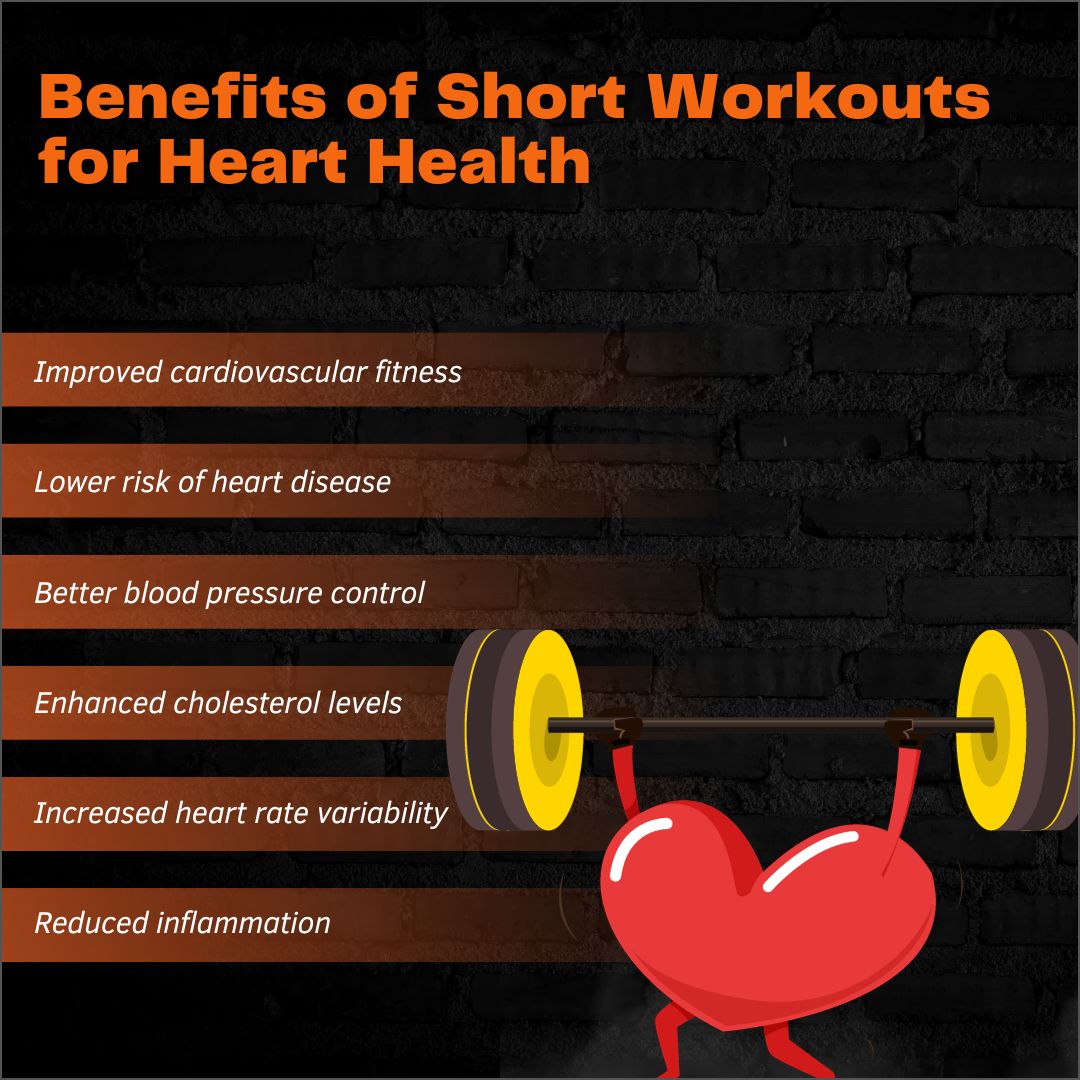
Regular short workouts help improve heart rate and blood pressure. The heart becomes more efficient at pumping blood, which can lead to a lower resting heart rate and reduced strain on the heart. Short workouts also help to lower blood pressure, reducing the risk of hypertension and its associated complications.
How Can You Fit Short Workouts into a Busy Schedule?
A. Set Realistic Goals
Start with achievable goals. If you're new to exercise, aim for 10-15 minutes of moderate activity, gradually increasing the duration and intensity over time.
B. Mix It Up
Variety is essential to prevent boredom and keep workouts effective. Combine HIIT sessions with aerobic exercises and strength training to target different aspects of heart health.
C. Use Technology
There are numerous apps and fitness trackers that can guide and motivate your short workouts. These tools can help you track your progress and stay accountable.
D. Find a Workout Buddy
Exercising with a friend or family member can make short workouts more enjoyable and increase accountability.
Short workouts can indeed have a significant impact on heart health. The science supports the notion that you don't need to spend hours in the gym to improve your cardiovascular fitness. Short, effective workouts like HIIT and aerobic exercises offer time efficiency, consistency, and numerous benefits for your heart.
To know more about Heart Attacks and lifestyle changes that can help in preventing Heart attacks, consult with the best heart doctors in Hyderabad.
By making small, manageable changes in your daily routine and committing to regular short workouts, you can take substantial steps towards boosting your heart health. Remember that it's not about the duration but the quality and consistency of your exercise that matters most. Start with manageable goals, be consistent, and watch how these small steps lead to big improvements in your cardiovascular well-being. Your heart will thank you for it.
Related Blog Articles:
1. The Silent Threat: How Chronic Stress Impacts Your Cardiovascular System
2. Unmasking the Rising Tide of Heart Attacks Among Young Adults