
post-title

The Link Between Digestive Disorders and Fibromyalgia

Written by - Editorial Team
Medically Reviewed by - Dr Guru N Reddy

When you experience chronic pain, fatigue, and discomfort, life can feel like an uphill battle. For many, these symptoms could be related to fibromyalgia, a condition known for causing widespread pain throughout the body. But did you know that digestive disorders and fibromyalgia can often go hand in hand? Understanding this connection could provide some answers to why you’re feeling the way you do and how to seek the right treatment.

What is Fibromyalgia?

Fibromyalgia is a complex and often misunderstood condition that affects the muscles and soft tissues of the body. People with fibromyalgia experience widespread pain, sleep disturbances, memory problems, and extreme fatigue. Its causes are still unclear, but it's thought to involve an abnormal response to pain signals in the brain and nervous system.

What are digestive disorders?

Digestive disorders encompass a wide range of conditions affecting the gastrointestinal (GI) tract, such as irritable bowel syndrome (IBS), acid reflux, celiac disease, and inflammatory bowel disease (IBD). These conditions can lead to symptoms like bloating, constipation, diarrhea, heartburn, and stomach cramps. Chronic digestive issues can significantly impact your quality of life, leading to discomfort and frustration.

What is the link between fibromyalgia and digestive disorders?

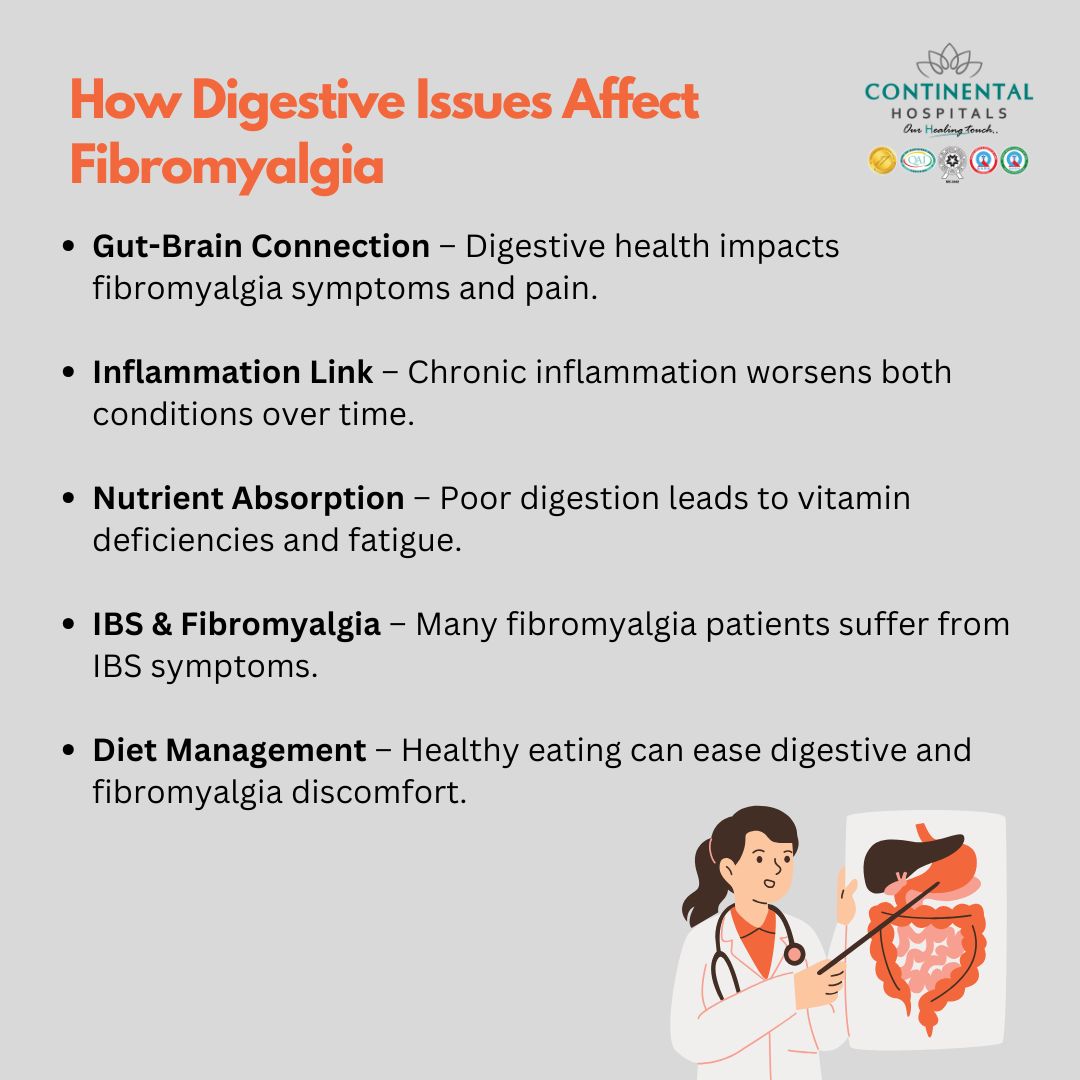
Many individuals with fibromyalgia also struggle with digestive issues. In fact, studies suggest that up to 70% of people with fibromyalgia experience some form of GI problem. The connection between the two is not just coincidental. Here are some key reasons why digestive disorders and fibromyalgia often occur together:

1. The Brain-Gut Connection
The brain and gut are closely connected, a relationship commonly referred to as the “brain-gut axis.” This means that emotions, stress, and pain signals can travel between your brain and digestive system. In people with fibromyalgia, the nervous system is thought to be hypersensitive, leading to heightened pain perception. This sensitivity could extend to the digestive system, making individuals with fibromyalgia more susceptible to digestive disorders like IBS, where the gut becomes overly sensitive to food, stress, and other stimuli.

2. Chronic Stress and Inflammation
Stress plays a huge role in both fibromyalgia and digestive disorders. Chronic stress can trigger inflammation throughout the body, including in the gut. This inflammation can impair digestion, leading to discomfort such as bloating, diarrhea, or constipation. For those with fibromyalgia, this heightened stress response can exacerbate both pain and GI symptoms.

3. Dysfunction in the Autonomic Nervous System
Fibromyalgia is often linked with autonomic nervous system dysfunction, which is responsible for controlling involuntary body functions, including digestion. When the autonomic nervous system doesn’t function properly, it can cause irregularities in gut motility, leading to conditions like constipation or diarrhea. This dysfunction can contribute to the development of digestive disorders in individuals with fibromyalgia.

4. Microbiome Imbalance
Emerging research suggests that the gut microbiome—the collection of bacteria and microorganisms in the digestive tract—plays a crucial role in both digestion and overall health. Fibromyalgia has been associated with an imbalance in the microbiome, leading to inflammation, immune system dysfunction, and digestive issues. An unhealthy balance of gut bacteria can contribute to symptoms of IBS, bloating, and abdominal pain, common complaints in individuals with fibromyalgia.
Second Opinion

What are the common digestive disorders in people with fibromyalgia?

People with fibromyalgia may experience a range of digestive issues. Some of the most common include the following:

1. Irritable Bowel Syndrome (IBS)
IBS is one of the most common digestive disorders among those with fibromyalgia. IBS is characterized by abdominal pain, bloating, diarrhea, and constipation. Many fibromyalgia patients experience symptoms of IBS, and both conditions share overlapping causes, such as stress, brain-gut dysfunction, and inflammation.

2. Gastroesophageal Reflux Disease (GERD)
GERD, which causes acid reflux and heartburn, is another digestive issue frequently seen in people with fibromyalgia. The chronic pain and stress associated with fibromyalgia can contribute to stomach acid production and reflux, leading to heartburn and discomfort after eating.

3. Inflammatory Bowel Disease (IBD)
Though less common than IBS, some individuals with fibromyalgia may also experience IBD, which includes conditions like Crohn’s disease and ulcerative colitis. These conditions cause chronic inflammation of the digestive tract and can lead to severe abdominal pain, diarrhea, and weight loss.

How Do You Manage Both Fibromyalgia and Digestive Disorders?

If you have both fibromyalgia and digestive issues, managing both conditions can feel overwhelming. But there are several strategies to improve your quality of life and reduce symptoms:

1. Diet and Nutrition
Maintaining a balanced and anti-inflammatory diet is essential. For individuals with both fibromyalgia and digestive disorders, it’s important to identify foods that trigger symptoms. Some common triggers include fatty foods, dairy, gluten, and spicy foods. Working with a dietitian can help you create a meal plan that supports both your digestive health and reduces inflammation.

2. Stress Management
Since stress exacerbates both fibromyalgia and digestive problems, finding effective ways to manage stress is crucial. Relaxation techniques like meditation, deep breathing exercises, yoga, and mindfulness can help alleviate tension and improve both your physical and mental well-being.

Need an Appointment?

3. Regular Exercise
Moderate, low-impact exercise, such as walking, swimming, or yoga, can help improve both fibromyalgia and digestive symptoms. Exercise helps reduce stress, increase endorphins, and promote healthy digestion. Start slow and gradually increase the intensity to avoid overexerting yourself.

4. Medications and Supplements
Your doctor may recommend medications to help manage both fibromyalgia and digestive issues. Pain relievers, muscle relaxants, and antidepressants can help with fibromyalgia symptoms, while antispasmodics, probiotics, and fiber supplements can aid in managing digestive disorders. Always consult your healthcare provider before starting any new treatment or supplement.

5. Seeking Specialist Care
If you’re experiencing both fibromyalgia and digestive issues, it’s important to work with specialists who can address both conditions. A rheumatologist can help manage fibromyalgia, while a gastroenterologist can provide care for digestive disorders. Together, these healthcare providers can help you develop an integrated treatment plan tailored to your needs.

Conclusion

Fibromyalgia and digestive disorders are closely connected, and many people with fibromyalgia struggle with gut-related issues like IBS, GERD, and bloating. The shared nervous system dysfunction, increased gut sensitivity, and chronic stress all play a role in this connection. Consult our best gastroenterologist in hyderabad at Continental Hospitals.

Related Blog Topics:

  1. Symptoms of Digestive Disorders You Shouldn’t Ignore
  2. What Are Digestive Disorders and How Are They Treated?

Frequently Asked Questions

Yes, research suggests that digestive disorders and fibromyalgia are often connected. Many people with fibromyalgia also experience gastrointestinal symptoms such as bloating, abdominal pain, constipation, diarrhea, acid reflux, or irritable bowel syndrome (IBS). Although the exact cause is not fully understood, experts believe that changes in the gut-brain axis, nervous system sensitivity, inflammation, and the gut microbiome may contribute to both conditions. These shared mechanisms can make pain and digestive symptoms occur together. While one condition does not necessarily cause the other, they frequently coexist and may influence each other's severity. Identifying digestive issues early and treating them alongside fibromyalgia can improve symptom control, quality of life, and overall well-being. A comprehensive evaluation by a gastroenterologist and rheumatologist is often recommended.
People with fibromyalgia commonly experience digestive problems because the condition affects how the nervous system processes pain and bodily signals. Increased sensitivity in the brain and nerves may also make the digestive tract more sensitive to normal movements and sensations. Stress, poor sleep, hormonal changes, and altered gut bacteria may further contribute to symptoms. Many individuals develop irritable bowel syndrome, indigestion, bloating, constipation, diarrhea, or nausea. Reduced physical activity and certain medications used for pain management may also affect digestion. Since the gut and brain communicate continuously through the gut-brain axis, disturbances in one system can influence the other. Proper diagnosis helps identify the exact cause and allows doctors to develop an effective treatment plan tailored to individual needs.
Several digestive disorders are more common in people living with fibromyalgia. Irritable bowel syndrome (IBS) is the most frequently associated condition, causing abdominal pain, bloating, constipation, diarrhea, or alternating bowel habits. Gastroesophageal reflux disease (GERD), functional dyspepsia, chronic constipation, food sensitivities, and small intestinal bacterial overgrowth (SIBO) have also been reported more often in these individuals. Some patients may also experience nausea or difficulty digesting certain foods. Although not everyone with fibromyalgia develops digestive disorders, recognizing these symptoms is important because treating gastrointestinal conditions may reduce overall discomfort and improve daily functioning. A gastroenterologist can recommend appropriate tests based on symptoms and medical history.
Improving gut health may help reduce some fibromyalgia symptoms in certain individuals, especially when digestive disorders are also present. Eating a balanced diet rich in fiber, fruits, vegetables, whole grains, and probiotic-rich foods may support a healthier gut microbiome. Staying hydrated, exercising regularly, managing stress, and getting adequate sleep can also improve digestive function. In some cases, doctors may recommend probiotics, dietary modifications, or treatment for underlying gastrointestinal conditions. Although improving gut health is not a cure for fibromyalgia, it may reduce bloating, abdominal discomfort, fatigue, and inflammation while supporting overall health. Treatment should always be individualized under medical supervision to achieve the best possible outcomes.
Diagnosing the connection between digestive disorders and fibromyalgia involves a detailed medical history, physical examination, and evaluation of symptoms affecting multiple body systems. Doctors assess chronic widespread pain, fatigue, sleep disturbances, and gastrointestinal complaints such as bloating, abdominal pain, constipation, diarrhea, or acid reflux. Depending on symptoms, additional investigations may include blood tests, stool analysis, endoscopy, colonoscopy, imaging studies, or breath tests for bacterial overgrowth. Fibromyalgia itself is diagnosed clinically after excluding other medical conditions that may cause similar symptoms. Collaboration between gastroenterologists, rheumatologists, and primary care physicians helps ensure an accurate diagnosis and a comprehensive treatment plan addressing both digestive and pain-related concerns.
Treatment depends on the specific digestive disorder and the severity of fibromyalgia symptoms. Doctors may recommend dietary changes, medications to manage acid reflux, constipation, diarrhea, or irritable bowel syndrome, along with probiotics or other therapies when appropriate. Pain management strategies, stress reduction techniques, regular physical activity, cognitive behavioral therapy, and improved sleep habits may also help relieve both digestive and fibromyalgia symptoms. Avoiding foods that trigger discomfort and maintaining healthy eating habits can provide additional benefits. Because every patient responds differently, treatment plans are individualized and may involve multiple specialists working together to achieve long-term symptom control and improved quality of life.
You should consult a doctor if digestive symptoms become frequent, severe, or interfere with your daily activities. Persistent abdominal pain, unexplained weight loss, blood in the stool, difficulty swallowing, ongoing vomiting, chronic diarrhea, severe constipation, or persistent acid reflux require prompt medical evaluation. Even milder symptoms such as bloating, indigestion, or irregular bowel habits should not be ignored if they continue despite lifestyle changes. Early assessment helps identify underlying digestive disorders, rule out serious conditions, and prevent complications. Timely treatment can improve digestive health while also helping reduce the overall symptom burden associated with fibromyalgia.
Yes, healthy lifestyle changes can support the management of both digestive disorders and fibromyalgia. Eating regular, balanced meals, increasing dietary fiber gradually, drinking enough water, avoiding trigger foods, and maintaining a healthy weight can improve digestive function. Gentle physical activity such as walking, swimming, or yoga may reduce pain, improve flexibility, and support bowel health. Managing stress through relaxation techniques, meditation, or counseling can positively affect both the gut and nervous system. Good sleep hygiene is equally important because poor sleep can worsen pain and digestive symptoms. While lifestyle changes may not eliminate either condition, they can significantly improve symptom control and enhance overall quality of life when combined with medical treatment.
Disclaimer: The information provided in this blog is intended for general knowledge and informational purposes only, and does not constitute medical advice. Always consult with a qualified healthcare professional for any medical concerns or before making any decisions about your health.

Get in Touch With Us

Whether you are from India or abroad, we are here to help you with your medical queries. Please fill out the form below and our team will connect with you shortly.

  • ✔ Quick response from our medical experts
  • ✔ Secure data handling & privacy
  • ✔ Easy upload for reports & documents
banner_image

Chat with our medical experts on WhatsApp for quick assistance and hassle-free appointment booking

Recent Posts