.webp)

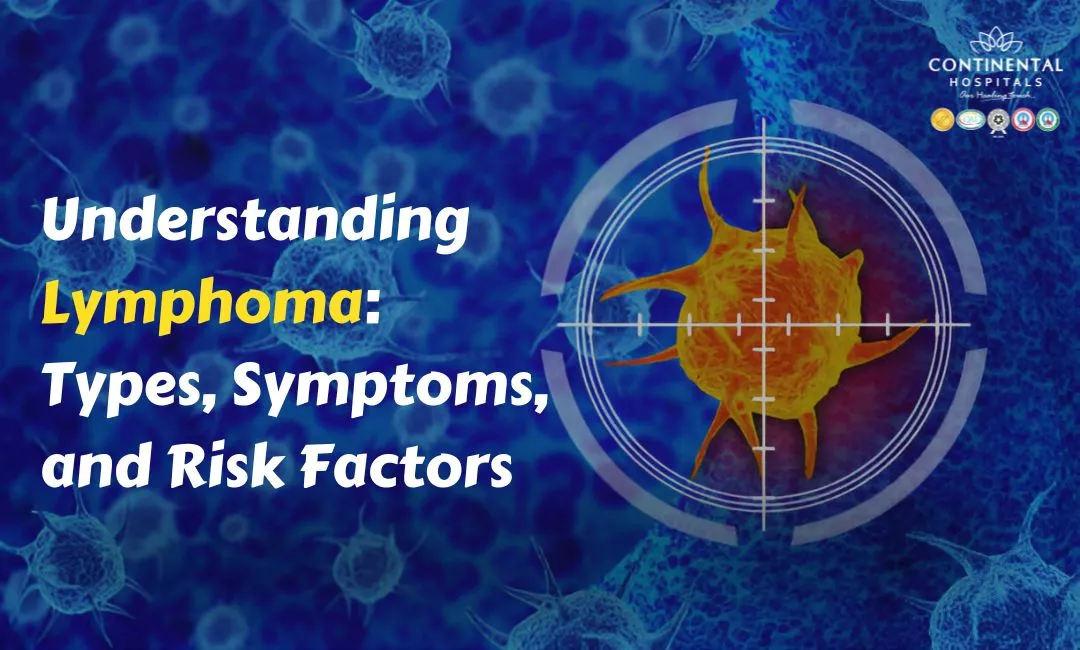
Lymphoma is a type of cancer that begins in the cells of the lymphatic system, which is part of your immune system. While it may sound scary, it’s important to remember that lymphoma is treatable. This blog will explain the different types of lymphoma, common symptoms to watch out for, and what puts you at risk.
What is Lymphoma?
Lymphoma is a cancer that affects the lymphatic system, which includes the lymph nodes, spleen, tonsils, and bone marrow. The lymphatic system helps fight infections and removes excess fluid from the body. When something goes wrong, such as abnormal growth of lymphatic cells, it can lead to lymphoma. There are two main types of lymphoma: Hodgkin lymphoma and Non-Hodgkin lymphoma.
What Is the Lymphatic System and Why Is It Important?
Think of your lymphatic system as a highway that helps fight infections. It includes:
Lymph nodes – Small bean-shaped structures that filter harmful substances.
Lymphocytes – White blood cells that fight infections.
Spleen – Helps filter blood and fight infections.
Bone marrow – Produces blood cells.
Thymus gland – Where some immune cells mature.
When lymphoma develops, these parts don’t function properly, making it harder for your body to fight infections.
What Are the Different Types of Lymphoma?
Hodgkin Lymphoma (HL):
What it is: Hodgkin lymphoma is a rare type of lymphoma that’s most common in young adults between 15 and 35 or people over the age of 55.
How it’s different: It’s identified by the presence of a specific type of cell called Reed-Sternberg cells. These cells are large and abnormal, making them easy to spot under a microscope.
Treatment: The good news is that Hodgkin lymphoma is one of the most treatable cancers, with high survival rates when caught early. Treatment options include chemotherapy, radiation therapy, and sometimes stem cell transplants.

Non-Hodgkin Lymphoma (NHL):
What it is: Non-Hodgkin lymphoma is more common and can develop in any part of the lymphatic system. It includes a large group of blood cancers that share similar characteristics but are distinct in their behavior.
Types of NHL: There are several types, such as diffuse large B-cell lymphoma, follicular lymphoma, and mantle cell lymphoma. Some grow quickly, while others grow slowly.
Treatment: Non-Hodgkin lymphoma treatment depends on the specific type and stage of the disease. It may involve chemotherapy, radiation, targeted therapies, or immunotherapy.
What are the common symptoms of lymphoma?
Lymphoma can develop without clear symptoms, but there are a few signs that may indicate the presence of the disease. Here are some of the most common symptoms:
Swollen Lymph Nodes: Lymph nodes in the neck, armpits, or groin may become swollen and painless. If the swelling persists or grows larger, it’s important to consult a doctor.
Fatigue: Feeling unusually tired, even after a full night’s rest, is a common symptom.
Night Sweats: Many people with lymphoma experience heavy sweating at night, often soaking through sheets or pajamas.
Unexplained Weight Loss: Losing weight without trying is another red flag. If this happens alongside other symptoms, it could be lymphoma.
Fever: A low-grade fever that doesn’t seem to go away could be a sign.
Itchy Skin: Unexplained itching, particularly when no rash is present, may be associated with lymphoma.
Chest Pain or Difficulty Breathing: If lymphoma affects the chest area, it may cause pain or difficulty breathing due to the pressure on the lungs.
Visit our Best Cancer Specialist in Hyderabad at Continental Hospitals for expert evaluation, accurate diagnosis, and advanced lymphoma treatment tailored to your needs.
What are the risk factors for lymphoma?
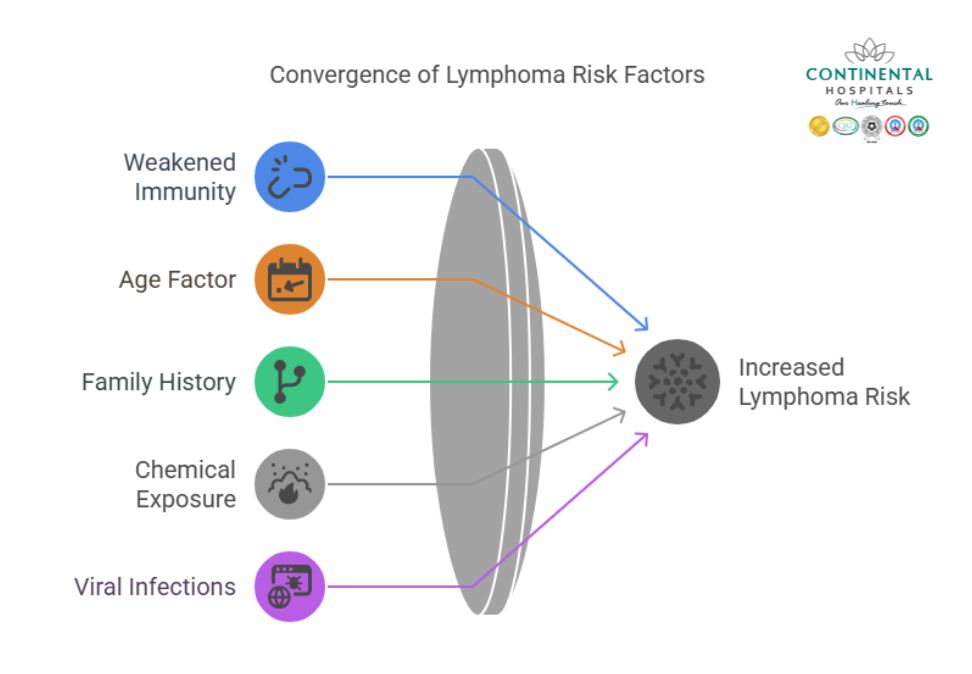
While the exact cause of lymphoma is not known, several factors may increase the risk of developing the disease:
Age: Lymphoma can affect people of all ages, but certain types are more common in specific age groups. For example, Hodgkin lymphoma is more common in young adults, while Non-Hodgkin lymphoma is more frequent in older adults.
Family History: If someone in your family has been diagnosed with lymphoma, you may have a slightly higher risk of developing the disease.
Weakened Immune System: People with weakened immune systems, such as those with HIV/AIDS or those who have received organ transplants, are at a higher risk.
Infections: Certain viral infections, such as Epstein-Barr virus (EBV) and human immunodeficiency virus (HIV), have been linked to an increased risk of lymphoma.
Autoimmune Diseases: Conditions like rheumatoid arthritis or lupus, which involve an overactive immune system, can increase lymphoma risk.
Exposure to Chemicals: Certain chemicals, including pesticides and solvents, have been associated with an increased risk of lymphoma.
Gender: Men are generally more likely to develop lymphoma than women, although the reasons for this are not fully understood.
How Is Lymphoma Diagnosed?
If you experience any symptoms of lymphoma, it’s important to seek medical attention promptly. Your doctor will start by asking about your medical history and performing a physical exam. If lymphoma is suspected, further tests may be required:
Biopsy: A sample of tissue from a swollen lymph node or other affected area is taken for examination under a microscope.
Imaging Tests: CT scans, MRIs, or PET scans help identify the location and extent of the lymphoma.
Blood Tests: These tests can provide information about how well the organs are functioning and whether the lymphoma has affected them.
What Are the Treatment Options for Lymphoma?
Treatment for lymphoma depends on the type, stage, and location of the cancer. The goal is to eliminate the lymphoma while minimizing harm to healthy tissue. Here are the main treatment options:
Chemotherapy: Uses powerful drugs to kill cancer cells or stop them from growing.
Radiation Therapy: High-energy rays are used to target cancer cells, particularly when the lymphoma is localized.
Immunotherapy: This treatment strengthens the body’s immune system to fight the lymphoma.
Stem Cell Transplant: This procedure helps restore the bone marrow after high doses of chemotherapy.
Targeted Therapy: Drugs that target specific molecules involved in cancer cell growth are used to treat some types of lymphoma.
Conclusion
Lymphoma is a type of cancer that affects the lymphatic system and can be serious if not treated early. However, with proper diagnosis and treatment, many people with lymphoma can lead normal lives. Understanding the types, symptoms, and risk factors is key to recognizing potential warning signs early.
Get expert lymphoma care at Continental Hospitals. Consult the best oncologist in Hyderabad for early diagnosis and treatment.