post-title

Viral Hepatitis and Its Global Impact: What You Should Know

Written by - Editorial Team
Medically Reviewed by - Dr Guru N Reddy

Viral hepatitis is a significant global health issue that affects millions of people worldwide. It encompasses several types of hepatitis viruses, each impacting the liver differently. Understanding the scope of this problem and its specific effects in India can help us take better preventative and treatment measures. This blog provides an overview of viral hepatitis, its global and Indian-specific impact, and available treatment options.

What is Viral Hepatitis?

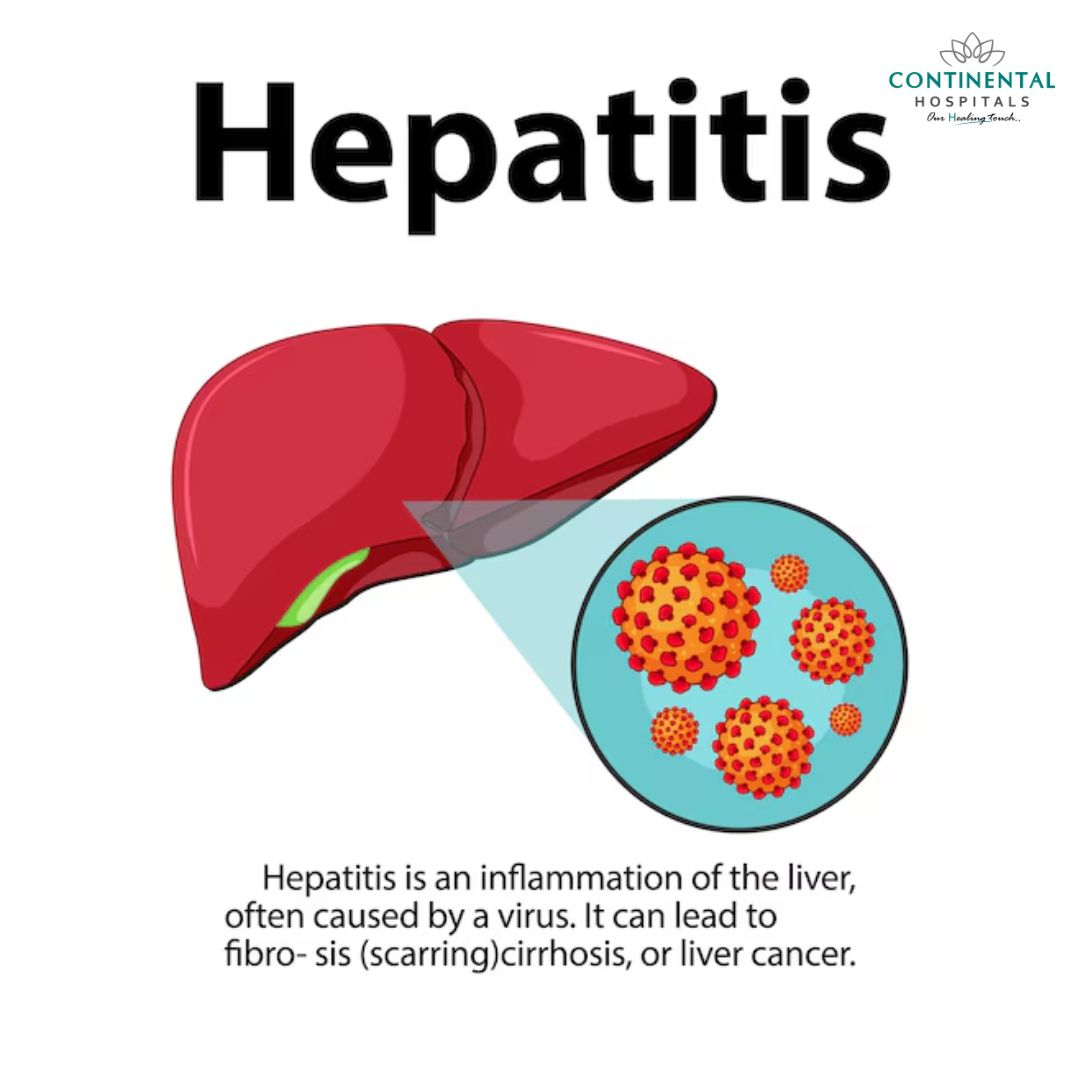
Viral hepatitis is an inflammation of the liver caused by different types of hepatitis viruses. The most common types are Hepatitis A, B, C, D, and E. Each type is transmitted differently and has varying effects on the liver.

Hepatitis A: Usually spread through contaminated food or water. It often leads to acute illness but is typically not chronic.
Hepatitis B: Transmitted through contact with infectious body fluids. It can lead to chronic liver disease and increase the risk of liver cancer.
Hepatitis C: Spread primarily through blood-to-blood contact. It is often asymptomatic until it causes significant liver damage.
Hepatitis D: Only occurs in those infected with Hepatitis B. It worsens the effects of Hepatitis B.
Hepatitis E: Transmitted via contaminated water. It can be severe, especially for pregnant women.

If you or a loved one is at risk of or experiencing symptoms of viral hepatitis, visit the gastroenterology specialists in Hyderabad at Continental Hospitals for expert evaluation, accurate diagnosis, and advanced treatment.
What is the global impact of viral hepatitis?

Globally, viral hepatitis remains a major health concern. According to the World Health Organization (WHO):

  • Hepatitis B: Approximately 296 million people are living with chronic hepatitis B worldwide. It causes around 820,000 deaths each year due to complications like liver cirrhosis and cancer.
  • Hepatitis C: An estimated 58 million people are infected with hepatitis C globally. It leads to about 290,000 deaths annually from liver-related diseases.
  • Hepatitis A and E: These are common in areas with poor sanitation. Hepatitis A affects around 1.4 million people each year, while Hepatitis E affects 20 million people annually.

The burden of these diseases is significant, especially in low- and middle-income countries where access to healthcare and preventive measures can be limited.

What is the impact of viral hepatitis in India?

India faces a considerable challenge with viral hepatitis due to its large population and varying healthcare access. The Indian Council of Medical Research (ICMR) reports:

  • Hepatitis B: Approximately 40 million people in India are living with chronic hepatitis B. The disease contributes to a significant portion of liver cancer cases in the country.
  • Hepatitis C: About 6 to 12 million people are estimated to be infected with hepatitis C in India. This infection is a leading cause of chronic liver disease and cirrhosis.
  • Hepatitis A: It is prevalent in India, particularly in regions with inadequate sanitation. Epidemics can occur in areas with poor water quality.
  • Hepatitis E: Common in regions with poor sanitation, Hepatitis E can cause outbreaks, particularly in areas with inadequate sewage treatment.

India has made progress in hepatitis control, but challenges remain, particularly with the diagnosis and treatment of hepatitis C and B. Efforts are ongoing to increase vaccination coverage, improve screening programs, and enhance public awareness.

Second Opinion

What are the symptoms and complications of viral hepatitis?

The symptoms of viral hepatitis can vary. Some people may not experience symptoms until the disease has advanced. Common symptoms include:

  • Fatigue
  • Jaundice (yellowing of the skin and eyes)
  • Abdominal pain
  • Dark urine
  • Loss of appetite
  • Nausea and vomiting

If left untreated, viral hepatitis can lead to severe liver complications such as cirrhosis (scarring of the liver) and liver cancer. Early detection and treatment are crucial to prevent these outcomes.

How is viral hepatitis diagnosed and treated?

Diagnosing viral hepatitis involves blood tests to detect the presence of hepatitis viruses and assess liver function. Once diagnosed, treatment varies depending on the type of hepatitis:

Hepatitis A: Typically, supportive care is provided. Vaccination is available to prevent future infections.
Hepatitis B: Antiviral medications can help manage chronic hepatitis B and reduce the risk of liver damage and transmission. Vaccination is effective in preventing infection.
Hepatitis C: Direct-acting antiviral (DAA) medications can cure most cases of hepatitis C. Early treatment is essential to prevent long-term liver damage.
Hepatitis D: Managing hepatitis D involves treating hepatitis B. There is no specific treatment for hepatitis D itself, but antiviral therapy for hepatitis B can help control it.
Hepatitis E: There is no specific antiviral treatment for hepatitis E. Supportive care is usually sufficient, though pregnant women may require more intensive management.

What are the treatment options for viral hepatitis at Continental Hospitals?

Continental Hospitals in Hyderabad offers comprehensive care for viral hepatitis, including advanced diagnostic and treatment options. The hospital's expert team can provide:

Hepatitis Screening and Diagnosis: Accurate and timely diagnosis through advanced testing.
Hepatitis B and C Management: Access to the latest antiviral medications and treatment regimens.
Vaccination Services: Vaccines for hepatitis A and B to prevent infection.
Comprehensive Care: Supportive care to manage symptoms and complications associated with hepatitis.

Conclusion

Viral hepatitis remains a significant global and national health challenge. Understanding the impact and available treatment options is crucial for managing and preventing this disease. By staying informed and seeking timely medical care, individuals can protect their liver health and overall well-being.

Need an Appointment?

If you or someone you know is at risk or experiencing symptoms of viral hepatitis, please consult our best gastroenterologist in hyderabad at Continental Hospitals.

Related Blogs:

  1. All you need to know about Hepatitis
  2. ABCs of Viral Hepatitis Types Symptoms and Prevention

Frequently Asked Questions

Viral hepatitis is an infection that causes inflammation of the liver and is mainly caused by hepatitis A, B, C, D, and E viruses. Millions of people worldwide are affected each year, making it one of the leading causes of liver disease. While some forms are short term and resolve on their own, others can become chronic and lead to severe complications. Chronic hepatitis B and C infections are major causes of liver cirrhosis and liver cancer. Many infected individuals do not experience symptoms in the early stages, allowing the disease to spread unknowingly. Lack of awareness, delayed diagnosis, and limited access to treatment continue to increase the global burden. Vaccination, safe hygiene practices, and timely medical care play an important role in prevention. Early detection significantly improves treatment outcomes and reduces complications.
There are five main types of viral hepatitis: hepatitis A, B, C, D, and E. Hepatitis A and E usually spread through contaminated food or water and often cause acute infections. Hepatitis B spreads through infected blood, unprotected sexual contact, and from mother to baby during childbirth. Hepatitis C is primarily transmitted through blood exposure, such as sharing needles or unsafe medical procedures. Hepatitis D occurs only in people who are already infected with hepatitis B. Some forms resolve without treatment, while hepatitis B and C can become chronic and require long-term medical care. Understanding the type of hepatitis helps doctors recommend the most appropriate treatment and prevention strategies.
The symptoms of viral hepatitis can vary depending on the type and stage of infection. Many people may not notice any symptoms during the early stages, especially with chronic hepatitis B or C. Common signs include fatigue, fever, nausea, vomiting, loss of appetite, abdominal discomfort, dark-colored urine, pale stools, and yellowing of the skin and eyes, known as jaundice. Some people may also experience joint pain and unexplained weight loss. Because these symptoms can resemble other illnesses, proper medical evaluation is essential. Blood tests and liver function tests help confirm the diagnosis. Seeking medical attention early can prevent disease progression and improve recovery.
Doctors diagnose viral hepatitis using a combination of medical history, physical examination, and laboratory tests. Blood tests help identify the specific hepatitis virus and determine whether the infection is acute or chronic. Liver function tests measure how well the liver is working and assess the extent of inflammation. Imaging tests such as ultrasound or FibroScan may be recommended to evaluate liver health. In certain situations, additional tests or a liver biopsy may be needed to determine the severity of liver damage. Early diagnosis allows timely treatment and reduces the risk of complications. Regular screening is especially important for people with known risk factors.
Yes, many forms of viral hepatitis can be prevented through vaccination, good hygiene, and safe lifestyle practices. Effective vaccines are available for hepatitis A and hepatitis B, providing long-term protection. Practicing proper handwashing, consuming safe food and clean drinking water, and maintaining good sanitation help reduce the risk of hepatitis A and E. Avoiding the sharing of needles, razors, or personal items that may contain blood can prevent hepatitis B and C. Safe sexual practices also reduce the risk of transmission. Healthcare workers should follow infection control measures and use protective equipment. Early vaccination and awareness remain the most effective ways to reduce the global burden of viral hepatitis.
Treatment depends on the type of viral hepatitis and whether the infection is acute or chronic. Acute hepatitis A and E often improve with supportive care, including rest, hydration, and proper nutrition. Chronic hepatitis B may require antiviral medications to reduce viral activity and prevent liver damage. Most cases of hepatitis C can now be cured with modern direct-acting antiviral medications taken for several weeks. Regular monitoring helps assess liver function and treatment effectiveness. Patients with advanced liver disease may require specialized care and ongoing follow-up. Early treatment significantly lowers the risk of liver cirrhosis, liver failure, and liver cancer.
Certain groups have a higher risk of contracting viral hepatitis due to increased exposure to the viruses. These include healthcare workers, people who inject drugs, individuals with multiple sexual partners, and those who receive unsafe blood transfusions or medical procedures. Babies born to mothers with hepatitis B are also at increased risk without timely vaccination. Travelers to areas with poor sanitation may be more likely to develop hepatitis A or E. People living with chronic liver disease or weakened immune systems should also take extra precautions. Regular screening, vaccination where available, and preventive measures help reduce infection risk.
Early detection allows doctors to begin appropriate treatment before significant liver damage occurs. Many people with chronic hepatitis B or C have no symptoms for years, making regular screening important for those at risk. Identifying the infection early helps prevent complications such as liver cirrhosis, liver failure, and liver cancer. Early diagnosis also reduces the chance of transmitting the virus to others through appropriate preventive measures. Regular follow-up enables healthcare providers to monitor liver health and adjust treatment when necessary. Public awareness, timely testing, and access to effective treatment are essential steps toward reducing the global impact of viral hepatitis and improving long-term health outcomes.
Disclaimer: The information provided in this blog is intended for general knowledge and informational purposes only, and does not constitute medical advice. Always consult with a qualified healthcare professional for any medical concerns or before making any decisions about your health.

Get in Touch With Us

Whether you are from India or abroad, we are here to help you with your medical queries. Please fill out the form below and our team will connect with you shortly.

  • ✔ Quick response from our medical experts
  • ✔ Secure data handling & privacy
  • ✔ Easy upload for reports & documents
banner_image

Chat with our medical experts on WhatsApp for quick assistance and hassle-free appointment booking

Recent Posts