post-title

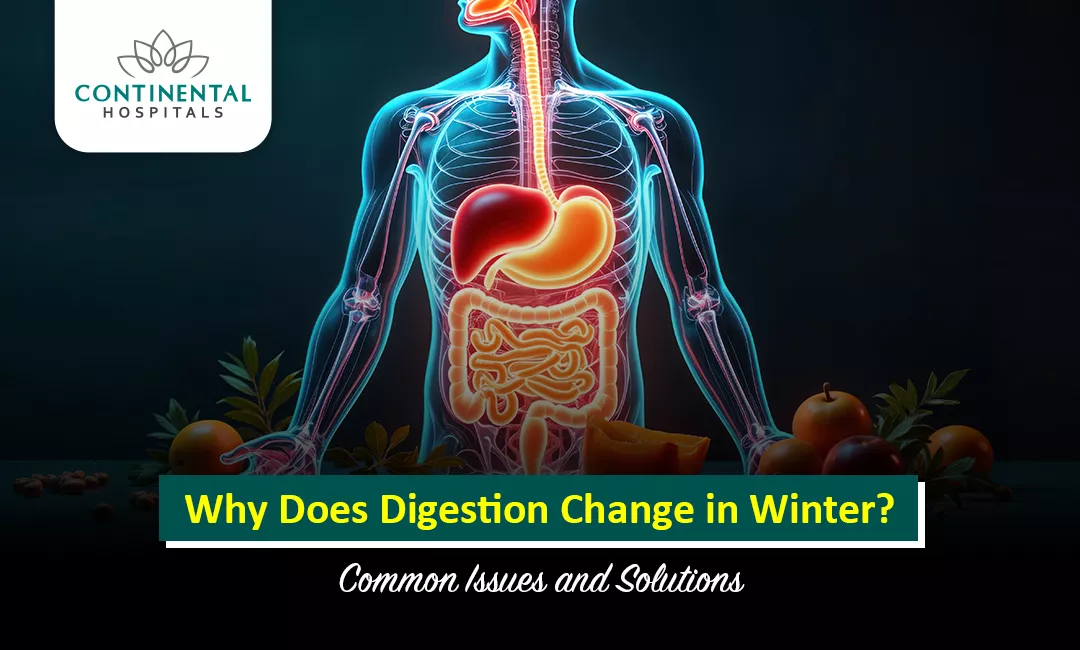
Why Does Digestion Change in Winter? Common Issues and Solutions

Written by - Editorial Team
Medically Reviewed by - Dr Ramesh Reddy Avula

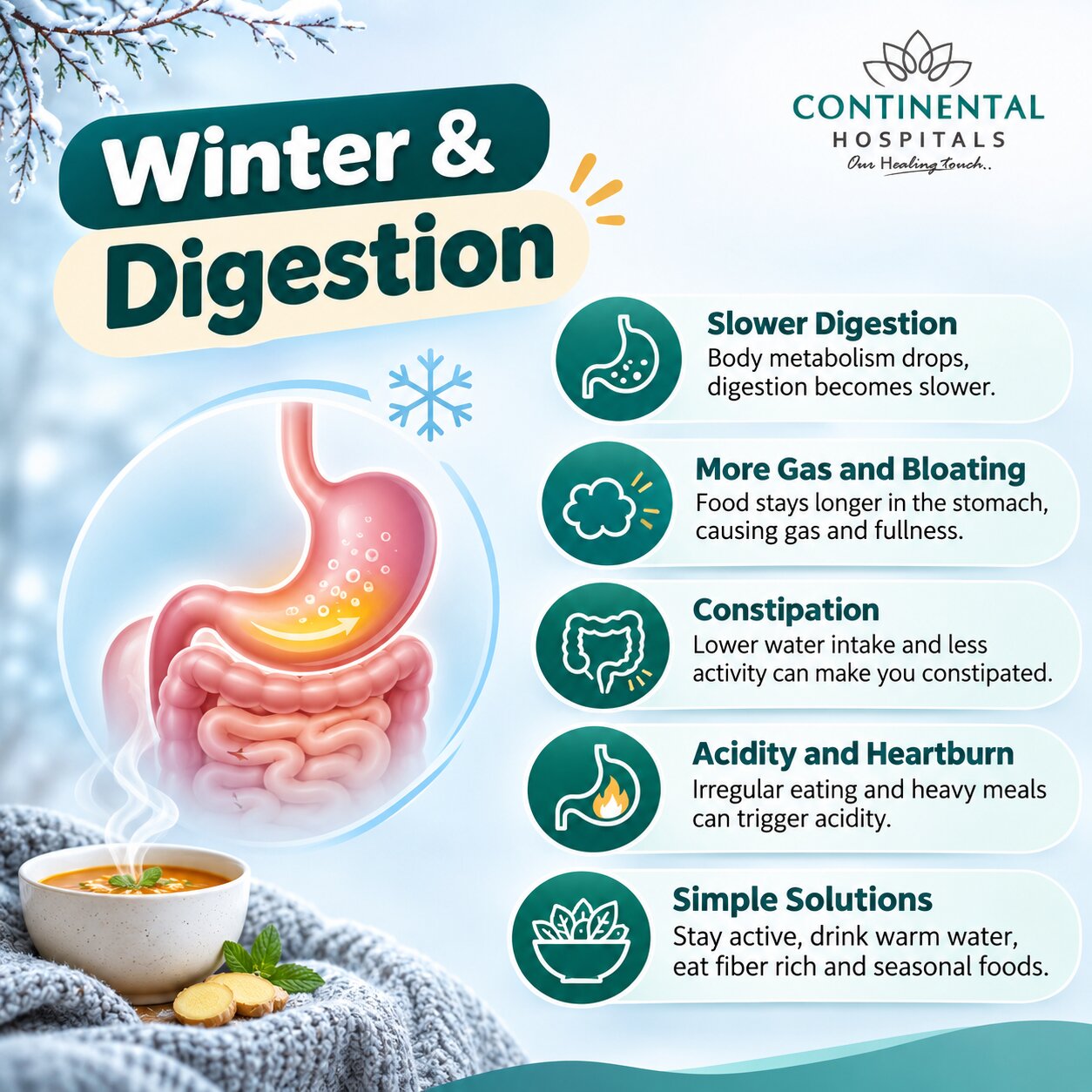
Have you ever noticed a difference in the functioning of your stomach in winters? There are many people who suffer from symptoms like constipation, gas formation, acidity, or heaviness after meals once the temperature drops. The reasons for the occurrence of these symptoms could be related to lesser physical activities, changes in dietary patterns, lack of sufficient water consumption, and changes in lifestyle. However, the colder temperature cannot cause any problem in the process of digestion in all individuals.

Knowledge of the causes behind the change in digestion patterns in winters will allow you to maintain your food and lifestyle practices accordingly. Consumption of heavy meals, lesser water consumption, and a sedentary lifestyle could lead to digestive problems in winters.

What Are the Most Common Digestive Disorders that Occur in Winter?

How come some people have a problem with their stomachs in winter time? The reasons for this may be changes in nutrition, hydration, and exercise, leading to some digestive disorders.

Digestive disorders in winter can include the following problems:

  • Constipation in winter: In winter, one might not drink enough water, consume enough fiber, and exercise, resulting in difficulty with stools.
  • Bloating in winter: Heavy food consumption, excessive eating, and gas-forming food may result in belly bloat.
  • Acidity in winter: Consuming fried or spicy food, eating too much, and going to bed right after having a meal might cause acid reflux.
  • Indigestion: Consumption of rich and fatty foods may cause stomach pain, nausea, or discomfort.
  • Overeating: Cold weather might make some people prefer more calorie food, causing overeating.

Visit the gastroenterology specialists in Hyderabad at Continental Hospitals, Hyderabad, for expert digestive and gastrointestinal care.

Constipation Is Common in Winter – Why Is It So?

Why is constipation a common problem in winter? People may stay indoors due to cold weather, and they may not have the thirst to drink water. Also, constipation in winter can occur if there is a lack of fiber in the diet as well.

Tips to avoid constipation in winter are:

  • Consume fruits like papayas, oranges, apples, and pears.
  • Eat plenty of vegetables, whole grains, and pulses.
  • Drink a sufficient amount of water.
  • Do exercises and walk regularly.
  • Do not suppress the need to go to the washroom.
  • Have regular washroom habits.

If constipation persists even after making changes in your lifestyle, see a doctor.
Second Opinion

Why Does Bloating and Acidity Worsen in Winter?

Does what we eat during winters influence our stomach? Yes. In winters, people tend to eat in large quantities and opt for fried and rich food. All this can lead to bloating and acidity.

Some of the foods and practices that can cause indigestion problems are:

  • Oily and fried foods.
  • Very spicy food.
  • Carbonated beverages.
  • Consuming food fast.
  • Big portions of food in the evening.
  • Resting right after eating.

You should try to eat in small amounts, chew well, and maintain a gap between your meals and sleeping.

How Can You Maintain Your Gut Health in Winter?

What are the best strategies to ensure good digestive health in winters? A few simple strategies can be used for this purpose.

Consider the following recommendations:

1. Have foods high in fiber: Take vegetables, fruits, beans, oats, and whole grains to help in normal bowel movements.

2. Have enough fluid intake: Drink adequate water even if you do not feel thirsty. Warm water is an easily digestible choice in winter.

Need an Appointment?

3. Consume foods with probiotics: Consumption of curd and some other fermented foods might help in maintaining healthy gut bacteria.

4. Remain active: Try to walk and practice yoga and other light exercises for aiding bowel movements and digestive health.

5. Refrain from eating too much: Take balanced meals without overeating.

6. Have a routine diet: Taking food on time helps in developing a healthy digestive pattern.

When Do You Need To See a Gastroenterologist?

Is there something wrong with experiencing digestive issues during winters? Not always. Occasional bloating and constipation can be managed by adopting certain lifestyles, but if the symptoms are persistent, one must seek medical help.

If you have been facing:

  • Frequent abdominal pain and bloating.
  • Persistent constipation or diarrhea.
  • Regular acidity and heartburn.
  • Blood in your stool.
  • Unintended weight loss.
  • Difficulty in swallowing.
  • Ongoing nausea and vomiting.

You need to see a specialist right away. In case you have a severe stomachache, vomiting blood, black stools, or show signs of dehydration, you need immediate medical assistance.

Why should you go to Continental Hospitals for your digestive issues?

Why does specialist treatment become a requirement for digestive problems in winter months? Various digestive health issues like acidity, gas, constipation, and abdominal pain can occur due to various reasons. Medical consultation will allow identifying the cause of the problem and the corresponding therapy.

Continental Hospitals in Hyderabad provides full medical treatment of digestive and gastrointestinal health problems with assistance from highly qualified specialists in gastroenterology, diagnostics, and medical treatment. The institution is accredited nationally and internationally with certificates issued by the Joint Commission International (JCI) and National Accreditation Board for Hospitals and Healthcare Providers (NABH).

Continental Hospitals is a leading multispecialty medical institution of Hyderabad.

Conclusion

What makes digestion different in winter? Factors such as seasonal shifts in diet, decreased activity levels, lack of water consumption, and large meals may lead to digestive issues like constipation, bloating, acidity, and more. A well-balanced diet, drinking enough water, exercise, and maintaining good dietary habits may help you have healthy digestion during winter.

Are you dealing with chronic constipation, bloating, acidity, stomach pain, or any other digestive issue? Consult our best gastroenterologist in Hyderabad at Continental Hospitals, Hyderabad.

Related Blogs:

  1. Best Foods for Easy Digestion and Gut Comfort
  2. Teas That Help Digestion After Heavy Meals

Frequently Asked Questions

Digestion can be influenced by seasonal changes in temperature and lifestyle. During summer, people may eat lighter meals and consume more fluids. In winter, heavier foods and reduced physical activity may affect digestion. Some people experience constipation during colder months. Changes in hydration can also influence bowel movements. Seasonal changes may affect appetite and food preferences. Dehydration during summer can sometimes contribute to digestive discomfort. Cold weather may encourage people to drink less water. Reduced physical activity can slow bowel movements. However, the digestive system does not automatically work slower in winter or faster in summer. Individual eating habits and health conditions play an important role. Eating balanced meals and staying hydrated support digestive health throughout the year. Consult a gastroenterologist if you experience persistent digestive problems.
A common cold primarily affects the nose, throat and respiratory system. However, some people may experience temporary digestive discomfort during an illness. Swallowing excess mucus can sometimes cause nausea or stomach discomfort. Reduced appetite may also affect regular eating habits. Fever and sweating can increase fluid loss. Certain cold medications may cause nausea, constipation or stomach irritation. Antibiotics prescribed for a separate bacterial infection can sometimes cause diarrhoea. Some viral infections may produce both respiratory and gastrointestinal symptoms. Vomiting or diarrhoea is not typical of an uncomplicated common cold. Drinking enough fluids helps prevent dehydration. Eating light and easily digestible meals may improve comfort. Avoid taking unnecessary medicines without medical advice. Consult a doctor if digestive symptoms are severe or persistent. Seek medical attention if you experience blood in stools or signs of dehydration.
Summer does not automatically slow down the digestive system. However, high temperatures can influence eating and drinking habits. Excessive sweating may cause dehydration if fluid intake is insufficient. Dehydration can contribute to constipation and abdominal discomfort. Some people may experience reduced appetite during extremely hot weather. Eating contaminated food or drinking unsafe water can increase the risk of stomach infections. Heavy meals may also cause bloating and discomfort. Staying hydrated supports normal digestive functions. Include water-rich foods such as cucumber, watermelon and other fresh fruits. Eat freshly prepared and properly stored meals. Avoid consuming food that has been left unrefrigerated for long periods. Maintain regular meal timings and physical activity. If you experience persistent diarrhoea, vomiting or abdominal pain, consult a doctor. Proper hydration and food hygiene help maintain digestive health during summer.
Cold weather may coincide with digestive discomfort in some individuals. However, low temperatures do not directly cause every episode of stomach pain or diarrhoea. Changes in food habits and physical activity may contribute to digestive symptoms. Viral gastroenteritis can cause stomach cramps and diarrhoea during colder months. Foodborne infections can also produce similar symptoms. Reduced water intake may contribute to constipation and abdominal discomfort. Some people experience increased bloating after eating heavier winter meals. Stomach pain can also result from acidity, gastritis or other digestive conditions. The location and severity of pain can help doctors identify possible causes. Drink sufficient water and maintain balanced eating habits. Avoid unhygienic food and practise proper handwashing. Do not ignore severe or recurring abdominal pain. Consult a gastroenterologist if symptoms persist. Seek urgent medical attention for severe pain, bloody stools, persistent vomiting or dehydration.
Winter constipation can occur due to reduced physical activity and inadequate fluid intake. Eating fewer fibre-rich foods may also affect bowel movements. Include fruits, vegetables, whole grains and legumes in your daily diet. Drink sufficient water throughout the day. Warm fluids may help maintain hydration and provide comfort. Avoid delaying the urge to pass stools. Regular walking and physical activity can support bowel movements. Maintain consistent meal timings and a healthy daily routine. Include fibre gradually to avoid excessive gas and bloating. Prunes and other fibre-rich fruits may help improve bowel regularity. Avoid using laxatives regularly without medical advice. Certain medicines can also contribute to constipation. Consult a doctor if constipation continues despite lifestyle changes. Seek medical attention if constipation is accompanied by severe pain, vomiting or blood in stools.
Cold weather itself is not an established direct cause of gastritis. Gastritis refers to inflammation of the stomach lining. Common causes include Helicobacter pylori infection and prolonged use of certain painkillers. Excessive alcohol consumption can also irritate the stomach lining. During winter, changes in eating habits may increase digestive discomfort. Spicy and heavy meals can worsen symptoms in some individuals. Irregular meal timings may also contribute to stomach discomfort. Common symptoms include upper abdominal pain, nausea and bloating. Some people may experience a burning sensation in the upper abdomen. Gastritis can sometimes occur without noticeable symptoms. Avoid foods that consistently trigger your discomfort. Do not take painkillers or acidity medicines without appropriate medical guidance. A gastroenterologist may recommend tests to identify the underlying cause. Early diagnosis and appropriate treatment can help prevent complications.
Cold weather does not directly produce excess gas in the stomach or intestines. However, winter lifestyle changes may contribute to bloating and gas. Eating larger portions and heavier meals can increase digestive discomfort. Reduced physical activity may affect bowel movements. Constipation can also cause gas to accumulate in the digestive tract. Eating too quickly may lead to swallowing excess air. Certain foods such as beans, cabbage and onions can increase gas production. Carbonated drinks may also worsen bloating in some people. Drink enough water to support normal bowel movements. Include fibre-rich foods in balanced portions. Regular walking can help improve intestinal movement. Eat slowly and avoid overeating. Persistent bloating may sometimes indicate an underlying digestive condition. Consult a gastroenterologist if gas is accompanied by pain, vomiting or unexplained weight loss.
The right medicine for winter stomach pain depends on its underlying cause. Stomach pain may result from gas, acidity, constipation or an infection. Antacids may provide temporary relief from occasional acidity. Certain medicines may help manage gas-related discomfort. Constipation may require dietary changes or doctor-recommended treatment. Diarrhoea caused by infections requires appropriate medical evaluation. Antibiotics should only be used when prescribed for a suitable bacterial infection. Avoid taking painkillers such as ibuprofen without medical advice, as they may irritate the stomach lining. Do not use antibiotics or antidiarrhoeal medicines without consulting a doctor when symptoms are severe. Drink sufficient fluids to prevent dehydration. Avoid heavy meals if they worsen your symptoms. A doctor may recommend tests if the pain continues. Seek urgent medical attention for severe abdominal pain, blood in stools, persistent vomiting or fever. Never rely on self-medication for recurring stomach problems.
You should consult a gastroenterologist if digestive problems continue or frequently return. Persistent stomach pain may indicate an underlying digestive condition. Frequent constipation or diarrhoea requires proper evaluation. Repeated bloating and excessive gas can also affect daily comfort. Heartburn that occurs regularly should not be ignored. Unexplained weight loss may indicate a more serious health concern. Changes in bowel habits lasting several weeks need medical attention. Blood in stools or black, tarry stools requires prompt medical assessment. Persistent vomiting and difficulty swallowing should also be evaluated. A gastroenterologist may recommend blood tests, stool tests or imaging based on your symptoms. Endoscopy or colonoscopy may be advised when clinically necessary. Early diagnosis can help identify digestive conditions and guide treatment. Avoid repeatedly treating symptoms without understanding their cause. Seek emergency care for severe abdominal pain, significant bleeding or signs of dehydration.
Disclaimer: The information provided in this blog is intended for general knowledge and informational purposes only, and does not constitute medical advice. Always consult with a qualified healthcare professional for any medical concerns or before making any decisions about your health.

Get in Touch With Us

Whether you are from India or abroad, we are here to help you with your medical queries. Please fill out the form below and our team will connect with you shortly.

  • ✔ Quick response from our medical experts
  • ✔ Secure data handling & privacy
  • ✔ Easy upload for reports & documents
banner_image

Chat with our medical experts on WhatsApp for quick assistance and hassle-free appointment booking

Recent Posts