post-title

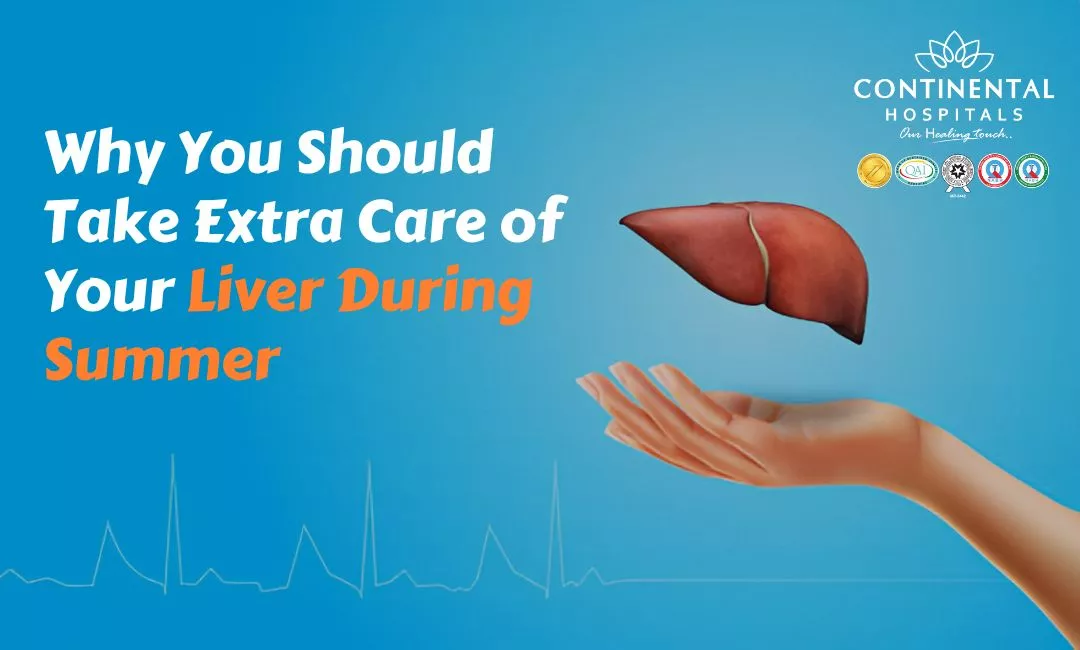
Why You Should Take Extra Care of Your Liver During Summer

Written by - Editorial Team
Medically Reviewed by - Dr Dhiraj Gopal Agrawal

Summer is a season of sunshine, vacations, and refreshing drinks. But did you know that the hot weather can take a toll on your liver? Your liver plays a crucial role in detoxifying your body, regulating digestion, and processing nutrients. The extreme heat, dehydration, and unhealthy summer habits can put extra strain on this vital organ.

Taking extra care of your liver during the summer can help you stay healthy and energized. In this blog, we’ll explore why summer affects your liver, common liver-related issues during hot weather, and simple tips to keep your liver in top shape.

How does summer affect your liver?

Your liver is responsible for flushing out toxins, breaking down fats, and maintaining your body’s metabolism. However, during summer, it has to work even harder due to several factors:

1. Dehydration Puts Stress on the Liver
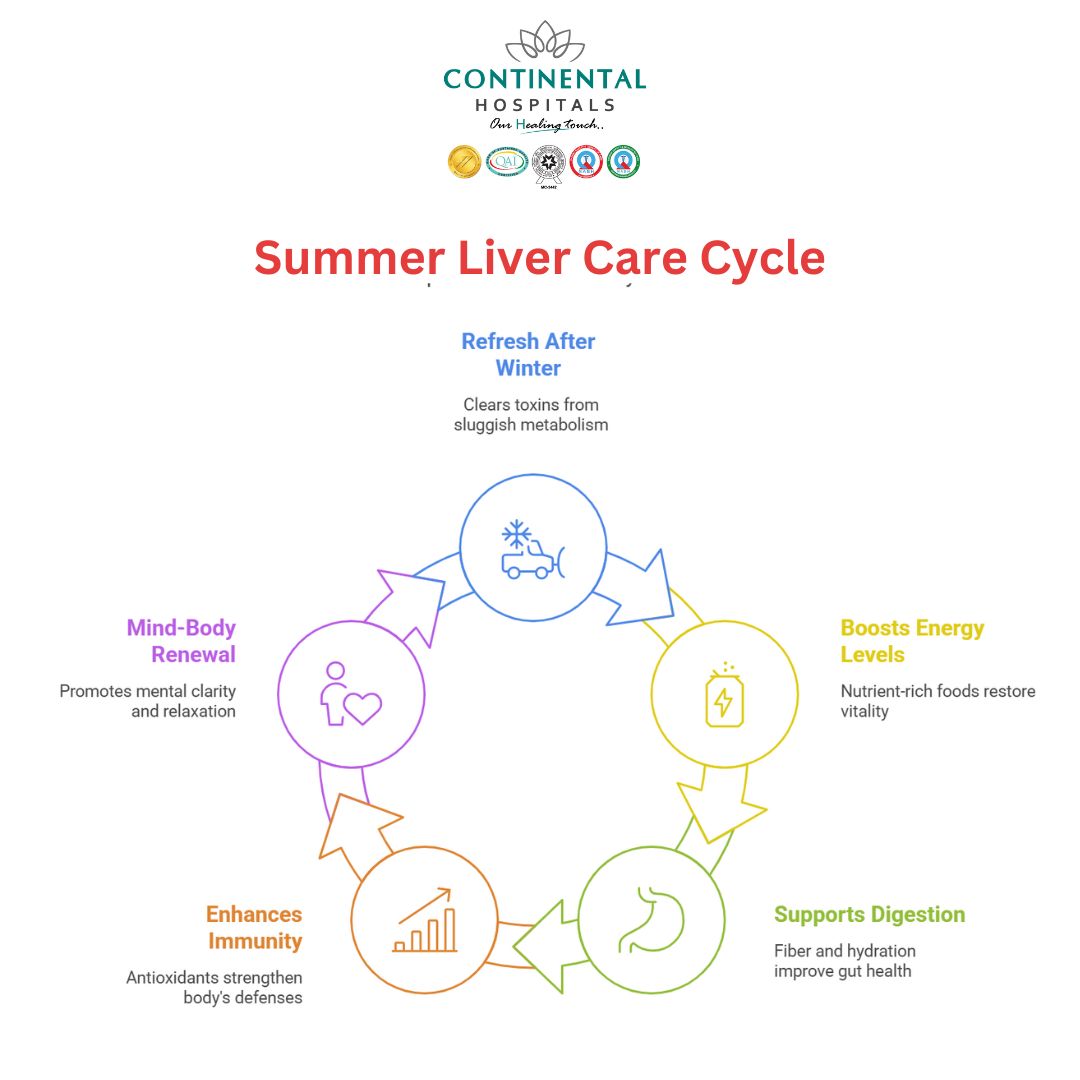
Hot weather makes you sweat more, leading to fluid loss and dehydration. Since your liver depends on water to flush out toxins and process nutrients, dehydration slows liver function. This can lead to toxin buildup, making you feel sluggish and increasing the risk of liver disorders.
2. Overheating and Inflammation
Excessive heat can lead to oxidative stress and inflammation in the liver. People who already have liver conditions like fatty liver disease or hepatitis may experience worsening symptoms due to heat exposure.

3. Unhealthy Eating Habits in Summer
Summer often brings cravings for fried foods, processed snacks, and sugary cold beverages. These foods put extra strain on your liver, increasing the risk of fatty liver disease and digestive issues.

4. Excessive Alcohol Consumption
Many people consume more alcoholic beverages during summer vacations, beach trips, and parties. Alcohol is directly processed by the liver, and excessive drinking can lead to liver damage, fatty liver disease, and even liver cirrhosis over time.

5. Increased Risk of Foodborne Illnesses
The summer heat increases the chances of food spoilage and bacterial growth. Consuming contaminated food can lead to infections that affect your liver’s ability to process toxins efficiently.

Second Opinion

Visit our gastroenterology specialist doctors at Continental Hospitals for expert diagnosis and advanced digestive care.

What liver problems get worse during summer?

If you don’t take care of your liver during hot weather, you may experience the following:

Fatty Liver Disease: An unhealthy diet and dehydration can make it harder for the liver to metabolize fats properly.

Liver Inflammation: Hot weather increases oxidative stress, which can worsen liver inflammation.

Heat-Related Fatigue: A stressed liver struggles to break down toxins, leading to fatigue and weakness.

Digestive Issues: A sluggish liver affects digestion, causing bloating, acidity, and indigestion.

How to Keep Your Liver Healthy in Summer?

Taking care of your liver during the summer is easy if you follow these simple steps:

Need an Appointment?

1. Stay Hydrated with Liver-Friendly Drinks

Water is essential for flushing out toxins from your liver. Aim for at least 8-10 glasses of water per day. You can also add detoxifying drinks like:

  • Lemon water – helps detoxify the liver and improve digestion.
  • Coconut water – replenishes electrolytes and prevents dehydration.
  • Green tea – rich in antioxidants that support liver function.
  • Fresh fruit juices (without added sugar) – provide vitamins that nourish the liver.

2. Eat Liver-Boosting Summer Foods

Include fresh, seasonal foods that support liver health:

  • Watermelon: Hydrating and rich in antioxidants.
  • Cucumber: Helps cool the body and supports digestion.
  • Leafy greens: Spinach, kale, and coriander flush out toxins.
  • Turmeric: Has anti-inflammatory properties that protect the liver.
  • Berries: Rich in antioxidants that help repair liver cells.
  • Beetroot: Enhances liver detoxification.

3. Avoid Processed and Fried Foods

Deep-fried snacks, processed meats, and sugary sodas put extra stress on the liver. Instead, opt for grilled, steamed, or boiled foods that are easier to digest.

4. Reduce Alcohol Intake

If you’re attending summer parties, try to limit alcohol consumption. If you do drink, follow these tips:

  • Drink plenty of water alongside alcohol.
  • Avoid binge drinking.
  • Eat a meal before drinking to slow alcohol absorption.

5. Maintain a Healthy Weight

Excess body fat can contribute to fatty liver disease. Engage in regular physical activity like walking, swimming, or yoga to keep your liver functioning well.

6. Protect Yourself from Infections

Hepatitis A and E, which affect the liver, spread through contaminated food and water. To avoid infections:

  • Wash fruits and vegetables thoroughly before eating.
  • Avoid street food that may be unhygienic.
  • Drink only purified or boiled water.

7. Get Enough Sleep

Your liver repairs itself while you sleep. Lack of rest can lead to toxin buildup and inflammation. Aim for 7-8 hours of quality sleep every night.

When Should You See a Doctor for Liver Problems in Summer?

If you experience any of these symptoms, consult a doctor immediately:

  • Persistent fatigue and weakness
  • Yellowing of the skin and eyes (jaundice)
  • Unexplained weight loss
  • Severe abdominal pain or bloating
  • Dark urine or pale stools

At Continental Hospitals, our liver specialists provide expert care for all liver-related issues. If you’re experiencing any liver problems, don’t wait—schedule an appointment today.

Conclusion: Take Care of Your Liver This Summer

Your liver plays a crucial role in keeping you healthy, especially during the hot summer months. By staying hydrated, eating nutritious foods, avoiding processed junk, and limiting alcohol, you can protect your liver from damage.

Consult our best gastroenterologist in hyderabad at Continental Hospitals for expert liver care. Book a consultation today for world-class treatment!

Related Blogs:

  1. 9 Warning Signs of Liver Cancer You Shouldn't Ignore
  2. How to Recognize Liver Problems Early

Frequently Asked Questions

Summer heat increases the risk of dehydration, which can reduce blood flow to the liver and affect its normal functions. The liver plays a vital role in detoxifying harmful substances, processing nutrients, producing bile, and regulating metabolism. High temperatures may also lead to fatigue, excessive sweating, and electrolyte imbalance, placing additional stress on the body. People often consume sugary drinks, fried foods, and alcohol more frequently during vacations and social gatherings, further increasing the liver's workload. Heat-related illnesses can also indirectly affect liver health, especially in older adults and people with chronic liver disease. Maintaining proper hydration, eating fresh fruits and vegetables, limiting alcohol, and avoiding unnecessary medications can help protect the liver during summer. Individuals with fatty liver disease, hepatitis, or cirrhosis should be particularly cautious. Taking preventive steps during hot weather helps support healthy liver function and reduces the risk of complications.
Dehydration can reduce the amount of blood reaching the liver, making it harder for the organ to perform essential functions efficiently. The liver relies on adequate hydration to metabolize nutrients, remove toxins, and support digestion. When the body loses excessive fluids through sweating, the liver may experience additional strain while maintaining normal metabolic processes. Dehydration can also contribute to fatigue, dizziness, and poor digestion, indirectly affecting overall liver health. People with existing liver conditions may be more vulnerable to dehydration-related complications. Drinking enough water throughout the day helps maintain healthy circulation and supports the liver's natural detoxification processes. Consuming water-rich fruits and vegetables also contributes to hydration. Staying hydrated is one of the simplest and most effective ways to support liver health during hot summer months.
Fresh seasonal fruits, leafy green vegetables, cucumbers, tomatoes, citrus fruits, watermelon, and berries provide hydration and antioxidants that support liver health. Whole grains, legumes, lean proteins, nuts, and seeds also contribute essential nutrients that help maintain normal liver function. Healthy fats from sources such as olive oil and avocados can be included in moderation. Foods rich in fiber support digestion and help regulate metabolism. Limiting fried foods, processed snacks, sugary beverages, and excessive salt reduces unnecessary stress on the liver. Fresh homemade meals are generally healthier than heavily processed foods. Drinking sufficient water alongside a balanced diet further supports liver function. A nutritious diet combined with healthy lifestyle habits can help protect the liver throughout the summer season.
Yes, alcohol may have a greater impact during hot weather because it contributes to dehydration while placing additional strain on the liver. Alcohol is metabolized primarily by the liver, and excessive intake can damage liver cells over time. During summer, increased sweating already causes fluid loss, and alcohol can worsen dehydration. This combination may increase fatigue, headaches, and reduce the body's ability to regulate temperature. People with fatty liver disease, hepatitis, or cirrhosis should avoid alcohol unless advised otherwise by their doctor. Even healthy individuals should consume alcohol responsibly and drink plenty of water if they choose to drink. Avoiding binge drinking is especially important during periods of extreme heat. Limiting alcohol supports both liver health and overall well-being.
Individuals with fatty liver disease, hepatitis, cirrhosis, diabetes, obesity, or chronic medical conditions may face a higher risk of liver-related complications during hot weather. Older adults are more prone to dehydration, making them particularly vulnerable. People who work outdoors for long hours or participate in strenuous physical activities may lose significant fluids through sweating. Those taking multiple medications should also be cautious, as some medicines may affect hydration or liver function. Individuals who consume alcohol regularly may experience increased liver stress during summer. People with weakened immunity or poor nutrition may require additional care. Staying hydrated, avoiding excessive heat exposure, and following medical advice can help reduce risks. Regular health checkups are important for those with existing liver disease.
Common warning signs of liver problems include persistent fatigue, yellowing of the skin or eyes (jaundice), dark-colored urine, pale stools, nausea, vomiting, abdominal pain, swelling in the legs or abdomen, and unexplained weight loss. Some people may also experience loss of appetite, itching, or easy bruising. These symptoms may develop gradually or appear suddenly depending on the underlying condition. Although some symptoms may have other causes, persistent or worsening signs should never be ignored. Early diagnosis allows timely treatment and helps prevent complications. People with known liver disease should seek medical attention if symptoms change or worsen. Prompt evaluation by a liver specialist is essential for accurate diagnosis and appropriate management.
Protecting your liver during summer starts with drinking enough water throughout the day to prevent dehydration. Eat a balanced diet rich in fruits, vegetables, whole grains, and lean proteins while limiting fried foods, sugary drinks, and processed snacks. Avoid excessive alcohol consumption and never misuse over-the-counter medications or herbal supplements. Maintain a healthy weight through regular physical activity, preferably during cooler parts of the day. Practice good food hygiene to reduce the risk of infections that may affect the liver. If you have chronic liver disease, follow your doctor's advice carefully and attend regular follow-up appointments. Vaccination against hepatitis, when recommended, also helps protect liver health. Consistent healthy habits significantly reduce the risk of liver-related complications.
You should consult a liver specialist if you experience persistent fatigue, jaundice, severe abdominal pain, repeated vomiting, swelling of the abdomen or legs, confusion, or any symptoms suggestive of liver disease. People with existing liver conditions should seek medical advice if they become dehydrated or notice worsening symptoms during hot weather. Individuals with unexplained abnormal liver function tests should also undergo evaluation. Early medical attention helps identify the underlying cause and prevents complications. A liver specialist may recommend blood tests, imaging studies, or additional investigations depending on your symptoms. Timely diagnosis improves treatment outcomes and supports long-term liver health. Do not ignore persistent or unusual symptoms, especially during extreme summer temperatures.
Disclaimer: The information provided in this blog is intended for general knowledge and informational purposes only, and does not constitute medical advice. Always consult with a qualified healthcare professional for any medical concerns or before making any decisions about your health.

Get in Touch With Us

Whether you are from India or abroad, we are here to help you with your medical queries. Please fill out the form below and our team will connect with you shortly.

  • ✔ Quick response from our medical experts
  • ✔ Secure data handling & privacy
  • ✔ Easy upload for reports & documents
banner_image

Chat with our medical experts on WhatsApp for quick assistance and hassle-free appointment booking

Recent Posts