.webp)

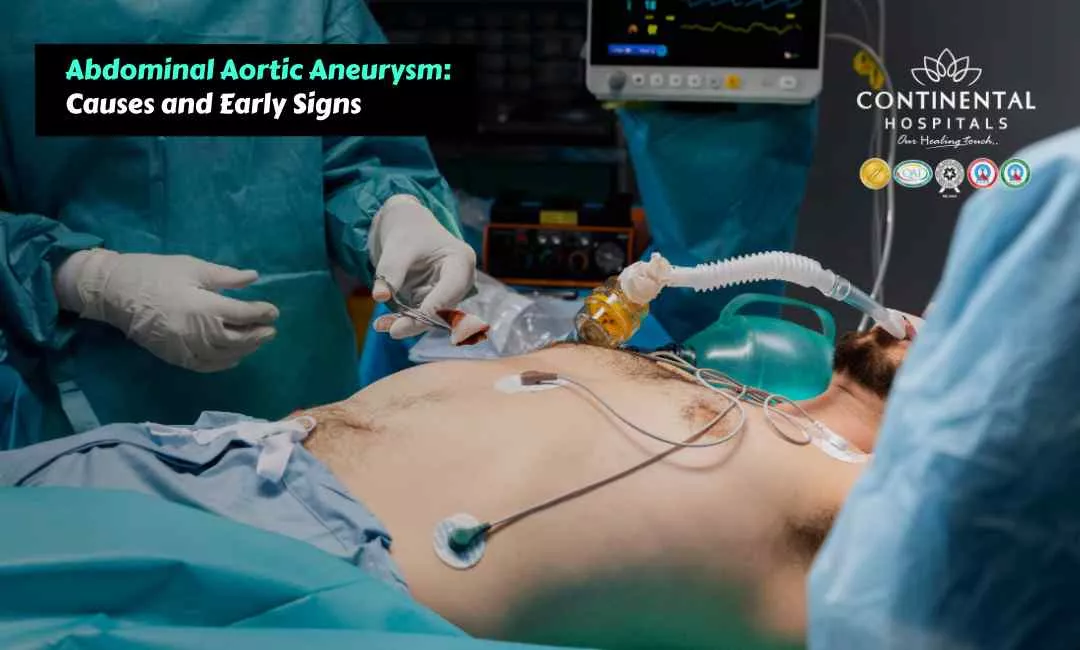
An abdominal aortic aneurysm (AAA) is a serious medical condition that often develops silently but can have life-threatening consequences if not detected early. Understanding its causes, early symptoms, and risk factors can help prevent complications and ensure timely treatment. This blog provides a clear overview of what you need to know about abdominal aortic aneurysms and why choosing the right hospital, like Continental Hospitals, Hyderabad, makes all the difference.
What is an Abdominal Aortic Aneurysm?
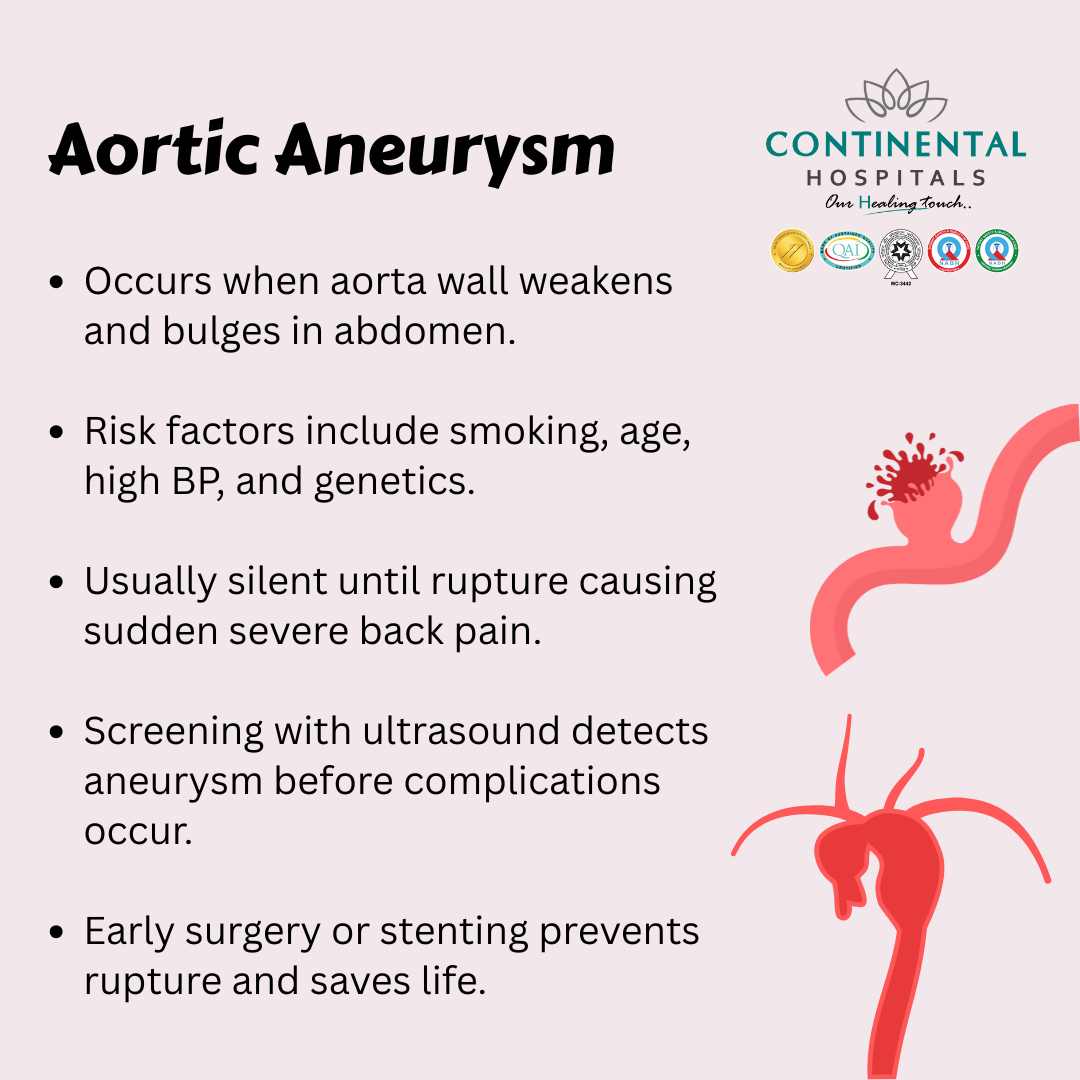
The aorta is the largest blood vessel in your body, carrying oxygen-rich blood from the heart to the rest of the body. When a section of the aorta in the abdomen becomes weak and starts to bulge outward like a balloon, it is called an abdominal aortic aneurysm (AAA).
If the aneurysm grows too large, it can rupture, leading to massive internal bleeding — a medical emergency that requires immediate attention. The key is to identify and treat the condition early before it reaches that stage.
What Causes an Abdominal Aortic Aneurysm?
Several factors can contribute to the weakening of the aortic wall. Some of the most common causes include:
Atherosclerosis (hardening of arteries): Fatty deposits build up inside the arteries, causing them to lose strength and elasticity.
High blood pressure: Constant pressure against the artery walls can weaken them over time.
Smoking: Nicotine damages blood vessels and accelerates the formation of plaque, greatly increasing the risk.
Genetic factors: A family history of aneurysms makes you more likely to develop one.

Infections or inflammation: Rarely, infections or inflammatory diseases can affect the aorta.
Age and gender: Men over 60 are more likely to develop AAAs, though women are not completely exempt.
Early Signs and Symptoms to Watch For
The biggest challenge with an abdominal aortic aneurysm is that it often develops without noticeable symptoms. Many people are unaware they have one until it’s found accidentally during a routine scan. However, when symptoms do appear, they can include:
- A deep, constant pain in your abdomen or back
- A pulsating feeling near your navel that feels like a heartbeat
- Sudden, severe abdominal or lower back pain (if the aneurysm is expanding or rupturing)
- Dizziness or fainting, especially during a rupture
If you experience these symptoms, seek immediate medical help. A ruptured aneurysm is a life-threatening emergency.
Who Is at Risk?
Knowing your risk factors can help with early detection and prevention. You may be at higher risk if you:
- Are above 60 years old
- Smoke or have smoked in the past
- Have high blood pressure or high cholesterol
- Have a family history of aneurysms
- Have atherosclerosis or peripheral artery disease (PAD)
If you fall into any of these categories, your doctor may recommend screening with ultrasound to detect aneurysms early.
How Is an Abdominal Aortic Aneurysm Diagnosed?
Doctors use non-invasive imaging tests to confirm the presence and size of an aneurysm. These include:
Abdominal Ultrasound: The most common and accurate method for screening.
CT Scan (Computed Tomography): Gives detailed images and helps in planning surgery.
MRI (Magnetic Resonance Imaging): Useful for assessing the aneurysm and nearby blood vessels.
Regular screening is crucial for people with risk factors, as early detection can prevent complications.
Treatment Options for Abdominal Aortic Aneurysm
The treatment approach depends on the size and rate of growth of the aneurysm:
Small aneurysms (less than 5 cm): Usually monitored with regular imaging and lifestyle changes.
Medium to large aneurysms: May require surgical repair to prevent rupture.
Surgical treatments include:
Open surgical repair: The weakened section of the aorta is replaced with a synthetic graft.
Endovascular aneurysm repair (EVAR): A minimally invasive procedure where a stent graft is inserted through small incisions in the groin.
EVAR is often preferred because it involves less recovery time, fewer complications, and shorter hospital stays.
Prevention and Lifestyle Modifications
While not all aneurysms can be prevented, you can significantly reduce your risk by following these tips:
Quit smoking: This is the single most important step to protect your blood vessels.
Control blood pressure and cholesterol: Regular check-ups and medications help maintain vascular health.
Exercise regularly: Helps improve circulation and strengthens the cardiovascular system.
Eat a heart-healthy diet: Focus on fruits, vegetables, whole grains, and lean proteins.
Manage stress: Chronic stress can elevate blood pressure and impact heart health.
Why Choose Continental Hospitals for Vascular and Aneurysm Care?
At Continental Hospitals, Hyderabad, patient safety and clinical excellence come first. The hospital is JCI-accredited (Joint Commission International) and NABH-certified, ensuring that every treatment follows the highest global standards of quality and safety.
Our multidisciplinary team includes experienced vascular surgeons, interventional radiologists, and cardiologists who work together to provide comprehensive care for conditions like abdominal aortic aneurysms.
Continental Hospitals offers:
- Advanced imaging and diagnostic facilities for accurate detection
- Cutting-edge vascular surgery and endovascular repair
- 24/7 emergency care and intensive monitoring
- Personalized rehabilitation and post-surgery follow-up
- Evidence-based protocols ensuring faster recovery and minimal complications
Located in Gachibowli, Hyderabad, the hospital serves patients from surrounding areas like Kokapet, Nanakramguda, Manikonda, Narsingi, and Hitech City, making it a trusted destination for advanced cardiovascular and vascular treatments.
What Happens If an Abdominal Aortic Aneurysm Ruptures?
A ruptured aneurysm is a medical emergency. The symptoms can include sudden, intense abdominal or back pain, rapid heartbeat, and loss of consciousness. Immediate surgery is needed to save the patient’s life. The survival rate increases significantly when patients are treated at a specialized vascular care center like Continental Hospitals.
When Should You See a Doctor?
You should consult a vascular specialist if you experience:
- Persistent abdominal or back pain
- A pulsating feeling in your abdomen
- Have a family history of aneurysms
- Are a smoker or have high blood pressure
Regular screening is recommended for men above 65 and those with a history of smoking or cardiovascular disease.
Conclusion
An abdominal aortic aneurysm can develop quietly, but early detection and proper care can make all the difference. Knowing the causes, recognizing warning signs, and undergoing timely screening are key steps to preventing life-threatening complications.
If you suffer from abdominal or back pain, notice a pulsating sensation in your abdomen, or have risk factors like smoking or high blood pressure, don’t ignore the warning signs. Visit Continental Hospitals, Gachibowli, Hyderabad, to consult the best vascular and cardiovascular specialists.