.webp)

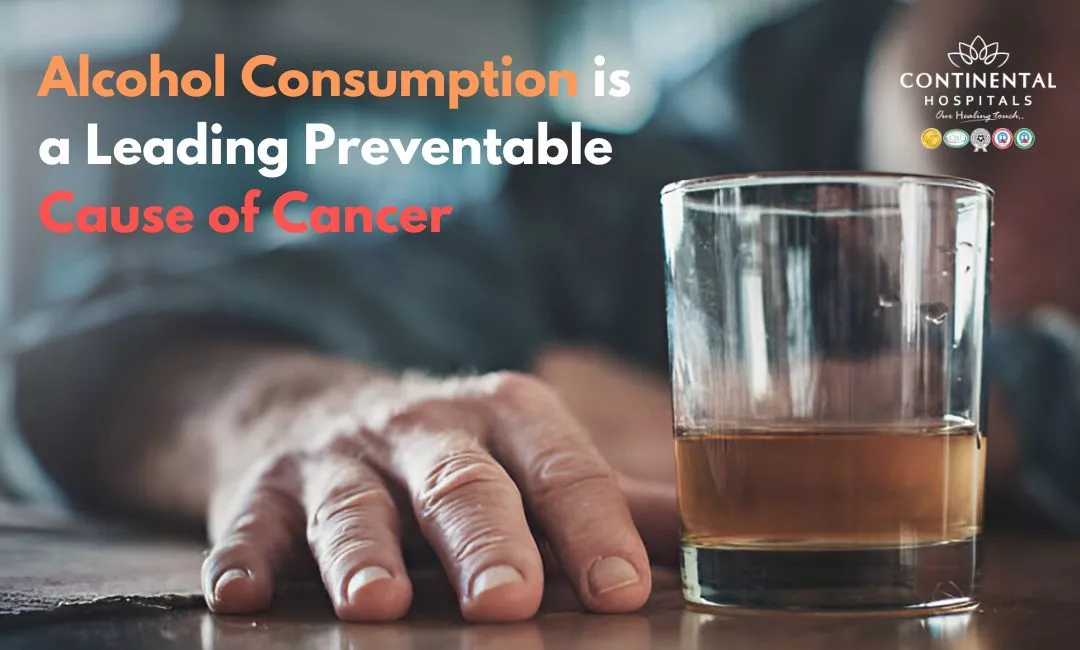
Cancer is one of the most challenging health issues worldwide, and many of its causes are linked to our lifestyle choices. While genetics, environmental factors, and age play significant roles in cancer risk, alcohol consumption is one of the most preventable contributors to the development of various cancers. In fact, research has shown that alcohol consumption is responsible for a significant number of cancer cases each year, with a large portion of these cases being preventable.
How Does Alcohol Increase the Risk of Cancer?
Alcohol, especially when consumed in excess, has long been recognized as a risk factor for several types of cancer. It is believed to increase the risk due to the way the body processes alcohol. When alcohol is metabolized, it is converted into acetaldehyde, a toxic compound that can damage cells and DNA. This damage can lead to mutations that contribute to the development of cancer.
The connection between alcohol and cancer is well-documented and includes cancers of the mouth, throat, esophagus, liver, breast, colon, and rectum. While many people may be aware of the risks associated with smoking, fewer are aware of the dangers alcohol poses in terms of cancer risk.
How Alcohol Consumption Increases Cancer Risk?
Mouth, Throat, and Esophageal Cancer: Drinking alcohol, particularly in large amounts, can increase the risk of cancers in the mouth, throat, and esophagus. This is because alcohol can irritate the lining of the mouth and throat, leading to inflammation and cell damage. Over time, this damage can lead to cancer.
Liver Cancer: The liver plays a vital role in breaking down alcohol, but excessive alcohol consumption can damage liver cells. Chronic drinking can lead to liver cirrhosis, which significantly increases the risk of liver cancer.
Breast Cancer: For women, alcohol consumption is a known risk factor for breast cancer. Even moderate drinking, such as one drink per day, can increase the chances of developing breast cancer. Alcohol increases levels of estrogen in the body, a hormone linked to breast cancer development.
Colon and Rectal Cancer: Studies have shown that alcohol increases the risk of developing cancer in the colon and rectum. The alcohol itself, as well as its byproducts, can irritate the digestive system and contribute to the growth of cancer cells.
Increased Risk with Heavy Drinking: While moderate drinking can raise cancer risks, heavy drinking further amplifies the threat. Those who consume excessive alcohol (more than three drinks a day) are at a much higher risk for several types of cancer.
If you're concerned about alcohol-related cancer risks or have noticed unusual symptoms, visit our Best Cancer Specialist in Hyderabad at Continental Hospitals for expert evaluation and personalized cancer care.

What Do the Latest Statistics Say About Alcohol and Cancer?
According to global statistics, alcohol consumption is responsible for a significant number of cancer cases worldwide. In 2020, an estimated 741,300 cancer cases were related to alcohol consumption. Of those, 185,100 cases were linked to drinking about two alcoholic beverages per day.
These numbers are alarming, especially when you consider that cancer is one of the leading causes of death globally. The fact that alcohol consumption contributes to so many preventable cancer cases highlights the importance of making informed choices about drinking habits. Reducing or eliminating alcohol consumption could save countless lives every year.
What is Considered Safe Alcohol Consumption?
The key to minimizing the risk of alcohol-related cancer is moderation. It’s important to understand what constitutes moderate drinking:
- For men, moderate drinking is defined as up to two drinks per day.
- For women, moderate drinking is defined as one drink per day.
One “standard drink” typically contains about 14 grams of pure alcohol, which is equivalent to:
- 12 ounces (355 millilitres) of beer
- 5 ounces (148 millilitres) of wine
- 1.5 ounces (44 millilitres) of distilled spirits or liquor
Even moderate drinking can increase the risk of certain types of cancer, and heavy drinking significantly raises the likelihood of developing cancer. For those who are concerned about their cancer risk, it may be best to reduce alcohol consumption further or quit drinking altogether.
How Can You Protect Yourself from Alcohol-Related Cancer Risk?
Limit or Eliminate Alcohol Consumption: The most effective way to reduce your cancer risk is to limit alcohol intake. If you don't drink, don't start. If you do drink, consider cutting back on the amount and frequency.
Educate Yourself: Knowledge is power. Understanding the risks associated with alcohol can help you make informed decisions about your health. Remember, even moderate drinking can have long-term health consequences.
Stay Active and Eat Healthy: A balanced lifestyle that includes regular physical activity and a healthy diet can help reduce your overall cancer risk. While reducing alcohol intake is important, adopting a holistic approach to health is key to overall cancer prevention.
Talk to Your Doctor: If you have concerns about alcohol consumption and its effects on your health, speak with your doctor. They can help assess your risk, provide guidance, and offer resources to help you make healthier choices.
When Should You Seek Help for Alcohol-Related Problems?
If you or someone you know is struggling with alcohol consumption and its impact on health, it’s important to seek professional help. Continental Hospitals’ medical team is here to support you in every step of your health journey. Whether you’re looking to reduce your alcohol intake, manage the effects of alcohol on your health, or seek a treatment plan for alcohol-related issues, we’re here to help.
Conclusion
Alcohol consumption is a leading preventable cause of cancer, responsible for hundreds of thousands of cases globally. Understanding the link between alcohol and various cancers is crucial for making informed health choices. Reducing alcohol intake or eliminating it altogether can significantly lower your risk of developing cancer and lead to better long-term health outcomes.
If you’re worried about your alcohol consumption or have concerns about cancer risk, consult our best oncologist in Hyderabad at Continental Hospitals.
Related Blog Topics: