.webp)

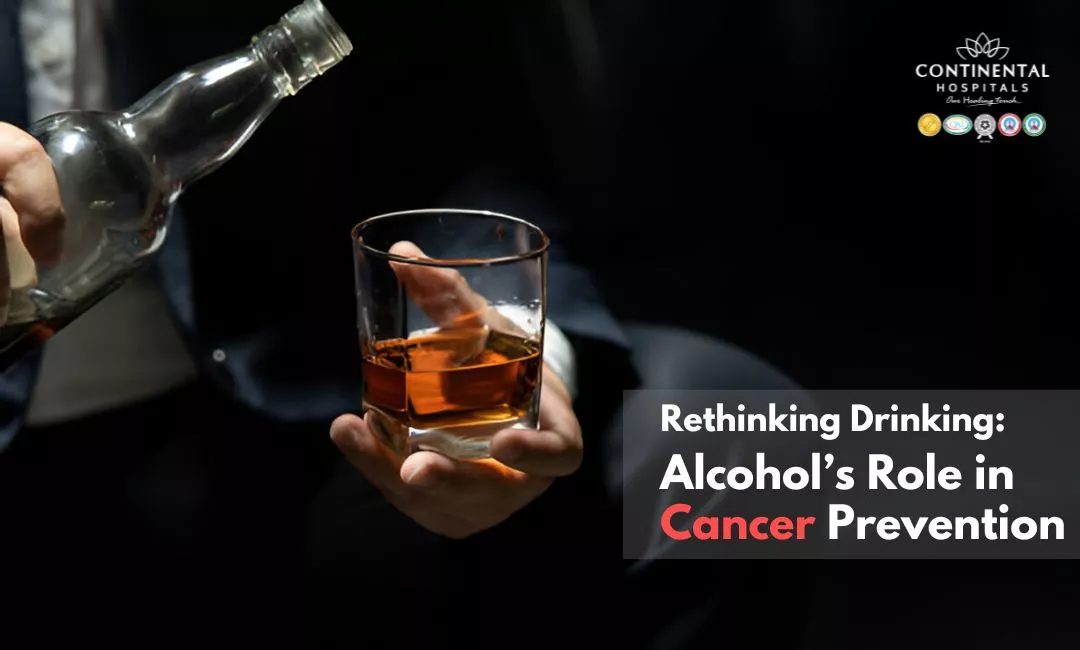
When it comes to maintaining good health, one of the most common pieces of advice you’ll hear is to limit alcohol consumption. While drinking alcohol in moderation might seem harmless to many, there’s growing evidence that alcohol can contribute to a range of health problems, including an increased risk of cancer. In this blog, we’ll explore the connection between alcohol and cancer prevention, and why rethinking our drinking habits could play an essential role in reducing cancer risk.
Does Alcohol Increase the Risk of Cancer?
It's widely known that excessive alcohol consumption can have several harmful effects on the body, such as liver damage, weight gain, and heart disease. But its role in cancer prevention or, more accurately, in cancer risk, is less frequently discussed. According to experts and research, alcohol is classified as a Group 1 carcinogen by the World Health Organization (WHO). This means that it is considered a substance that is directly linked to the development of cancer in humans.
Drinking alcohol regularly and in large amounts increases the risk of various cancers, including:
Mouth and throat cancer: The risk increases significantly for those who both smoke and drink alcohol.
Breast cancer: Studies show that even low to moderate alcohol consumption can increase the risk of breast cancer, especially in women.
Liver cancer: Chronic alcohol use is a leading cause of cirrhosis, which increases the risk of liver cancer.
Colorectal cancer: Drinking alcohol can increase the chances of developing cancer in the colon or rectum.
Esophageal cancer: Alcohol can contribute to the development of esophageal cancer, particularly in people who are heavy drinkers.
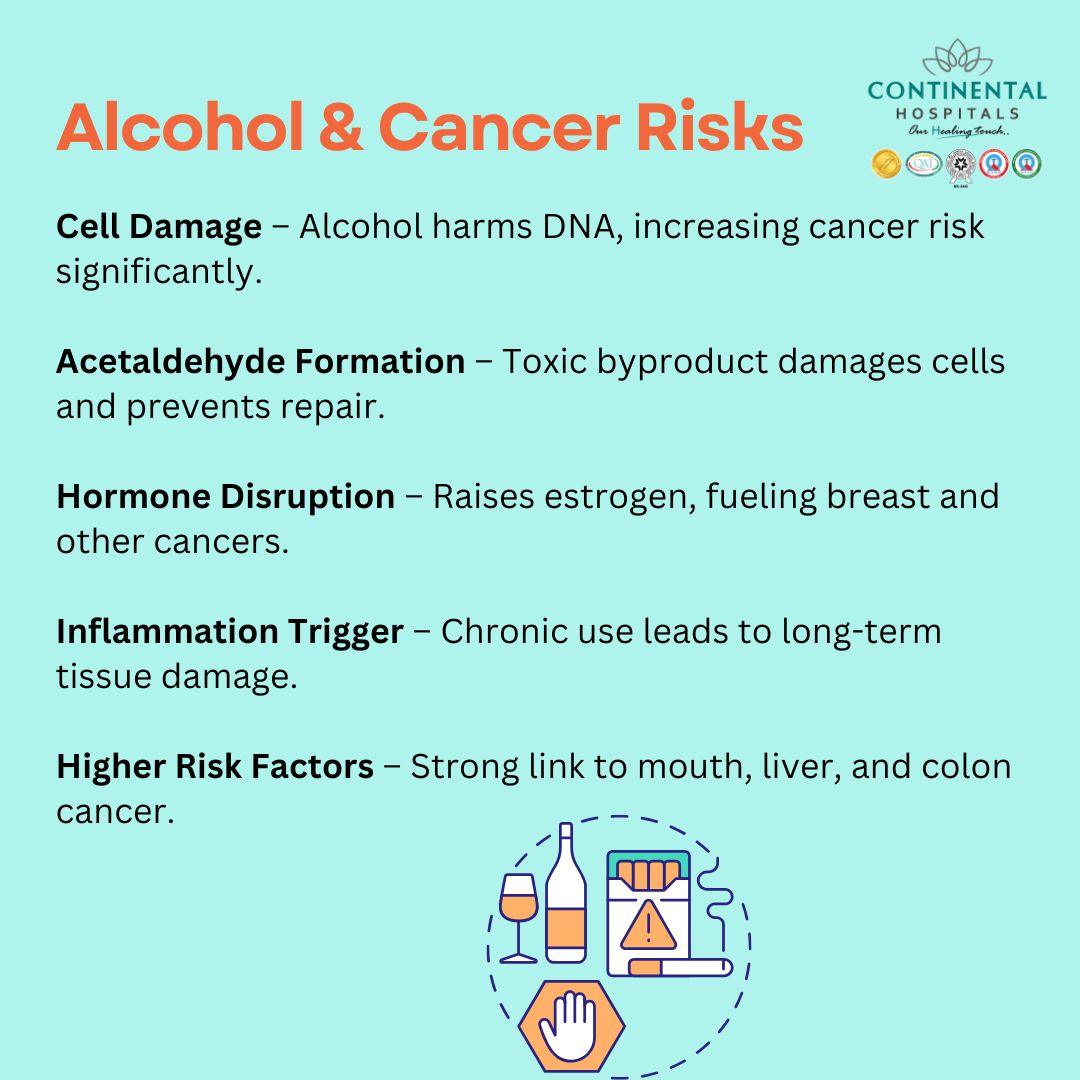
The link between alcohol and cancer stems from the way alcohol is processed in the body. When alcohol is consumed, it is converted into acetaldehyde, a substance that can damage DNA and tissues in the body. This damage can result in mutations that lead to cancer development over time.

If you have concerns about alcohol use, cancer risk, or cancer prevention, visit the Best Cancer Specialist in Hyderabad at Continental Hospitals for expert guidance and personalized care.
How Does Alcohol Contribute to Cancer?
Alcohol doesn’t directly cause cancer in all cases, but it does contribute in several ways:
DNA Damage: When alcohol is metabolized, it produces acetaldehyde, which can damage the DNA in our cells. This damage can make cells more likely to turn cancerous.
Increased Estrogen Levels: Alcohol can raise the levels of estrogen in the body, a hormone linked to breast cancer. Higher estrogen levels can promote the growth of certain types of breast cancer cells.
Immune System Suppression: Alcohol can weaken the immune system, making it harder for the body to detect and destroy cancer cells.
Inflammation: Alcohol can lead to chronic inflammation in various parts of the body, including the liver and digestive tract. Chronic inflammation is known to increase the risk of several types of cancer.
Obesity: Alcohol is high in calories and can contribute to weight gain. Being overweight or obese is a significant risk factor for developing several types of cancer, such as breast, colon, and liver cancer.
How Much Alcohol is Too Much?
The effects of alcohol on cancer risk are closely linked to how much and how often you drink. According to health guidelines:
Moderate drinking: Defined as up to one drink per day for women and up to two drinks per day for men. Even moderate drinking has been linked to an increased risk of certain cancers, particularly breast cancer.
Heavy drinking: Defined as more than three drinks per day for women and more than four drinks per day for men. This level of drinking is associated with a significantly higher risk of several cancers.
Binge drinking: Consuming a large amount of alcohol in a short period (typically five or more drinks in a single session for men, or four or more for women) can increase the risk of cancer, especially if done regularly.
What Does This Mean for Cancer Prevention?
If you’re concerned about reducing your cancer risk, reevaluating your alcohol consumption is a good place to start. The best way to lower your risk is by either cutting back on alcohol or avoiding it altogether. By making small adjustments to your drinking habits, you can take an important step in preventing cancer and maintaining overall good health.
Here are a few tips to help you manage your drinking:
Limit alcohol intake: Stick to the guidelines of no more than one drink a day for women and two for men. If you don’t drink, there’s no need to start.
Choose alcohol-free days: Taking regular breaks from drinking can help reduce your overall alcohol intake.
Stay informed: Be aware of the types of alcohol you consume, as some drinks (like cocktails with sugary mixers) may increase the risk of other health issues such as obesity.
Consider other lifestyle changes: Along with reducing alcohol intake, try to maintain a healthy weight, eat a balanced diet, and engage in regular exercise—all of which can lower your risk of cancer.
How do diet and lifestyle affect cancer prevention?
It’s not just alcohol that plays a role in cancer prevention. Maintaining a healthy lifestyle is key. Eating a diet rich in fruits, vegetables, whole grains, and lean proteins can help support your body’s immune system, reduce inflammation, and maintain healthy hormone levels.
Additionally, regular physical activity is crucial for cancer prevention. Exercise can help maintain a healthy weight, reduce inflammation, and improve immune function. Combine these habits with reducing alcohol intake, and you’re setting yourself up for a healthier, longer life.
Conclusion
Rethinking your drinking habits is an important part of cancer prevention. Alcohol, even in moderate amounts, can contribute to the development of various types of cancer. Understanding the risks and making healthier choices can help protect your body from the harmful effects of alcohol.
If you're concerned about alcohol consumption or cancer risk, consult our experts at Continental Cancer Centre, the Best Oncology Doctors in Hyderabad. We're here to support your journey to better health. Book a consultation today!