• Share this:
post-title

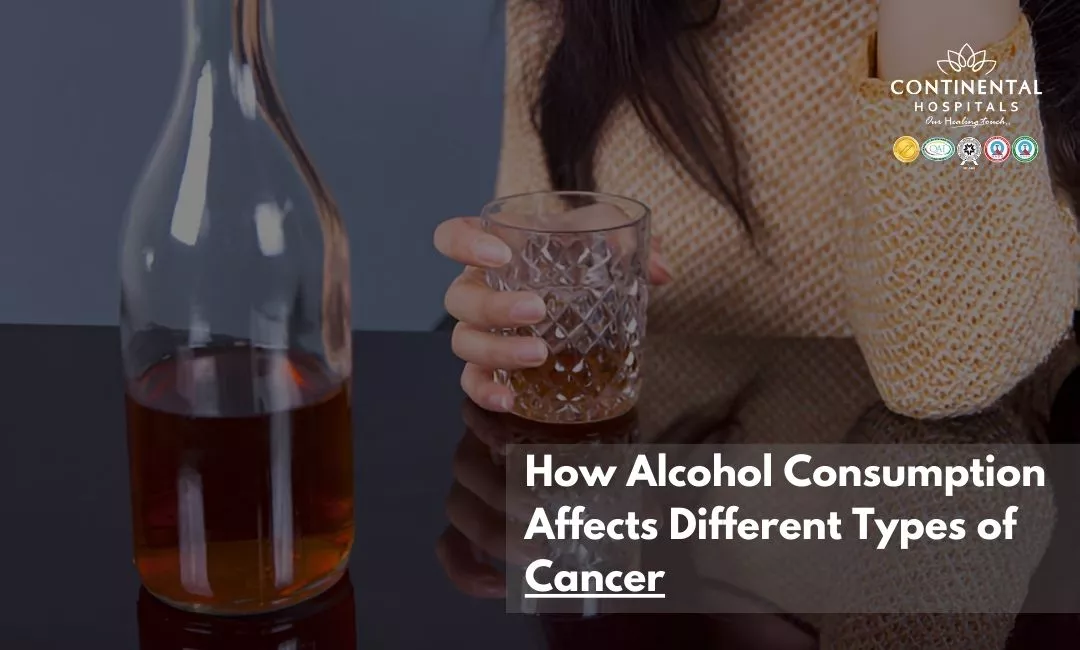
How Alcohol Consumption Affects Different Types of Cancer

Written by - Editorial Team
Medically Reviewed by - Dr Samuel Sandeep D

Alcohol is a common part of social gatherings and celebrations, but did you know that drinking too much can increase your risk of developing cancer? While most people are aware of the dangers of smoking and unhealthy eating, the link between alcohol and cancer often goes unnoticed. Research has shown that alcohol consumption can contribute to several types of cancer, making it important to understand the risks and take necessary precautions.

In this blog, we will explore how alcohol affects different types of cancer and why limiting your intake can help protect your health.

How Does Alcohol Increase Cancer Risk?

Alcohol can damage your body in several ways that increase the risk of cancer:

DNA Damage – When you drink alcohol, your body breaks it down into a toxic chemical called acetaldehyde. This substance can damage your DNA, leading to uncontrolled cell growth, which may result in cancer.

Inflammation – Heavy drinking can cause chronic inflammation in different parts of the body. Inflammation can lead to cell damage and increase the chances of cancer developing over time.

Hormonal Changes – Alcohol can increase estrogen levels in the body, which is linked to certain types of cancer, especially breast cancer.

Weakened Immunity – Alcohol weakens the immune system, making it harder for your body to fight off cancer cells.

Now, let’s take a closer look at different types of cancer that are linked to alcohol consumption.

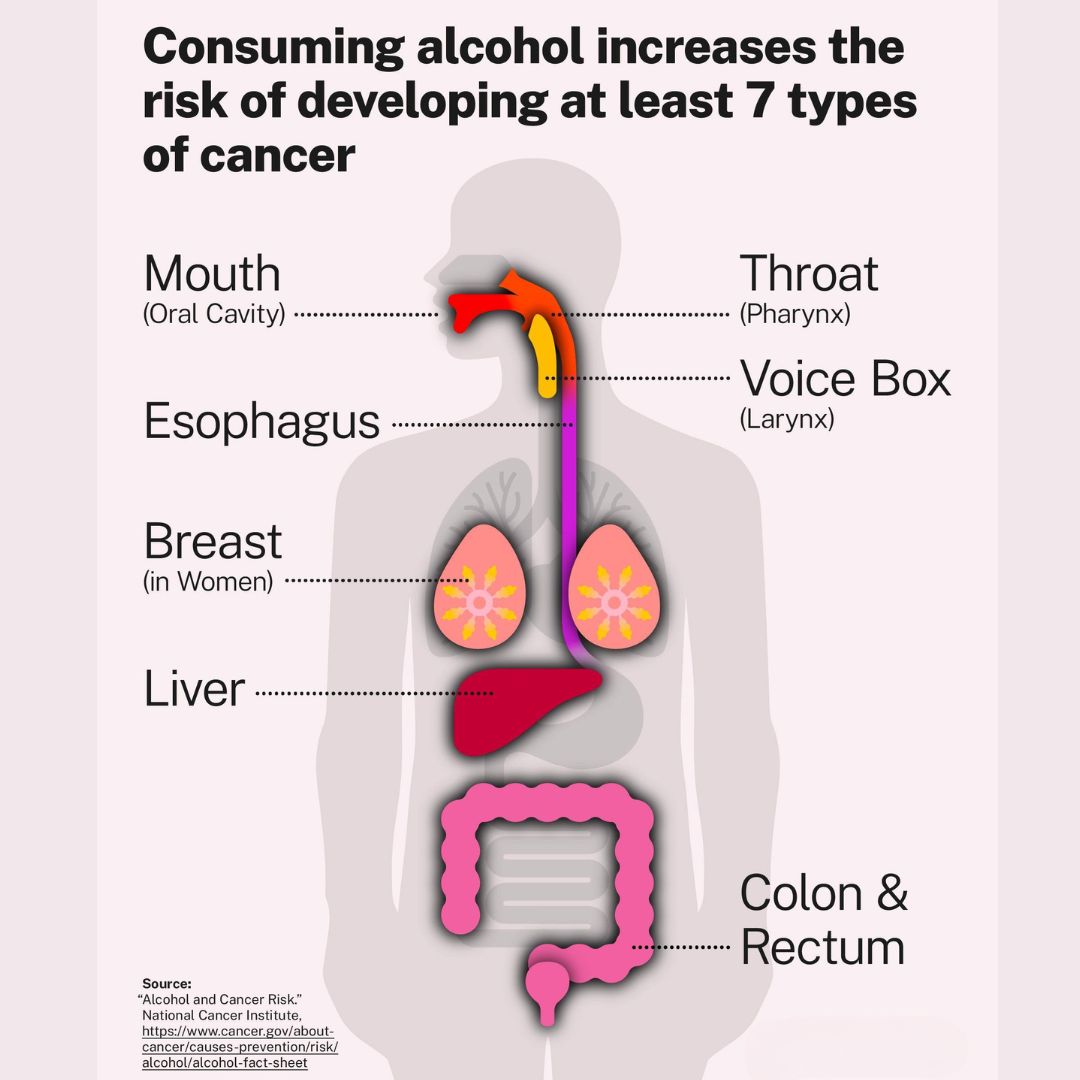
What Types of Cancer Are Linked to Alcohol Consumption?

1. Liver Cancer
The liver plays a crucial role in breaking down alcohol. However, excessive drinking can cause liver damage, leading to cirrhosis. Over time, cirrhosis can increase the risk of liver cancer. Studies have found that people who drink heavily are more likely to develop liver cancer compared to non-drinkers.

Second Opinion

2. Breast Cancer
Alcohol consumption is a known risk factor for breast cancer, especially in women. Even small amounts of alcohol can increase estrogen levels, which may promote the growth of cancer cells in the breast. Women who drink regularly, even in moderate amounts, have a higher risk of developing breast cancer compared to those who do not.

3. Mouth and Throat Cancer
Alcohol is particularly harmful to the cells in the mouth and throat. When combined with smoking, the risk increases significantly. Alcohol weakens the protective lining of the mouth and throat, making it easier for harmful chemicals from tobacco to cause cancer.

4. Esophageal Cancer
Esophageal cancer is strongly linked to alcohol consumption. A specific type of this cancer, called squamous cell carcinoma, is more common in heavy drinkers. This is because alcohol irritates the lining of the esophagus, leading to inflammation and cell damage over time.

5. Colorectal Cancer (Colon and Rectum)
Drinking alcohol regularly can increase the risk of colorectal cancer. It is believed that alcohol affects the gut microbiome and damages the lining of the colon, leading to cancerous growths. The risk is higher in people who drink heavily over a long period.

6. Pancreatic Cancer
While the link between alcohol and pancreatic cancer is not as strong as with other cancers, excessive alcohol use can contribute to pancreatitis (inflammation of the pancreas). Chronic pancreatitis can increase the risk of pancreatic cancer over time.

Don't ignore persistent symptoms or delay cancer screening. Visit the Best Cancer Specialist in Hyderabad at Continental Cancer Centre for expert diagnosis, advanced treatment, and compassionate care.
Need an Appointment?

How Much Alcohol Is Too Much?

The risk of cancer increases with the amount of alcohol you drink. Even moderate drinking can increase the risk, but heavy and long-term consumption is the most dangerous.

Moderate Drinking – Up to one drink per day for women and up to two drinks per day for men.

Heavy Drinking – More than 8 drinks per week for women and more than 15 drinks per week for men.

Binge Drinking – Consuming large amounts of alcohol in a short period, typically 4 or more drinks for women and 5 or more drinks for men in one sitting.

To reduce your risk of cancer, it is best to limit alcohol consumption or avoid it altogether.

How Can You Reduce Your Risk of Cancer?

Limit Alcohol Intake – Reducing alcohol consumption or quitting altogether can significantly lower your cancer risk.

Eat a Healthy Diet – A diet rich in fruits, vegetables, and whole grains can help protect your body from cancer.

Stay Physically Active – Regular exercise helps maintain a healthy weight and reduces cancer risk.

Quit Smoking – If you drink and smoke, your cancer risk is much higher. Quitting smoking can greatly improve your health.

Get Regular Screenings – Early detection is key to treating cancer successfully. Regular health check-ups can help identify potential risks.

When Should You See a Doctor About Alcohol Related Cancer Symptoms?

If you are experiencing symptoms like unexplained weight loss, persistent fatigue, difficulty swallowing, or unusual lumps, it’s important to see a doctor as soon as possible. Early detection and timely treatment can make a big difference in managing cancer.

How can I reduce my risk of cancer from alcohol?

If you are concerned about alcohol-related health risks or need guidance on cancer prevention, the experts at Continental Hospitals are here to help. Our experienced doctors provide personalized care and support to ensure your well-being. Schedule an appointment today and take the first step towards a healthier future.

Conclusion

While alcohol may be a common part of social life, it comes with serious health risks, including cancer. The more you drink, the higher your chances of developing various types of cancer. By making informed choices and taking steps to reduce alcohol consumption, you can protect yourself and live a healthier life.

If you or a loved one need expert cancer care, trust the specialists at Continental Cancer Centre, the best oncology hospitals in Hyderabad. Your health is in your hands—choose wisely and get the best treatment for a healthier future!

Related Blog Topics:

  1. Alcohol Consumption is a Leading Preventable Cause of Cancer
  2. Impact of Alcohol Consumption on Blood Sugar Levels

Frequently Asked Questions

Yes. Regular alcohol consumption can increase the risk of developing several types of cancer. When the body breaks down alcohol, it produces acetaldehyde, a harmful chemical that can damage DNA and interfere with normal cell repair. This damage may cause healthy cells to grow abnormally over time. Alcohol can also increase inflammation, weaken the immune system, and affect hormone levels, particularly estrogen, which is linked to breast cancer. The risk increases with the amount and frequency of alcohol consumed, but even moderate drinking may raise the likelihood of certain cancers. The safest approach for cancer prevention is to limit or avoid alcohol. Maintaining a healthy lifestyle, eating a balanced diet, exercising regularly, and attending routine health screenings can further reduce your overall cancer risk.
Alcohol consumption has been strongly linked to cancers of the mouth, throat, voice box, esophagus, liver, breast, and colon and rectum. Scientific studies have consistently shown that the risk increases with greater alcohol intake. Drinking and smoking together significantly increase the risk of cancers affecting the mouth, throat, and esophagus because both damage cells and act together to worsen their harmful effects. Alcohol may also contribute to liver cancer by causing chronic liver inflammation and cirrhosis. In women, alcohol can increase estrogen levels, raising the risk of breast cancer. Understanding these associations can help people make informed lifestyle choices that support long term health.
Even occasional alcohol consumption may slightly increase the risk of certain cancers, especially breast cancer. While the risk is lower than that of heavy drinkers, research suggests there is no completely safe level of alcohol when it comes to cancer prevention. The more alcohol a person drinks over time, the greater the cumulative damage to body tissues and DNA. Occasional drinking combined with other risk factors such as smoking, obesity, poor diet, or a family history of cancer may further increase the likelihood of developing cancer. Choosing to drink less or avoid alcohol altogether is one of the most effective ways to reduce preventable cancer risk.
Alcohol can increase breast cancer risk by raising estrogen and other hormone levels that influence breast tissue growth. It may also damage DNA through the production of acetaldehyde and increase oxidative stress in cells. These changes can contribute to the development of abnormal cells that may eventually become cancerous. Research has shown that even low levels of alcohol intake can slightly increase breast cancer risk, particularly with regular consumption over many years. Women who have additional risk factors such as a family history of breast cancer should discuss alcohol use with their healthcare provider and consider reducing their intake to lower their overall risk.
Yes. Reducing or completely stopping alcohol consumption can lower the risk of developing alcohol related cancers over time. Although past alcohol exposure cannot be reversed, the body begins to recover after drinking stops, reducing ongoing damage to cells and tissues. The benefits are even greater when alcohol avoidance is combined with healthy habits such as maintaining a healthy weight, eating fruits and vegetables, staying physically active, avoiding tobacco, and getting recommended cancer screenings. Individuals with heavy alcohol use may benefit from medical support to safely reduce drinking and improve their overall health and long term cancer prevention.
No. The increased cancer risk is linked to ethanol, the alcohol present in beer, wine, spirits, and other alcoholic beverages. The body processes ethanol into acetaldehyde regardless of the type of drink consumed. This means that beer, wine, whiskey, vodka, rum, and other alcoholic drinks all carry cancer risk when consumed regularly. Some people believe certain alcoholic beverages are safer than others, but current scientific evidence does not support this belief. The amount of alcohol consumed is more important than the type of beverage. Limiting total alcohol intake is the best way to reduce alcohol related cancer risk.
Anyone who drinks alcohol can have an increased risk of cancer, but certain individuals are more vulnerable. People who consume alcohol heavily or over many years face the highest risk. Those who smoke and drink together have a much greater chance of developing cancers of the mouth, throat, and esophagus. Individuals with liver disease, obesity, poor nutrition, a family history of cancer, or certain inherited genetic conditions may also have increased susceptibility. Women may be particularly affected because alcohol is linked to breast cancer. Understanding personal risk factors can help guide healthier lifestyle choices and preventive healthcare.
You should consult a doctor if you consume alcohol regularly and have concerns about your cancer risk, especially if you have additional risk factors such as smoking, a family history of cancer, or chronic liver disease. Seek medical attention if you notice persistent symptoms such as unexplained weight loss, difficulty swallowing, a lump, persistent mouth sores, ongoing hoarseness, blood in the stool, chronic abdominal pain, or unusual bleeding. These symptoms do not always indicate cancer but should never be ignored. Early evaluation, timely screening, and lifestyle counseling can help detect problems sooner and improve treatment outcomes if cancer is present.
Disclaimer: The information provided in this blog is intended for general knowledge and informational purposes only, and does not constitute medical advice. Always consult with a qualified healthcare professional for any medical concerns or before making any decisions about your health.

Get in Touch With Us

Whether you are from India or abroad, we are here to help you with your medical queries. Please fill out the form below and our team will connect with you shortly.

  • ✔ Quick response from our medical experts
  • ✔ Secure data handling & privacy
  • ✔ Easy upload for reports & documents
0 / 100
Checkboxes Section


Chat with our medical experts on WhatsApp for quick assistance and hassle-free appointment booking

Recent Posts
Language Based Image
0 / 100