.webp)


Behavioral health is becoming an integral part of contemporary healthcare. People are not only dealing with physical disturbances but also emotional, psychological, and social issues that affect the quality of overall well-being. Stress, anxiety, depression, sleep disorders, addiction, and emotional burnout are affecting personal day-to-day life and long-term health outcomes. This is where behavioral health in primary care makes a difference.
Primary doctors are most likely to be the first clinician that patients visit for health concerns. Patients dealing with mental or emotional health conditions usually first seek help for conditions such as headaches, fatigue, stomach issues, body pains, insomnia, or high blood pressure. In many cases, these physical issues are related to underlying behavioral health conditions. Incorporating behavioral health into primary care allows doctors to diagnose these early and address them in the same healthcare system.
What is behavioral health?
Behavioral health refers to the interlink between mental health, emotional well-being, habits, behavior, and physical health. This includes conditions such as:
• Anxiety disorders
• Stress-related disorders
• Addiction
• Sleep disorders
• Depression
• Emotional impairments
• Eating disorders
• Habits that affect physical health
Behavioral health also focuses on how emotional states and habits affect the body. Poor mental health can worsen chronic conditions such as diabetes, heart disease, obesity, hypertension, and gastrointestinal disorders.
Incorporating behavioral health into primary care means that doctors are able to treat both mental and physical health rather than just one.
Visit the Psychiatry Department at Continental Hospitals for expert care, early diagnosis, and personalized treatment to support a healthier, happier, and more balanced life.
Understanding Behavioral Health in Primary Care
Behavioral health in primary care means combining mental and emotional healthcare services within a primary care setting. Patients no longer have to travel between multiple clinics, as integrated health care provides coordinated treatment in one healthcare system.
The traditional health care model often treats mental and physical health in isolation from each other, leading to delayed diagnosis, fragmented care, and poor communication among specialists. Integrated health care allows for improved collaboration between physicians, psychologists, psychiatrists, counselors, and their support teams.

Primary care behavioral health is focused on early detection, prompt treatment, preventive care, and ongoing support of patients with emotional or psychological distress.
Why Integrated Behavioral Health Matters
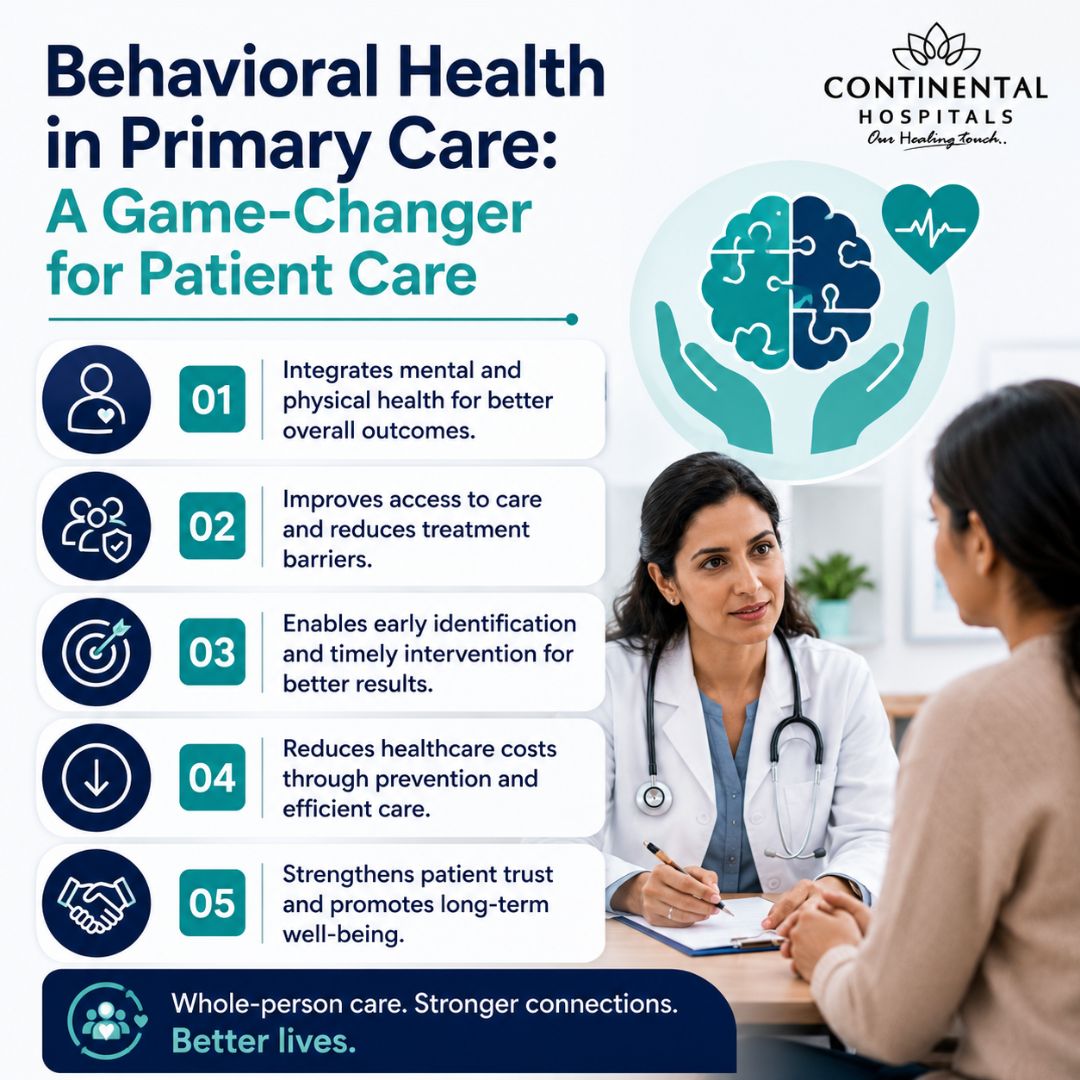
Integrated behavioral health improves patient care quality at such a rate. There are strong links between chronic illness and emotional distress and mental health. Patients with anxiety or depression or both may not consistently follow medication, diet, or exercise regimes or may miss appointments.
When behavioral health professionals work closely together with primary care physicians, patients are better guided, emotionally supported, and provided with personalized treatment plans.
The Benefits of Integrated Behavioral Health
• Early detection of mental illnesses
• Rapid diagnosis and treatment
• Better chronic issue management
• Fewer complications from anxiety and strain
• Increased patient satisfaction
• Better specialist coordination
• Holistic care for long-term wellness
• Better treatment adherence and outcomes
Mental health in primary care also helps to decrease stigma. Many shun mental health clinics due to fear, social stigma, lack of knowledge, and many other involvements. Patients also feel more comfortable and accepted when receiving behavioral health support in the primary care setting.
Connection between mental & physical health
Mental and physical health are deeply connected. Emotional distress can compromise immune function, displace sleep, increase inflammation, and aggravate chronic illness.
As an example
• Stress increases blood pressure and risk of heart disease
• Anxiety creates digestive disorders and disrupts sleep
• Depression complicates diabetes management
• Emotional trauma impairs immune system
Behavioral health professionals educate patients on the connections between emotional well-being & effective coping strategies. This leads to emotional and physical healing.
When Through Primary Care Behavioral Health is Used
Primary care behavioral health assists patients with a number of conditions, such as:
Anxiety Disorders
Pervasive worry, fear, panicking, and nervousness can interfere with work, relationships, and daily health.
Depression
Depression is related to energy, concentration, appetite, motivation, and emotional stability. Early help can significantly improve quality of life.
Stress-Related Disorders
Chronic stress is related to sleep, digestion, blood pressure, and immune function. Support for management of stress is vital in integrated care.
Sleep Disorders
Trouble sleeping impairs physical recovery, emotional health, and cognition. Behavioral medicine can help patients acquire natural sleep.
Addiction and Substance Abuse
Behavioral health integrated with primary care supports patients in overcoming alcohol, cigarette, and substance dependence with behavioral and medical interventions
Chronic Disease Facing Emotional Struggles
Patients suffering from cancer, heart disease, diabetes, kidney diseases, and neurological illnesses experience emotional struggles during treatment. The behavioral health support they get enhances their resilience and improves treatment outcomes.
How Primary Care Doctors Help with Behavioral Health
Primary care doctors are key in early identification of behavioral health signs. They can assess a patient's emotional patterns, the level of stress, lifestyle choices and patient behavior while engaging in their consultations.
Doctors may suggest:
• Counseling sessions
• Stress management exercises
• Lifestyle changes
• Medications if required
• Sleep improvement techniques
• Psychiatric referral
• Supportive family
Integrated healthcare ensures a patient receives comprehensive treatment with no unnecessary delays.
Why Select Continental Hospitals for Integrated Behavioral Health?
Continental Hospitals is known for providing excellent multidisciplinary, patient-oriented, and advanced healthcare services. Situated in Hyderabad, it is one of the best hospitals across all specialties, which ensures full support for both physical and emotional wellness.
Highlights:
• Multidisciplinary approach for treatment and healing of patient
• Experienced doctors and behavioral health specialists
• Advanced diagnostic and treatment options
• Patient-centered integrated health care
• World-class medical expertise
• Tailored treatment plans for patients
• Caring for patients' emotional well-being
Continental Hospitals is certified by worldwide acknowledged quality standards to show its dedication to remarkable quality care for patients, professional healing practices, and transparency in the healthcare industry. The hospital is committed to patient safety, transparency, ethics, advanced technology, and science based and compassionate care.
Significance of Holistic Patient Care
Holistic patient care is a patient-centered approach that aims to treat the entire person rather than just the disease or symptoms. While emotional health, lifestyle choices, social support, nutrition, sleep, and stress are all vital aspects of overall wellness and recovery.
Integrated behavioral health helps a patient control their health better as well as increase their confidence, emotional balance, and overall long term result.
Conclusion
The integration of behavioral health into primary care is changing the face of future healthcare. Integrating mental wellness and physical care into one coordinated system has been found to improve patient outcomes, help diagnose mental illnesses early, manage chronic diseases, and improve the overall quality of life.
Mental health care in primary care has moved from being a nice-to-have to a must-have for good overall holistic health and well-being.
Comprehensive, advanced, and compassionate integrated healthcare for patients is provided by experienced specialists dedicated to the total well-being of patients here at Continental Hospitals.
If you or a loved one is dealing with stress, anxiety, depression, emotional burnout, insomnia, behavioral health, or other mental health concerns, be sure to consult our best psychiatrist in Hyderabad at Continental Hospitals. Early diagnosis and specialized care can lead to better physical and mental health while helping you live a healthier and more balanced life.