.webp)

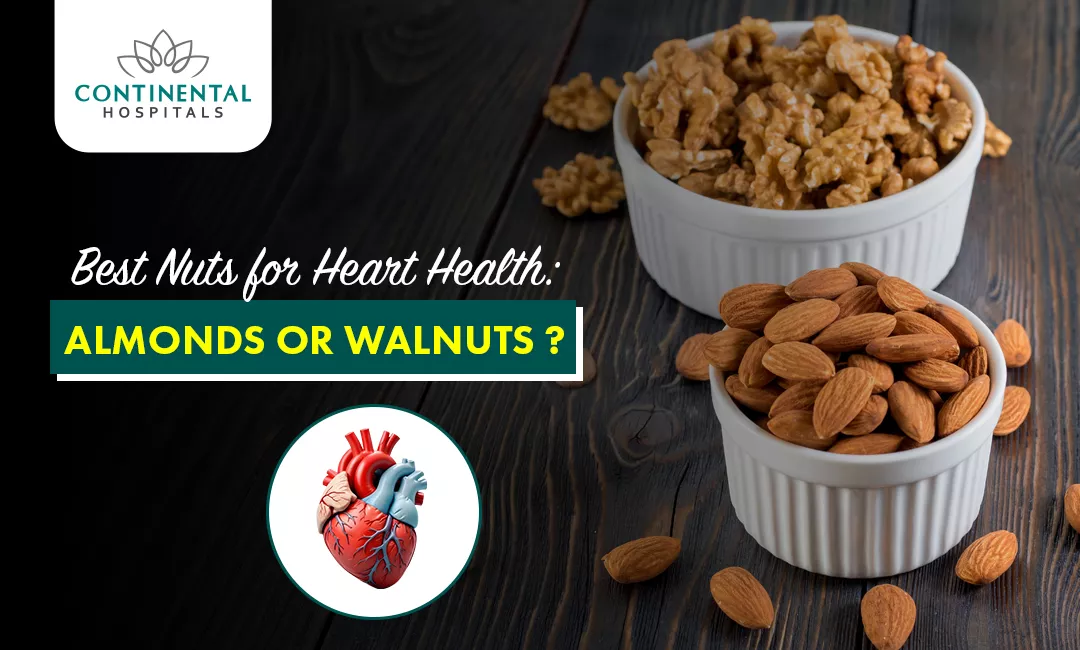
Choosing the right snacks can make a significant difference in your long-term wellness. When it comes to cardiovascular protection, the debate often centers on two specific powerhouses: almonds and walnuts. Both are nutritional giants, but they offer unique benefits that cater to different aspects of cardiac care. Understanding which of these best nuts fits your diet can help you maintain a stronger, more resilient heart.
Why Nuts are Essential for Cardiovascular Wellness
The human heart requires specific nutrients to function at its peak. Modern diets often lack the healthy fats and minerals necessary to keep arteries flexible and cholesterol levels balanced. Nuts are a natural solution to this problem. They are packed with unsaturated fats, fiber, and antioxidants that work together to reduce inflammation.
When you consume the best nuts regularly, you are providing your body with plant-based proteins that are much easier on the vascular system than animal-based alternatives. Research consistently shows that individuals who include a variety of nuts in their daily routine have a lower risk of developing chronic heart conditions.
If you have chest pain, breathlessness, or palpitations, visit our cardiology department at Continental Hospitals for expert heart care and evaluation.
Almonds: The Fiber and Vitamin E Specialists
Almonds are often celebrated as one of the best nuts for managing cholesterol. They are exceptionally high in monounsaturated fats, which are the same heart-healthy fats found in olive oil.
Benefits of Almonds
High Vitamin E Content: This antioxidant prevents the oxidation of cholesterol, which is a key step in preventing the clogging of arteries.
Rich in Magnesium: Magnesium helps regulate blood pressure and improves blood flow throughout the body.
Fiber for Weight Management: Since maintaining a healthy weight is vital for heart health, the high fiber content in almonds helps you feel full longer.

For those looking to manage their blood pressure levels, almonds are an excellent choice. They provide a crunchy, satisfying snack that supports the mechanical function of the heart.
Walnuts: The Omega-3 Powerhouse
While almonds focus on vitamin E and fiber, walnuts take a different approach. They are widely considered among the best nuts because they are one of the few plant sources rich in Alpha-Linolenic Acid (ALA), a type of Omega-3 fatty acid.
Benefits of Walnuts
Reducing Inflammation: Omega-3 fatty acids are famous for their ability to lower systemic inflammation, which is a major trigger for heart attacks.
Improving Endothelial Function: Walnuts help the inner lining of your blood vessels stay healthy and reactive.
Brain-Heart Connection: The same fats that protect your heart also support cognitive health, making walnuts a dual-purpose superfood.
If your primary goal is to combat inflammation or improve the elasticity of your blood vessels, walnuts might be the best nuts to prioritize in your pantry.
Almonds vs Walnuts: Which Should You Choose?
The truth is that both are incredible for your health. If you are struggling with high LDL (bad) cholesterol, the Vitamin E in almonds is a powerful ally. If you are more concerned with overall inflammation and vessel health, the Omega-3s in walnuts are indispensable.
Most nutritionists recommend a combination of both. By mixing these best nuts, you get a full spectrum of minerals like potassium, calcium, and manganese. A handful of mixed nuts daily is often enough to reap these rewards without consuming excess calories.
Quick Comparison at a Glance
To simplify your choice, consider these points:
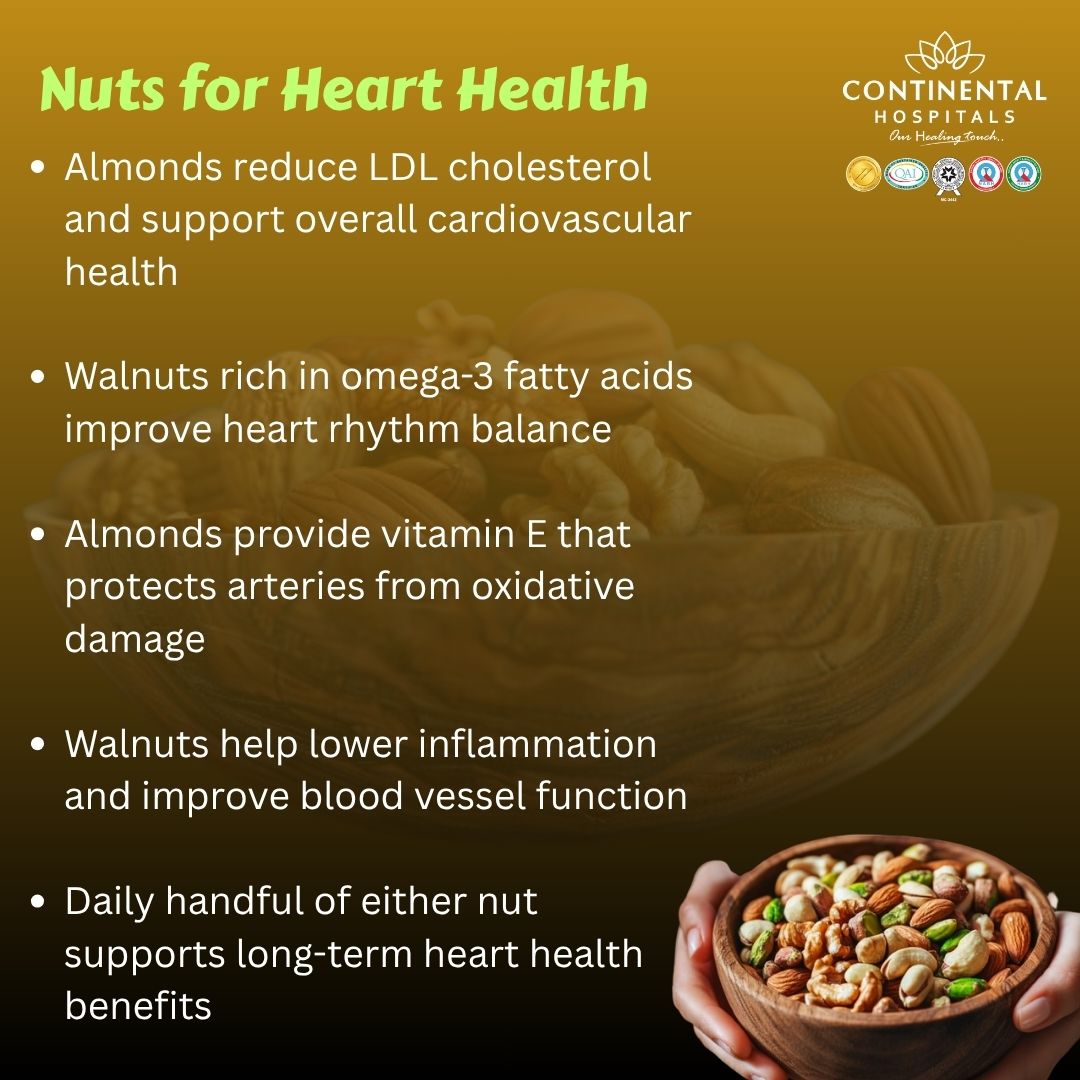
- Almonds provide more fiber and Vitamin E.
- Walnuts provide more Omega-3 fatty acids.
- Almonds are better for blood pressure regulation.
- Walnuts are better for reducing arterial inflammation.
- Both are considered the best nuts for replacing processed snacks.
How to Incorporate the Best Nuts into Your Diet
Adding these to your routine does not have to be complicated. You can start by replacing your mid-morning biscuits with a small bowl of soaked almonds or raw walnuts.
- Use crushed walnuts as a topping for salads to add a nutty texture.
- Add almond butter to your morning toast for a protein-rich start.
- Mix both into your yogurt or oatmeal to ensure a steady supply of heart-healthy fats.
Keep a small container of the best nuts in your bag to avoid reaching for unhealthy vending machine snacks during a busy workday.
Why Choose Continental Hospitals for Your Heart Care?
When dietary changes are not enough, you need a medical partner that understands the complexities of the human heart. Continental Hospitals is recognized as a leader in cardiac care, providing a holistic approach to patient wellness.
Continental Hospitals holds prestigious international and national accreditations, including JCI (Joint Commission International) and NABH (National Accreditation Board for Hospitals & Healthcare Providers). These certifications are a testament to the hospital’s commitment to maintaining the highest standards of safety and clinical excellence.
Advanced Cardiac Facilities
The Department of Cardiology at Continental Hospitals is equipped with the latest diagnostic tools and surgical technology. From preventive screenings to complex interventional procedures, the facility ensures that every patient receives personalized attention.
Expert Medical Team
The hospital houses some of the most experienced cardiologists and cardiothoracic surgeons in the region. Their expertise, combined with the hospital’s world-class infrastructure, makes it a preferred destination for heart care.
Choosing the right hospital is as important as choosing the best nuts for your diet. With Continental Hospitals, you are choosing a facility that prioritizes evidence-based medicine and patient-centric outcomes. Whether it is a routine check-up or a specialized procedure, the focus remains on restoring your health and improving your quality of life.
Conclusion
Your heart is the engine of your life. Protecting it requires a combination of smart lifestyle choices and expert medical guidance. By including the best nuts like almonds and walnuts in your daily meals, you take a proactive step toward preventing heart disease. Remember that consistency is key; small, daily portions of these nutrient-dense foods can lead to long-term benefits for your arteries and cholesterol levels.
However, diet is only one piece of the puzzle. Regular monitoring and professional consultations are essential to catch potential issues early. If you have been feeling unusual fatigue, chest discomfort or have a family history of cardiac issues, do not wait for symptoms to worsen.
If you suffer from persistent chest pain, shortness of breath, or palpitations, it is time to consult our best cardiologist in Hyderabad at Continental Hospitals. We provide comprehensive evaluations to ensure your heart stays in peak condition.
Related Blog Topics: