.webp)

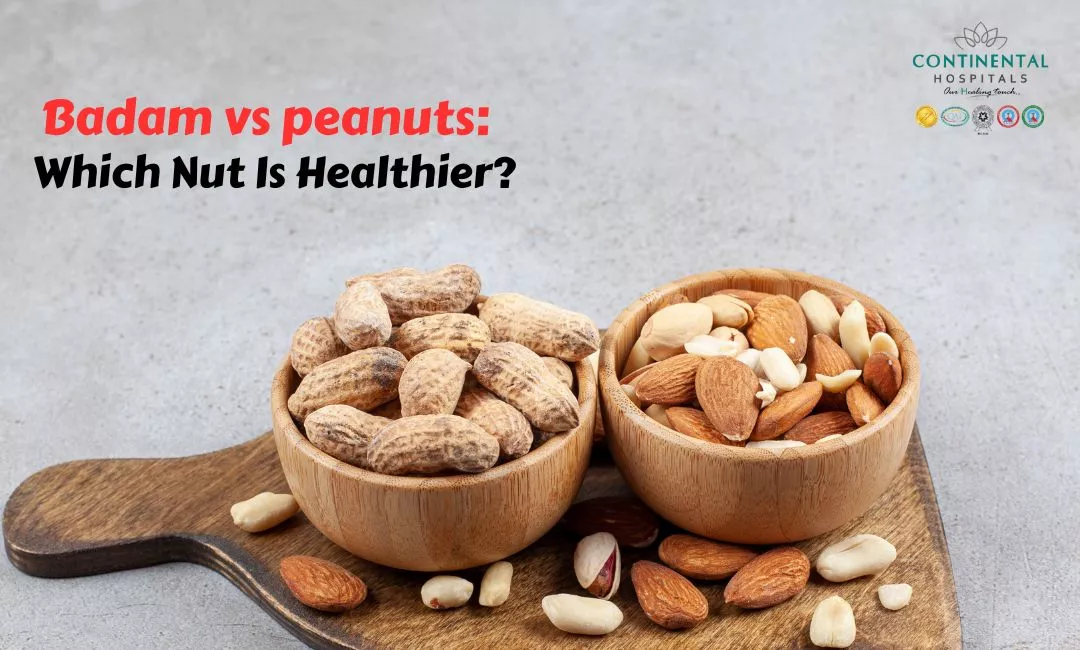
When it comes to healthy snacking, many people often ask the same question: almonds vs peanuts which one is better for your health? Both are popular, affordable, and packed with nutrients. In Indian homes, badam and groundnut are part of daily diets in different forms such as roasted snacks, chutneys, sweets, and even health drinks.
If you are confused about almonds vs peanuts, this detailed guide will help you understand their nutritional value, health benefits, and which option may suit your body better.
Understanding Almonds and Peanuts
Almonds, also known as badam, are tree nuts. Peanuts, also called groundnuts, actually belong to the legume family. Even though peanuts grow underground and are technically legumes, nutritionally they are very similar to nuts.
Both are rich in protein, healthy fats, vitamins, and minerals. However, there are some differences that may influence your choice.
Nutritional Comparison
Let us compare almonds vs peanuts based on key nutrients.
Protein Content
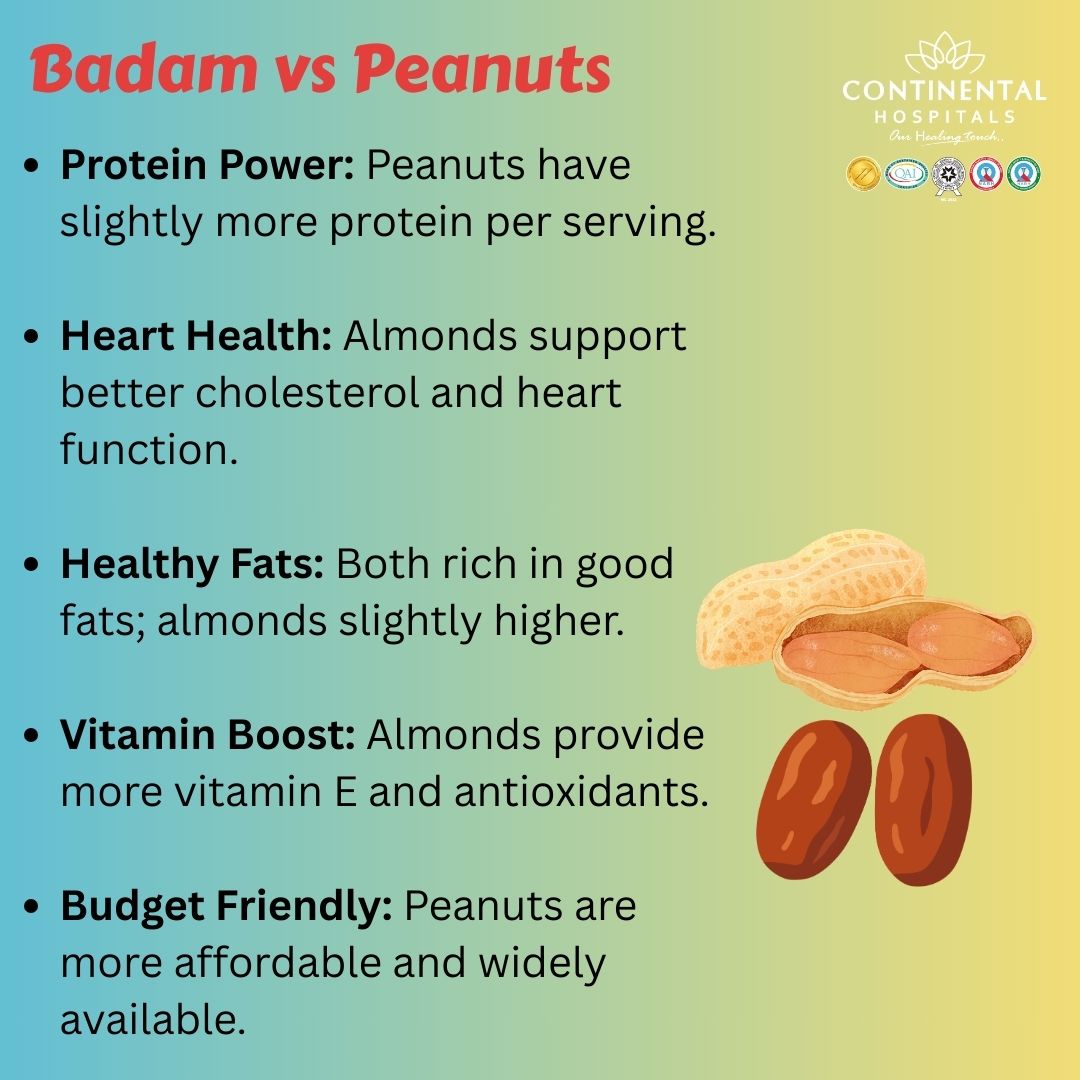
Both almonds and peanuts are excellent sources of plant protein. Peanuts contain slightly more protein per serving compared to almonds. This makes peanuts a good option for vegetarians looking to increase their protein intake.
Healthy Fats

Almonds are rich in monounsaturated fats, which are known to support heart health. Peanuts also contain healthy fats but include slightly more omega six fatty acids.
In the almonds vs peanuts debate, both offer heart friendly fats, but almonds have a slight edge due to their overall fat quality.
Fiber
Almonds contain more fiber than peanuts. Fiber helps improve digestion, supports gut health, and keeps you full for longer. If you struggle with constipation or digestive issues, almonds health benefits may be more suitable for you.
Vitamins and Minerals
- Almonds are rich in vitamin E, magnesium, and calcium. Vitamin E acts as a powerful antioxidant and supports skin health.
- Peanuts are high in niacin, folate, and vitamin B complex. These nutrients support brain function and energy production.
- Both almonds benefits and peanuts benefits are impressive, but they offer slightly different micronutrients.
Visit our Nutritionists Department at Continental Hospitals today for expert dietary guidance and personalized nutrition care tailored to your health needs.
Health Benefits of Almonds
Almonds are often considered a superfood for good reason. Here are some important almond benefits explained in simple points.
- Supports heart health by lowering bad cholesterol
- Helps manage blood sugar levels
- Improves skin health due to vitamin E
- Aids in weight management by promoting fullness
- Strengthens bones with calcium and magnesium
Many studies highlight almonds health benefits for people with diabetes and heart conditions. Eating a handful of soaked or roasted almonds daily may support long term wellness.
Health Benefits of Peanuts
Peanuts are widely consumed in Indian diets and have several health advantages.
- Excellent source of plant based protein
- Boosts energy levels naturally
- Supports brain health with niacin
- Helps in muscle repair and growth
- Budget friendly and easily available
When comparing peanuts vs almonds, peanuts are especially beneficial for people who need more protein in their daily diet, such as growing children and active adults.
Almonds vs Peanuts for Weight Loss?
Many people trying to lose weight wonder which is better: almonds vs peanuts?
Both nuts are calorie dense, but they are also filling. Almonds contain more fiber, which helps control hunger. Peanuts provide more protein, which also keeps you satisfied.
The key is portion control. A small handful per day is enough. Overeating either can lead to excess calorie intake.
If you are focused on weight management, almonds may have a slight advantage due to their fiber content. However, peanuts are equally beneficial when consumed in moderation.
Almonds vs Peanuts for Heart Health?
Heart health is a major concern today. So which one wins in almonds vs peanuts for heart protection?
Almonds are rich in antioxidants and monounsaturated fats that help reduce bad cholesterol levels. Peanuts also support heart health but contain slightly more omega six fats.
Both can be part of a heart healthy diet. Roasted and unsalted versions are better choices compared to fried or salted varieties.
Almonds vs Peanuts for Diabetes?
People with diabetes often ask which is safer: peanuts vs almonds?
Almonds have a low glycemic index and help control blood sugar spikes. They are often recommended for diabetic patients.
Peanuts also have a low glycemic index and contain protein and fiber that slow sugar absorption.
In the almonds vs peanuts comparison for diabetes, almonds may offer slightly better blood sugar control due to higher fiber and magnesium content.
Which Nut Is Better for Children?
Both almonds and peanuts support growth and development.
Almonds help in brain development due to vitamin E and healthy fats. Peanuts provide more protein, which supports muscle growth.
Parents should ensure children are not allergic before introducing either nut.
Are There Any Risks?
While almonds benefits and peanuts benefits are many, there are some precautions.
Peanut allergy is more common and can be severe. Almond allergies also occur but are less frequent.
Eating salted or fried nuts regularly can increase blood pressure and unhealthy fat intake. Always choose plain, dry roasted, or soaked options.
People with kidney problems should consult a doctor before consuming large amounts of nuts due to their mineral content.
Quick Comparison Points
Here is a simple overview to help you decide.
Almonds
- Higher fiber
- Rich in vitamin E
- Better for skin health
- Supports blood sugar control
Peanuts
- Higher protein
- Rich in niacin
- More affordable
- Great for energy and muscle growth
When looking at almonds vs peanuts, there is no single winner. The healthier choice depends on your health goals.
Why Choose Continental Hospitals for Nutritional and Health Guidance?
If you are confused about diet choices or managing conditions like diabetes, cholesterol, obesity, or digestive disorders, expert medical guidance is essential.
Continental Hospitals is known as the best hospital in Hyderabad, offering advanced healthcare services with a patient centered approach. The hospital is accredited by the Joint Commission International and National Accreditation Board for Hospitals and Healthcare Providers, reflecting global standards of safety and quality.
Continental Hospitals focuses on preventive healthcare, lifestyle modification guidance, and long term disease management. This ensures better outcomes for patients dealing with metabolic disorders and chronic health issues.
When Should You See a Doctor?
- Are you experiencing unexplained weight gain?
- Do you have high cholesterol or high blood sugar levels?
- Are you struggling with digestive discomfort after eating nuts?
- Do you have a history of food allergies?
If you notice symptoms like chest discomfort, persistent fatigue, abnormal blood sugar levels, or allergic reactions, consult a specialist immediately.
The expert doctors at Continental Hospitals can help identify the root cause and provide customized nutritional advice based on your medical condition.
Conclusion
The debate of almonds vs peanuts does not have a one size fits all answer. Both nuts are nutritious and offer impressive health benefits. Almonds health benefits include better skin health, improved blood sugar control, and higher fiber content. Peanuts provide more protein, support muscle growth, and are an affordable source of nutrition.
Instead of choosing one over the other, you can include both in your balanced diet in controlled portions. Focus on your health goals, medical history, and dietary needs before deciding.
If you suffer from diabetes, heart disease, obesity, digestive disorders, or food allergies, consult our best nutritionists at Continental Hospitals. Early guidance and expert care can help you make smarter food choices and lead a healthier life.