.webp)
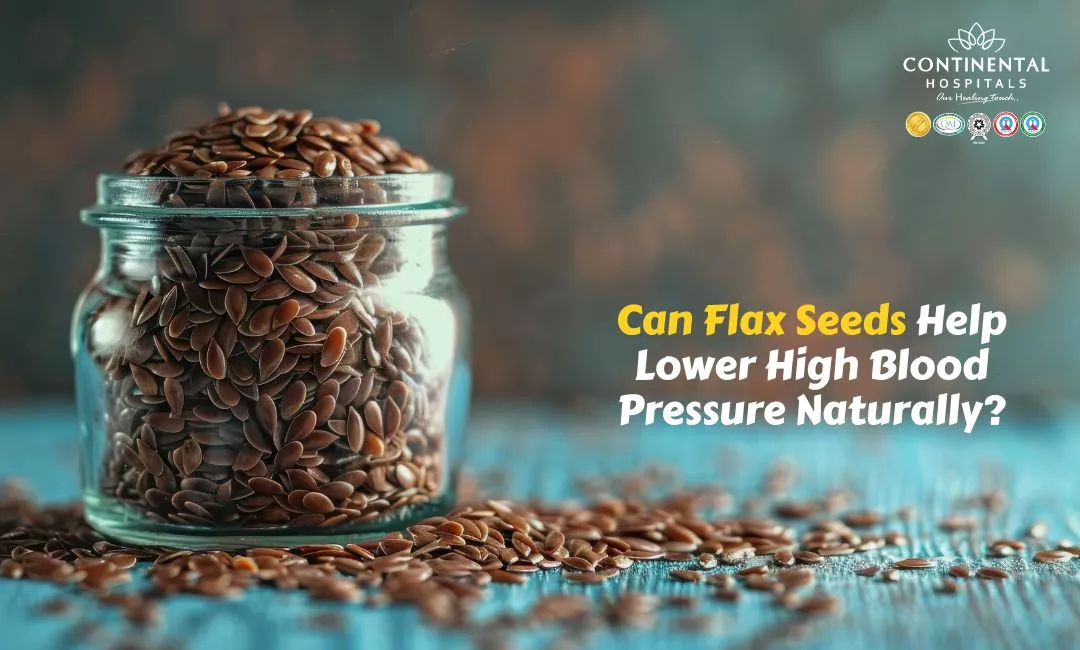
High blood pressure is one of the most common health concerns affecting people across the world. Many individuals search for safe and natural ways to manage their blood pressure levels along with medical treatment. One food that has gained attention in recent years is flax seeds. Known for their rich nutritional value, flax seeds are widely considered a heart friendly addition to the daily diet.
But can flax seeds actually help reduce high blood pressure naturally? Let us explore how flax seeds support heart health, how they work in the body, and how you can include them in your everyday meals.
Understanding High Blood Pressure
Blood pressure is the force exerted by blood against the walls of your arteries. When this pressure remains consistently high, it is known as high blood pressure or hypertension.
High blood pressure often develops silently without clear symptoms. If left uncontrolled, it can increase the risk of serious health problems such as heart disease, stroke, kidney disease, and vision problems.
Common factors that contribute to high blood pressure include:
• Unhealthy diet high in salt and processed foods
• Lack of physical activity
• Stress and poor sleep patterns
• Excess body weight
• Smoking and alcohol consumption
• Family history of hypertension
Managing blood pressure requires a combination of lifestyle changes, proper nutrition, and medical guidance. This is where flax seeds may play a helpful role.
Concerned about high blood pressure or heart symptoms? Consult the expert cardiology department at Continental Hospitals for advanced care. Visit our cardiology department today
What Are Flax Seeds?
Flax seeds are tiny brown or golden seeds obtained from the flax plant. Despite their small size, they are packed with essential nutrients that support overall health.

Flax seeds are rich in:
• Omega 3 fatty acids
• Dietary fiber
• Plant based protein
• Lignans which are powerful antioxidants
• Magnesium and potassium
• Vitamins and minerals beneficial for heart health
These nutrients make flax seeds a valuable food for supporting cardiovascular health and maintaining healthy blood pressure levels.
Flax Seeds Benefits for Blood Pressure
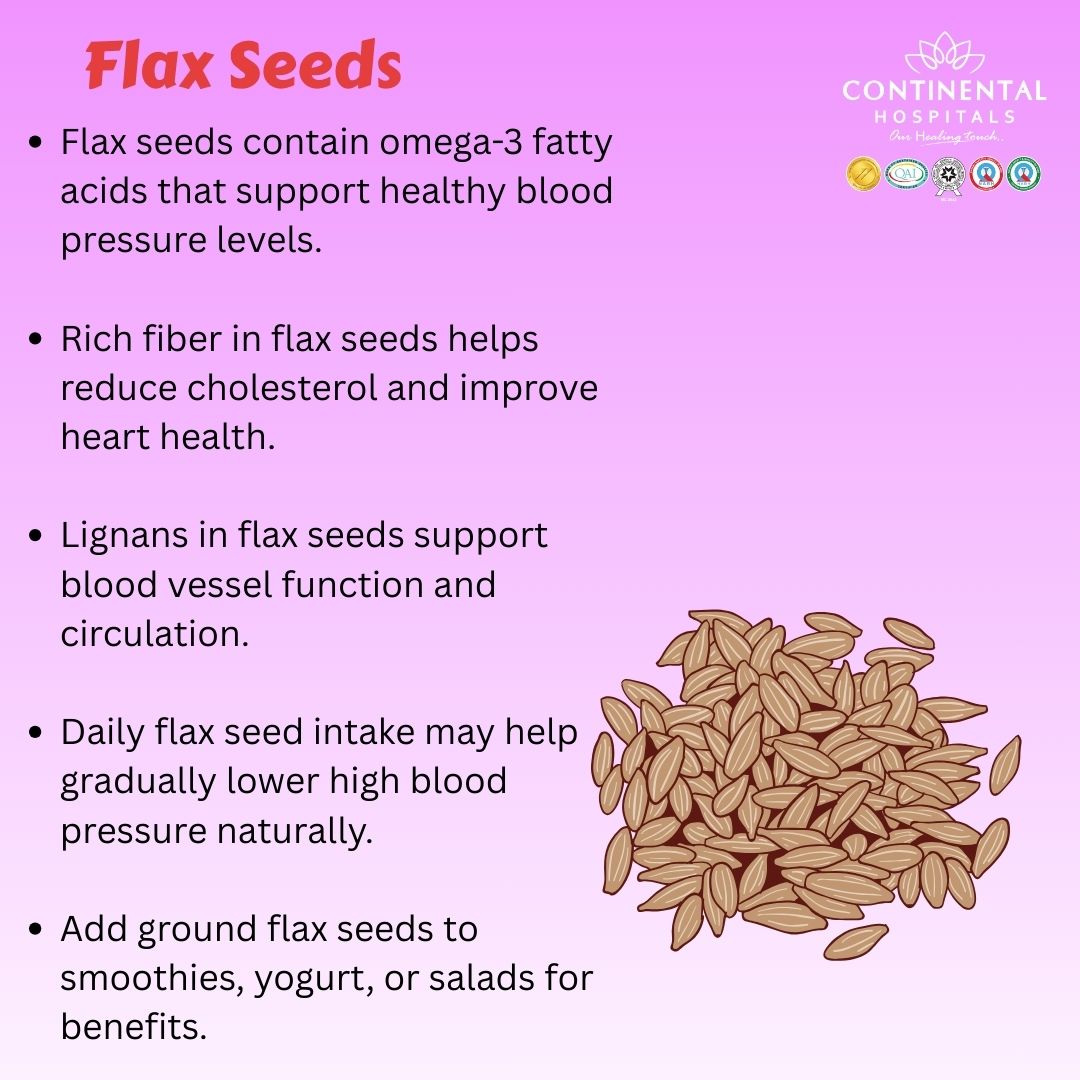
Research suggests that flax seeds may support heart health in several ways. The nutrients present in flax seeds work together to improve blood vessel function and support healthy circulation.
Rich Source of Omega 3 Fatty Acids
Flax seeds are one of the best plant sources of omega 3 fatty acids. These healthy fats help reduce inflammation in the body and improve the flexibility of blood vessels. Flexible blood vessels allow blood to flow more easily, which may help maintain healthy blood pressure.
High in Dietary Fiber
Fiber plays an important role in heart health. The soluble fiber found in flax seeds helps reduce cholesterol levels in the blood. Lower cholesterol supports healthier arteries and improves blood circulation.
Lignans That Protect the Heart
Flax seeds contain lignans, which are plant compounds known for their antioxidant properties. Lignans help protect the blood vessels from damage caused by oxidative stress and inflammation.
Supports Healthy Weight
Maintaining a healthy weight is important for managing blood pressure. The fiber content in flax seeds promotes fullness and helps control appetite. This can support weight management and contribute to better blood pressure control.
May Improve Blood Vessel Function
Some studies suggest that regular consumption of flax seeds may help improve the elasticity of blood vessels. Healthy blood vessels allow better blood flow and help maintain stable blood pressure levels.
How Flax Seeds Help Lower Blood Pressure Naturally
Flax seeds may support natural blood pressure management through multiple mechanisms in the body.
• They help relax blood vessels and improve circulation
• They reduce inflammation that contributes to hypertension
• They support healthy cholesterol levels
• They improve digestive health through fiber intake
• They provide essential nutrients that support heart health
While flax seeds alone cannot replace medical treatment, including them in a balanced diet may support overall cardiovascular health.
How to Eat Flax Seeds for Maximum Benefits
Flax seeds are versatile and easy to include in daily meals. However, they are best consumed in ground form because whole flax seeds may pass through the digestive system without being fully absorbed.
Here are simple ways to eat flax seeds:
Add to Breakfast Foods
Sprinkle ground flax seeds over oatmeal, yogurt, or cereal to boost nutrition.
Blend Into Smoothies
Adding one spoon of flax seeds to fruit smoothies is an easy way to increase fiber and omega 3 intake.
Mix With Roti or Chapati Dough
You can mix ground flax seeds into whole wheat flour while preparing roti or chapati.
Add to Salads
Flax seeds can be sprinkled on salads for added crunch and nutritional value.
Include in Baking
They can be used in muffins, pancakes, or homemade bread.
Suggested Daily Intake
Many nutrition experts recommend about one to two tablespoons of ground flax seeds per day as part of a healthy diet.
Other Lifestyle Tips to Lower Blood Pressure Naturally
Along with consuming flax seeds, adopting healthy lifestyle habits can help manage blood pressure effectively.
Important habits include:
• Reduce salt intake in daily meals
• Eat more fruits and vegetables
• Stay physically active with regular exercise
• Maintain a healthy body weight
• Avoid smoking and limit alcohol consumption
• Manage stress through relaxation techniques
• Get adequate sleep every night
Combining these healthy habits with nutrient rich foods like flax seeds can support long term heart health.
When to Consult a Doctor for High Blood Pressure?
Although natural foods can support health, high blood pressure should never be ignored. Regular monitoring and professional medical advice are essential to prevent complications.
You should consult a doctor if you experience:
• Frequent headaches
• Dizziness or fatigue
• Shortness of breath
• Chest discomfort
• Consistently high blood pressure readings
Early diagnosis and proper treatment can help prevent long term health problems.
Why Choose Continental Hospitals for Heart Health Care?
Continental Hospitals is recognized as one of the best hospitals in Hyderabad, providing comprehensive care for heart and blood pressure related conditions. The hospital is known for its advanced medical infrastructure and patient centered approach.
Key strengths of Continental Hospitals include:
• Internationally recognized healthcare standards
• Accredited by NABH and NABL for quality and safety
• Advanced diagnostic and cardiac care facilities
• Experienced cardiologists and multidisciplinary specialists
• Modern technology for accurate diagnosis and treatment
• Patient focused care with personalized treatment plans
These accreditations and medical expertise ensure that patients receive safe, reliable, and world class healthcare services.
Conclusion
Flax seeds are a powerful nutritional addition to a heart healthy diet. Their rich content of omega 3 fatty acids, fiber, and antioxidants may help support healthy blood pressure levels and improve overall cardiovascular health.
Including flax seeds in your daily meals along with healthy lifestyle habits may contribute to better blood pressure management. However, flax seeds should complement medical treatment rather than replace it.
If you have concerns about high blood pressure or want guidance on how to lower blood pressure naturally, consulting a qualified healthcare professional is important.
If you suffer from high blood pressure or symptoms related to heart health, consult our best cardiologist at Continental Hospitals, Hyderabad. Our experienced doctors provide advanced diagnosis, personalized treatment plans, and preventive care to help you maintain healthy blood pressure and a strong heart for the future.
Related Blog Topics: