• Share this:
post-title

Common Headache Reasons: What Your Head Pain May Be Telling You

Written by - Editorial Team
Medically Reviewed by - Dr M K Singh

Do you ever have the experience of being partway through a busy day and then having a round of throbbing behind your eye? It’s more common than you think - and you’re probably incredibly used to it. Most people casually chalk this head pain up to a big day or a bad night’s sleep. Unfortunately, head pain is often an alarm for something else in your body.

The first step toward getting real, lasting relief is to understand your headache’s real cause. Head pain rarely occurs on its own. It’s a physical response to an environment or event or the stomach lining. Once you’ve discovered what your head pain is trying to tell you, you can work toward tackling it at the source, not just covering up the symptom for a little bit.

Each type of head pain listens to a totally different message in your body. A dull ache across the forehead is a very different message than a throbbing, one-sided ache in your face. When you become more aware of why, when, and where your headaches are occurring, you’ll not only learn more about your body but also how to know when to finally see a doctor.

What Are the Most Common Headache Reasons?

To effectively deal with head pain, you need to first discover the most common headache reasons causing it. Humanity's everyday lifestyle choices have huge reasons behind how frequently you suffer from head pain.

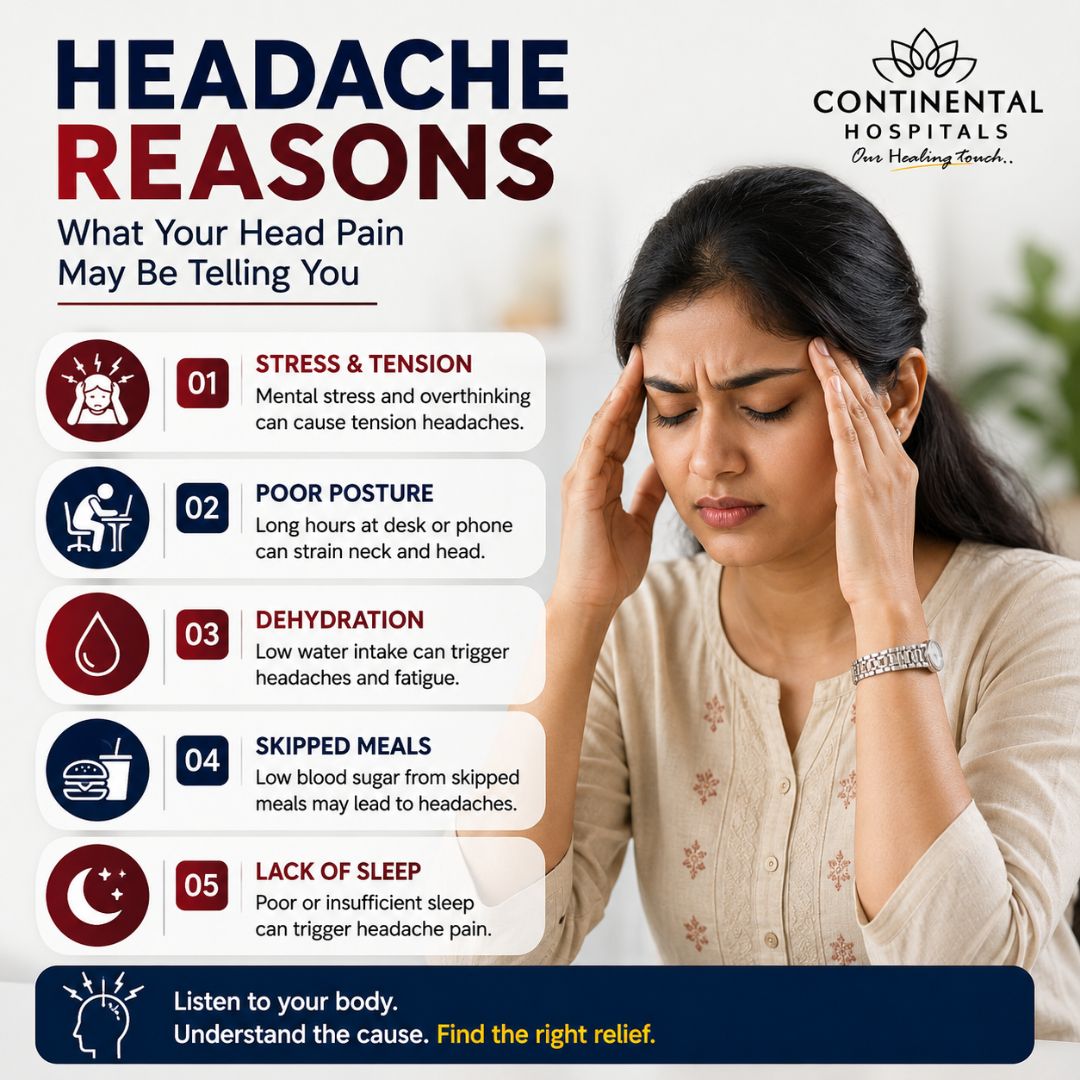
  • Dehydration: When your body doesn't have enough fluid, the blood vessels in the head constrict for short periods, and that keeps you feeling a dull ache in your head.
  • Muscle Tension and Stress: The anxiety monster is a big dog when it comes to tension in the muscles around the neck, shoulders, and jaw. It creates a gripping fist around your head.
  • You Don't Sleep Deeply Enough: Disrupted sleep cycles change the brain chemistry and lower the threshold for pain, which is why people with undiagnosed or minimized conditions are prone to head pain.
  • Eye Strain: Sitting in front of a digital screen for too long trains your eye muscles to contract longer, which builds an ache behind the forehead.
  • Caffeine Loses Its Hold: Withdrawal from caffeine is the name of the game when blood vessels expand and cause a powerful rebound headache.

Frequent headaches shouldn’t be ignored—they could be a sign of an underlying neurological condition.
Visit the Neurology Department at Continental Hospitals for expert evaluation, accurate diagnosis, and personalized treatment to help you live pain-free.

How Do You Recognize Different Types of Headaches?

Head pain isn't always the same. Understanding the type of headache causes and the nerdy symptoms of migraines and knowing when you might have specific types of head pain helps you know which approach is likely.

Is Your Head Pain a Tension Headache?

Tension headache is the most common type of head pain. The sensation is like a tight band encircling your entire forehead and/or back of your mind. The headache pain feels dull and achy rather than a throbbing; it is caused by stress and/or bad posture.

Could It Be a Migraine?
Migraines are more intense than a regular headache can be. They usually produce a heavy throbbing feeling that is concentrated on one side of your head. It is often accompanied by migraine headaches. The sensitivity to light and sound can be so extreme that you may feel nauseous for hours.

Is a sinus headache the cause of your pain?
Since the origin of the pain is behind your cheekbones, your eyes, and between your eyes when your sinuses are inflamed by an infection or allergies they will worsen a great deal when you lean forward or lie down.

Second Opinion

What Are The Unknowable Headache Causes? You’re ignoring?

Observed headaches have occasionally been a result of problems relatively within the body or the environment you might not immediately think of.

  • Putative hormonal changes: Changes in estrogen levels can cause severe headaches, especially in women at particular times of their monthly cycles.
  • Nutrient deficiencies: The lack of essential nutrients such as magnesium or certain B vitamins can modify nerve operation and then result in frequent headaches.
  • Weather and pressure variations: Rapid changes in the barometric pressure or high levels of moisture can produce changes in the chemical attraction of the brain and then cause an abrupt headache.
  • Heavy pace: A heavy pace of exercise without proper pace or hydration can swell veins in your head and produce throbbing pain.

Why Continental Hospitals for headache treatment?

It can be very difficult to function when the headaches are so frequent and intense that they affect your daily life. In such circumstances, it is essential to get treatment at the right healthcare facility. Continental Hospitals is regarded as the best hospital in Hyderabad for treatment of neurological disorders and advanced diagnostics.

The JCI and NABH-accredited facility speaks about the high standards of international-level safety and clinical care. They provide a well-defined space where patients are diagnosed accurately and a personalized treatment plan is designed based on the facts. The dedicated neurosciences department in Continental Hospitals use state-of-the-art medical technology to bring out the real and exact reasons for your headache to offer long-term complete solutions.

Conclusion

Once you understand the common reasons for headaches, you can stop suffering from chronic pain. You have to identify the triggers and recognize the symptoms of your headache. It should not become a part of your life.

If you suffer from headaches often, please schedule a consultation with our best neurologist in Hyderabad at Continental Hospitals to find the real reason of head pain and pave the way for a healthy and pain-free life.

Need an Appointment?

Related Blog Topics:

  1. Managing Headaches and Dizziness from Heat
  2. Headaches vs Migraines: Know the Difference

Frequently Asked Questions

Frequent headaches can occur due to a variety of reasons, including stress, lack of sleep, dehydration, eye strain, poor posture, skipped meals, excessive screen time, and certain medical conditions. Tension headaches are the most common type and are often linked to emotional stress and muscle tightness. Migraines may be triggered by hormonal changes, specific foods, bright lights, or strong smells. Sinus infections, high blood pressure, and medication overuse can also contribute to recurring headaches. Identifying the underlying cause is important because treatment depends on the trigger. Maintaining healthy lifestyle habits such as adequate hydration, proper sleep, regular exercise, and balanced nutrition may help reduce headache frequency. If headaches become severe, persistent, or interfere with daily life, a medical evaluation is recommended.
Yes, dehydration is one of the most common causes of headaches. When the body lacks sufficient fluids, blood volume may decrease, reducing oxygen and nutrient delivery to the brain. This can trigger head pain, dizziness, fatigue, and difficulty concentrating. Dehydration headaches often worsen during hot weather, strenuous physical activity, illness, or inadequate water intake. Symptoms may improve after drinking water and restoring electrolyte balance. Individuals who consume excessive caffeine or alcohol may also be at increased risk of dehydration-related headaches. Drinking enough fluids throughout the day, eating water-rich foods, and avoiding prolonged periods without hydration can help prevent these headaches. Persistent headaches despite adequate hydration should be evaluated by a healthcare professional.
Stress is a leading trigger for tension headaches and can also worsen migraines. During periods of emotional or physical stress, muscles in the neck, shoulders, and scalp may tighten, creating pressure and discomfort. Stress can also influence hormone levels, sleep quality, and overall nervous system function, increasing headache susceptibility. Many people experience a dull, aching sensation on both sides of the head during stress-related headaches. Work pressure, anxiety, financial concerns, and emotional distress are common contributing factors. Stress management techniques such as meditation, deep breathing exercises, yoga, regular physical activity, and adequate sleep can significantly reduce headache frequency. If stress-related headaches occur frequently, professional medical advice may help identify effective treatment and prevention strategies.
Poor sleep quality or insufficient sleep can trigger headaches in many individuals. Sleep helps regulate brain function, hormone balance, and pain pathways. When sleep is disrupted, the body may become more sensitive to pain signals, increasing the likelihood of headaches. Conditions such as insomnia, sleep apnea, irregular sleep schedules, and excessive sleep deprivation are commonly associated with headache disorders. People may wake up with headaches or develop them during the day due to fatigue and reduced cognitive performance. Establishing a consistent sleep routine, limiting screen exposure before bedtime, and creating a comfortable sleep environment may help reduce headache occurrence. Persistent headaches linked to sleep disturbances should be evaluated by a healthcare provider to identify underlying causes.
Migraines are a neurological condition that may indicate heightened sensitivity within the brain and nervous system. They often cause intense, throbbing pain, usually on one side of the head, and may be accompanied by nausea, vomiting, and sensitivity to light or sound. Migraines can be triggered by hormonal fluctuations, stress, sleep disturbances, weather changes, certain foods, or genetic factors. Some individuals experience visual disturbances known as aura before migraine attacks. Frequent migraines may significantly impact quality of life and productivity. Identifying personal triggers and following preventive measures can help reduce episodes. Individuals experiencing severe or recurrent migraines should consult a specialist for proper diagnosis, management, and personalized treatment recommendations.
Yes, prolonged eye strain is a common cause of headaches, especially among individuals who spend long hours using digital devices. Focusing on screens for extended periods can cause the eye muscles to work harder, resulting in fatigue and discomfort. Symptoms may include pain around the eyes, forehead pressure, blurred vision, and difficulty concentrating. Poor lighting, incorrect eyeglass prescriptions, and inadequate screen breaks can worsen the problem. Following the 20-20-20 rule, maintaining proper screen distance, and ensuring appropriate lighting conditions may help reduce eye strain headaches. Regular eye examinations are important for detecting vision problems that may contribute to recurring headaches. Persistent symptoms should be assessed by an eye care professional or healthcare provider.
While most headaches are not serious, certain symptoms require immediate medical attention. A sudden, severe headache described as the worst headache of your life may indicate a serious condition. Headaches accompanied by confusion, loss of consciousness, seizures, weakness, numbness, difficulty speaking, vision loss, or severe dizziness should be evaluated urgently. Head pain following a head injury or headaches associated with high fever, neck stiffness, or persistent vomiting may also signal a medical emergency. Individuals with a history of cancer, immune disorders, or neurological conditions should seek prompt evaluation for new or unusual headaches. Early diagnosis and treatment can be critical in preventing complications and ensuring better outcomes.
Many common headaches can be prevented through healthy lifestyle habits. Staying well hydrated, maintaining a consistent sleep schedule, eating balanced meals, and avoiding skipped meals are important preventive measures. Regular physical activity helps improve circulation and reduce stress, which can lower headache frequency. Limiting excessive caffeine and alcohol intake may also help. Good posture, ergonomic workspaces, and regular breaks from screens can reduce muscle tension and eye strain. Identifying and avoiding personal headache triggers, such as certain foods or environmental factors, is beneficial. Relaxation techniques including meditation, yoga, and breathing exercises can further support headache prevention. Individuals experiencing frequent headaches despite lifestyle modifications should seek medical evaluation for a comprehensive assessment.
Disclaimer: The information provided in this blog is intended for general knowledge and informational purposes only, and does not constitute medical advice. Always consult with a qualified healthcare professional for any medical concerns or before making any decisions about your health.

Get in Touch With Us

Whether you are from India or abroad, we are here to help you with your medical queries. Please fill out the form below and our team will connect with you shortly.

  • ✔ Quick response from our medical experts
  • ✔ Secure data handling & privacy
  • ✔ Easy upload for reports & documents
0 / 100
Checkboxes Section


Chat with our medical experts on WhatsApp for quick assistance and hassle-free appointment booking

Recent Posts
Language Based Image
0 / 100