post-title

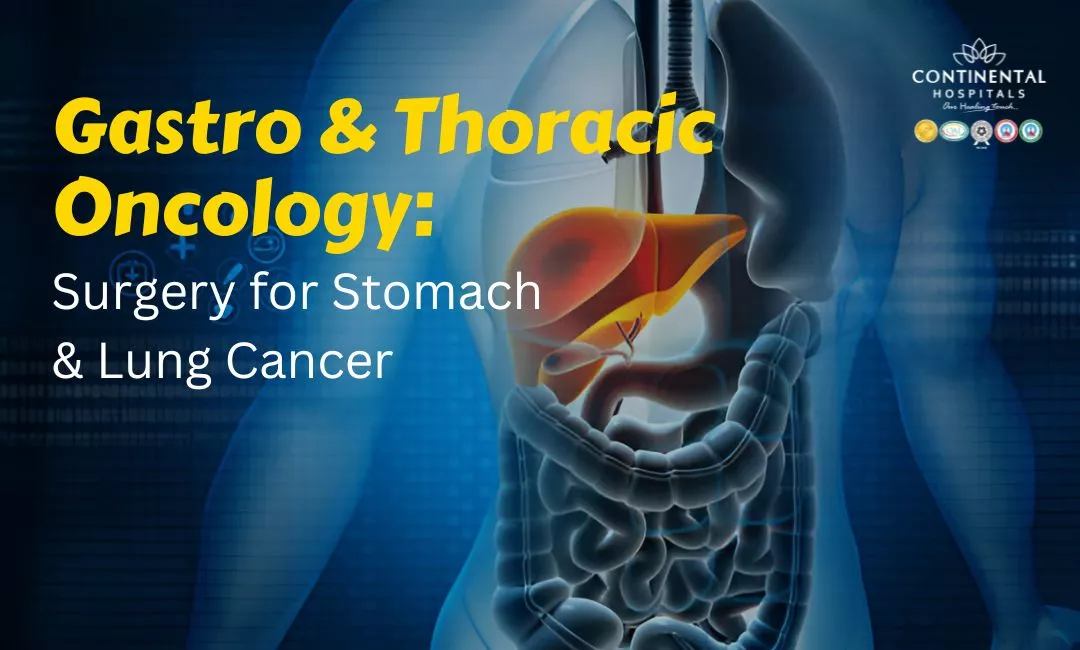
Gastro & Thoracic Oncology: Surgery for Stomach & Lung Cancer

Written by - Editorial Team
Medically Reviewed by - Dr Harish N L

Cancer is a life-altering diagnosis, but advancements in medicine have made it possible to fight back—especially when it comes to cancers of the stomach and lungs. Stomach and lung cancers are among the most common and challenging cancers, but surgery remains a cornerstone of treatment. In this blog, we’ll explore how surgery is used to treat stomach and lung cancers, the different types of surgeries involved, and why timely intervention can make all the difference.

What Is Stomach Cancer and Lung Cancer?

Before we dive into surgery options, it’s important to understand the basics of stomach and lung cancers.

Stomach Cancer (Gastric Cancer): This type of cancer originates in the lining of the stomach. It is often diagnosed in later stages due to subtle symptoms in the early stages. Common symptoms include persistent stomach pain, nausea, unexplained weight loss, and difficulty swallowing.

Lung Cancer: Lung cancer can develop in either the small airways (small cell lung cancer) or the larger airways (non-small cell lung cancer). It is the leading cause of cancer-related deaths globally, and symptoms may include a persistent cough, chest pain, shortness of breath, or coughing up blood.

Both types of cancers are serious, but early detection and surgery can improve the chances of successful treatment and recovery.
How Does Surgery Help Treat Stomach and Lung Cancers?

Surgery is often the first line of treatment for both stomach and lung cancer, especially when the cancer is localized and has not spread to other parts of the body. Surgery aims to remove the cancerous tissue and, in some cases, nearby lymph nodes to prevent the spread of cancer.

When is surgery needed for stomach cancer?

There are several types of surgeries used to treat stomach cancer, depending on the location and size of the tumour. The main surgical options are:

Gastrectomy (Partial or Total): This surgery involves removing part or all of the stomach. If the cancer is confined to a small part of the stomach, a partial gastrectomy may be performed. In more advanced cases, a total gastrectomy, where the entire stomach is removed, may be necessary.

Second Opinion

Lymph Node Removal: In addition to removing the tumour, surgeons often remove nearby lymph nodes to ensure that the cancer hasn’t spread. This is an essential part of stomach cancer surgery because it helps reduce the risk of recurrence.

Palliative Surgery: If the cancer is too advanced for curative surgery, a procedure may be done to alleviate symptoms, such as a blockage in the stomach, making it easier for the patient to eat and digest food.

The goal of stomach cancer surgery is to remove as much of the tumour as possible while preserving as much function as possible. After surgery, patients may need chemotherapy or radiation therapy to destroy any remaining cancer cells.

Visit our Best Cancer Specialist in Hyderabad at Continental Hospitals for comprehensive cancer care delivered by experienced specialists using advanced treatment approaches. Book your appointment today.

When is surgery recommended for lung cancer?

Lung cancer surgery is typically considered for non-small cell lung cancer (NSCLC), which is the most common type of lung cancer. The surgical options depend on the size, location, and stage of the tumour.

Lobectomy: This is the most common surgery for lung cancer. It involves removing one of the lobes of the lung. Since the lungs are made up of several lobes, patients can often function with just a portion of one lung after the surgery.

Pneumonectomy: In more advanced cases, the surgeon may need to remove an entire lung. This procedure is less common than lobectomy but may be necessary when the cancer has spread to a larger portion of the lung.

Need an Appointment?

Segmentectomy or Wedge Resection: These are less invasive procedures where a small section or wedge of the lung is removed. These surgeries are usually performed when the cancer is small and has not spread extensively.

Lymph Node Removal: Similar to stomach cancer surgery, lymph nodes near the cancer are often removed to check for any signs of cancer spread. If cancer is found in the lymph nodes, additional treatments like chemotherapy may be needed.

Minimally Invasive Surgery: With the advent of robotic and video-assisted thoracoscopic surgery (VATS), lung cancer surgery has become less invasive. These techniques use small incisions and cameras, resulting in quicker recovery times and less pain.

Surgery for lung cancer can be highly effective, especially in early-stage cancers. However, surgery alone is often followed by additional treatments like chemotherapy, radiation, or targeted therapies to ensure the cancer doesn’t return.

What are the benefits of surgery for stomach and lung cancers?

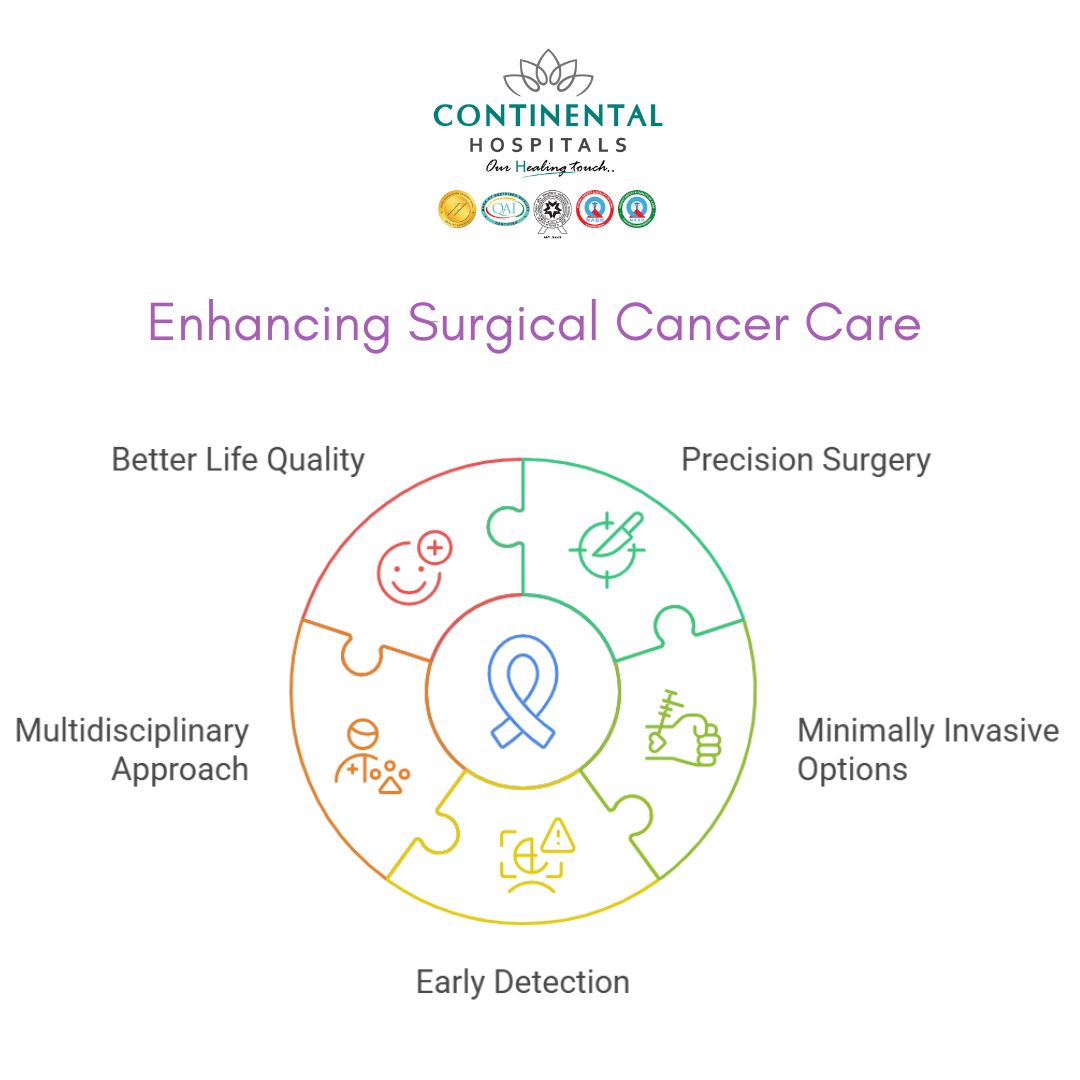
Increased Survival Rates: Surgery provides the best chance for long-term survival in both stomach and lung cancer patients, particularly when the cancer is detected early. It can help remove the cancer and prevent its spread, allowing patients to live cancer-free for many years.

Improved Quality of Life: In cases where the cancer is advanced but not curable, surgery can still provide relief from symptoms, such as blockages or pain, allowing patients to feel better and eat more comfortably.

Minimally Invasive Options: For lung cancer, minimally invasive surgical techniques mean that patients experience less pain, shorter hospital stays, and quicker recovery times.

Targeted Treatment: When combined with chemotherapy or radiation, surgery can offer a comprehensive approach to fighting cancer, attacking it from multiple angles and reducing the risk of recurrence.

How Long Does Recovery Take After Stomach or Lung Cancer Surgery?

Recovery from stomach and lung cancer surgery varies depending on the type of procedure and the patient’s overall health. In general, patients can expect a hospital stay of several days to a week, followed by a period of rest and rehabilitation at home. During recovery, patients may need to adjust their diet or breathing techniques, depending on the surgery performed.

It’s important for patients to follow their doctor’s instructions regarding post-operative care, including taking medications, managing pain, and attending follow-up appointments. Patients should also be aware of any signs of infection, such as fever or increased pain, and seek medical attention promptly.

Why is a multidisciplinary team important in stomach and lung cancer surgery?

When it comes to stomach and lung cancer treatment, a multidisciplinary team of specialists is crucial. This team typically includes:

  • Oncologists who specialize in cancer treatment
  • Surgeons skilled in gastro and thoracic oncology
  • Radiologists for imaging and diagnosing cancer
  • Pathologists who examine tissue samples to determine cancer type and stage
  • Nurses and nutritionists who help manage recovery and well-being

Working together, these professionals ensure the best possible care and outcomes for patients.

Conclusion: Early Detection and Timely Intervention

Both stomach and lung cancers are serious conditions, but with early detection and prompt treatment, including surgery, patients can significantly improve their chances of survival and quality of life. Advances in surgical techniques, such as minimally invasive surgeries, offer patients faster recovery times and better outcomes.

For expert gastro & thoracic oncology care, consult the best oncologist in Hyderabad at Continental Hospitals. Book your appointment today!

Related Blogs:

Frequently Asked Questions

Gastro and thoracic oncology surgery is a specialized field that focuses on the surgical treatment of cancers affecting the digestive system and chest organs. It commonly includes surgery for stomach cancer, lung cancer, esophageal cancer, and other tumors in these regions. The primary goal is to remove the cancer completely while preserving as much healthy tissue and organ function as possible. Modern surgical techniques may involve minimally invasive laparoscopic or robotic procedures, depending on the patient's condition. Surgery is often combined with chemotherapy, immunotherapy, targeted therapy, or radiation therapy as part of a multidisciplinary treatment plan. Early diagnosis and timely surgical intervention significantly improve treatment outcomes. Each patient's treatment is personalized based on the cancer type, stage, overall health, and treatment goals. A multidisciplinary team ensures comprehensive care before, during, and after surgery.
Surgery is one of the most effective treatments for stomach cancer when the disease is confined to the stomach or nearby lymph nodes. The type of surgery depends on the tumor's size, location, and stage. Doctors may perform a partial gastrectomy, removing only the affected portion of the stomach, or a total gastrectomy if the cancer is widespread within the stomach. Nearby lymph nodes are also removed to reduce the risk of recurrence and determine the stage of the disease. Surgery may be performed after chemotherapy to shrink the tumor or before additional treatments if appropriate. The decision is based on detailed imaging, endoscopy findings, and the patient's overall health. Recovery involves nutritional guidance and regular follow-up care. Early treatment offers the best chance for successful outcomes.
Several surgical procedures are available for treating lung cancer depending on the tumor's size, location, and stage. A wedge resection removes a small section of lung tissue containing the tumor. A segmentectomy removes a larger anatomical segment of the lung. Lobectomy, the most common surgery for early stage lung cancer, removes an entire lobe of the lung. Pneumonectomy involves removing an entire lung when the cancer is extensive. Many of these procedures can now be performed using minimally invasive techniques such as video assisted thoracoscopic surgery or robotic assisted surgery. These approaches may reduce pain, shorten hospital stays, and promote faster recovery. The surgeon selects the most suitable procedure based on individual patient needs.
Yes, many patients with stomach or lung cancer may be candidates for minimally invasive surgery. Surgeons use small incisions along with specialized instruments and high definition cameras to perform complex procedures with greater precision. Robotic assisted surgery provides enhanced visualization and improved dexterity during delicate operations. Compared with traditional open surgery, minimally invasive procedures often result in less pain, reduced blood loss, smaller scars, and quicker recovery. Hospital stays may also be shorter, allowing patients to return to daily activities sooner. However, not every patient is eligible for these techniques. The decision depends on the cancer stage, tumor location, previous surgeries, and overall health. Your surgical oncologist will determine the safest and most effective approach.
Recovery after cancer surgery varies depending on the type of procedure performed and the patient's overall health. Patients are encouraged to begin gentle movement soon after surgery to reduce complications and improve healing. Pain is managed with medications and supportive care throughout recovery. Those undergoing stomach surgery receive nutritional counseling to help adjust eating habits and maintain adequate nutrition. Patients recovering from lung surgery may require breathing exercises and pulmonary rehabilitation to improve lung function. Follow up appointments help monitor healing and detect any signs of recurrence. Additional treatments such as chemotherapy or radiation may be recommended if needed. Following medical advice, maintaining a healthy lifestyle, and attending regular follow ups support long term recovery.
A multidisciplinary team brings together specialists from different medical fields to create a comprehensive treatment plan for every patient. The team typically includes surgical oncologists, medical oncologists, radiation oncologists, radiologists, pathologists, anesthesiologists, nutritionists, rehabilitation specialists, and specialized nurses. They review diagnostic findings, discuss treatment options, and determine the most appropriate approach based on the patient's condition. This collaborative process helps ensure accurate diagnosis, coordinated treatment, and personalized care. Patients also benefit from improved communication among specialists throughout their treatment journey. Multidisciplinary care often leads to better surgical planning, fewer complications, and improved survival rates. It also provides emotional and supportive care for patients and their families during treatment.
Symptoms of stomach and lung cancer may vary and can sometimes be subtle during the early stages. Persistent stomach pain, unexplained weight loss, difficulty swallowing, loss of appetite, nausea, vomiting, and blood in the stool may indicate stomach cancer. Lung cancer symptoms can include a persistent cough, coughing up blood, chest pain, shortness of breath, hoarseness, frequent chest infections, and unexplained fatigue. These symptoms may also occur in non cancerous conditions, but they should never be ignored if they persist. Early medical evaluation allows timely diagnosis and treatment. Screening and diagnostic tests help identify the underlying cause. Early detection greatly improves treatment success and long term survival.
Specialized cancer centers provide comprehensive care using experienced multidisciplinary teams and advanced treatment technologies. Patients benefit from accurate diagnosis, personalized treatment planning, and access to modern surgical techniques, including minimally invasive and robotic procedures when appropriate. These centers offer coordinated care that includes medical oncology, radiation oncology, pathology, imaging, nutrition, rehabilitation, and supportive services under one roof. High surgical expertise helps improve patient safety and treatment outcomes. Comprehensive follow up care supports recovery and long term monitoring after treatment. Specialized centers also provide access to advanced therapies and clinical expertise for complex cancer cases. Choosing an experienced cancer center ensures patients receive high quality, evidence based care throughout every stage of their cancer journey.
Disclaimer: The information provided in this blog is intended for general knowledge and informational purposes only, and does not constitute medical advice. Always consult with a qualified healthcare professional for any medical concerns or before making any decisions about your health.

Get in Touch With Us

Whether you are from India or abroad, we are here to help you with your medical queries. Please fill out the form below and our team will connect with you shortly.

  • ✔ Quick response from our medical experts
  • ✔ Secure data handling & privacy
  • ✔ Easy upload for reports & documents
banner_image

Chat with our medical experts on WhatsApp for quick assistance and hassle-free appointment booking

Recent Posts