.webp)

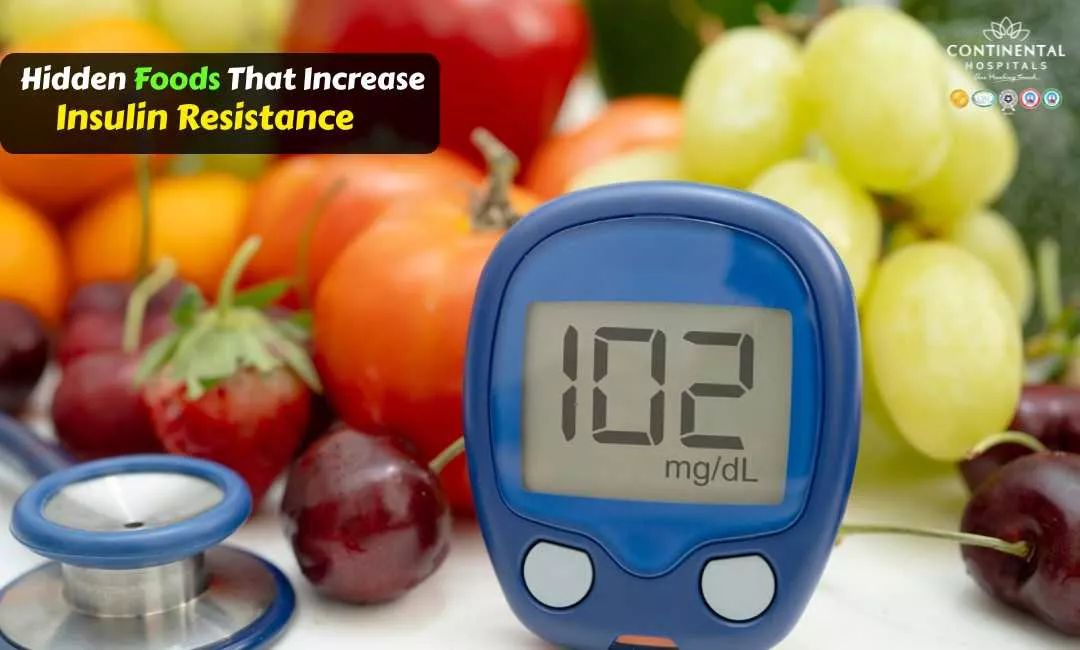
Insulin resistance is a growing health concern affecting millions worldwide. It occurs when the body’s cells fail to respond effectively to insulin, a hormone responsible for regulating blood sugar. Over time, this condition can lead to type 2 diabetes, obesity, and other metabolic disorders. While lifestyle factors like physical inactivity and stress play a role, hidden foods in your diet may silently contribute to worsening insulin resistance. Understanding what these foods are, how they affect your body, and how to choose healthier alternatives is essential for maintaining optimal health.
What is Insulin Resistance?
Insulin resistance occurs when cells in the muscles, fat, and liver do not respond properly to insulin. The pancreas produces more insulin to help glucose enter cells. Over time, this can cause high blood sugar levels, increased fat storage, and higher risk of metabolic disorders.
If you have high blood sugar, fatigue, or weight gain, visit our Endocrinology Speciality at Continental Hospitals for safe insulin resistance care.
Symptoms of Insulin Resistance:
- Unexplained weight gain, especially around the abdomen
- Fatigue or low energy levels
- Difficulty concentrating or brain fog
- Increased hunger and cravings for sugar
- High blood sugar or elevated fasting insulin levels
Detecting insulin resistance early with tests like fasting glucose, HbA1c, and insulin levels can help prevent serious complications.
Hidden Foods That Increase Insulin Resistance
Many foods that seem healthy or harmless can trigger insulin resistance if consumed frequently or in large amounts. Here are some hidden culprits:
Refined Carbohydrates
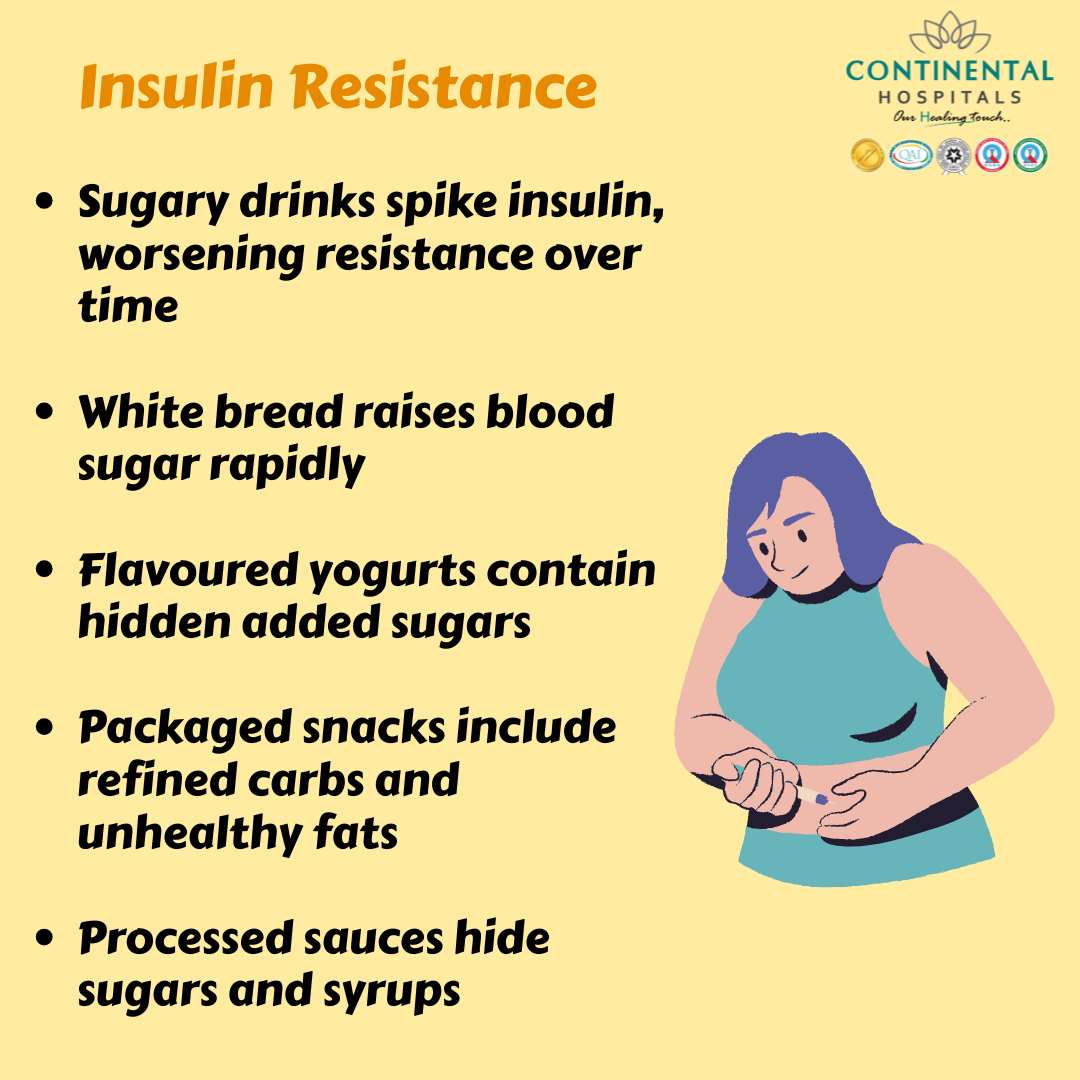
Refined carbs like white bread, pastries, white rice, and pasta break down quickly into glucose, causing rapid blood sugar spikes. Over time, repeated blood sugar surges increase insulin demand and stress the pancreas.
Sugary Beverages
Sodas, sweetened juices, and energy drinks contain high levels of added sugar. Liquid sugars are absorbed faster, leading to higher insulin spikes and contributing significantly to insulin resistance.
Processed Snacks
Chips, crackers, and packaged snack foods often contain refined flour, trans fats, and hidden sugars. These not only elevate blood sugar but also promote inflammation, which worsens insulin resistance.

Artificial Sweeteners
While marketed as a sugar alternative, some artificial sweeteners may disrupt gut microbiota and impair insulin sensitivity in some individuals. Consuming them excessively can have unintended metabolic consequences.
Fast Food and Fried Foods
Fast food items, especially deep-fried options, are high in trans fats, refined carbohydrates, and excess salt. These factors collectively impair insulin signaling and contribute to weight gain and inflammation.
Flavored Yogurts and Sweetened Dairy Products
Some yogurts and flavored milk contain added sugar that can offset the natural benefits of dairy. Even though dairy proteins may improve insulin sensitivity, excessive sugar negates this effect.
High-Fructose Corn Syrup (HFCS)
Found in many processed foods, cereals, and condiments, HFCS is metabolized in the liver and promotes fat accumulation, insulin resistance, and metabolic stress.
Foods That Boost Insulin Sensitivity
While avoiding hidden harmful foods is important, incorporating foods that improve insulin sensitivity can help reverse the effects:
Leafy Greens: Spinach, kale, and broccoli are high in fiber and antioxidants that support glucose metabolism.
Whole Grains: Brown rice, quinoa, and oats release glucose slowly, reducing insulin spikes.
Legumes: Lentils, beans, and chickpeas contain soluble fiber that improves blood sugar control.
Fatty Fish: Salmon, mackerel, and sardines provide omega-3 fatty acids that reduce inflammation and improve insulin sensitivity.
Nuts and Seeds: Almonds, walnuts, flaxseeds, and chia seeds help regulate blood sugar.
Cinnamon and Spices: Certain spices may enhance insulin action and lower blood glucose.
Tips to Reduce Insulin Resistance
Choose Whole, Unprocessed Foods: Focus on vegetables, fruits, lean proteins, and whole grains.
Monitor Portion Sizes: Large meals can overwhelm insulin response, even with healthy foods.
Limit Sugary Drinks: Opt for water, unsweetened tea, or black coffee.
Incorporate Regular Exercise: Physical activity improves insulin sensitivity in muscles and reduces fat accumulation.
Prioritize Sleep: Poor sleep increases stress hormones that worsen insulin resistance.
Manage Stress: Techniques like meditation and yoga help balance hormones and reduce inflammation.
Why Choose Continental Hospitals for Insulin Resistance Care?
Continental Hospitals is recognized as the best hospital in Hyderabad for comprehensive metabolic and nutritional care. Accredited for excellence in preventive health, diabetes management, and lifestyle interventions, we provide advanced evaluation for insulin resistance including blood tests, nutrition counseling, and personalized treatment plans. Our multidisciplinary team includes endocrinologists, nutrition specialists, and internal medicine experts dedicated to supporting your long-term health goals.
Conclusion
Hidden foods can significantly increase insulin resistance without obvious symptoms initially. Identifying these foods, reducing intake of sugar-laden, processed, and fried items, and incorporating fiber-rich, nutrient-dense foods can improve insulin sensitivity and overall health. Early intervention and lifestyle changes are key to preventing type 2 diabetes and other metabolic disorders.
If you suffer from high blood sugar, persistent fatigue, unexplained weight gain, or signs of insulin resistance, consult our top Endocrinologist at Continental Hospitals. As the best hospital in Hyderabad, Continental Hospitals offers expert evaluation, advanced diagnostics, and compassionate care to help you manage insulin resistance safely. Take the first step toward healthier metabolism and lasting well-being today.
Related Blog Topics
- Daily habits that worsen insulin resistance