post-title

Hepatitis C: Symptoms and Treatments

Written by - Editorial Team
Medically Reviewed by - Dr Guru N Reddy

Hepatitis C is a serious liver infection caused by the hepatitis C virus (HCV). It affects millions of people worldwide and can lead to severe liver damage if left untreated. However, with early diagnosis and proper treatment, hepatitis C is curable.

In this blog, we’ll explore the symptoms of hepatitis C, available treatments, and why it’s essential to seek medical help if you suspect you have this condition.

What is Hepatitis C?

Hepatitis C is a viral infection that spreads through contaminated blood. It primarily affects the liver, causing inflammation and, in some cases, long-term complications such as liver cirrhosis, liver failure, or even liver cancer.

Unlike hepatitis A and B, there is no vaccine for hepatitis C, making prevention and early detection even more crucial.

How Does Hepatitis C Spread?

Hepatitis C spreads through contact with infected blood. The most common ways people get infected include:

Sharing Needles or Syringes – This is one of the leading causes of hepatitis C transmission, particularly among individuals who inject drugs.

Unsterilized Medical Equipment – In some cases, unsafe medical procedures using unsterilized instruments can spread the virus.

Blood Transfusions (Before 1992) – Before widespread screening, hepatitis C was commonly spread through blood transfusions. Today, blood donations are carefully screened, reducing this risk significantly.

Tattooing or Piercing with Contaminated Equipment – If non-sterile needles or equipment are used, there is a risk of transmission.

Second Opinion

From Mother to Baby During Birth – While rare, an infected mother can pass the virus to her child during childbirth.

Sexual Contact – Although less common, hepatitis C can spread through unprotected sex, particularly if blood is present.

Understanding these risk factors can help prevent infection and encourage early testing.

If you suspect hepatitis C exposure or notice symptoms, don't delay seeking expert care. Visit our gastroenterology specialist doctors at Continental Hospitals for timely evaluation and advanced treatment.
What are the symptoms of Hepatitis C?

Hepatitis C is often called a "silent disease" because many people don’t experience symptoms until the infection has already caused liver damage. There are two main stages of the disease:

What is Acute Hepatitis C?

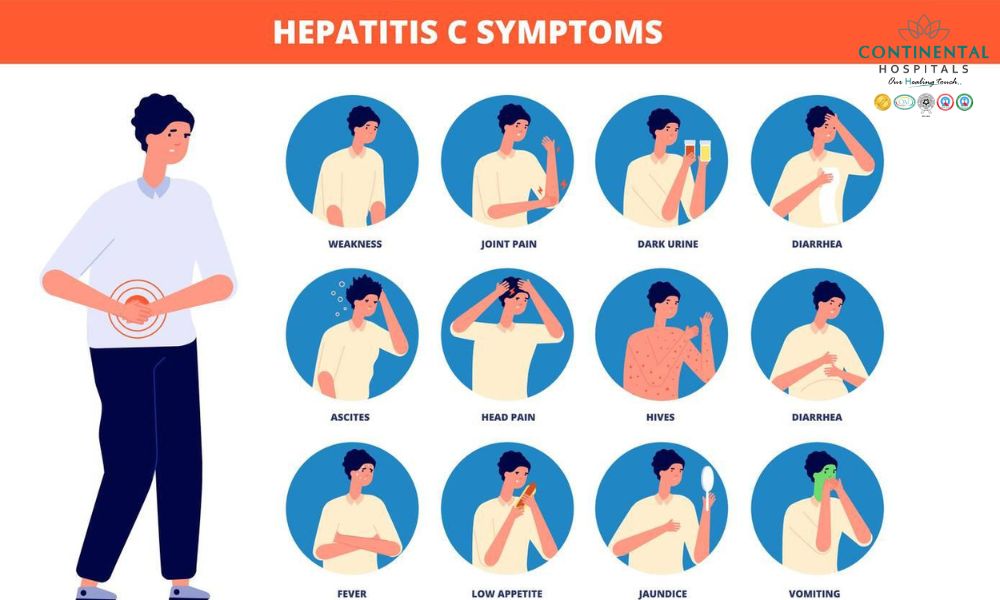
This is the early stage of infection, occurring within the first six months after exposure. Some people may clear the virus naturally without treatment, but others develop chronic hepatitis C. Symptoms of acute hepatitis C include:

Need an Appointment?

  • Fatigue
  • Fever
  • Jaundice (yellowing of the skin and eyes)
  • Nausea and vomiting
  • Loss of appetite
  • Dark urine
  • Abdominal pain

What is Chronic Hepatitis C?

If the infection persists beyond six months, it becomes chronic. Most people with chronic hepatitis C don’t experience symptoms for years or even decades, but when symptoms appear, they may include:

  • Persistent fatigue
  • Joint pain
  • Skin problems (itching, rashes)
  • Easy bruising or bleeding
  • Swelling in the legs
  • Fluid buildup in the abdomen (ascites)
  • Confusion or memory problems (due to liver dysfunction)

Chronic hepatitis C can lead to severe liver damage, including cirrhosis (scarring of the liver) and liver cancer. That’s why early diagnosis and treatment are crucial.

How is Hepatitis C diagnosed?

Since hepatitis C often has no symptoms in its early stages, testing is the only way to confirm an infection. If you are at risk, your doctor may recommend the following tests:

  • HCV Antibody Test – A blood test that detects antibodies indicating past or current infection.
  • HCV RNA Test – If antibodies are found, this test confirms if the virus is still present in the bloodstream.
  • Liver Function Tests – These tests measure liver enzymes to check for liver damage.
  • Liver Biopsy or FibroScan – In some cases, doctors may perform imaging tests or a biopsy to assess liver damage.

What are the treatment options for Hepatitis C?

The good news is that hepatitis C is now highly treatable. Modern antiviral medications can cure over 95% of cases with minimal side effects.

What are Direct-Acting Antivirals (DAAs) for Hepatitis C?

DAAs are the standard treatment for hepatitis C. These oral medications target the virus directly and stop it from multiplying. The treatment duration is usually 8 to 12 weeks, depending on the type of hepatitis C and liver condition. Some commonly used DAAs include:

  • Sofosbuvir
  • Ledipasvir
  • Glecaprevir
  • Pibrentasvir
  • Daclatasvir

These drugs have revolutionised hepatitis C treatment, offering high cure rates with fewer side effects compared to older treatments.

Can a liver transplant cure severe hepatitis C?

If hepatitis C has caused severe liver damage or liver failure, a liver transplant may be necessary. However, even after a transplant, antiviral treatment is required to prevent reinfection.

Preventing Hepatitis C

Since there is no vaccine for hepatitis C, prevention is key. Here are some important steps to reduce your risk:

  • Avoid sharing needles, syringes, or other drug-related equipment.
  • Ensure medical and tattooing procedures use sterile instruments.
  • Practice safe sex, especially if you have multiple partners.
  • Get tested if you have risk factors, as early detection can prevent complications.

Where can I get expert treatment for Hepatitis C?

At Continental Hospitals, we provide advanced diagnosis and treatment for hepatitis C with a team of experienced hepatologists and state-of-the-art medical facilities. If you or a loved one is at risk, schedule a consultation today to take control of your liver health.

Conclusion

Hepatitis C is a serious but curable disease. Most people can fully recover and lead a healthy life with modern treatments. However, early detection is key. If you are at risk or experience symptoms, don’t delay seeking medical help.

If you suspect you have been exposed to hepatitis C or experience symptoms, Consult our best gastroenterologist in hyderabad at Continental Hospitals.

Related Blogs:

  1. Hepatitis E in India: Outbreaks, Risks, and Vaccines
  2. Early Warning Signs of Hepatitis B You Shouldn’t Ignore

Frequently Asked Questions

Hepatitis C is a viral infection caused by the hepatitis C virus (HCV) that primarily affects the liver. The virus causes inflammation and gradually damages liver cells over time. Many people do not experience symptoms during the early stages, allowing the infection to remain undiagnosed for years. If left untreated, chronic Hepatitis C can lead to liver fibrosis, cirrhosis, liver failure, or liver cancer. The disease spreads mainly through contact with infected blood, such as sharing needles or receiving contaminated blood products before routine screening became common. Modern antiviral medications can successfully cure most cases, making early diagnosis and treatment extremely important. Regular screening for people at higher risk helps detect the infection before serious liver damage occurs.
Many people with Hepatitis C do not develop symptoms until significant liver damage has occurred. When symptoms appear, they may include persistent fatigue, weakness, loss of appetite, nausea, abdominal discomfort, muscle and joint pain, dark-colored urine, pale stools, itchy skin, and yellowing of the skin and eyes known as jaundice. Some individuals also experience unexplained weight loss and difficulty concentrating. Since these symptoms are often mild and resemble other illnesses, they can easily be overlooked. Anyone with ongoing fatigue or liver-related symptoms should consult a gastroenterologist for proper evaluation and blood testing.
Hepatitis C spreads primarily through direct contact with infected blood. Common routes include sharing needles or syringes, unsafe medical procedures using contaminated equipment, receiving blood transfusions before routine blood screening was introduced, and accidental needle-stick injuries among healthcare workers. Less commonly, the virus can spread from an infected mother to her baby during childbirth or through sharing personal items such as razors or toothbrushes that may contain blood. Sexual transmission is less common but possible, especially when blood exposure occurs. Hepatitis C is not spread through hugging, shaking hands, sharing food, coughing, or casual contact.
Doctors diagnose Hepatitis C using blood tests that first detect antibodies against the hepatitis C virus. If antibodies are present, an HCV RNA test confirms whether the virus is currently active in the body. Additional blood tests evaluate liver function and help determine the extent of liver inflammation. Imaging studies such as ultrasound, FibroScan, or MRI may be recommended to assess liver health and detect fibrosis or cirrhosis. In selected cases, a liver biopsy may be performed. Early diagnosis enables timely treatment and significantly reduces the risk of long-term liver complications.
Treatment for Hepatitis C has improved dramatically with the availability of direct-acting antiviral (DAA) medications. These medicines target the virus directly and can cure more than 95% of patients when taken as prescribed. Treatment duration typically ranges from 8 to 12 weeks, depending on the virus type, liver condition, and previous treatment history. Most patients experience minimal side effects compared with older therapies. During treatment, doctors monitor viral response and liver function through regular follow-up visits. Completing the full course of medication is essential for achieving a sustained virologic response, which is considered a cure.
Yes. With modern direct-acting antiviral medications, Hepatitis C can be completely cured in the majority of patients. A cure is confirmed when the hepatitis C virus is no longer detectable in the blood 12 weeks after completing treatment, a result known as sustained virologic response (SVR). Achieving SVR significantly lowers the risk of liver failure, cirrhosis, and liver cancer. However, individuals who have already developed advanced liver disease may still require ongoing monitoring. It is also important to remember that a person can become infected with Hepatitis C again if exposed to the virus after being cured.
Although there is currently no vaccine for Hepatitis C, the infection can often be prevented by avoiding exposure to infected blood. Never share needles, syringes, razors, toothbrushes, or any items that may come into contact with blood. Ensure that tattoos and piercings are performed using sterile equipment at licensed facilities. Healthcare providers should follow strict infection control practices and safe injection techniques. Blood donated for transfusions is routinely screened in many countries, reducing transmission risk. People at higher risk should undergo regular screening to identify infection early and begin treatment promptly.
You should consult a gastroenterologist if you experience persistent fatigue, jaundice, unexplained abdominal pain, dark urine, nausea, loss of appetite, or abnormal liver function test results. Medical evaluation is also recommended if you have ever shared needles, received a blood transfusion before routine screening was introduced, or believe you have been exposed to infected blood. Early diagnosis allows treatment before irreversible liver damage develops. Prompt medical care can help prevent serious complications such as cirrhosis and liver cancer while improving long-term liver health and overall quality of life.
Disclaimer: The information provided in this blog is intended for general knowledge and informational purposes only, and does not constitute medical advice. Always consult with a qualified healthcare professional for any medical concerns or before making any decisions about your health.

Get in Touch With Us

Whether you are from India or abroad, we are here to help you with your medical queries. Please fill out the form below and our team will connect with you shortly.

  • ✔ Quick response from our medical experts
  • ✔ Secure data handling & privacy
  • ✔ Easy upload for reports & documents
0 / 100
Checkboxes Section


banner_image

Chat with our medical experts on WhatsApp for quick assistance and hassle-free appointment booking

Recent Posts
Language Based Image
0 / 100