.webp)

When it comes to heart health, many people face challenges with blocked arteries that can limit blood flow, putting their lives at risk. Thankfully, modern medical techniques such as angioplasty and stenting have revolutionized heart care. These procedures are not only effective but also minimally invasive, which means quicker recovery and a better quality of life for patients. Let’s dive into how these procedures work and why they improve heart health.
What is Angioplasty and Stenting?
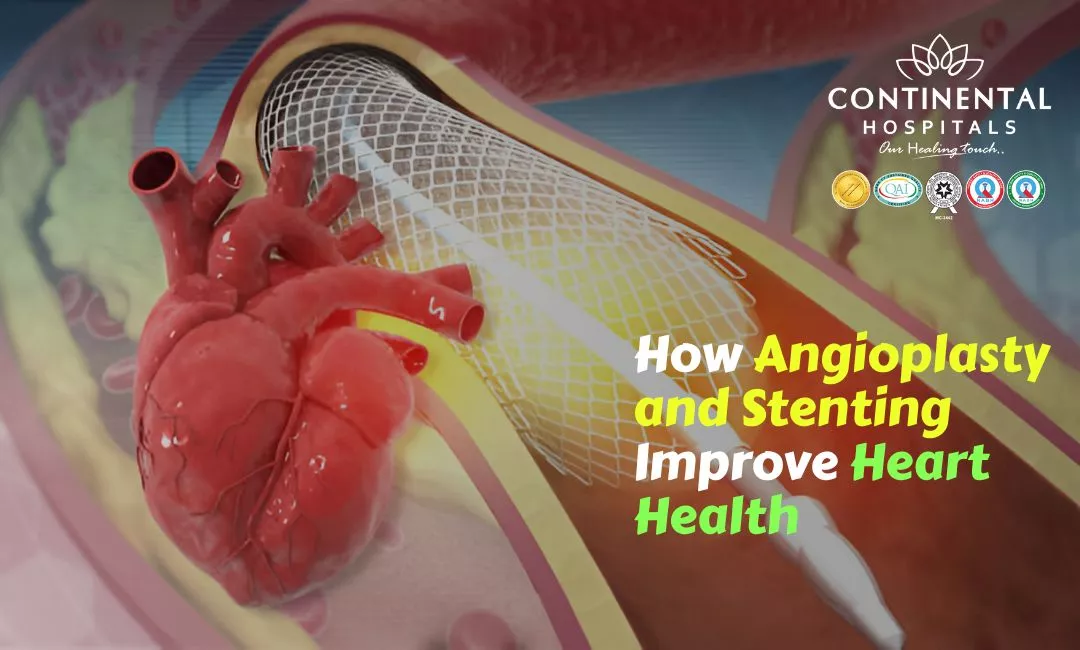
Angioplasty is a procedure used to open up blocked or narrowed arteries that supply blood to the heart. When plaque builds up in these arteries, it can restrict blood flow, causing chest pain or even heart attacks. During angioplasty, a small balloon is inserted into the blocked artery and inflated to widen it, restoring normal blood flow.
Stenting, which often accompanies angioplasty, involves placing a small mesh tube (stent) inside the artery to keep it open after it has been widened. The stent acts as a support to prevent the artery from narrowing again, reducing the chances of future blockages.
Why Are Angioplasty and Stenting Important?
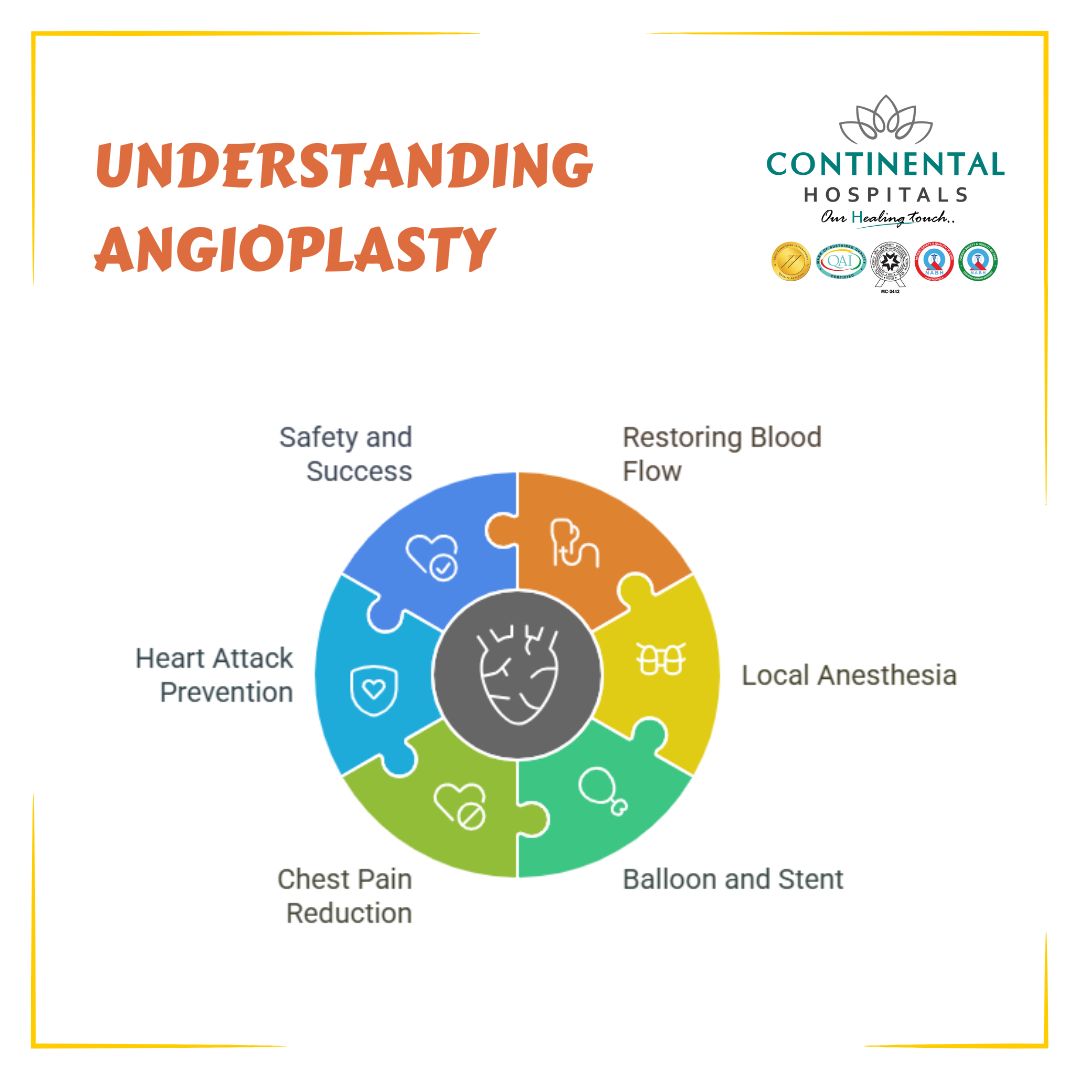
The heart relies on a continuous flow of oxygen-rich blood to function properly. When blood flow is restricted, the heart’s muscles can’t get the oxygen they need, leading to chest pain (angina) or, in severe cases, heart attacks. By performing angioplasty and stenting, doctors can restore blood flow to the heart, preventing further damage and significantly improving the patient's overall heart health.
The Procedure: What to Expect
Angioplasty and stenting are often performed under local anesthesia, meaning the patient is awake but the area being worked on is numbed. The procedure typically involves:
Preparation: A small incision is made, usually in the groin or wrist, to insert a catheter (a thin tube) into the blood vessel.
Insertion of the Balloon: The catheter is carefully guided to the blocked artery. A balloon is inflated to open up the narrowed area, allowing for better blood flow.
Placement of the Stent: Once the artery is widened, the doctor places the stent to keep the artery open. The stent remains in place permanently, but it does not interfere with normal blood flow.

Completion: The catheter is removed, and the small incision is closed. The entire procedure usually lasts between one to two hours, depending on the complexity of the blockage.
Most patients can return home the same day or the following day, depending on how well they recover.
If you're experiencing symptoms, contact Continental Hospitals today. Visit the best cardiologist in Hyderabad.
Benefits of Angioplasty and Stenting
Relieves Chest Pain: For many people, the most immediate benefit of angioplasty and stenting is the relief from chest pain (angina) caused by narrowed arteries. Once the blood flow is restored, the pain often disappears almost immediately.
Prevents Heart Attacks: By addressing the blockages before they cause severe damage, angioplasty and stenting can reduce the risk of heart attacks. This is particularly important for people with severe blockages that put them at high risk.
Improves Quality of Life: Patients who undergo angioplasty and stenting often experience an improved quality of life. They are able to resume normal activities such as exercise, walking, and even playing sports without feeling the limitations of heart disease.
Minimally Invasive: Unlike traditional open-heart surgery, angioplasty and stenting are minimally invasive, which means less pain, a smaller risk of complications, and faster recovery.
Why Choose Continental Hospitals for Angioplasty and Stenting?
Continental Hospitals is recognised for providing world-class cardiovascular care. Our team of highly skilled cardiologists and medical professionals are equipped with the latest technology and procedures to ensure you receive the best possible treatment. Here’s why you should choose Continental Hospitals for your heart health:
Expertise and Experience: Our cardiology team has years of experience in performing angioplasty and stenting procedures. We are known for our advanced techniques and our high success rates in heart treatments.
Cutting-Edge Technology: At Continental Hospitals, we use state-of-the-art equipment to conduct minimally invasive procedures, ensuring precision and safety.
Comprehensive Care: We provide holistic care that goes beyond just the procedure. From diagnosis to rehabilitation, we offer a complete range of services to help you manage your heart health.
Personalised Treatment Plans: Every heart is unique, and so is every patient. We take the time to understand your specific condition and design a treatment plan tailored to your needs.
Fast Recovery: Thanks to our minimally invasive approach, most patients experience shorter recovery times, allowing them to get back to their daily lives quickly and with confidence.
Signs You Might Need Angioplasty and Stenting
While only a healthcare professional can determine if you need angioplasty or stenting, there are some signs that indicate you may benefit from these treatments. These include:
- Persistent chest pain or discomfort (angina)
- Shortness of breath during physical activity
- Fatigue or dizziness with minimal exertion
- A history of heart disease or risk factors like high blood pressure, high cholesterol, or diabetes
If you experience any of these symptoms, it's crucial to seek medical advice as soon as possible. Early intervention can help prevent more serious complications and improve your long-term health.
The Recovery Process
After undergoing angioplasty and stenting, recovery is generally quick, but it varies from person to person. You may need to stay in the hospital for a short period to monitor your recovery. Most people are able to return to work and resume their normal activities in a matter of days to weeks, although strenuous activities and heavy lifting should be avoided for a while.
Your doctor will provide specific aftercare instructions, including medications to prevent blood clots and follow-up appointments to ensure the stent remains in place. It’s important to follow these instructions closely to ensure the best possible outcome.
Conclusion
Angioplasty and stenting are life-saving procedures that can dramatically improve your heart health. Whether you're suffering from chest pain, shortness of breath, or other heart-related symptoms, these treatments offer hope and healing. At Continental Hospitals, we are committed to providing you with the highest quality care, ensuring that you get the treatment you need to live a long, healthy life.
If you're experiencing symptoms, contact Continental Hospitals today. Visit the best cardiologist in Hyderabad.