.webp)

As temperatures soar across the globe, the conversation around summer safety often focuses on hydration and skin protection. however, one of the most critical aspects of staying safe during a heatwave is understanding how extreme heat affects the cardiovascular system. For residents in urban centers like Hyderabad, where the mercury can reach intense levels, knowing the link between heat and heart health is essential for long-term well-being.
The Connection Between Temperature and the Heart
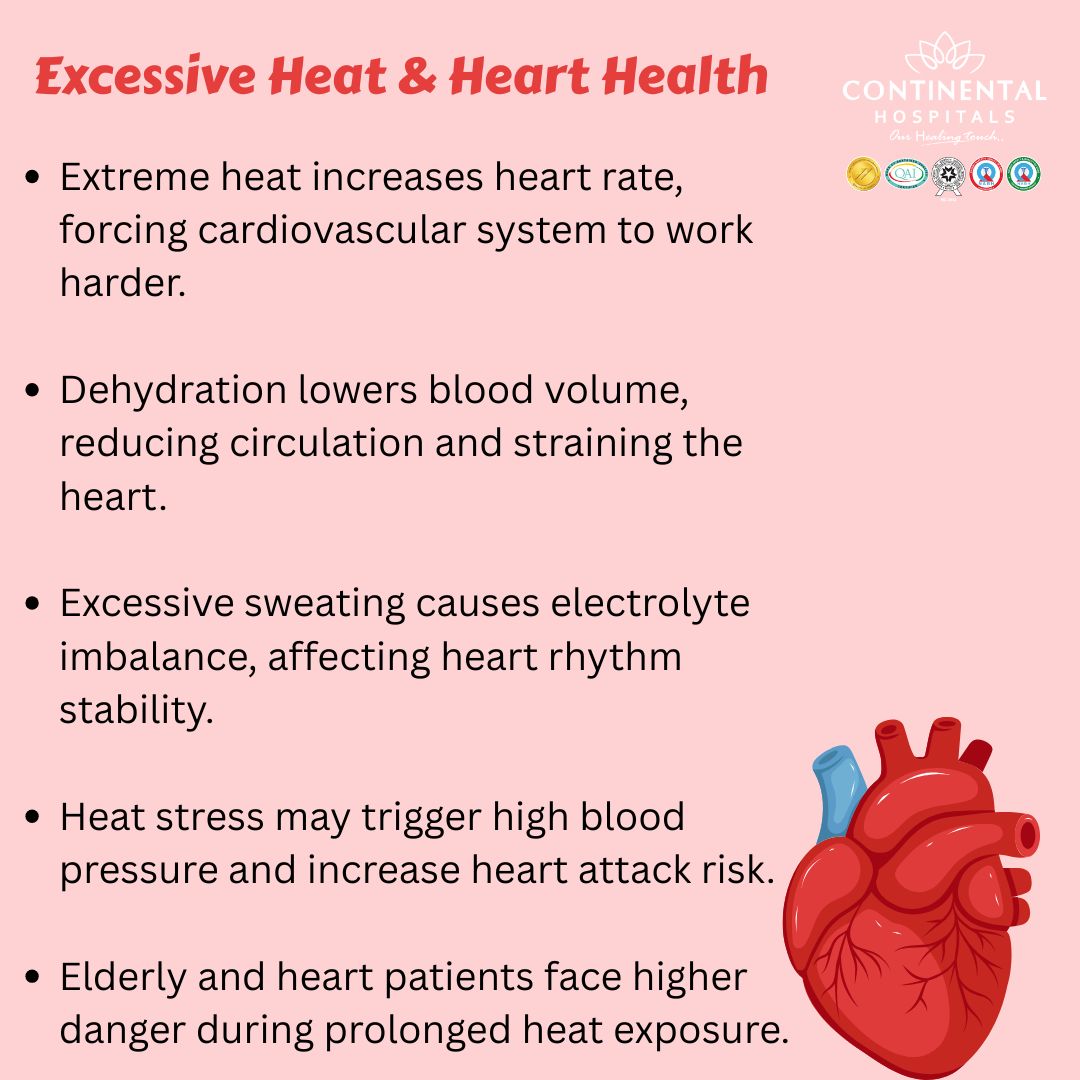
The human body is designed to maintain a stable internal temperature. When external temperatures rise, the heart must work significantly harder to keep the body cool. It does this primarily through two mechanisms: radiation and evaporation. To move heat from the internal organs to the skin, the heart pumps faster and the blood vessels dilate. This process requires the heart to circulate two to four times as much blood per minute as it does on a cool day.
For a healthy individual, this extra effort is manageable. However, for those with pre-existing conditions, extreme heat can push the heart to its limits. When the body loses fluids through sweat, blood volume decreases, making the blood thicker and harder to pump. This increases the risk of dehydration, heat exhaustion, and even heart attacks.
Keep your heart strong with expert care at Continental Hospitals. Visit our cardiology department for a personalized consultation today.
Why Extreme Heat is a Risk Factor for Heart Disease
Research indicates that during periods of excessive heat, heart risk factors increase for everyone, but specifically for those with hypertension or coronary artery disease. The physiological stress of cooling the body can lead to several complications:
- Increased Heart Rate: The heart beats faster to facilitate cooling, which can trigger arrhythmias or chest pain in vulnerable patients.
- Lower Blood Pressure: As blood vessels dilate to release heat, blood pressure can drop significantly, leading to dizziness or fainting.
- Dehydration and Electrolyte Imbalance: Sweating leads to the loss of essential minerals like sodium and potassium, which are vital for the electrical signals that keep the heart beating steadily.
- Blood Clotting: Thicker blood due to dehydration increases the likelihood of clots forming, which is a primary cause of strokes and heart attacks.
Identifying the Signs of Heat-Related Cardiac Stress
Recognizing the symptoms of hot weather heart problems early can save lives. It is important to distinguish between typical summer discomfort and a medical emergency. If you or someone around you experiences the following, it may be a sign that the heart is struggling under the heat:
- Profuse sweating or, conversely, a sudden stop in sweating despite the heat.
- Rapid or irregular pulse.
- Confusion, fatigue, or extreme lightheadedness.
- Nausea or vomiting.
- Muscle cramps, which often signal electrolyte depletion.
Protective Measures During a Heatwave
Preventing heatwave and heart disease complications requires a proactive approach. Simple lifestyle adjustments during the peak summer months can significantly reduce the strain on your cardiovascular system.
Prioritize Hydration
Drink plenty of water even if you do not feel thirsty. Avoid beverages that contain caffeine or high amounts of sugar, as these can actually lead to further dehydration. If your doctor has restricted your fluid intake due to a heart condition, consult them on how to manage hydration during a heatwave.

Time Your Activities
The sun is at its strongest between 11:00 AM and 4:00 PM. Schedule outdoor errands, exercise, or walks for the early morning or late evening when the air is cooler.
Dress for the Climate
Wear lightweight, light-colored, and loose-fitting clothing. Natural fabrics like cotton allow the skin to breathe and facilitate the evaporation of sweat.
Monitor Medications
Certain medications for heart disease, such as diuretics or beta-blockers, can affect how your body responds to heat. Some may increase sensitivity to sunlight or interfere with your body’s ability to regulate temperature. Never stop taking medication without consulting your cardiologist.
Why Choose Continental Hospitals for Cardiac Care?
When it comes to managing heart health, especially under the pressure of extreme heat, choosing the right healthcare partner is vital. Continental Hospitals is recognized as the best hospital in Hyderabad for comprehensive cardiac services. Our facility is designed to provide world-class care through a combination of advanced technology and a patient-centric approach.
International Standards and Accreditations
Continental Hospitals stands as a beacon of quality in the Indian healthcare landscape. Our commitment to safety and excellence is validated by prestigious accreditations:
JCI Accreditation: We are accredited by the Joint Commission International, the gold standard for global healthcare quality. This ensures that our protocols and patient safety measures meet rigorous international benchmarks.
NABH Accreditation: Our adherence to the National Accreditation Board for Hospitals & Healthcare Providers signifies our commitment to providing high-quality clinical care and management.
These accreditations are not just symbols? They represent our dedication to error-free medical delivery and the highest success rates in complex cardiac procedures.
Advanced Infrastructure
Our Heart Institute is equipped with the latest diagnostic and interventional technology. From advanced cath labs to state-of-the-art non-invasive imaging, we ensure that every patient receives a precise diagnosis. This level of detail is crucial when treating conditions exacerbated by temperature effects on heart health.
Multi-Disciplinary Expertise
Heart health is often linked to other systemic issues like diabetes or kidney function. At Continental Hospitals, our cardiologists work alongside nutritionists, endocrinologists, and vascular surgeons to provide a holistic treatment plan. This integrated approach ensures that all risk factors are managed simultaneously.
Conclusion
The impact of extreme heat on the heart is a serious concern that requires public awareness and individual vigilance. By understanding the risks associated with heat and heart health, you can take the necessary steps to protect yourself and your family. Staying hydrated, avoiding peak sun hours, and monitoring your body’s signals are the first lines of defense against heat-related cardiac events.
However, lifestyle changes are only one part of the equation. Regular check-ups and professional guidance are essential, especially if you have a history of heart disease.
If you suffer from chest pain, persistent dizziness, or palpitations, or if you find it increasingly difficult to cope with the summer temperatures, do not ignore these signs. Timely intervention can prevent minor issues from becoming major health crises.
At Continental Hospitals, we are dedicated to keeping your heart beating strong through every season. Our team of experts is available to provide personalized consultations, risk assessments, and advanced treatments tailored to your specific needs. Consult our best cardiologist in Hyderabad at Continental Hospitals.
Related Blog Topics: