.webp)

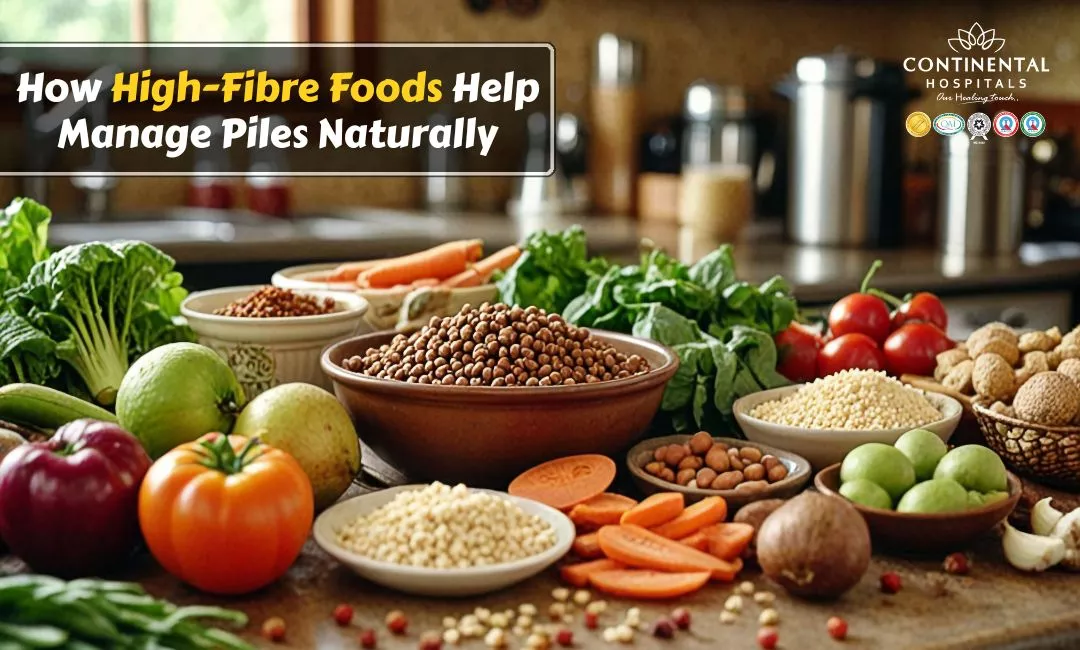
Piles, also known as hemorrhoids, are a common health problem that can cause pain, itching, swelling, and discomfort during bowel movements. Many people experience piles due to constipation, poor dietary habits, or prolonged sitting. While medical treatments are available, dietary changes can play a major role in managing symptoms naturally.
One of the most effective lifestyle changes for piles management is increasing the intake of High-Fibre Foods. Fiber helps improve digestion, soften stools, and reduce strain during bowel movements. A balanced fiber diet can significantly support hemorrhoid relief and prevent the condition from worsening.
What Are Piles?
Piles are swollen veins in the lower rectum or anus. They can develop internally inside the rectum or externally around the anal opening. When pressure increases in the rectal veins, swelling occurs and leads to piles symptoms.
Common symptoms include:
• Pain or discomfort during bowel movements
• Itching or irritation around the anal area
• Bleeding after passing stool
• Swelling or lumps near the anus
• A feeling of incomplete bowel movement
Constipation is one of the most common triggers for piles. When stools are hard and difficult to pass, excessive straining increases pressure on rectal veins. This is where High-Fibre Foods become extremely important.
Visit our gastroenterology department at Continental Hospitals, Hyderabad for advanced diagnosis and personalized treatment for piles and digestive health. Book your visit today.
Why Fiber Is Important for Digestive Health?
Fiber is a type of plant based carbohydrate that the body cannot fully digest. Instead of breaking down in the stomach, fiber moves through the digestive tract and helps regulate bowel movements.
Adding high-fiber foods to your diet offers several benefits:

• Softens stool and makes it easier to pass
• Improves bowel regularity
• Prevents constipation
• Reduces strain during bowel movements
• Supports overall gut health
A proper fiber diet for piles helps reduce irritation in the rectal veins and provides natural relief from symptoms.
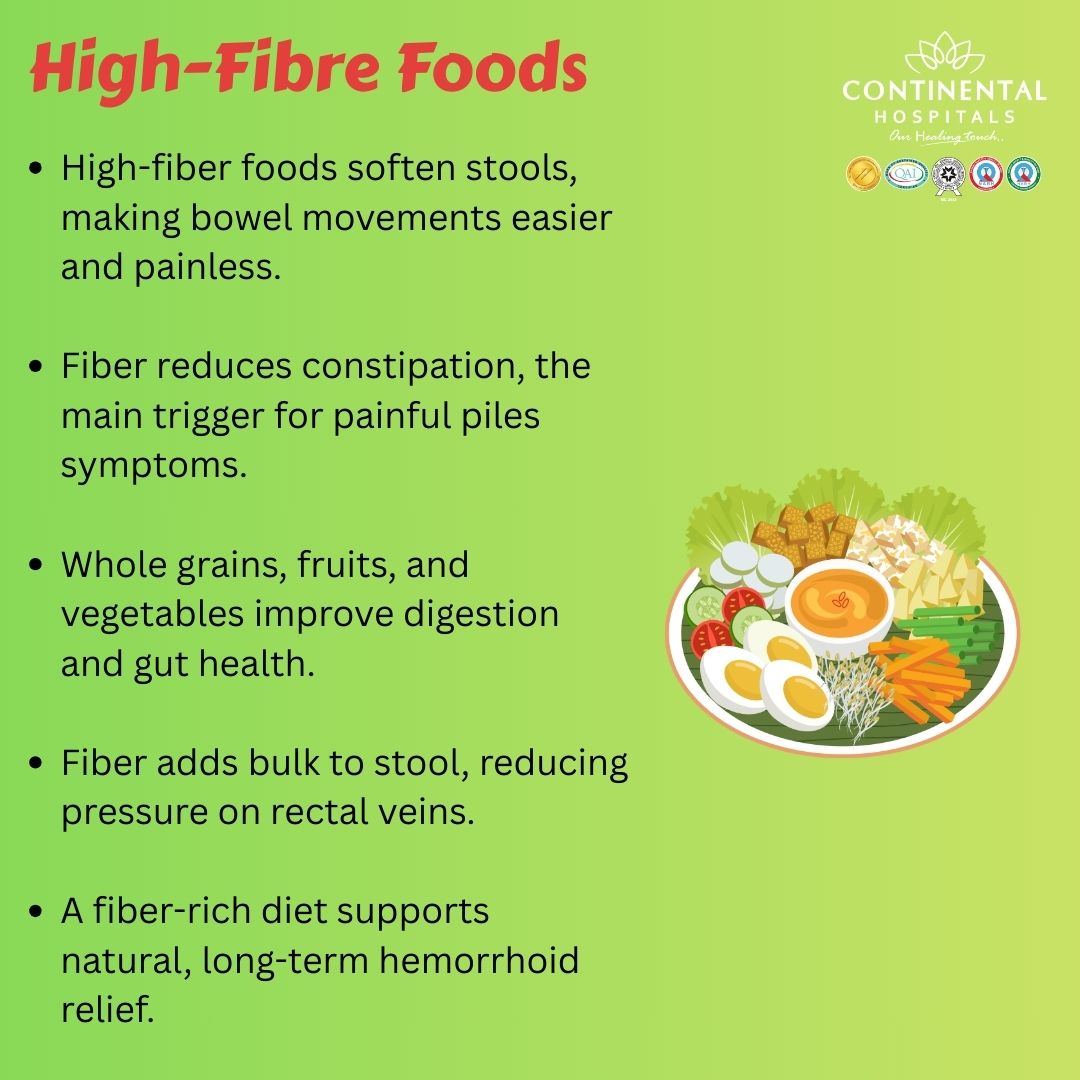
How High-Fibre Foods Help Manage Piles
Eating High-Fibre Foods regularly can play a key role in managing piles naturally. Fiber works in multiple ways to support digestive health and reduce symptoms.
1. Prevents Constipation
Constipation is one of the biggest causes of piles. Fiber absorbs water and adds bulk to stool, making it softer and easier to pass. This reduces the need to strain during bowel movements.
2. Reduces Pressure on Rectal Veins
Straining increases pressure in the veins around the rectum. A fiber rich diet helps ensure smoother bowel movements and lowers pressure on these veins.
3. Supports Healthy Gut Function
A fiber diet for piles supports beneficial gut bacteria. Healthy gut bacteria help maintain regular digestion and reduce digestive discomfort.
4. Helps Prevent Recurrence
For people who have experienced piles before, regular intake of High-Fibre Foods can reduce the chances of recurrence by keeping bowel movements smooth and regular.
5. Promotes Overall Digestive Balance
Fiber improves the overall movement of food through the digestive tract. This supports better digestion and long term bowel health.
Best High-Fiber Foods for Piles
Adding a variety of High-Fibre Foods to your daily meals can improve digestive comfort and support hemorrhoids relief.
Some excellent high fiber foods for piles include:
Fruits
Fruits are naturally rich in fiber and help soften stools.
• Apples
• Pears
• Bananas
• Papaya
• Guava
Vegetables
Vegetables provide fiber along with essential vitamins and minerals.
• Carrots
• Broccoli
• Spinach
• Beetroot
• Pumpkin
Whole Grains
Whole grains are one of the best sources of dietary fiber.
• Oats
• Brown rice
• Whole wheat
• Barley
• Millets
Legumes and Pulses
Legumes are highly nutritious and support digestion.
• Lentils
• Chickpeas
• Kidney beans
• Green gram
Nuts and Seeds
Nuts and seeds add fiber and healthy fats to the diet.
• Almonds
• Flax seeds
• Chia seeds
• Sunflower seeds
Including these High-Fibre Foods regularly can significantly support a fiber diet for piles.
Simple Ways to Add More Fiber to Your Diet
Increasing fiber intake does not require drastic dietary changes. Small adjustments can make a big difference.
Here are simple ways to add more High-Fibre Foods to daily meals:
• Start the day with oatmeal or whole grain cereals
• Add fruits to breakfast or snacks
• Include vegetables in every meal
• Choose brown rice or whole wheat instead of refined grains
• Snack on nuts and seeds instead of processed foods
Gradually increasing fiber intake is important to avoid digestive discomfort.
Other Natural Remedies for Piles
Along with High-Fibre Foods, certain lifestyle habits can help manage piles symptoms.
Helpful natural remedies for piles include:
• Drinking enough water throughout the day
• Avoiding prolonged sitting
• Maintaining regular physical activity
• Practicing good toilet habits
• Avoiding excessive straining during bowel movements
These lifestyle changes, combined with a fiber rich diet, can help improve hemorrhoids relief naturally.
When Should You See a Doctor?
While dietary changes can help manage mild piles, medical attention may be necessary if symptoms persist.
Consult a doctor if you experience:
• Persistent bleeding during bowel movements
• Severe pain or swelling
• Difficulty sitting comfortably
• Recurring piles symptoms
Early medical evaluation can help prevent complications and ensure proper treatment.
Why Choose Continental Hospitals for Piles Treatment?
When lifestyle changes and dietary adjustments are not enough, expert medical care becomes important. Continental Hospitals, the best hospital in Hyderabad, offers advanced diagnosis and treatment for piles and other digestive conditions.
Patients trust Continental Hospitals because of:
• Highly experienced gastroenterologists and colorectal specialists
• Advanced diagnostic and minimally invasive treatment options
• International quality healthcare standards
• Patient centered treatment approach
• Modern infrastructure and medical technology
Continental Hospitals is accredited by internationally recognized healthcare organizations, reflecting its commitment to quality, patient safety, and clinical excellence. These accreditations ensure that patients receive world class care supported by strict healthcare standards and medical protocols.
With comprehensive gastroenterology services and expert specialists, Continental Hospitals provides complete support for digestive health and piles management.
Conclusion
Piles can cause significant discomfort, but simple lifestyle changes can make a major difference. Increasing the intake of High-Fibre Foods is one of the most effective natural ways to manage piles symptoms. Fiber helps soften stool, prevent constipation, and reduce strain during bowel movements, providing long term relief.
Including fruits, vegetables, whole grains, and legumes in your daily meals supports a healthy digestive system and lowers the risk of piles complications. Along with proper hydration and physical activity, a fiber rich diet plays an important role in maintaining bowel health.
However, persistent or severe piles symptoms should never be ignored. Early medical evaluation can help identify the best treatment options and prevent complications.
If you are experiencing symptoms of piles or digestive discomfort, consult our best gastroenterologist team at Continental Hospitals, the best hospital in Hyderabad. Our specialists provide advanced diagnosis, personalized treatment, and comprehensive care to help you achieve lasting hemorrhoid relief and improved digestive health.
Related Blog Topics: