.webp)

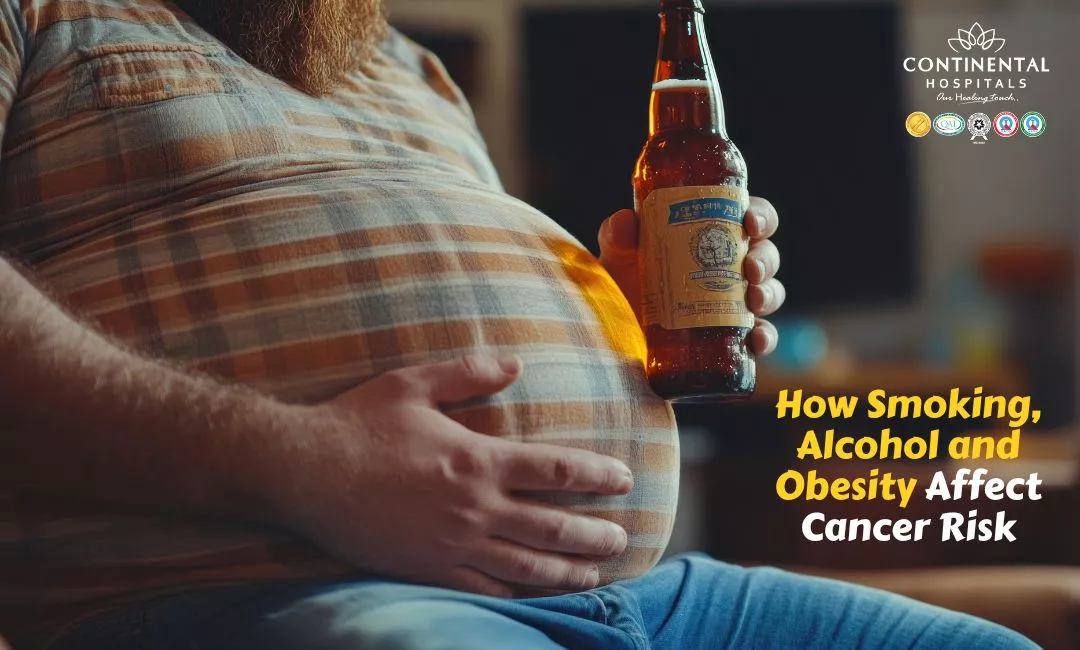
Cancer remains one of the most significant health challenges of our time. While genetics play a role, lifestyle choices are powerful factors that we can often control. Research indicates that a large percentage of cancer cases are linked to preventable behaviors. By understanding how smoking and cancer risk, alcohol consumption, and weight management intersect, you can take proactive steps toward a healthier future.
Understanding Smoking and Cancer Risk
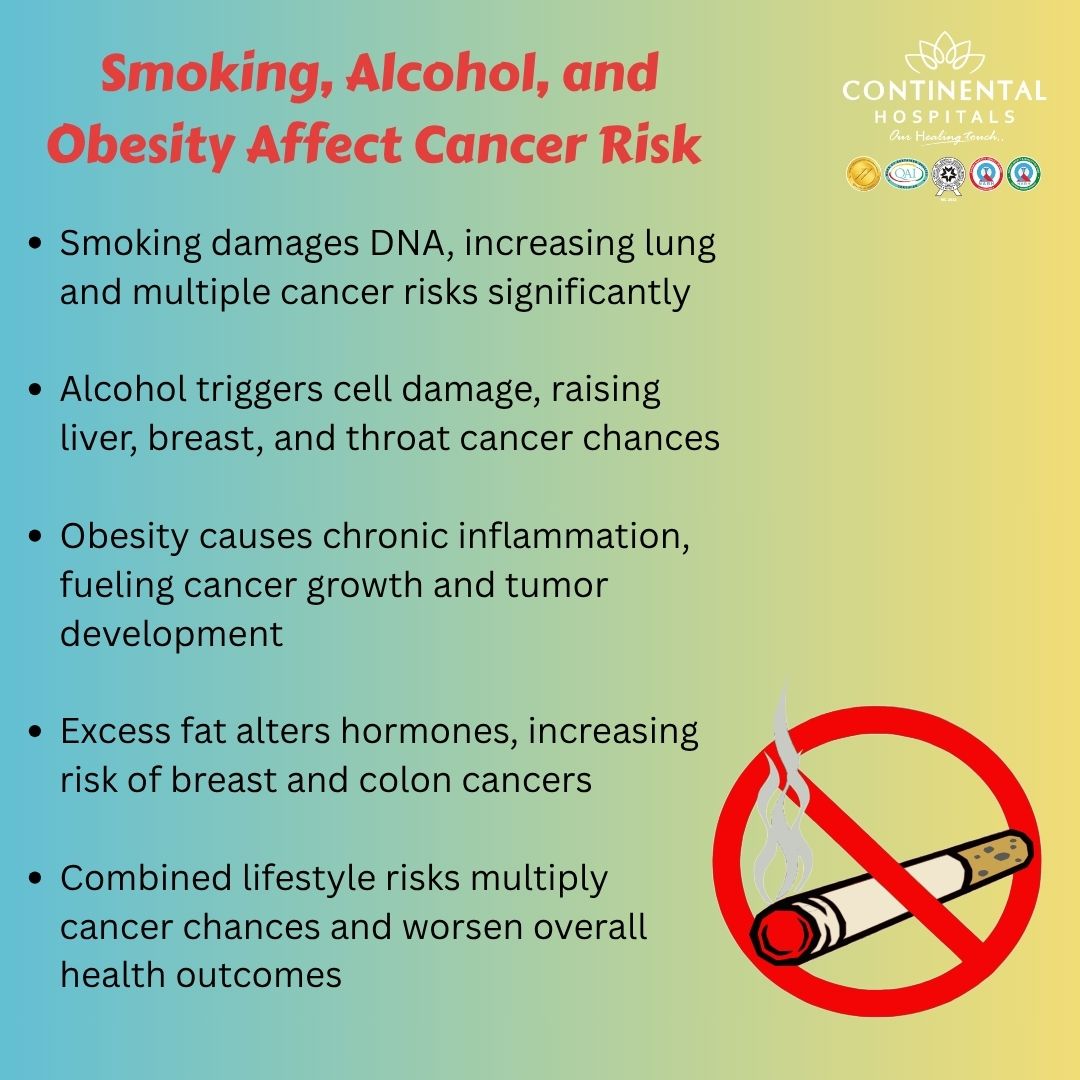
Smoking is the single most significant preventable cause of cancer and cancer-related deaths worldwide. When you inhale tobacco smoke, you are introducing more than 7,000 chemicals into your body. At least 70 of these are known carcinogens, meaning they are directly responsible for damaging DNA.
The link between smoking and cancer risk is most commonly associated with lung cancer, but it does not stop there. It affects nearly every organ in the body. When DNA is damaged by these toxins, the cells can begin to grow uncontrollably, forming tumors. Furthermore, smoking weakens the immune system, making it harder for your body to kill cancer cells before they multiply.
If you are a smoker, the most effective way to reduce your smoking and cancer risk is to quit immediately. The body begins to repair itself within minutes of the last cigarette, and over time, the risk of developing various cancers drops significantly.
Don’t wait for symptoms—early care saves lives. Visit our medical oncology department at Continental Hospitals, Hyderabad. Book your consultation today.
The Connection Between Alcohol and Cancer Risk
Many people are aware of the link between alcohol and liver disease, but the connection between alcohol and cancer risk is often overlooked. Alcohol acts as a carcinogen in several ways. When the body breaks down ethanol found in alcoholic drinks, it turns into acetaldehyde. This is a toxic chemical that can damage DNA and prevent the body from repairing that damage.
Alcohol can also increase the levels of certain hormones, such as estrogen. Higher levels of estrogen are linked to an increased risk of breast cancer. Additionally, alcohol acts as a solvent, making it easier for other harmful chemicals, like those found in tobacco, to enter the cells lining the digestive tract. This explains why the combination of smoking and drinking increases the risk of mouth and throat cancers far more than either habit alone.
Obesity and Cancer Risk: Why Weight Matters
Obesity is more than just a matter of physical appearance; it is a complex health condition that significantly impacts cancer risk. Carrying excess body fat causes the body to exist in a state of chronic low-level inflammation. Over time, this inflammation can cause DNA damage that leads to cancer.

Fat tissue also produces excess amounts of estrogen, which, as mentioned previously, is linked to breast and uterine cancers. Furthermore, people with obesity often have increased levels of insulin and insulin-like growth factor in their blood. This condition, known as hyperinsulinemia, can encourage the development of certain tumors.
Managing your weight through a balanced diet and regular physical activity is an essential strategy for lowering your obesity and cancer risk. Even modest weight loss can result in significant health benefits and a reduction in inflammatory markers in the blood.
Identifying Lifestyle Causes of Cancer
Beyond these three major pillars, several lifestyle causes of cancer contribute to your overall profile. Modern living often involves sedentary behavior and the consumption of highly processed foods. These factors frequently overlap; for instance, a poor diet contributes to obesity, which in turn increases cancer risk.
Sedentary Lifestyle: Lack of physical activity is independently linked to several types of cancer, including colon and breast cancer.
Dietary Choices: Diets high in processed meats and low in fruits and vegetables can increase the likelihood of cellular damage.
Sun Exposure: Frequent, unprotected exposure to UV rays is a leading cause of skin cancer.
Understanding these cancer risk factors is the first step in prevention. While you cannot change your age or your family history, you have total control over your lifestyle choices.
Why Choose Continental Hospitals for Cancer Care?
When it comes to your health, choosing the right partner is vital. Continental Hospitals is recognized as the https://continentalhospitals.com/ for comprehensive oncology and preventive screenings. Our facility is designed to provide world-class medical care with a patient-centric approach.
Global Accreditations and Standards
Quality and safety are the hallmarks of our institution. Continental Hospitals holds the prestigious JCI (Joint Commission International) accreditation, which is considered the gold standard in global healthcare. This accreditation ensures that our clinical protocols, patient safety measures, and infrastructure meet rigorous international benchmarks.
In addition to JCI, we are accredited by NABH (National Accreditation Board for Hospitals & Healthcare Providers). These certifications reflect our commitment to maintaining the highest standards of medical excellence and continuous quality improvement. When you choose Continental, you are choosing a facility that adheres to the same safety protocols as the leading medical centers in the world.
Advanced Diagnostic and Treatment Facilities
Our oncology department is equipped with the latest technology to detect cancer at its earliest, most treatable stages. We offer:
- Advanced PET-CT and MRI imaging for precise diagnosis.
- Comprehensive screening programs for high-risk individuals.
- Multidisciplinary tumor boards where specialists collaborate on every case.
- State-of-the-art surgical suites and radiation therapy units.
Taking Action: Prevention and Screening
The journey to a cancer-free life begins with awareness. Reducing your smoking and cancer risk, limiting alcohol, and maintaining a healthy weight are the foundations of prevention. However, regular check-ups are equally important.
Schedule Regular Screenings: Early detection saves lives. If you have a history of smoking or other risk factors, consult a specialist for a personalized screening schedule.
Consult a Professional: If you are struggling to quit smoking or manage your weight, medical intervention can provide the support you need.
Monitor Your Body: Be aware of any unusual changes, such as persistent coughs, changes in moles, or unexplained weight loss.
Conclusion
The link between lifestyle and cancer is undeniable. By addressing smoking and cancer risk, moderating alcohol intake, and managing obesity, you can significantly tilt the scales in your favor. It is never too late to make a change that could save your life. At Continental Hospitals, we are dedicated to supporting you through every step of this journey, from prevention and diagnosis to advanced treatment and recovery.
If you suffer from persistent health issues or belong to a high-risk category due to lifestyle habits, do not wait for symptoms to appear. Early intervention is the most powerful tool in modern medicine. Book a consultation today with our best medical oncologist in Hyderabad.Continental Hospitals: Best hospital in Hyderabad.
Related Blog Topics: