.webp)

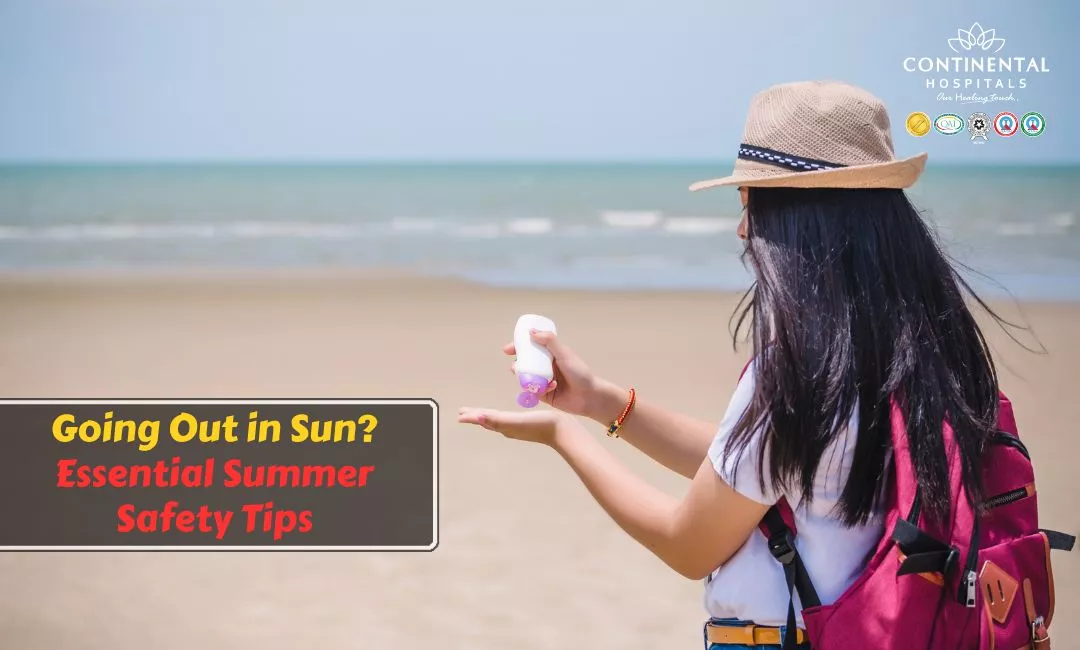
The summer season in Hyderabad brings vibrant energy, but it also brings a significant rise in temperature that can impact your physical well-being. Protecting your body from the heat is not just about comfort; it is a vital part of preventative healthcare. Practicing consistent summer safety ensures that you can enjoy the season while avoiding the risks of dehydration, heatstroke, and skin damage.
Understanding the Impact of Heat on Your Body
When the mercury rises, your body works overtime to maintain a stable internal temperature. This process primarily involves sweating, which cools the skin as it evaporates. However, in extreme heat, this cooling system can become overwhelmed. Understanding summer safety starts with recognizing how your body reacts to high temperatures and knowing when it needs help.
Excessive heat exposure can lead to various conditions, ranging from mild heat exhaustion to life-threatening heatstroke. By following proactive summer health tips, you can mitigate these risks and maintain your energy levels throughout the day.
Beat heat exhaustion & skin issues. Visit our expert dermatology department at Continental Hospitals, Hyderabad for trusted care. Book your appointment today!
Vital Summer Safety Tips for Daily Protection
To stay healthy during the warmer months, you must adopt a multi-layered approach to protection. Here are the essential strategies for maintaining summer safety during your daily routine:
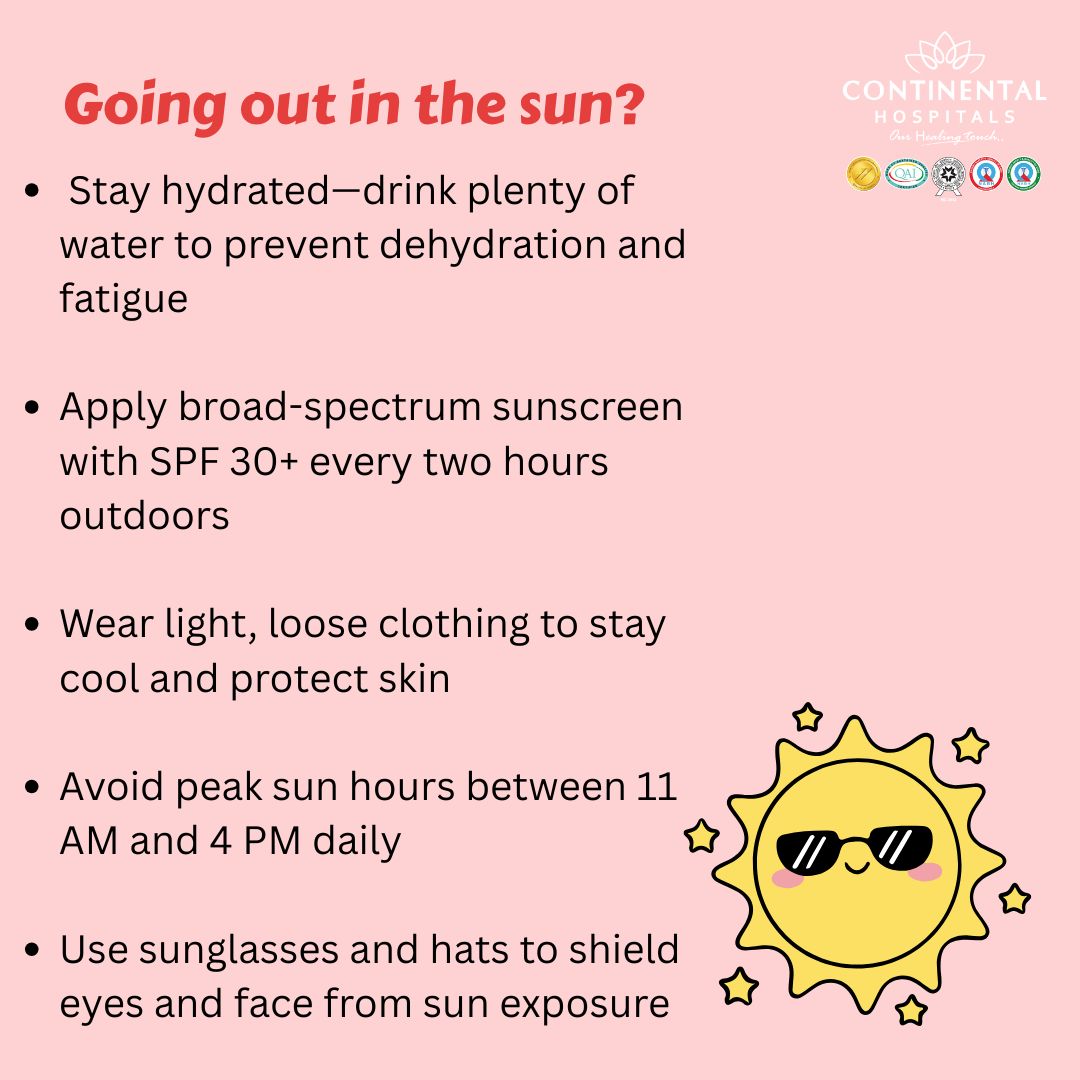
Prioritize Hydration: Water is your best defense against heat-related illnesses. Drink plenty of fluids even if you do not feel thirsty. Aim for water, infused water, or natural electrolytes like coconut water.
Time Your Outdoor Activities: The sun is at its strongest between 10:00 AM and 4:00 PM. If possible, schedule your errands, exercise, or outdoor work during the early morning or late evening hours.
Wear Appropriate Clothing: Choose lightweight, loose-fitting, and light-colored fabrics like cotton or linen. These materials allow your skin to breathe and reflect sunlight rather than absorbing it.
Use Eye Protection: Your eyes are sensitive to UV rays. Wear sunglasses that offer 100% UV protection to prevent long-term damage and reduce eye strain.

Seek Shade Constantly: Whenever you are outdoors, make it a habit to stand in the shade of trees, umbrellas, or buildings.
Essential Sun Protection for Your Skin
Your skin is the first line of defense against the environment. Sun protection is a non-negotiable part of summer skin care. Prolonged exposure to ultraviolet (UV) radiation can lead to painful sunburns, premature aging, and an increased risk of skin conditions.
Effective Sunscreen Application
Using sunscreen is one of the most effective sun safety tips available. Apply a broad-spectrum sunscreen with an SPF of 30 or higher to all exposed skin. It is important to apply it 20 minutes before heading outside and to reapply every two hours, or more frequently if you are sweating.
Protective Gear
In addition to sunscreen, physical barriers provide excellent sun protection. Wide-brimmed hats protect your face, ears, and the back of your neck. Specialized UV-protective clothing is also an excellent investment for those who spend significant time outdoors.
Recognizing Heat-Related Illnesses
Even with the best summer safety tips, it is crucial to know the warning signs of heat exhaustion and heatstroke. Early intervention can prevent a medical emergency.
Heat Exhaustion: Symptoms include heavy sweating, rapid pulse, dizziness, fatigue, and nausea. If you feel these, move to a cool place immediately and hydrate.
Heatstroke: This is a medical emergency. Symptoms include a high body temperature, confusion, lack of sweating despite the heat, and loss of consciousness. Seek professional medical help at Continental Hospitals immediately if these signs appear.
Nutritional Summer Health Tips
What you eat plays a significant role in how your body handles the heat. Integrating specific foods into your diet can enhance your summer safety from the inside out.
Water-Rich Fruits: Watermelon, muskmelon, oranges, and grapes are excellent for maintaining hydration levels.
Cooling Vegetables: Cucumbers, leafy greens, and tomatoes have high water content and are easy for the body to digest in hot weather.
Avoid Heavy Meals: Large, protein-rich meals can increase metabolic heat. Opt for smaller, more frequent light meals.
Limit Caffeine and Sugar: Drinks high in caffeine or sugar can actually contribute to dehydration. Stick to water and natural juices.
Summer Safety for Vulnerable Groups
While summer safety is important for everyone, certain individuals are at a higher risk. Children and the elderly have a harder time regulating their body temperature. Ensure that children are never left in parked vehicles and that the elderly have access to well-ventilated or air-conditioned environments. Regular check-ins on neighbors or relatives living alone during a heatwave is a vital community safety practice.
Why Choose Continental Hospitals for Your Summer Health?
When it comes to managing your health during the challenging summer months, Continental Hospitals stands as a beacon of excellence in Hyderabad. As a premier healthcare institution, we are committed to providing world-class medical services backed by global standards of safety and care.
Accredited Excellence
Continental Hospitals is proud to hold prestigious accreditations that reflect our commitment to quality. We are accredited by the Joint Commission International (JCI) and the National Accreditation Board for Hospitals & Healthcare Providers (NABH). These certifications ensure that our clinical protocols, patient safety measures, and infrastructure meet the highest international and national benchmarks.
Comprehensive Facilities
Our facility is designed to handle everything from routine wellness checks to complex emergency interventions. We offer?
- A dedicated Emergency and Trauma center capable of managing acute heat-related emergencies.
- Advanced diagnostic laboratories for quick and accurate health assessments.
- A team of highly experienced specialists across all departments.
- State-of-the-art infrastructure that prioritizes patient comfort and recovery.
By choosing Continental Hospitals, you are opting for the best hospital in Hyderabad, where patient-centric care is our primary goal. Our multispecialty approach ensures that every aspect of your health is monitored by experts who use evidence-based medicine to guide your recovery.
Conclusion
The key to a successful and enjoyable season is a proactive approach to summer safety. By staying hydrated, seeking sun protection, and being mindful of your body’s signals, you can navigate the heat with confidence. Remember that your health is your most valuable asset, and taking small steps today can prevent significant complications tomorrow.
If you experience persistent fatigue, skin irritation, or any heat-related discomfort, do not ignore the symptoms. Early consultation with a specialist can provide you with a personalized health plan to stay safe during the peak of summer.
If you suffer from heat-related exhaustion or skin concerns, consult our best dermatologist in Hyderabad at Continental Hospitals.
Related Blog Topics: