.webp)

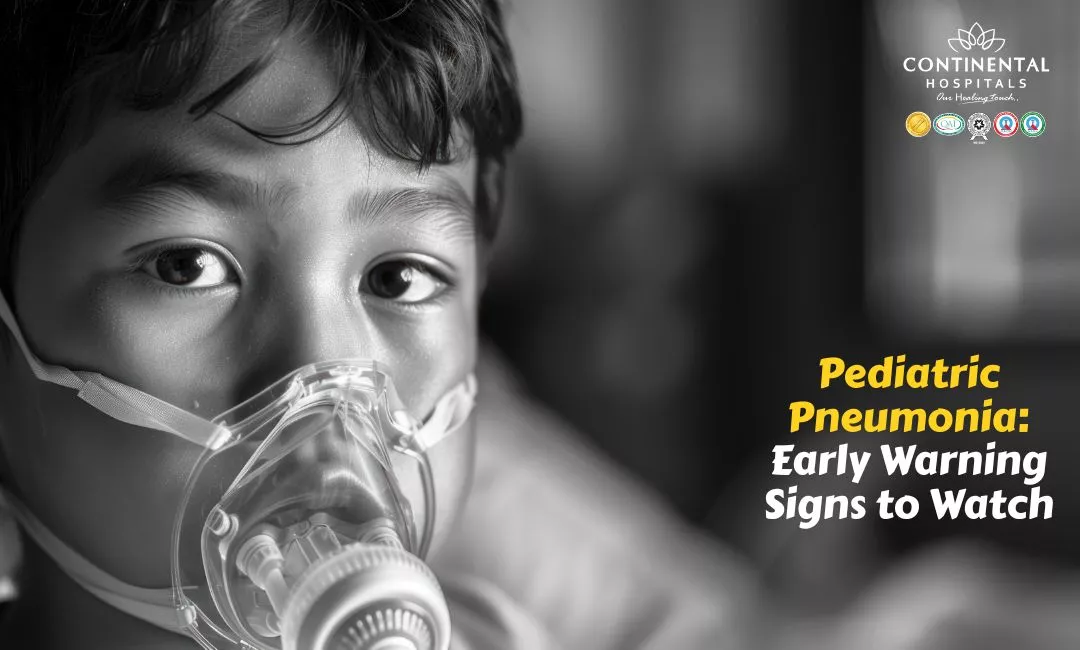
Pneumonia is a word that often causes immediate concern for parents. When a child develops a persistent cough or a fever, the mind often jumps to the worst-case scenario. Understanding pediatric pneumonia is the first step in managing it effectively. While it is a serious respiratory infection, early detection and professional medical intervention can lead to a smooth recovery.
What is Pneumonia?
At its simplest level, pneumonia is an infection that inflames the air sacs in one or both lungs. These air sacs, known as alveoli, may fill with fluid or pus, making it difficult for a child to breathe and preventing enough oxygen from reaching the bloodstream.
In children, the condition can be caused by various germs, including bacteria, viruses, and occasionally fungi. Because children’s immune systems and airways are still developing, they can be more susceptible to these infections than adults.
Visit our pulmonology department at Continental Hospitals, Hyderabad, for expert care if your child shows respiratory symptoms or warning signs. Book a consultation today.
Recognizing the Early Warning Signs
Early intervention is vital when dealing with pediatric pneumonia. The symptoms can sometimes mimic a common cold or the flu, but there are specific red flags that indicate a deeper infection in the lungs.
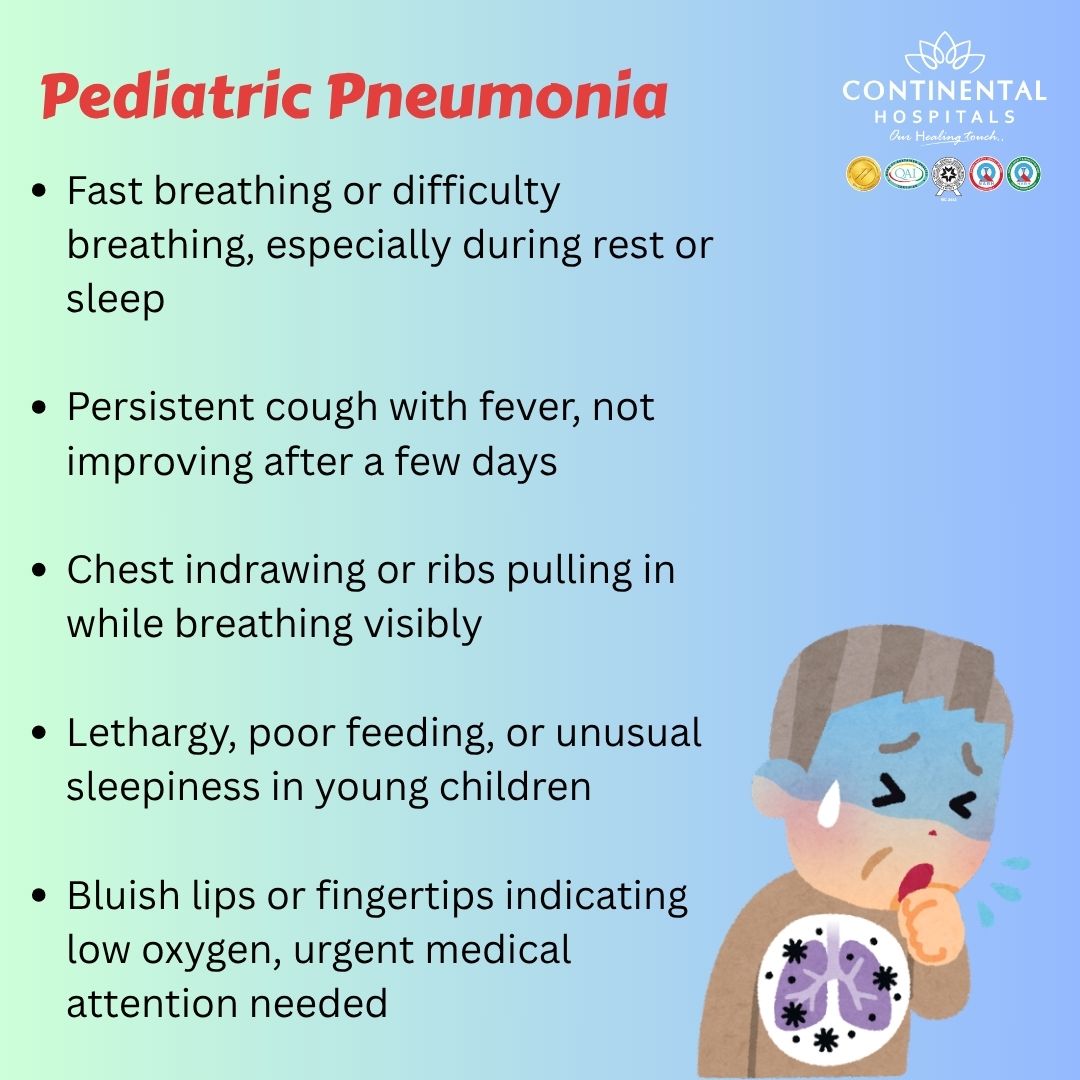
1. Persistent High Fever
While a mild fever often accompanies a cold, a sudden, high fever that persists despite using fever-reducing medication is a common sign of pneumonia. If your child’s temperature remains high or spikes unexpectedly after a few days of feeling unwell, it warrants a medical evaluation.
2. Rapid or Labored Breathing
This is perhaps the most critical sign to monitor. If your child is breathing much faster than usual or seems to be working hard to get air, it may be a sign of respiratory distress. Look for:
Nasal Flaring: The nostrils widening with every breath.
Retractions: The skin pulling in around the ribs or the base of the neck during inhalation.

Grunting: A small sound made during exhalation as the body tries to keep the airways open.
3. A Deep, Productive Cough
Unlike the scratchy cough of a sore throat, pneumonia often produces a deep, "wet" cough. This occurs as the body attempts to clear the fluid or mucus building up in the lungs. The phlegm might appear green, yellow, or even tinged with blood.
4. Changes in Color
If you notice a bluish or gray tint around the lips, tongue, or fingernails, it indicates that the child is not getting enough oxygen. This is a medical emergency and requires immediate attention at the best hospital in Hyderabad.
5. Extreme Lethargy or Irritability
When the body is fighting a significant infection like pediatric pneumonia, it uses a vast amount of energy. A child may become unusually sleepy, difficult to wake up, or conversely, extremely fussy and inconsolable.
Common Causes of Pneumonia in Children
Understanding the why behind the infection helps in determining the right pneumonia treatment.
Viral Pneumonia: This is the most common type in younger children. It often starts like the flu and progresses gradually.
Bacterial Pneumonia: This type usually comes on more suddenly and causes more severe symptoms. It may develop after a child has already had a viral cold or upper respiratory infection.
Mycoplasma Pneumonia: Often referred to as "walking pneumonia," this type generally causes milder symptoms and is more common in school-aged children.
Why Choose Continental Hospitals for Pediatric Care?
When it comes to the health of your child, excellence in care is non-negotiable. Continental Hospitals is widely recognized as the best hospital in Hyderabad for pediatric and respiratory care.
World-Class Accreditations
Quality and safety are the pillars of our healthcare delivery. Continental Hospitals holds prestigious accreditations, including JCI (Joint Commission International) and NABH (National Accreditation Board for Hospitals & Healthcare Providers). These global standards ensure that our clinical protocols, patient safety measures, and infection control practices are among the best in the world.
Specialized Pediatric Unit
Our pediatrics department is designed to be child-friendly, reducing the anxiety often associated with hospital visits. We house advanced diagnostic technology specifically calibrated for smaller bodies, ensuring accurate detection of pediatric pneumonia and other respiratory conditions.
Comprehensive Pneumonia Treatment
We offer an integrated approach to pneumonia treatment. This includes:
- Advanced radiology for precise lung imaging.
- Dedicated pediatric ICUs for severe cases.
- Expert respiratory therapists to assist with breathing exercises and clearance.
- A multidisciplinary team that monitors the child’s recovery around the clock.
Diagnostic Steps for Pneumonia
If you suspect your child has pneumonia, a pediatrician will perform a thorough evaluation. This typically includes:
Physical Exam: Checking the child’s heart rate and breathing. The doctor will use a stethoscope to listen for crackling or bubbling sounds in the lungs.
Pulse Oximetry: A small sensor placed on the finger to measure how much oxygen is in the blood.
Chest X-ray: This is often the gold standard for confirming a diagnosis, as it allows the doctor to see the location and extent of the infection.
Blood Tests: To check the white blood cell count, which helps determine if the infection is bacterial or viral.
Managing Pediatric Pneumonia at Home and in the Hospital
The treatment plan depends entirely on the cause and severity of the infection.
Home Care for Mild Cases
- If the pneumonia is viral or a mild bacterial case, the doctor may allow recovery at home. This involves:
- Ensuring the child gets plenty of rest.
- Increasing fluid intake to prevent dehydration and help thin out mucus.
- Administering prescribed antibiotics (if the cause is bacterial) exactly as directed.
- Using a cool-mist humidifier to make breathing more comfortable.
When Hospitalization is Necessary
In more severe cases, a child may need to be admitted to Continental Hospitals. Reasons for admission include the need for intravenous (IV) fluids, supplemental oxygen therapy, or close monitoring of respiratory effort. Our team ensures that every child receives personalized care to speed up the healing process.
Conclusion
Pediatric pneumonia is a significant health challenge, but with awareness and the right medical partner, it is highly manageable. Recognizing the pneumonia symptoms early?such as rapid breathing and persistent fever? is the key to ensuring your child receives the care they need before complications arise. As the best hospital in Hyderabad, Continental Hospitals remains committed to providing the highest level of pediatric expertise backed by international accreditations.
If your child is struggling with a persistent cough or difficulty breathing, do not wait. Early diagnosis is the best path to a healthy recovery.
If you suffer from concerns regarding your child's respiratory health or notice any of the warning signs mentioned above, consult our best pulmonologist in Hyderabad at Continental Hospitals, Hyderabad.
Related Blog Topics: