.webp)

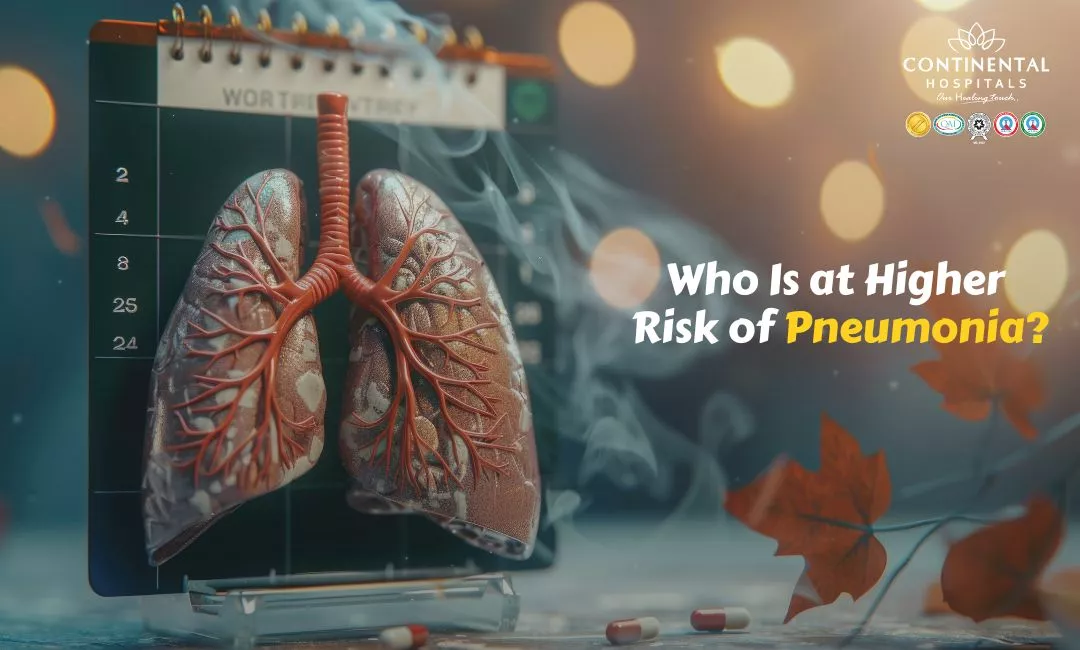
Pneumonia is a serious lung infection that affects millions of people every year. It can range from mild illness to a life threatening condition that needs immediate medical care. Understanding who is at higher risk of pneumonia helps in early recognition, timely pneumonia treatment, and better protection of lung health.
What Is Pneumonia?
Pneumonia is a lung infection that causes inflammation of the air sacs in one or both lungs. These air sacs may fill with fluid or pus, making breathing difficult. Pneumonia can be caused by bacteria, viruses, or fungi. The most common types include bacterial pneumonia and viral pneumonia. The severity depends on the person’s age, overall health, and the cause of infection.
Visit Our Pulmonology Department at Continental Hospitals. Consult our best pulmonologist for accurate diagnosis, personalized pneumonia treatment, and long-term lung care.
Why Understanding Pneumonia Risk Factors Matters?
Not everyone exposed to germs develops pneumonia. Certain people are more vulnerable due to weak immunity, existing health conditions, or environmental exposure. Knowing who is at higher risk of pneumonia helps individuals seek care early and avoid complications such as respiratory failure or long hospital stays.
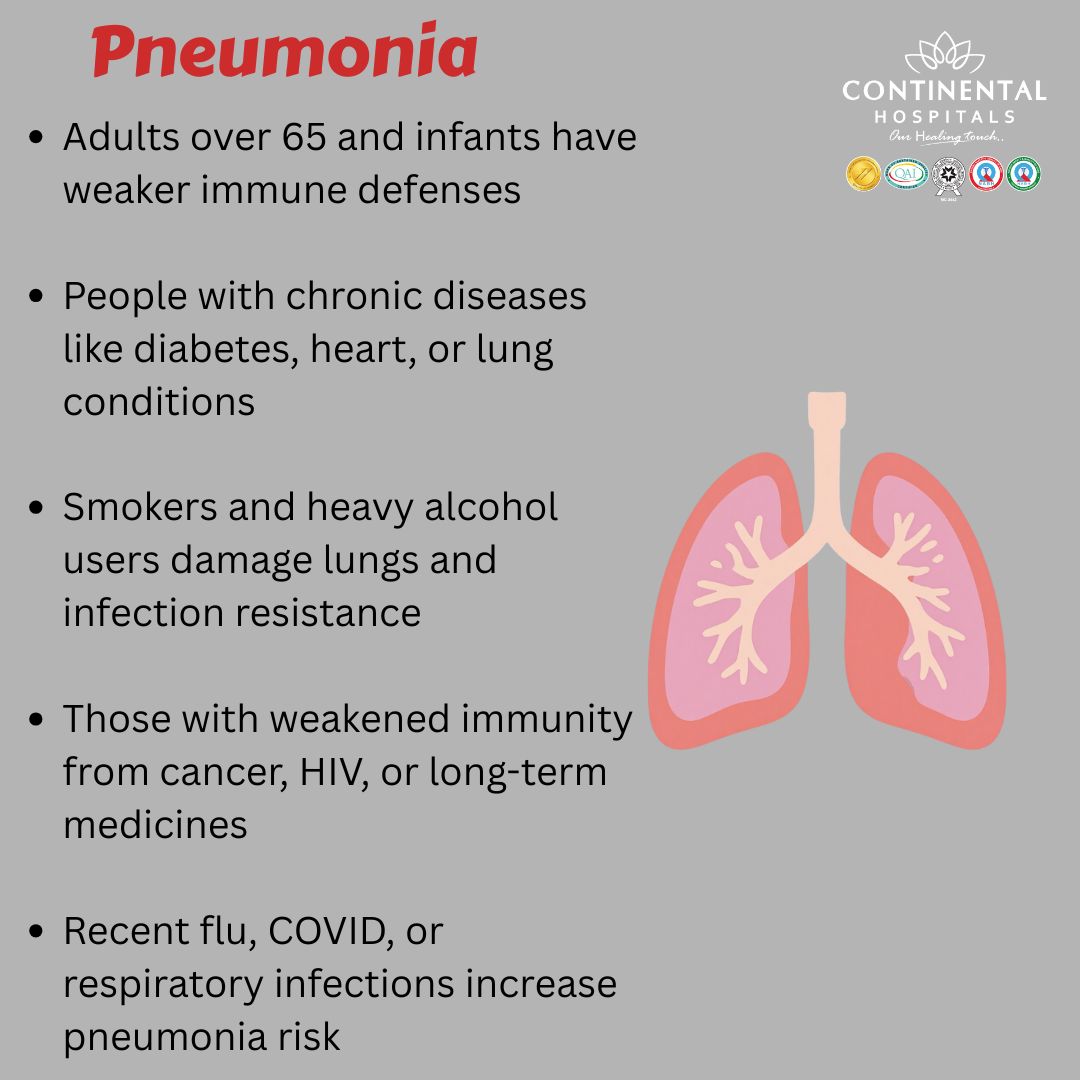
Groups at Higher Risk of Pneumonia
1. Older Adults Above 60 Years
As people age, the immune system becomes less effective. Older adults are more likely to develop severe pneumonia symptoms and complications. Even a mild lung infection can progress quickly in this age group. Recovery may take longer, and hospital admission is often required.
2. Infants and Young Children
Babies and children under five years have developing immune systems. Their airways are smaller, so inflammation can cause breathing problems faster. Viral pneumonia is more common in children, but bacterial pneumonia can also occur and needs urgent care.
3. People With Weak Immune Systems
Individuals with weakened immunity are at a high risk of pneumonia. This includes people who have:
- Cancer and are undergoing chemotherapy
- HIV or other immune disorders
- Organ transplant recipients
- Long term steroid use
In these cases, even common germs can lead to serious lung infection.

4. People With Chronic Diseases
Long standing health conditions increase pneumonia risk factors significantly. These include:
- Diabetes
- Heart disease
- Chronic kidney disease
- Liver disorders
Such conditions reduce the body’s ability to fight infections and delay healing.
5. People With Chronic Lung Conditions
Those who already have breathing problems are more likely to develop pneumonia. Conditions include:
- Asthma
- Chronic obstructive pulmonary disease
- Bronchiectasis
- Interstitial lung disease
For them, pneumonia symptoms may worsen existing breathlessness and cough, leading to rapid decline in lung health.
Lifestyle Related Pneumonia Risk Factors
Smoking
Smoking damages the natural defense system of the lungs. It weakens the ability to clear mucus and germs, increasing the risk of bacterial pneumonia and viral pneumonia. Long term smokers also experience more severe symptoms and slower recovery.
Alcohol Use
Excessive alcohol use affects immune function and increases the risk of aspiration, where stomach contents enter the lungs. This can lead to severe lung infection and complications.
Poor Nutrition
Lack of proper nutrition weakens immunity. Low protein levels and vitamin deficiencies make it harder for the body to fight infections, increasing pneumonia risk.
Hospital Acquired Pneumonia
Hospital acquired pneumonia is a lung infection that develops during a hospital stay for another illness. It often occurs after forty eight hours of admission. Patients on ventilators or those who have had surgery are at higher risk.
Why is hospital acquired pneumonia serious?
- The bacteria are often more resistant
- Recovery may take longer
- Specialized pneumonia treatment is required
This highlights the importance of infection control practices and quality standards in hospitals.
Common Pneumonia Symptoms to Watch For
Early identification of pneumonia symptoms helps prevent complications. Symptoms may vary based on age and cause but commonly include:
- Persistent cough with or without mucus
- Fever and chills
- Shortness of breath
- Chest pain while breathing or coughing
- Fatigue and weakness
- Confusion in older adults
Do you notice these symptoms lasting more than a few days? Seeking medical attention early can save lives.
Types of Pneumonia Based on Cause
Bacterial Pneumonia
Bacterial pneumonia often develops suddenly and can be severe. High fever, chest pain, and productive cough are common. Timely antibiotics and hospital care are crucial for recovery.
Viral Pneumonia
Viral pneumonia may start with flu like symptoms. It is common in children and older adults. While some cases are mild, others can worsen quickly and require oxygen support.
Understanding the type of pneumonia helps doctors choose the right pneumonia treatment plan.
How Is Pneumonia Diagnosed?
Doctors diagnose pneumonia through:
- Physical examination
- Chest X rays
- Blood tests
- Sputum tests
- Oxygen level monitoring
Early diagnosis allows targeted treatment and prevents long term damage to lung health.
Pneumonia Treatment and Recovery
Pneumonia treatment depends on the cause and severity. It may include:
- Antibiotics for bacterial pneumonia
- Antiviral medicines when needed
- Oxygen therapy
- Fluids and supportive care
Mild cases may be treated at home, but high risk patients often need hospital admission for close monitoring.
How Can Pneumonia Be Prevented?
Simple preventive steps reduce pneumonia risk factors:
- Vaccinations for flu and pneumococcal infections
- Quitting smoking
- Managing chronic diseases
- Maintaining good nutrition
- Practicing hand hygiene
Can prevention lower the burden of lung infection? Yes, especially in high risk groups.
Why Choose Continental Hospitals for Pneumonia Care?
Continental Hospitals is recognized as one of the best hospitals in Hyderabad for advanced respiratory care. The hospital is known for its commitment to patient safety, clinical excellence, and international quality standards.
Continental Hospitals holds prestigious accreditations such as NABH and NABL, reflecting adherence to strict healthcare protocols and laboratory excellence. These accreditations ensure accurate diagnosis, effective pneumonia treatment, and high standards of infection control.
The hospital offers:
- Advanced intensive care units
- Experienced pulmonologists and critical care specialists
- Modern diagnostic facilities
- Multidisciplinary approach for complex lung infection cases
This comprehensive care model improves outcomes and supports faster recovery.
Conclusion
Pneumonia is a common yet potentially serious lung infection, especially for older adults, children, and people with chronic illnesses or weak immunity. Understanding pneumonia risk factors and recognizing symptoms early can make a critical difference. With expert care, advanced facilities, and strong quality accreditations, Continental Hospitals stands as a trusted destination for pneumonia care in Hyderabad. If you suspect pneumonia, seek medical attention promptly and take a proactive step toward better lung health.
If you or a loved one experiences persistent pneumonia symptoms such as breathlessness, high fever, or chest pain, do not delay medical care. Early evaluation is especially important for high risk individuals.
Consult our Best Pulmonologist at Continental Hospitals for accurate diagnosis and personalized pneumonia treatment. Timely intervention can protect lung health and prevent serious complications.
Related Blog Topics: