.webp)

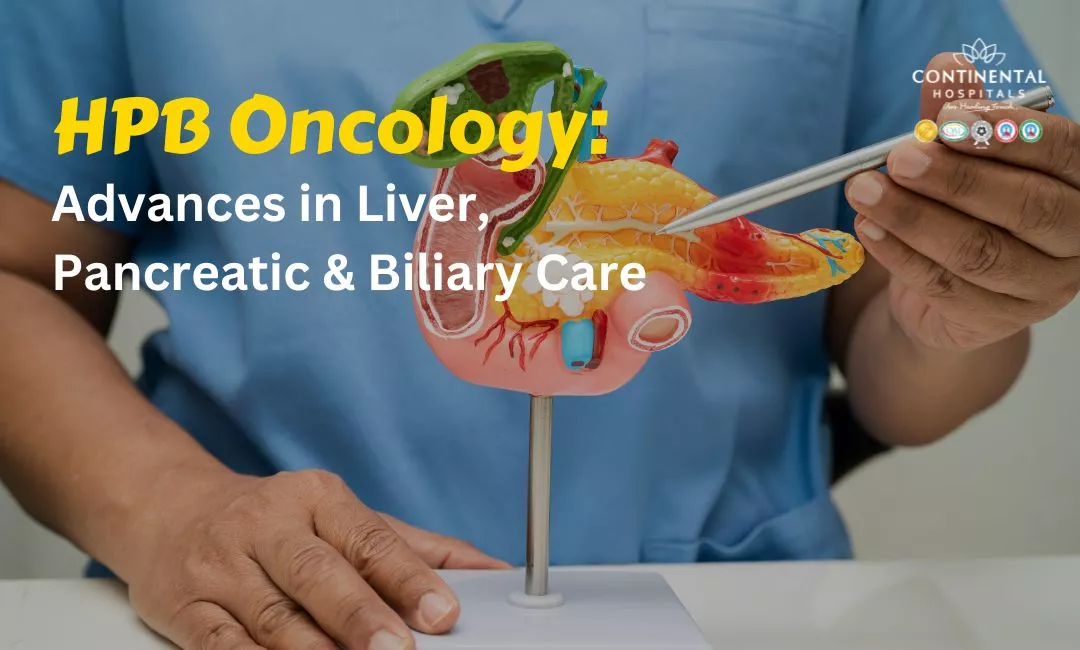
Hepatopancreatobiliary (HPB) oncology refers to the diagnosis and treatment of cancers related to the liver, pancreas, and bile ducts. These cancers are often challenging to treat due to their complex nature, location, and late-stage diagnosis. However, in recent years, significant advancements in medical technology, early detection methods, and treatment options have greatly improved outcomes for patients. In this blog, we’ll explore the latest innovations in HPB oncology and what they mean for patients seeking care for liver, pancreatic, and biliary cancers.
What is HPB Oncology?
HPB oncology deals with cancers in the following organs:
Liver Cancer (Hepatocellular Carcinoma): This cancer starts in the liver cells and is often associated with chronic liver diseases like cirrhosis or hepatitis.
Pancreatic Cancer: A highly aggressive cancer that begins in the pancreas. It is often diagnosed in later stages, making it difficult to treat.
Biliary Cancer (Cholangiocarcinoma): This cancer affects the bile ducts, which carry bile from the liver to the small intestine.
Due to the vital functions these organs serve, cancers in this area often present a unique set of challenges for doctors and patients alike. Treatment of these cancers requires a multidisciplinary approach that can include surgery, chemotherapy, radiation therapy, and newer cutting-edge treatments.
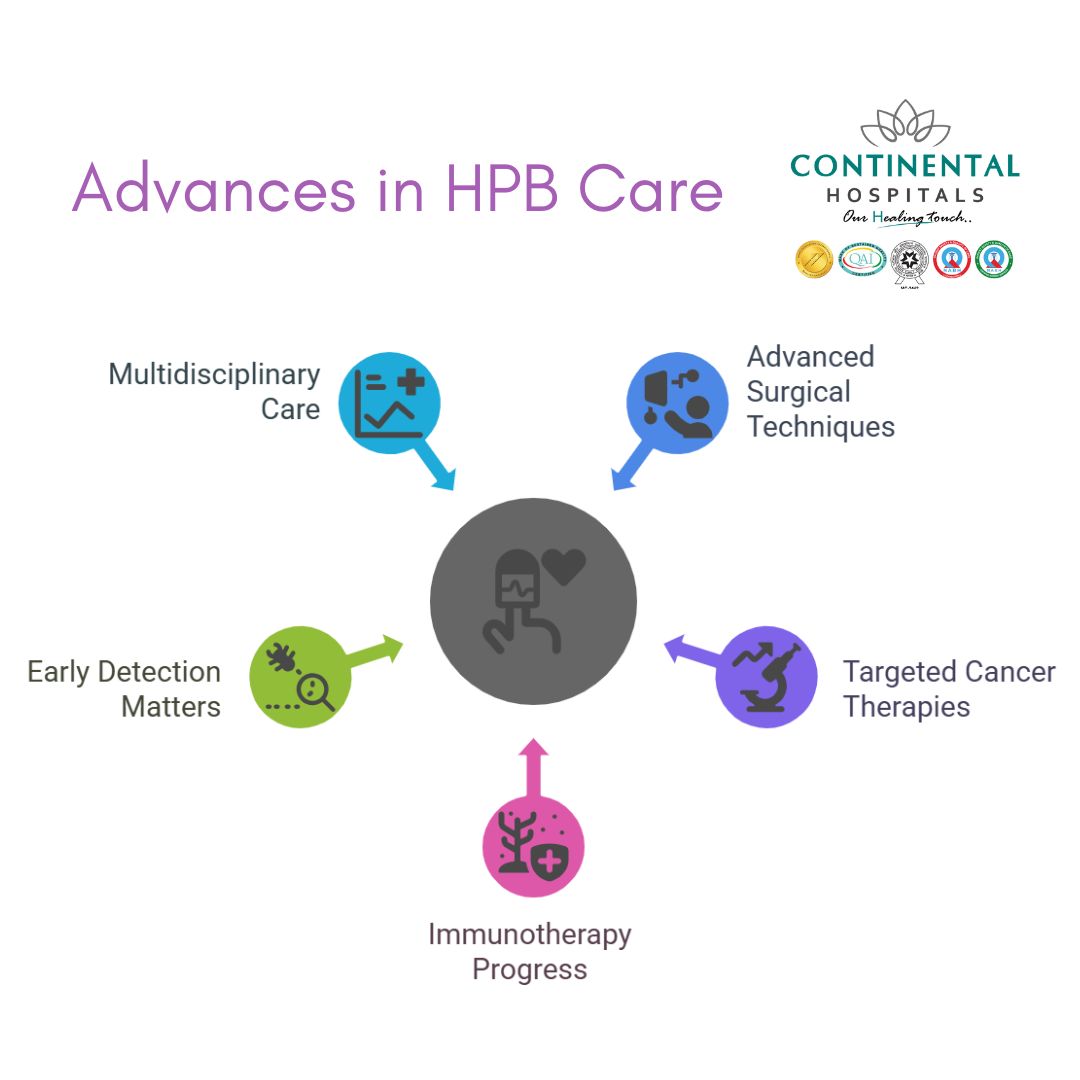
What are the latest advances in HPB oncology?
1. Improved Early Detection Methods
Early diagnosis of liver, pancreatic, and biliary cancers is crucial for improving patient outcomes. In the past, these cancers were often diagnosed at advanced stages when treatment options were limited. Today, new techniques are allowing doctors to catch these cancers at an earlier, more treatable stage.
Advanced Imaging Technology: High-definition imaging techniques, such as MRI and CT scans, allow doctors to detect tumours in their earliest stages. These technologies provide clear, detailed images of the liver, pancreas, and bile ducts, helping doctors pinpoint abnormalities and create an effective treatment plan.

Biomarker Testing: Blood tests that detect specific biomarkers associated with HPB cancers are becoming more accurate and are now used as part of routine screening for high-risk individuals. For example, elevated levels of Alpha-Fetoprotein (AFP) are a potential indicator of liver cancer, while CA 19-9 is a marker used to monitor pancreatic cancer.
Endoscopic Ultrasound (EUS): EUS is increasingly being used to visualize the pancreas and bile ducts more clearly and to obtain tissue samples for biopsy. This non-invasive method helps doctors detect tumors that may not be visible with other imaging techniques.
Don't ignore warning signs like weight loss, ongoing pain, or jaundice. Visit our Best Cancer Specialist in Hyderabad for comprehensive cancer screening and personalized treatment from experienced specialists.
2. Minimally Invasive Surgery
Surgery remains one of the most effective treatments for HPB cancers, especially when they are caught in the early stages. Advances in minimally invasive surgery techniques, such as laparoscopic and robotic-assisted surgery, are transforming how HPB cancers are treated.
Laparoscopic Surgery: This type of surgery uses small incisions and a camera to guide the surgeon in removing tumours. The benefits of laparoscopic surgery include smaller scars, shorter hospital stays, and faster recovery times.
Robotic-Assisted Surgery: Robotic systems, such as the da Vinci Surgical System, provide greater precision and control during surgery. Surgeons can make smaller, more accurate incisions, improving the outcome of the surgery and minimizing complications.
Liver and Pancreatic Resection: In certain cases, surgery to remove part of the liver or pancreas is necessary to remove a tumour. Advances in surgical techniques now allow for more successful resections, even in challenging cases, reducing complications and improving long-term survival rates.
3. Chemotherapy and Targeted Therapy
For patients with advanced HPB cancers, chemotherapy has long been the go-to treatment. However, chemotherapy alone is often not enough, especially for pancreatic cancer, which is highly resistant to many treatments. Fortunately, targeted therapy and immunotherapy have emerged as powerful tools in the fight against these cancers.
Targeted Therapy: These treatments specifically target the cancer cells, blocking the signals that help them grow. For example, targeted therapies are used to treat certain liver cancers and biliary cancers by inhibiting specific proteins that cancer cells need to survive and proliferate.
Immunotherapy: Immunotherapy boosts the body’s immune system to help fight cancer. Recent advances have shown promise in treating certain types of pancreatic and biliary cancers. By stimulating the immune system, immunotherapy drugs may help the body recognize and destroy cancer cells.
Combination Therapies: In many cases, doctors are now using a combination of chemotherapy, targeted therapy, and immunotherapy to attack HPB cancers from multiple angles. This combination approach has led to better outcomes and increased survival rates.
4. Liver Transplantation for Hepatocellular Carcinoma (HCC)
Liver transplantation has become a highly effective treatment for some patients with hepatocellular carcinoma (HCC), particularly those who have cirrhosis. The transplant not only removes the cancer but also addresses the underlying liver disease, providing patients with a better chance for long-term survival.
Expanded Criteria for Liver Transplantation: In recent years, criteria for liver transplantation have been expanded to include more patients with liver cancer. This means that more people are eligible for a transplant, improving survival rates for those with early-stage liver cancer.
Living Donor Liver Transplantation: In some cases, living donor liver transplantation is an option. This procedure allows a healthy individual to donate part of their liver to the patient, providing an alternative to deceased donor transplants.
5. Palliative Care and Quality of Life
For patients with advanced HPB cancers that are no longer treatable through surgery or chemotherapy, palliative care plays a critical role in improving the quality of life. Advances in palliative care focus on symptom management, pain control, and emotional support.
Interventional Radiology: Techniques such as radiofrequency ablation (RFA) and transarterial chemoembolization (TACE) are used to shrink tumors or stop blood flow to cancer cells, reducing pain and improving quality of life for patients.
Pain Management: Advanced pain management strategies, including nerve blocks, medications, and complementary therapies, help patients maintain comfort during their treatment.
Conclusion: Advances in Treatment Offer New Hope
The advances in HPB oncology are nothing short of transformative, offering patients hope that wasn’t possible just a few decades ago. With early detection, minimally invasive surgery, targeted therapies, and palliative care options, patients now have a wider range of treatment options to manage liver, pancreatic, and biliary cancers.
Facing symptoms like weight loss, pain, or jaundice? Consult the best oncologist in Hyderabad at Continental Hospitals for expert care.